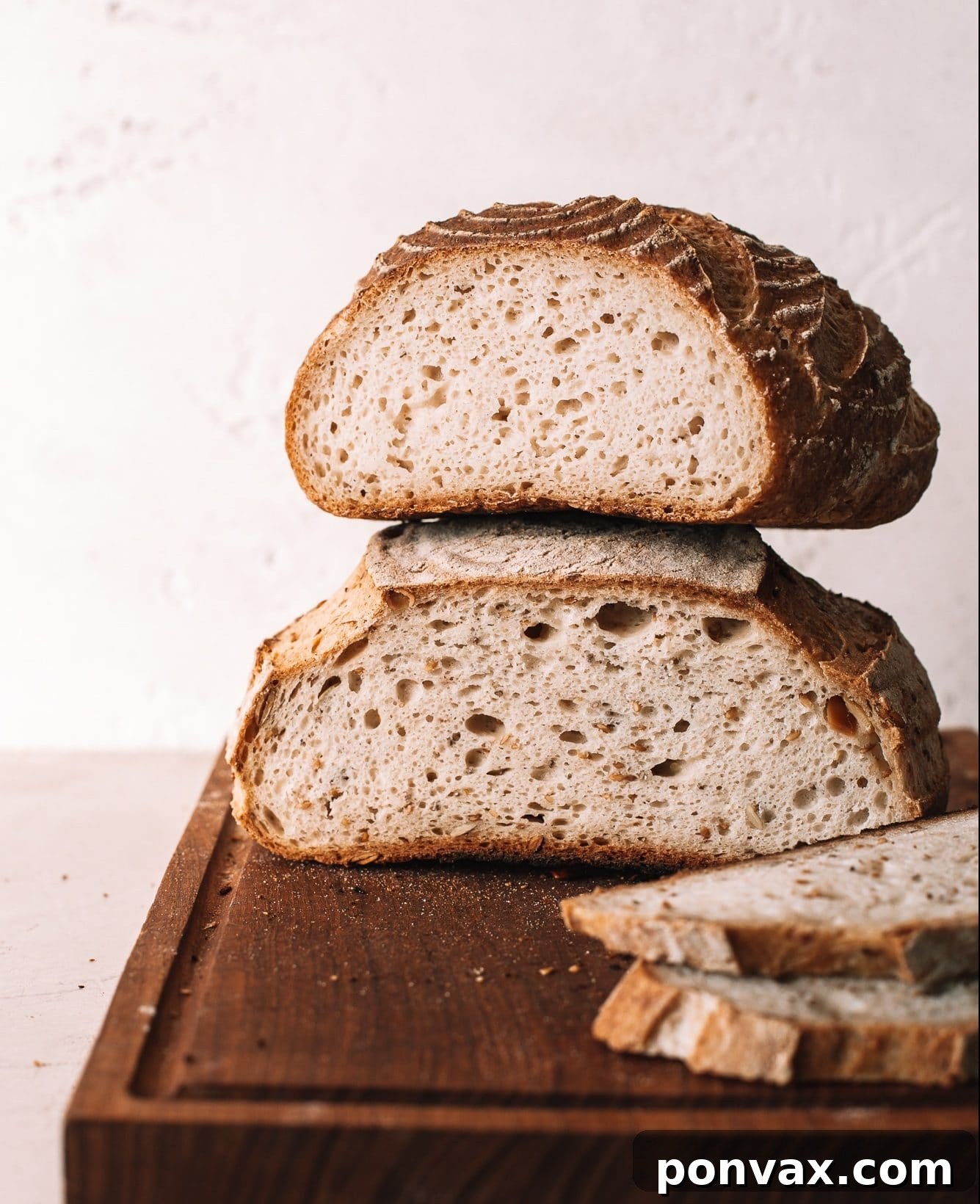
Embark on a delightful culinary adventure with these Best Gluten-Free Sourdough Recipes! Whether you’re a seasoned baker looking to expand your repertoire or a curious beginner eager to try gluten-free baking, this comprehensive guide provides everything you need. Dive into the art of creating your very own gluten-free sourdough starter, master the classic gluten-free sourdough bread loaf, and explore exciting variations like gluten-free sourdough pizza and focaccia. Plus, discover a wealth of clever and delicious recipes to utilize your gluten-free sourdough discard, ensuring no precious starter goes to waste.
Discover the World of Gluten-Free Sourdough Baking
Have you ever dreamed of baking your own artisanal gluten-free sourdough bread with that perfect tangy flavor and satisfying chew? You’ve landed in precisely the right spot! My journey into the captivating world of gluten-free sourdough began in June of 2020, and I quickly found myself deep within this delicious obsession. It’s a rewarding process that transforms simple ingredients into culinary masterpieces.
Perhaps you’re familiar with traditional sourdough baking and are now seeking to adapt your skills to a gluten-free lifestyle. Or maybe you’re already a dedicated gluten-free sourdough baker, always on the hunt for innovative new recipes. Even if you’re just starting to explore the magic of sourdough, feeling a bit daunted by the process, this extensive guide is designed to provide clear, actionable guidance to kickstart your baking adventure.
What Exactly is Sourdough? Unraveling the Fermentation Magic
Sourdough bread distinguishes itself from other types of bread by its leavening agent: a sourdough starter, rather than commercial yeast. This living culture, a magnificent blend of flour and water, harnesses naturally occurring wild yeasts and beneficial bacteria from the environment. Through a process of consistent feeding and care, these microorganisms multiply, creating the unique leavening power and complex flavor profile characteristic of sourdough. While traditionally made with wheat flour, the beauty of sourdough is its adaptability – it can be wonderfully crafted using a variety of gluten-free flours, opening up a world of possibilities for those with dietary restrictions.
The fermentation process not only provides the lift for the bread but also predigests some of the starches and proteins, which can potentially make the bread easier to digest for some individuals. The long, slow fermentation also develops incredible depths of flavor, resulting in a loaf that is far more nuanced and satisfying than commercially yeasted breads. Understanding this natural process is key to appreciating the charm and challenge of sourdough baking.
Is Sourdough Bread Naturally Gluten-Free? Clarifying Common Misconceptions
A prevalent misunderstanding is that traditional wheat-based sourdough bread can be considered truly gluten-free due to its fermentation process. Unfortunately, this is not accurate. While the extensive fermentation in traditional sourdough can break down some of the gluten proteins, significantly reducing their levels compared to regular wheat bread, it does not eliminate them entirely. This means traditional sourdough still contains gluten protein and would not be safe for individuals diagnosed with celiac disease, a gluten allergy, a wheat allergy, or even a severe gluten sensitivity.
For those requiring a strictly gluten-free diet, the solution lies in utilizing a specialized gluten-free sourdough starter. By cultivating a starter with gluten-free whole grain flours, we can then produce a wide array of delicious and truly wheat-free sourdough breads and baked goods. This commitment to gluten-free ingredients from the very beginning ensures a safe and enjoyable baking experience for everyone.
The Essential First Step: Cultivating Your Gluten-Free Sourdough Starter
Absolutely! Before you can embark on any gluten-free sourdough baking journey, you’ll need to establish a thriving gluten-free sourdough starter. This fundamental ingredient is surprisingly simple to create, requiring only three core components: gluten-free whole grain flour, pure water, and a touch of patience (time)! It’s a rewarding process watching your starter come alive, bubbling with activity.
A healthy, robust, and consistently active starter is the cornerstone of successful gluten-free sourdough baking. It’s the engine that provides the lift, structure, and signature tangy flavor to your bread. Without an energetic and happy starter, your efforts could result in dense loaves that fail to rise adequately in the oven, lacking the desired open crumb and airy texture. Therefore, dedicating the necessary love and attention to nurturing your sourdough starter is paramount. Treat it well, and it will reward you with unparalleled baking results!
Navigating Gluten-Free Flour Blends for Sourdough Success
The world of gluten-free flours can seem complex, especially when it comes to sourdough. Each of my gluten-free sourdough bread recipes is meticulously developed to work best with a particular flour blend, carefully chosen for its unique properties in creating the ideal texture and rise. Gluten-free baking, particularly sourdough, benefits immensely from precise flour combinations.
For those who appreciate efficiency and wish to simplify their baking routine, preparing a pre-mixed flour blend is an excellent strategy. I highly recommend using my proven homemade gluten-free bread flour blend. This blend has been specifically formulated to deliver exceptional results in my sourdough recipes, providing the right balance of structure and flexibility.
If you prefer the convenience of a store-bought option, I’ve had great success with this multi-flour blend from Vitacost. It closely mirrors the ingredient profile of my recommended homemade blend, crucially without the addition of unnecessary additives or gums that can sometimes affect the outcome of delicate sourdough.
It’s important to note that for non-bread baked goods, such as cookies, scones, or crackers, it’s generally best to adhere to the specific flours called for in each individual recipe. These recipes often rely on precise flour ratios to achieve their intended texture and flavor, and substituting with a general bread flour blend might not yield the desired results.
Benefits of Baking Gluten-Free Sourdough
Beyond simply accommodating dietary needs, baking gluten-free sourdough offers a myriad of advantages. Firstly, there’s the unparalleled satisfaction of creating something truly wholesome and delicious from scratch. You control every ingredient, ensuring purity and freshness. Secondly, the slow fermentation process of sourdough can improve the digestibility of grains, making it a more gut-friendly option compared to quickly yeasted breads. Many people who experience discomfort with commercial gluten-free breads find gluten-free sourdough much easier on their system.
Furthermore, gluten-free sourdough boasts a uniquely complex flavor profile – a delightful tanginess paired with earthy notes from whole grain flours. This depth of flavor elevates everything from a simple slice of toast to elaborate sandwiches. The texture, when done right, is incredibly satisfying, offering a sturdy yet tender crumb that is often missing in store-bought gluten-free alternatives. It’s an empowering and delicious journey into the world of natural fermentation.
Top Tips for Gluten-Free Sourdough Success
Baking gluten-free sourdough can feel like a delicate dance, but with a few key tips, you’ll master it in no time:
- Know Your Starter: Pay close attention to your starter’s activity. It should be bubbly, fragrant, and have risen significantly before you use it for baking. A sluggish starter will lead to a dense loaf.
- Hydration is Key: Gluten-free flours absorb water differently than wheat flours. Many gluten-free sourdough recipes require higher hydration. Don’t be afraid of a sticky dough; it often leads to a lighter crumb.
- Patience is a Virtue: Sourdough baking, especially gluten-free, is a slow process. Allow ample time for bulk fermentation and proofing. Rushing these stages will compromise the final texture and flavor.
- Temperature Matters: The ambient temperature of your kitchen significantly impacts fermentation speed. Cooler temperatures slow things down, while warmer temperatures speed them up. Adjust your timing accordingly.
- Invest in a Scale: Accurate measurements are crucial in gluten-free baking. Using a kitchen scale for all ingredients (flour, water, starter) will ensure consistent and repeatable results.
- Don’t Overwork the Dough: Unlike wheat doughs that rely on gluten development, gluten-free doughs don’t benefit from extensive kneading. Gentle folding and shaping are often sufficient.
Sourdough is more fun with friends! Join over 5500+ sourdough bakers in my Gluten-Free Sourdough Friends Facebook Group! Connect with fellow enthusiasts, share tips, and celebrate your baking victories.
Beyond the Loaf: A Collection of Gluten-Free Sourdough Recipes
Now that you’re equipped with the foundational knowledge of gluten-free sourdough, it’s time to explore an exciting array of recipes. From the quintessential bread loaf to versatile flatbreads, delectable pizzas, and even sweet treats, your gluten-free sourdough starter is an incredibly adaptable ingredient. Many of these recipes also provide fantastic ways to utilize your sourdough discard, ensuring nothing goes to waste and you get the most out of your thriving starter. Get ready to transform your kitchen into a gluten-free sourdough haven!
1. How to Make Gluten-Free Sourdough Bread
This is the definitive Gluten-Free Sourdough Bread Guide, meticulously crafted to help you bake the best gluten-free sourdough of your life. Packed with essential tips, tricks, and techniques, this recipe has been tested and refined countless times to ensure your success. It’s the most requested recipe for a reason!
2. How to Make a Gluten-Free Sourdough Starter
Ready to dive into homemade gluten-free sourdough bread? Your first crucial step is mastering How to Make a Gluten-Free Sourdough Starter! This guide makes it simple, demonstrating that all you need is gluten-free flour, water, and a little bit of time to cultivate your very own active starter.
3. Gluten-Free Sourdough Pizza Crust
This incredible Gluten-Free Sourdough Pizza Crust comes together with just six simple ingredients, 10 minutes of hands-on time, and a single bowl. This easy sourdough discard pizza dough recipe is also vegan, making it a versatile and effortlessly delicious option for your next pizza night.
4. Gluten-Free Sourdough Flatbread
Experience the delightful tang of sourdough and a wonderfully fluffy, bubbly texture with this gluten-free sourdough flatbread. It’s incredibly versatile – perfect for wraps, a thin pizza crust, or expertly scooping up your favorite soups and dips. This recipe yields soft, flexible flatbreads cooked right on your stovetop, and is also dairy-free, vegan, and nut-free!
5. Gluten-Free Sourdough Focaccia Bread
Indulge in this Gluten-Free Sourdough Focaccia Bread, a simple seven-ingredient recipe that brilliantly utilizes gluten-free sourdough discard. It’s remarkably easy to prepare, resulting in a bread that is incredibly fluffy, wonderfully soft, and utterly delicious! Perfect for dipping in olive oil, serving as a sandwich base, or transforming into gourmet sourdough croutons.
6. Gluten-Free Sourdough Bagels
Craft your own delicious Gluten-Free Sourdough Bagels, which are also vegan! Made with your active gluten-free sourdough starter, a blend of wholesome gluten-free flours, and topped with any mix-ins you adore. These bagels are ideal for savoring fresh from the oven or stashing in the freezer for a quick and satisfying meal on a busy day.
7. Gluten-Free Sourdough Chocolate Chip Cookies (Dairy-Free + Vegan)
Get ready for your new favorite treat! These Gluten-Free Sourdough Chocolate Chip Cookies are the perfect, most delicious way to use up your gluten-free sourdough discard. They are thoughtfully crafted to be dairy-free and vegan, delivering an indulgent and incredibly satisfying cookie experience that you’ll want to bake again and again.
8. Gluten-Free Sourdough Rolls
Discover these incredibly fluffy and flavorful Gluten-Free Sourdough Rolls, featuring the aromatic blend of roasted garlic and rosemary. They are an exquisite accompaniment to your favorite soup, a perfect foundation for a sandwich or burger, or simply divine slathered with butter. A truly versatile and delicious addition to any meal.
9. Gluten-Free Sourdough Crackers
Transform your gluten-free sourdough discard into these irresistible Gluten-Free Sourdough Crackers – soon to be your absolute favorite snack! These crackers are not only gluten-free and vegan but also perfectly crispy and flavorful, whether enjoyed plain or with your preferred dips. It’s truly the best and most creative way to utilize your sourdough discard!
10. Gluten-Free Sourdough Scones
These savory Gluten-Free Sourdough Scones offer a delightful way to use up your gluten-free sourdough discard! Crafted to be dairy-free and vegan, they present a wonderfully flavorful option for a satisfying breakfast or a light, wholesome snack that you’ll absolutely love.
11. Gluten-Free Cinnamon Sugar Sourdough Discard Crackers
Got leftover sourdough discard? Turn it into these irresistible Gluten-Free Cinnamon Sugar Sourdough Discard Crackers! These sweet and crispy gluten-free crackers are quick, incredibly simple to prepare, and guaranteed to satisfy your snacky sweet tooth. This is undoubtedly one of the best ways to repurpose your sourdough discard!
12. Gluten-Free Croutons
Homemade Gluten-Free Croutons are an excellent and delicious solution for using up any leftover or stale gluten-free bread, especially gluten-free sourdough! They provide the perfect crunchy topping for enhancing your favorite soups and salads. Requiring only a few simple ingredients, these versatile croutons are both gluten-free and vegan.
13. Chocolate Chip Gluten-Free Sourdough Discard Scones
These delightful Chocolate Chip Gluten-Free Sourdough Discard Scones are the ultimate solution for utilizing your gluten-free sourdough discard! Beautifully sweet, dairy-free, and vegan, they make for an utterly delicious and satisfying breakfast or snack option that everyone will adore.