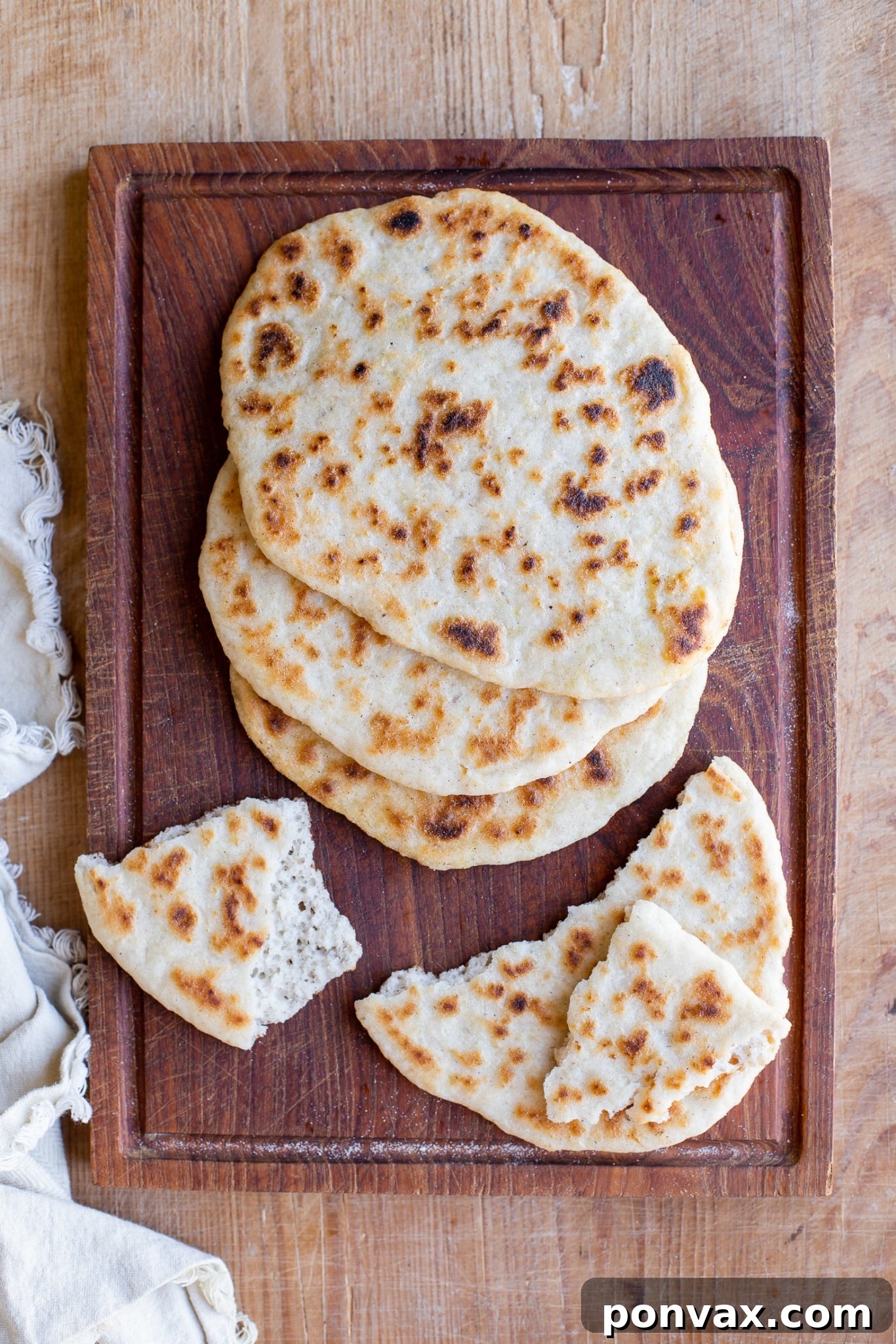
Welcome to the ultimate guide for crafting the most delightful, fluffy, and incredibly versatile gluten-free flatbread right in your own kitchen! Say goodbye to missing out on the joy of fresh naan at your favorite Indian restaurant or the perfect pita for a falafel wrap. This revolutionary recipe is designed to bring that authentic, comforting experience back into your life, quickly and effortlessly on your stovetop.
For years, I dreamt of a gluten-free flatbread that could truly stand in for its traditional counterparts. I longed for the chewy texture of naan, the pillowy softness of pita, and the endless possibilities of a versatile flatbread to complement my favorite dishes. The frustration of ordering a salad when all I craved was a wrap led me on a mission. And after much experimentation, I can finally share this incredibly simple yet profoundly satisfying recipe. It’s truly unbelievable it took me this long to perfect, but the wait was worth it!
This recipe yields the ideal gluten-free pita for wrapping your succulent kebabs, the perfect vegan gluten-free naan for scooping up rich curries, and an all-purpose flatbread suitable for countless fillings and dips. It’s more than just a substitute; it’s a culinary staple you’ll wonder how you ever lived without. This flatbread boasts:
- Irresistibly Chewy and Soft Texture: A delicate balance that melts in your mouth while holding its form.
- Remarkably Sturdy: Strong enough to cradle all your favorite fillings without tearing.
- Beautifully Bubbly and Fluffy: Light as air, with an inviting rise and a tender crumb.
- Made with Just 7 Simple Ingredients: Minimal fuss for maximum flavor and texture.
- Completely Gluten-Free, Vegan, and Nut-Free: Catering to a wide range of dietary needs without compromise.
- Absolutely Delicious: A taste that will have everyone reaching for more, regardless of dietary restrictions.
If you enjoy the simplicity and deliciousness of this recipe, be sure to explore more fantastic gluten-free bread recipes on our site!

Essential Ingredients for Your Gluten-Free Flatbread
Creating this magnificent flatbread requires a few key players, each contributing to its unique texture and flavor. Don’t let the simplicity of the ingredient list fool you; the magic lies in how they come together.
- Active Dry Yeast: This is your leavening agent, responsible for those wonderful air bubbles and the characteristic fluffiness. Ensure your yeast is fresh and active for the best results.
- Raw Cane Sugar: Not intended to sweeten the bread, this sugar serves as vital food for the yeast, helping it activate and thrive. A small amount is all it takes to kickstart the fermentation process. Maple syrup or honey can also be used as alternatives if preferred.
- Filtered Water: Essential for activating the yeast and hydrating the psyllium husk. The temperature is crucial – it should be warm enough to activate the yeast (around 100-110°F or 38-43°C), but not so hot that it kills it. Think warm bath water.
- Psyllium Husk (Whole): This ingredient is non-negotiable for achieving the perfect dough consistency and the much-desired chewy texture. Psyllium husk acts as a binder, mimicking the gluten structure found in traditional bread. If using psyllium powder instead of whole husks, reduce the amount by about 25% (use 75% of the called-for amount) as it’s more concentrated.
- Brown Rice Flour: This forms the base of our gluten-free flour blend. It provides a mild flavor and good structure. While brown rice flour was used in testing, you can experiment with other mild-flavored grain flours such as white rice flour, sorghum flour, or a balanced gluten-free all-purpose flour blend (ensure it’s a single grain flour or a basic blend without excessive gums if you’re already adding psyllium).
- Potato Starch: This helps create a tender crumb and contributes to the soft, pliable texture of the flatbread. Other starches like tapioca flour (also known as tapioca starch) or arrowroot starch (also called arrowroot powder) can be successfully substituted.
- Sea Salt: A fundamental flavor enhancer for any bread recipe, sea salt balances the flavors and brings out the best in the other ingredients.
- Olive Oil (for cooking): A touch of olive oil in the pan helps achieve that beautiful golden-brown crust and prevents sticking during cooking.
Step-by-Step Guide: How to Make Fluffy Gluten-Free Flatbread
Making these delicious flatbreads is simpler than you might think. Follow these clear steps to achieve perfect results every time.
Step 1: Activate the Yeast and Prepare Psyllium Gel
Begin by activating your active dry yeast. In a small bowl, combine the yeast with the raw cane sugar and the warm filtered water. The water should be hot to the touch, but not scalding – think a comfortable hot bath temperature (ideally between 100-110°F or 38-43°C). Stir gently and let this mixture sit for 10 to 15 minutes. You’ll know it’s active when it becomes bubbly and foamy on the surface. While the yeast is activating, in a separate bowl or liquid measuring cup, combine the psyllium husk with the remaining filtered water. Whisk well to break up any clumps and let it sit for a few minutes until it thickens into a gel-like consistency. This gel is crucial for the dough’s workability and chew.


Step 2: Combine Dry Ingredients
In a large mixing bowl, or the bowl of your stand mixer, measure out the brown rice flour, potato starch, and sea salt. Whisk these dry ingredients thoroughly to ensure they are well combined and evenly distributed. This step prevents pockets of unmixed flour and ensures a consistent texture in your flatbreads.


Step 3: Mix the Dough
Pour the activated yeast mixture and the psyllium husk gel into the bowl with your dry ingredients. If you’re adding any optional herbs or spices for flavor, now is the time to incorporate them. If using a stand mixer, attach the dough hook and mix the dough on medium speed until it’s completely combined and smooth. You’ll need to stop a few times to scrape down the sides of the bowl and flip the dough to ensure everything is fully incorporated, especially from the bottom. If mixing by hand, start with a sturdy dough whisk to bring most of the ingredients together, then turn the dough out onto a lightly floured countertop and knead by hand until smooth and cohesive. The dough should be soft but manageable, not overly sticky.
Step 4: Divide and Rise
Once your dough is ready, divide it into four equal pieces. Gently shape each piece into a rough ball and place them on a plate or baking sheet. While you *could* cook them immediately if you’re in a rush, allowing them to rise is crucial for achieving that signature fluffy texture. Cover the dough balls loosely with plastic wrap or a clean kitchen towel and let them rise in a warm spot for one hour. During this time, they should visibly expand, nearly doubling in size, indicating the yeast is working its magic.
Step 5: Roll Out the Flatbreads
After the rising period, lightly flour your work surface or a piece of parchment paper. Take one dough ball at a time and, using a rolling pin, roll it out to your desired thickness and shape. Remember that they will puff up a bit more during cooking, so you don’t want them too thick. I find it easiest to roll out one flatbread while another cooks, keeping a steady rhythm. This prevents the dough from drying out and ensures continuous cooking.


Step 6: Cook on the Stovetop
Heat a non-stick pan or a well-seasoned cast-iron skillet over medium-high heat. Once hot, add a small amount of olive oil (a teaspoon or so) and spread it around. Carefully place one rolled flatbread into the hot pan. Cook for approximately 3 to 4 minutes on the first side, until it develops golden-brown spots and begins to puff up. Before flipping, brush the top (uncooked) side with a little more olive oil. Flip the flatbread and cook for another 3 to 4 minutes on the second side until it’s also golden and cooked through. Repeat this process for the remaining flatbreads, adding a bit more oil to the pan as needed for each new flatbread.


Step 7: Serve Warm
These flatbreads are best enjoyed fresh and warm, straight off the stovetop. Serve them immediately with your favorite soup, curry, or dip. If you have leftovers, they can be reheated in a toaster for a few minutes until warmed through and slightly crispy, or gently warmed on the stovetop in a covered pan with a few drops of water to create steam and restore their softness.
Get Creative: Flavoring Your Gluten-Free Flatbread
While delicious on its own, this gluten-free flatbread is an excellent canvas for adding various flavors. Customize it to match your meal or simply to satisfy a craving! Here are some of my favorite ways to infuse these flatbreads with extra deliciousness:
- **Garlic Naan Style:** For a classic “gluten-free garlic naan,” combine melted butter (use vegan butter for a fully vegan option) with finely minced garlic. Brush this mixture generously over the warm, freshly cooked flatbreads. A sprinkle of fresh cilantro or parsley as a garnish takes it to the next level.
- **Herb and Spice Infusion:** Mix dried herbs like oregano, thyme, rosemary, or a blend of your favorite spices (such as cumin, coriander, or paprika) directly into the dough during Step 3. This evenly distributes the flavor throughout the bread.
- **Cheese-Filled Flatbread:** For a truly decadent treat, place a small amount of shredded cheese (dairy or vegan) in the center of each dough ball before rolling it out. Carefully seal the edges around the cheese, then roll out the dough as usual. The cheese will melt inside, creating a gooey, flavorful surprise.
- **Savory Onion Flatbread:** Very thinly slice some red or white onion. Mix these delicate onion slices into the dough before cooking for a delightful savory kick and texture.
- **Everything Bagel Seasoning:** Sprinkle a generous amount of everything bagel seasoning on top of the flatbread before cooking it in the pan. The seeds will toast beautifully, adding a fantastic crunch and savory punch.
- **Za’atar Flatbread:** Before cooking, lightly brush the rolled dough with olive oil and sprinkle with za’atar spice blend. The Mediterranean herbs and sesame seeds will toast in the pan, creating an aromatic and flavorful flatbread perfect for dipping.

Make-Ahead & Storage Tips for Your Flatbreads
While these flatbreads are undeniably at their best when served warm, straight from the stovetop, they can certainly be prepared in advance for convenience. This makes them perfect for meal prep or entertaining.
To Prep Ahead:
Fully prepare and cook the flatbreads according to the recipe instructions. Once cooked, allow them to cool completely to room temperature. Stack them with parchment paper in between to prevent sticking, then store them in an airtight container or a large ziplock plastic bag in the refrigerator for up to 3-4 days.
To Reheat:
For best results, reheat your stored flatbreads on the stovetop. Place them on a pan over medium-low heat. Add just a few drops of water to the pan and cover it with a lid. The steam created will help refresh the flatbreads, making them soft and pliable again. Cook for 1 to 2 minutes per side, or until thoroughly warmed through. Alternatively, a toaster oven or even a regular toaster can be used for a quicker reheat, though they might be slightly crispier.
Freezing for Longer Storage:
If you want to store them for longer, cooked flatbreads freeze beautifully. Once cooled, stack them with parchment paper separating each flatbread, then wrap the stack tightly in plastic wrap and place in a freezer-safe bag or container. They can be frozen for up to 2-3 months. To reheat from frozen, you can place them directly on a medium-hot pan with a lid, adding a few drops of water, or thaw them in the refrigerator overnight before reheating as described above.

Delicious Pairings: What to Serve with Gluten-Free Flatbreads
The versatility of these fluffy gluten-free flatbreads means they can accompany almost any meal. Here are some inspiring ideas to get you started:
- Hearty Curries and Stews: They are an absolute dream for scooping up rich, flavorful dishes like Broccoli Chickpea Curry, Red Lentil Soup, or a comforting daal. Their sturdy nature makes them perfect for soaking up every last drop of sauce.
- Creamy Soups: Serve alongside lighter soups such as Cauliflower Leek Soup or a classic tomato soup. Tear them into pieces for dipping or use them as a side bread.
- Dips and Spreads: The ultimate companion for a spread of hummus, baba ghanoush, tzatziki, or a spicy muhammara. Tear and share with friends for a delightful appetizer.
- Wraps and Sandwiches: Transform them into personal wraps for falafel, grilled halloumi, chicken kebabs, or a medley of roasted vegetables. Their flexibility allows for easy rolling without cracking.
- Pizza Base: For a quick and easy individual pizza, use a cooked flatbread as your base. Add your favorite sauce, cheese, and toppings, then bake or pan-fry until the cheese is melted and bubbly.
- Breakfast Options: Get creative by using them for breakfast burritos, savory egg wraps, or even as a base for avocado toast with a twist.
- Salad Accompaniment: Instead of traditional bread, serve these flatbreads alongside your fresh salads for a satisfying and complementary side.
Fluffy Stovetop Gluten-Free Flatbread
Pin Recipe
20 mins
20 mins
40 mins
4 flatbreads
Ingredients
To activate the yeast
-
3 g active dry yeast -
10 g raw cane sugar, maple syrup or honey works too -
60 g filtered warm water
For the flatbreads
-
10 g whole psyllium husk, to use ground psyllium husk, use 8g -
190 g filtered water -
130 g brown rice flour -
80 g potato starch, can also use arrowroot or tapioca starch -
4 g sea salt -
Olive oil, to cook the flatbreads
Equipment
-
Dough Hook
-
Kitchen Scale
-
KitchenAid Stand Mixer
-
Active Dry Yeast
Instructions
-
In a small bowl, combine the yeast with the sugar and warm water (between 100-110℉ / 38-43°C). It should feel warm, but not hot, to the touch. Let it sit to activate for about 10 to 15 minutes. You should notice it start to bubble, and then it will get nice and foamy on top.
-
In a separate bowl or liquid measuring cup, mix together the psyllium husk and water. Whisk together, breaking up the psyllium, and let it set for a few minutes until it’s thickened and gel-like.
-
In a large mixing bowl or the bowl of your stand mixer, mix together the brown rice flour, potato starch, and salt. Whisk to combine thoroughly.
-
Add the psyllium gel and the activated yeast mixture to your dry ingredients. If desired, incorporate any herbs or spices at this stage.
-
If using a stand mixer, fit it with the dough hook and let it mix up the dough until completely combined and smooth. Remember to scrape down the sides a few times during the process and flip the dough around to ensure it’s fully mixed on the bottom too. Alternatively, you can do this by hand. If mixing by hand, I recommend using a dough whisk to get it mostly combined, then turn it out onto a lightly floured countertop and use your hands to knead until smooth.
-
Divide the dough into four equal pieces and place them on a plate or baking sheet. Cover, and let rise for one hour. This rising time is important for fluffiness; the dough should just about double in size.
-
Once doubled, roll each flatbread out on a lightly floured surface to your desired thickness. They will puff a bit further as they cook.
-
Heat a non-stick pan to medium-high heat and brush with a bit of olive oil. Cook one flatbread at a time for 3 to 4 minutes on each side, until it’s golden brown and bubbly. Repeat until all flatbreads are cooked.
-
Serve warm for the best experience, or store in the refrigerator until ready to serve. To reheat, place on a pan over medium-low heat. Cover with a lid and cook for 1 to 2 minutes. Adding a few drops of water to the pan will create steam and help refresh the flatbreads, making them soft again.
Notes
Did you make this recipe?
We’d love to hear your thoughts! Please consider leaving a star rating and review!