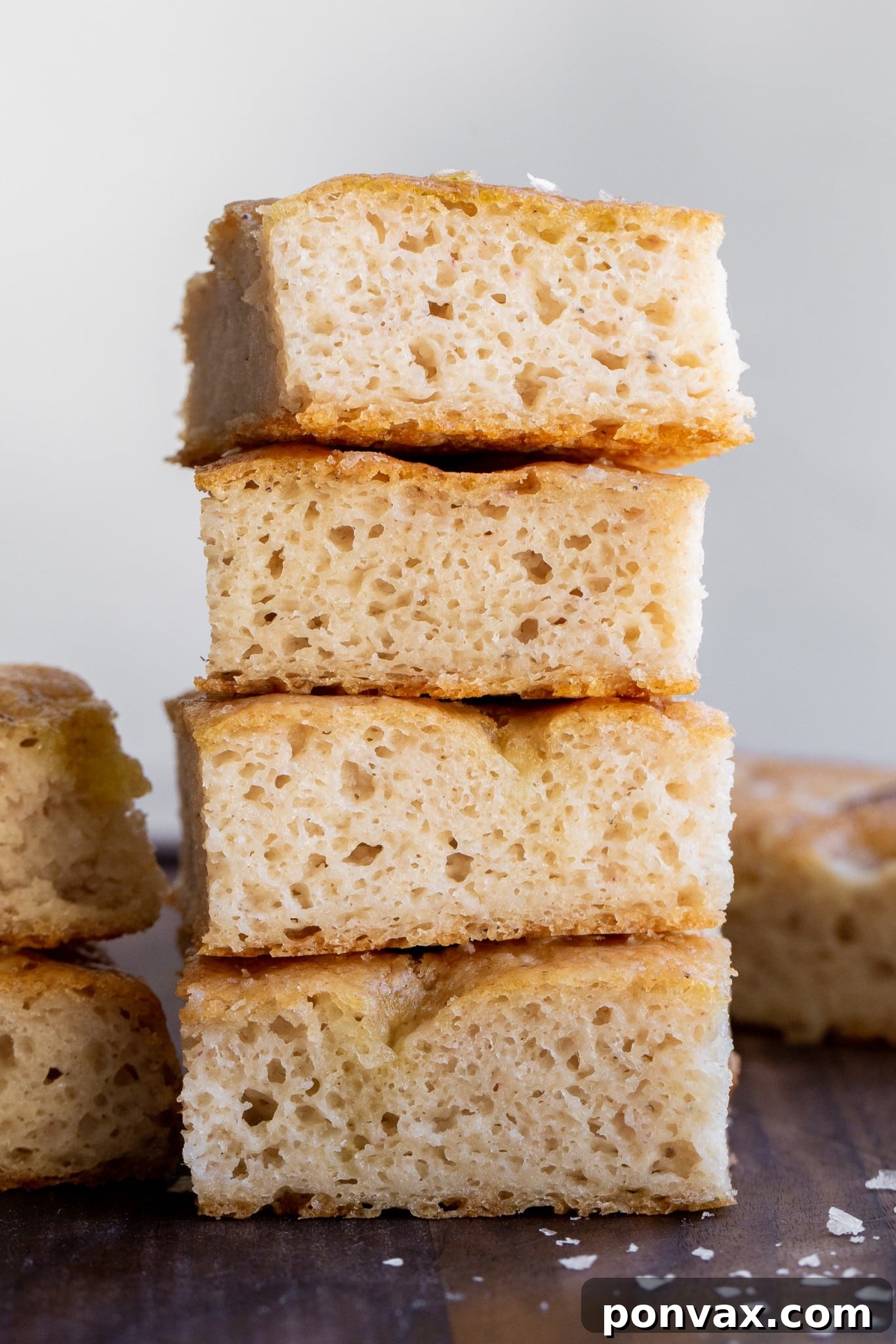
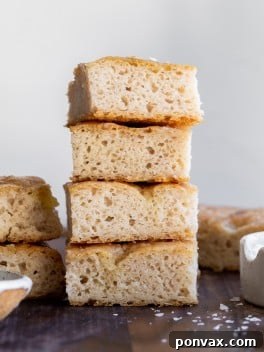
Indulge in the ultimate comfort food with this incredibly Easy Gluten-Free Focaccia Bread Recipe. Crafted with just eight wholesome ingredients, this dough comes together effortlessly, allowing you to enjoy warm, fluffy focaccia in under two hours, including essential rise time. Perfect for any dietary preference, this recipe is proudly vegan and free from the Top-8 common allergens, making it a truly inclusive treat for everyone at your table.
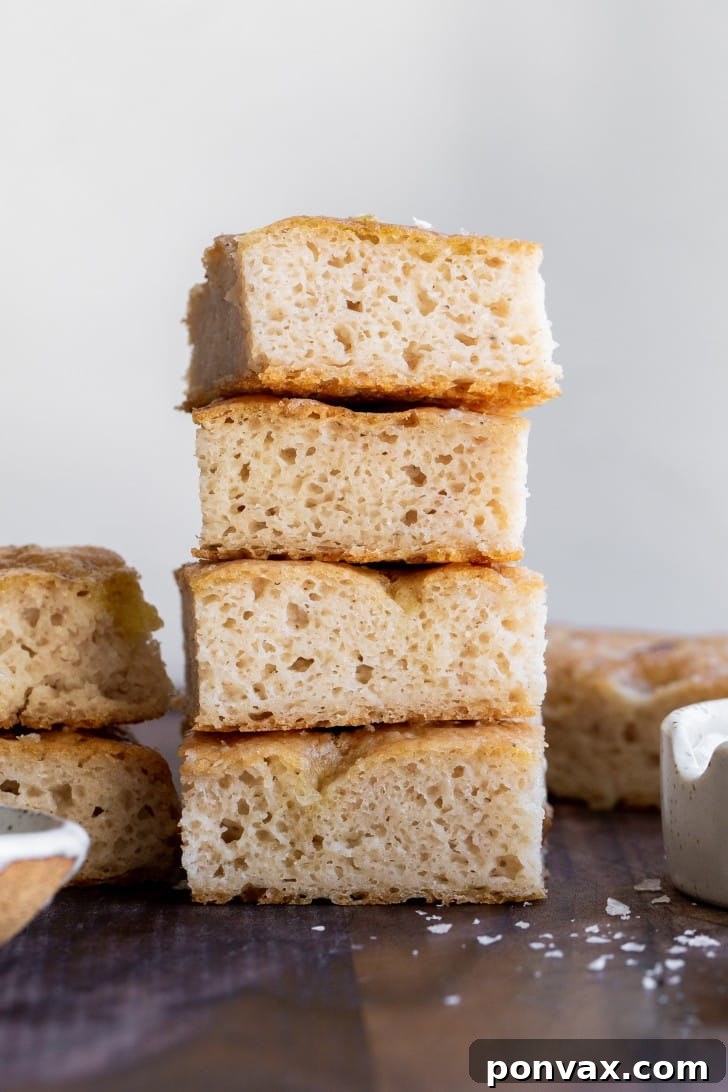
Discover the Magic of Homemade Gluten-Free Focaccia
Imagine tearing into a warm, fragrant piece of bread, its soft, airy crumb a testament to delicious baking. Now, imagine that bread is completely gluten-free, ready in less than two hours, and utterly delightful. This isn’t a dream; it’s the reality with our easy gluten-free focaccia recipe! Focaccia, with its signature dimpled crust, generous olive oil infusion, and incredible versatility, stands as one of the culinary world’s finest breads. This particular recipe has been meticulously developed to bring you all the joy and satisfaction of traditional focaccia, without any gluten or common allergens. It’s a true labor of love that will make you swoon with every bite.
Whether you’re dipping it into a rich olive oil and balsamic vinegar blend, transforming it into a hearty sandwich bread, serving it alongside your favorite pasta dish, or simply enjoying it as a delightful piece of toast, this gluten-free focaccia is always a triumphant addition to any meal. Its fluffy texture and robust flavor make it an instant crowd-pleaser, proving that gluten-free baking can be just as, if not more, delicious than its conventional counterparts.
If this recipe captivates your palate, be sure to explore our extensive collection of gluten-free bread recipes for more delicious baking adventures!
Essential Ingredients for Perfect Gluten-Free Focaccia
Crafting exceptional gluten-free focaccia begins with understanding the role of each ingredient. Our recipe focuses on a select few, ensuring maximum flavor and an ideal texture without unnecessary complexity.
- Yeast & Sweetener: The dynamic duo behind any great risen bread. Active dry yeast is the leavening agent responsible for giving focaccia its characteristic airy pockets and fluffy texture. A touch of sweetener, such as maple syrup, honey, or cane sugar, isn’t just for flavor; it acts as vital food for the yeast, helping it activate properly and work its magic. Ensuring your yeast is fresh and the water is at the right temperature is key to a successful rise.
- Psyllium Husk: This unsung hero of gluten-free baking is crucial for binding the dough and providing structure where gluten would typically serve this purpose. Psyllium husk absorbs liquids, forming a gel that mimics gluten’s elasticity and pliability. This not only makes the dough incredibly workable but also contributes to the focaccia’s delightful chewiness, preventing it from being crumbly.
- Starch & Whole Grain Gluten-Free Flours: Achieving the perfect balance of texture and flavor in gluten-free bread requires a thoughtful combination of flours. Starchy flours like potato starch or tapioca starch provide lightness and tenderness to the crumb. When combined with nutrient-rich whole-grain gluten-free flours such as brown rice flour, sorghum flour, or quinoa flour, you get a focaccia that’s both flavorful and structurally sound, with a beautiful golden crust and a tender interior. This blend avoids the gritty texture sometimes associated with single-source gluten-free flours.
- Olive Oil: A defining characteristic of authentic focaccia. We use a generous amount of high-quality olive oil, both in the baking pan to create that irresistible crispy bottom and drizzled over the top of the dough before baking. The olive oil infuses the bread with its distinct Mediterranean aroma and flavor, contributing to its rich taste and delicate texture. It also plays a role in creating that beautifully golden and slightly crisp crust.
- Salt: Essential for enhancing all the flavors in the focaccia. A good quality sea salt not only seasons the bread itself but also balances the sweetness of the yeast activator and brings out the earthy notes of the olive oil. Flaky sea salt sprinkled on top just before baking adds a delightful textural contrast and visual appeal.
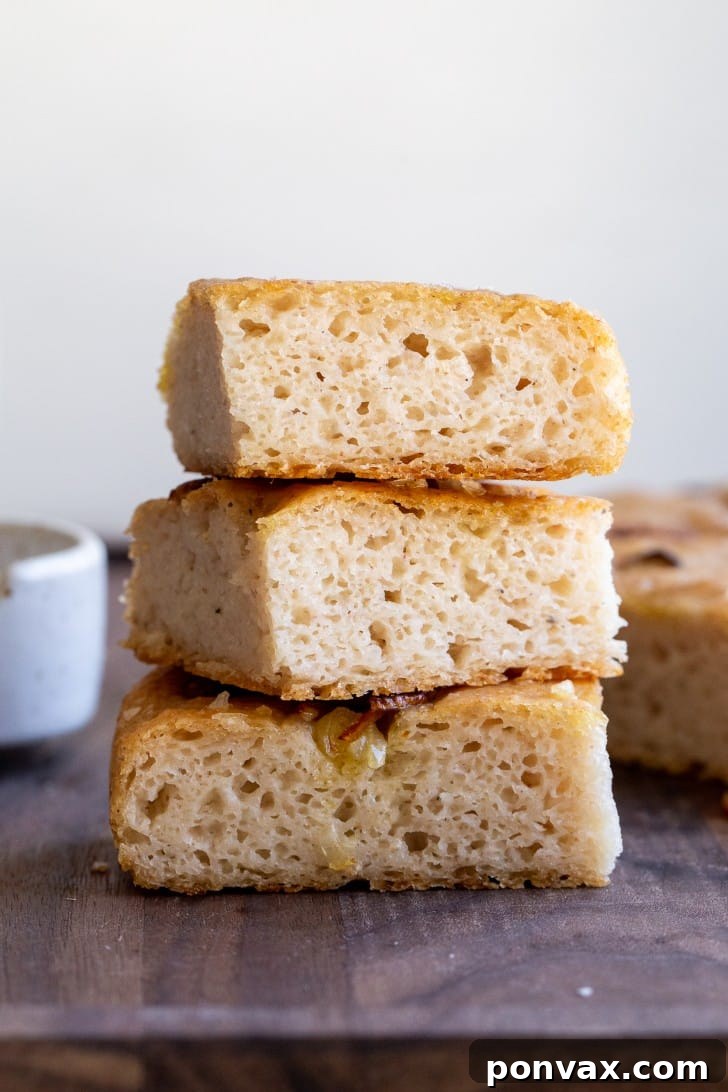
Crafting Your Own Fluffy Gluten-Free Focaccia: A Step-by-Step Guide
Making delicious gluten-free focaccia is simpler than you might think. Follow these clear steps to achieve a perfectly airy and flavorful loaf every time.
- Prepare Your Pan: Begin by generously greasing a 9×9 inch square baking pan with olive oil. This is crucial for preventing sticking and achieving a wonderfully crispy bottom crust. Set it aside.
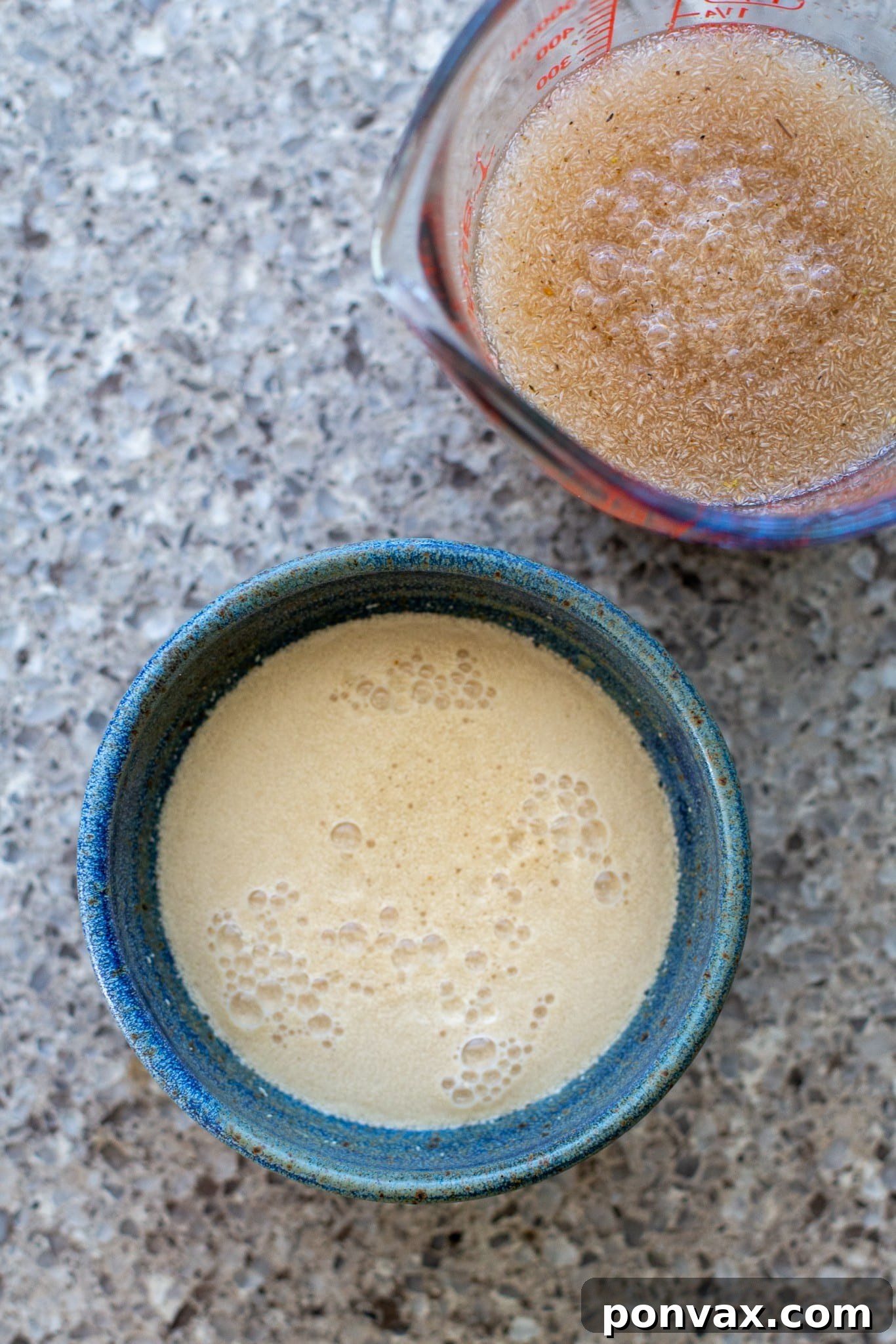
- Activate the Yeast: In a small bowl, combine your active dry yeast with the chosen sweetener (maple syrup, honey, or cane sugar) and warm filtered water. The water temperature is vital here: it should be between 100-110°F (38-43°C). It should feel very warm but not scalding to the touch. Allow this mixture to sit for 10 to 15 minutes. You’ll know the yeast is active when it becomes bubbly and develops a foamy layer on top. This indicates your yeast is alive and ready to make your bread rise beautifully.
- Prepare the Psyllium Gel: In a separate bowl or liquid measuring cup, whisk together the whole psyllium husk and room temperature filtered water. Let this mixture rest for about 5 minutes. The psyllium husk will absorb the water and thicken into a gel-like consistency, which is essential for giving the gluten-free dough its necessary structure and elasticity.
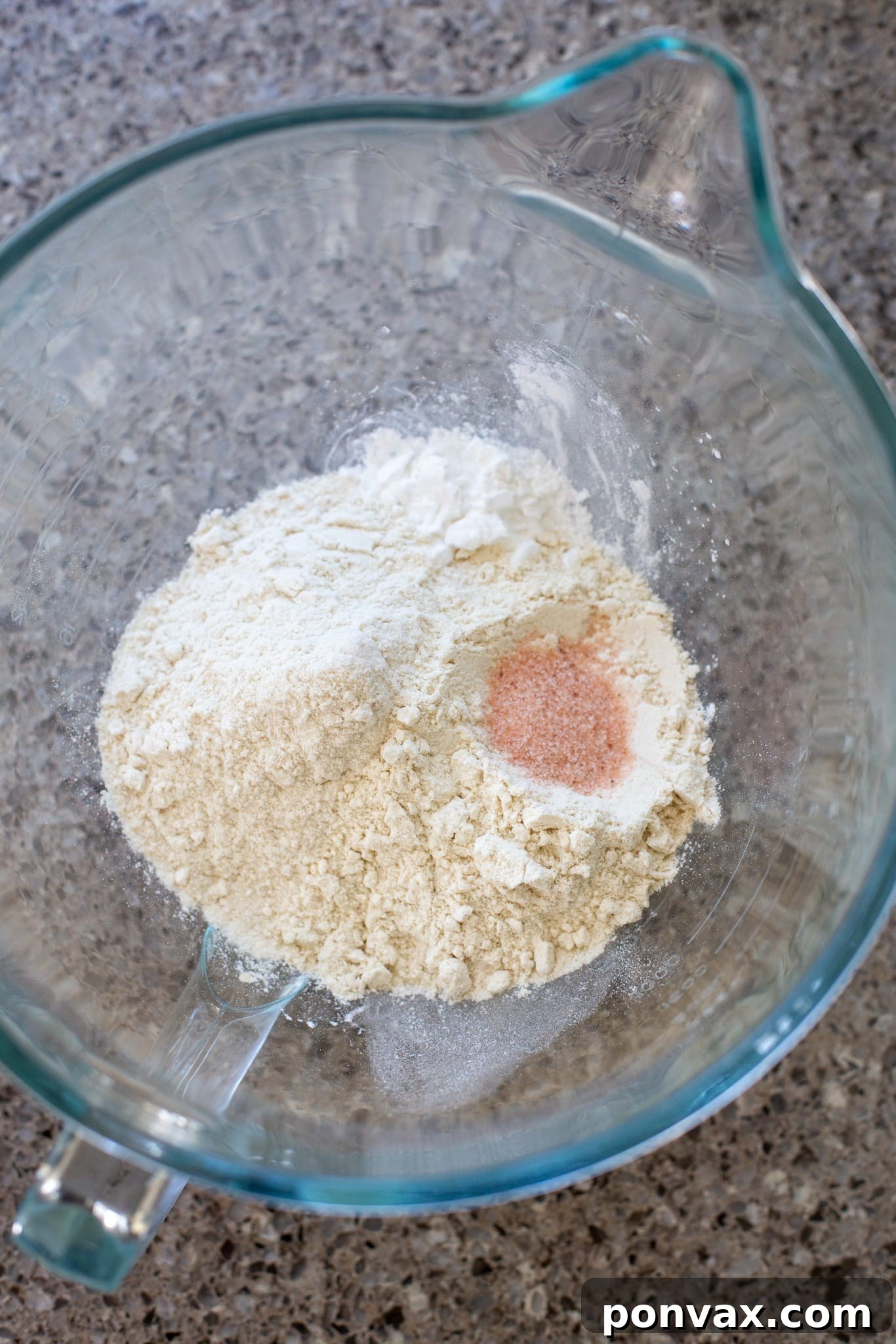
- Combine Dry Ingredients: In a large mixing bowl, or the bowl of a stand mixer fitted with a paddle attachment, thoroughly combine your chosen starch (potato, tapioca, or arrowroot) and whole grain gluten-free flours with the sea salt. Whisk them well to ensure an even distribution.
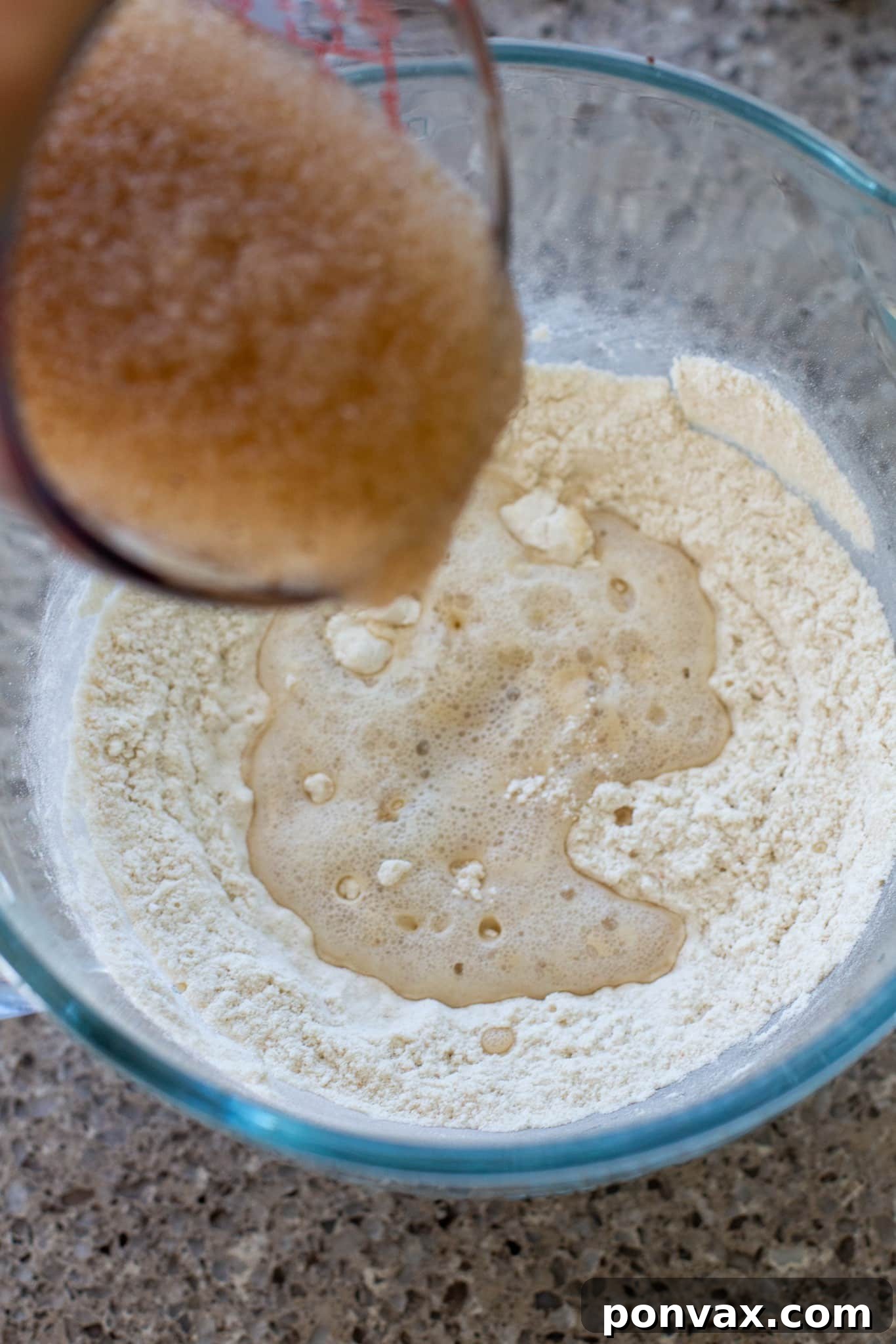
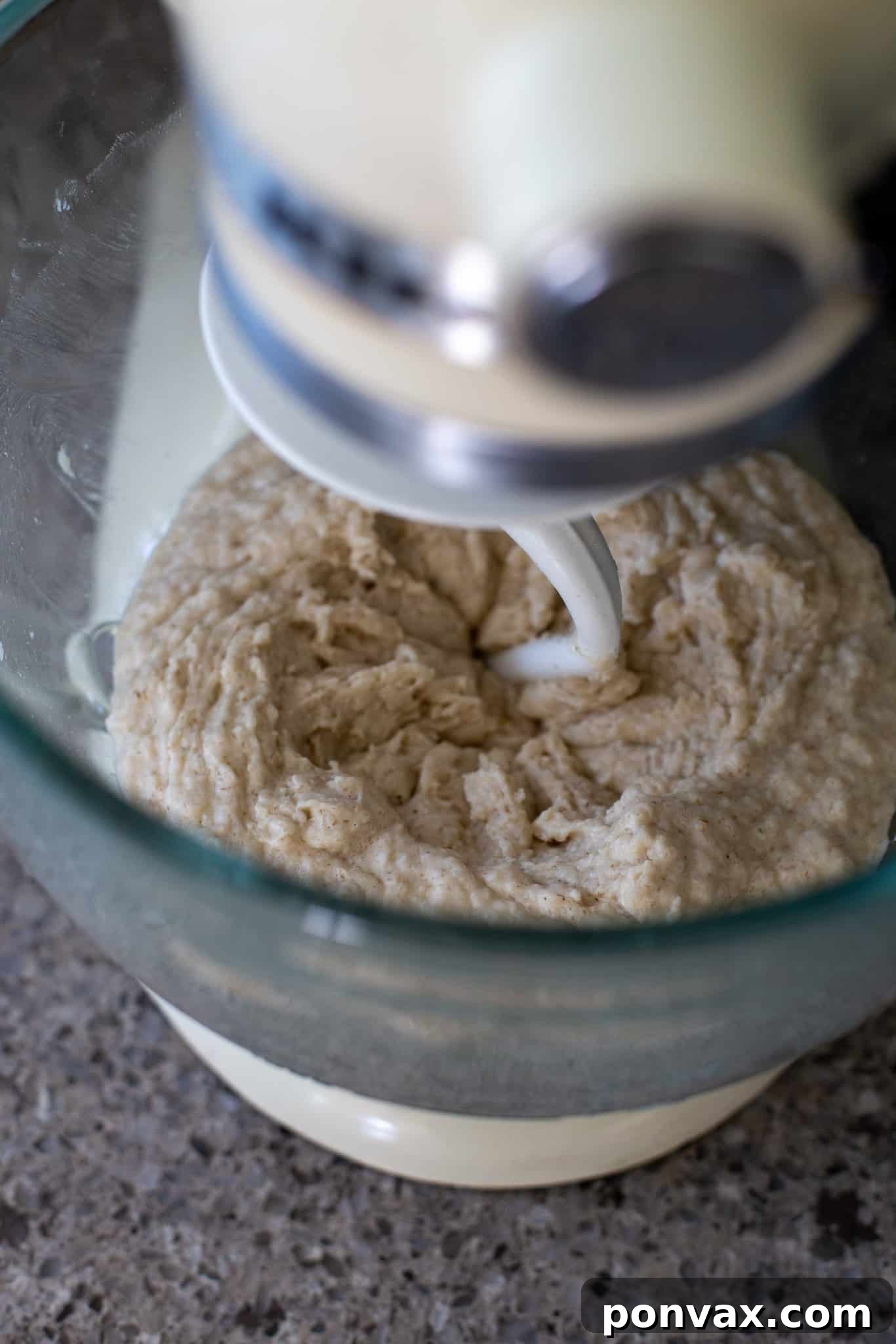
- Form the Dough: Add the activated yeast mixture and the thickened psyllium gel to the bowl with your dry ingredients. Mix on low speed, gradually increasing, until a smooth, cohesive dough forms. Make sure to scrape down the sides and bottom of the bowl frequently to ensure all the flour is fully hydrated and incorporated. Gluten-free dough can sometimes seem a bit sticky; if it does, let it rest for a few extra minutes to allow the psyllium and flours to fully absorb the liquid. This short rest can make a big difference in the dough’s workability.
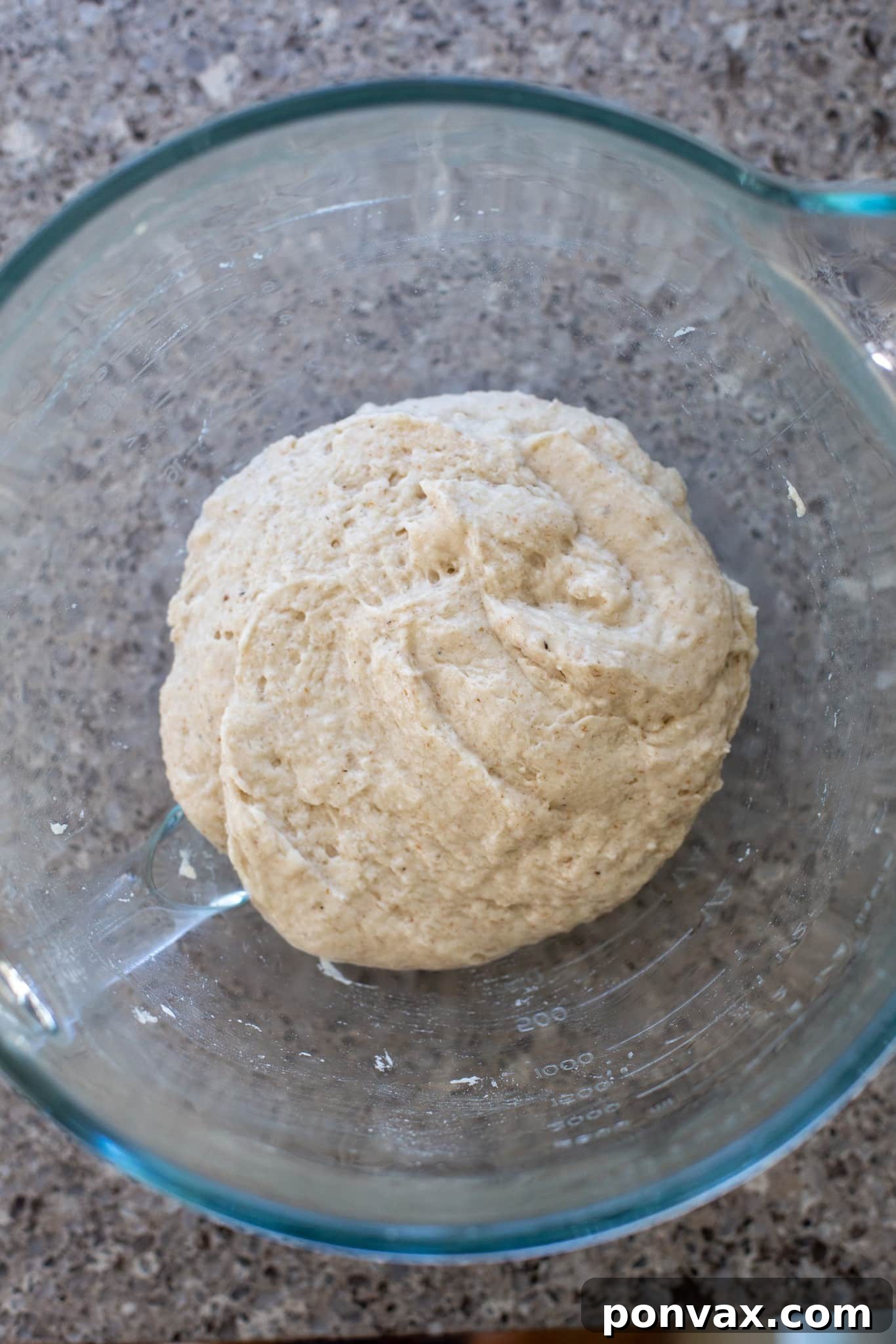
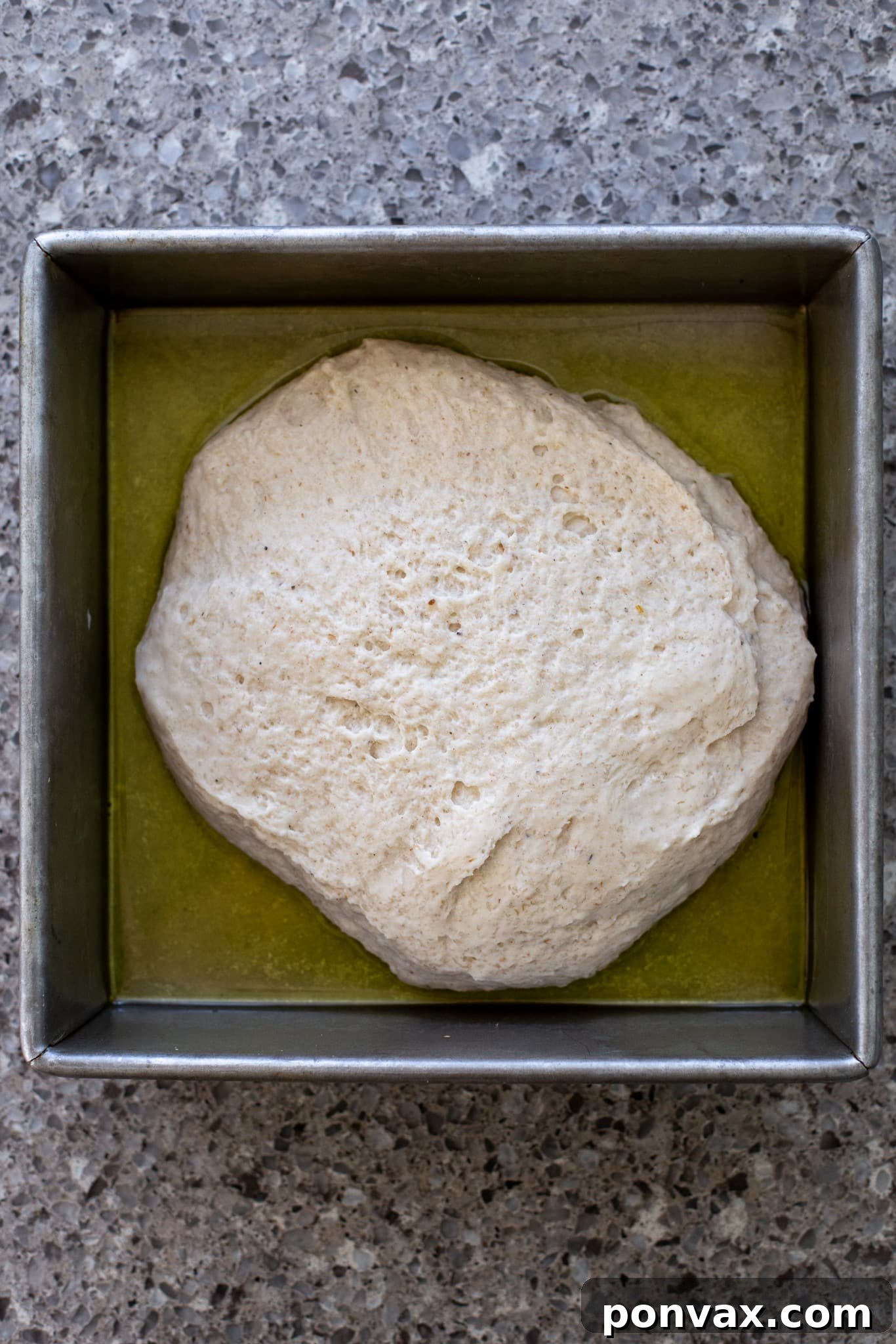
- First Rise: Gently press the dough evenly into your prepared, oiled baking dish. Alternatively, you can shape it to a similar size on a baking sheet if you prefer. Cover the pan loosely with plastic wrap or a clean kitchen towel and let it rise in a warm, draft-free spot for approximately one hour. During this time, the dough will become noticeably lighter and puffy, indicating the yeast has done its job. While it rises, preheat your oven to 425ºF (220°C).
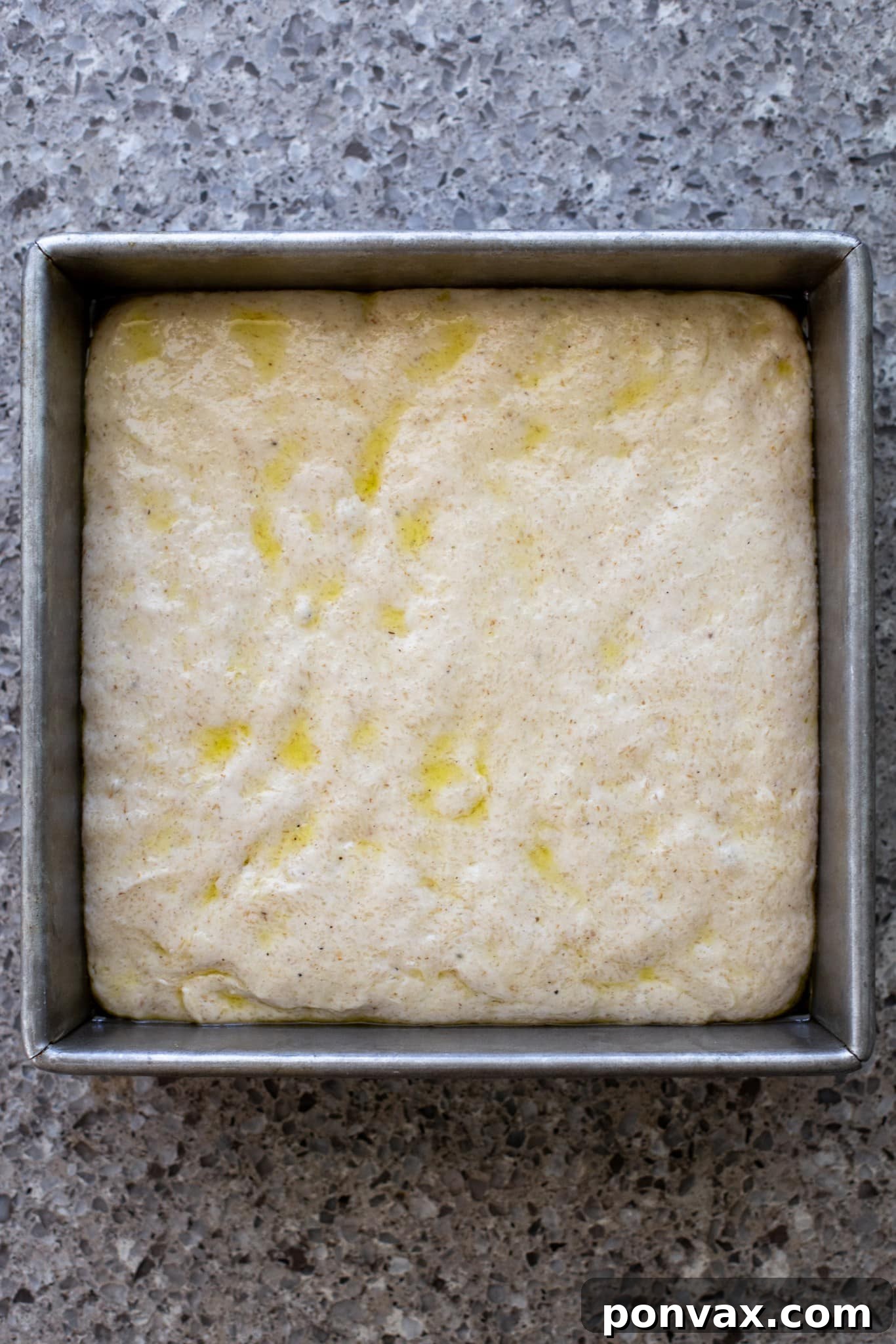
- Dimple and Top: Once the dough has sufficiently risen, uncover it. Drizzle a generous glug of high-quality olive oil over the entire surface of the dough. Then, using your fingers, gently press dimples into the dough. These indentations are characteristic of focaccia and help create pockets for the olive oil and toppings. Now is the perfect time to add any desired toppings or simply sprinkle with flaky sea salt for a classic finish.
- Bake to Perfection: Transfer the pan to your preheated oven and bake for 35 to 40 minutes, or until the top is beautifully golden brown and the focaccia is baked through. The internal temperature should register around 200-210°F (93-99°C) if you use an instant-read thermometer.
- Cool and Serve: As soon as the focaccia comes out of the oven, allow it to cool in the pan for about 30 minutes. Then, carefully remove it from the pan and transfer it to a wire baking rack to cool completely. This crucial step prevents the bottom from becoming soggy. While it’s delightful completely cooled, many find it absolutely irresistible served warm from the oven!
- Store for Enjoyment: This focaccia stores beautifully. For best results, follow our detailed storage instructions below.
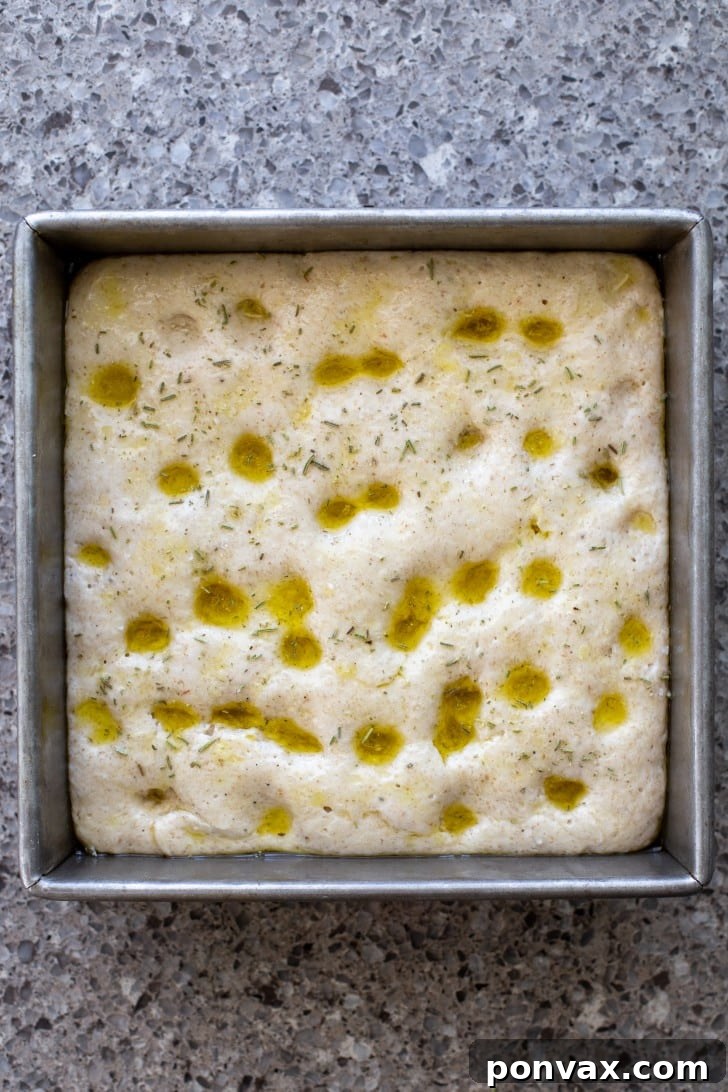
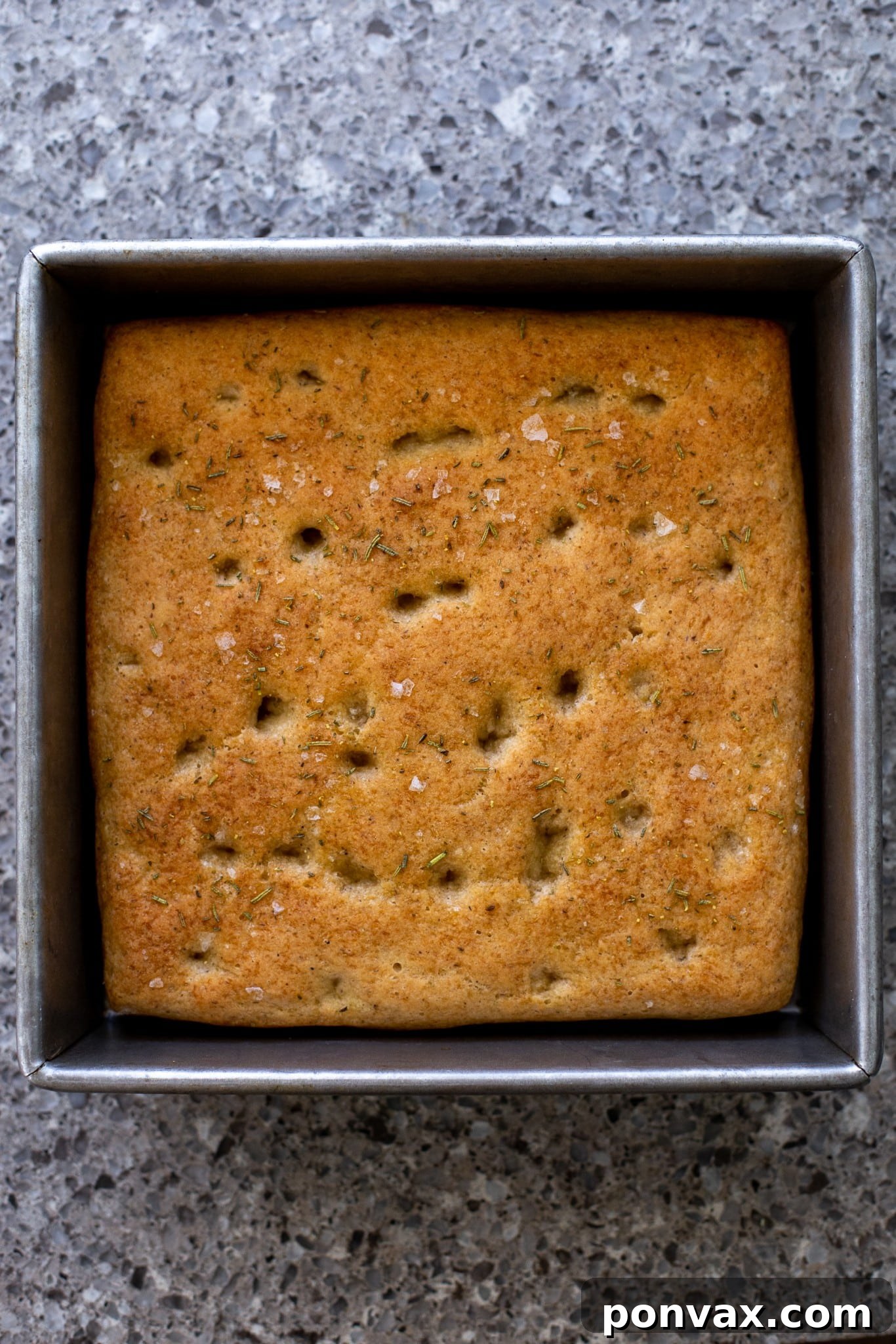
Creative Topping Ideas for Your Gluten-Free Focaccia
One of the most exciting aspects of focaccia is its incredible adaptability to various toppings. This is where you can truly let your culinary creativity shine! While a simple sprinkle of flaky sea salt is always exquisite, don’t hesitate to experiment. A quick search on Instagram or Pinterest will unveil a plethora of artistic and delicious ideas, but here are some popular and flavorful options to get you started:
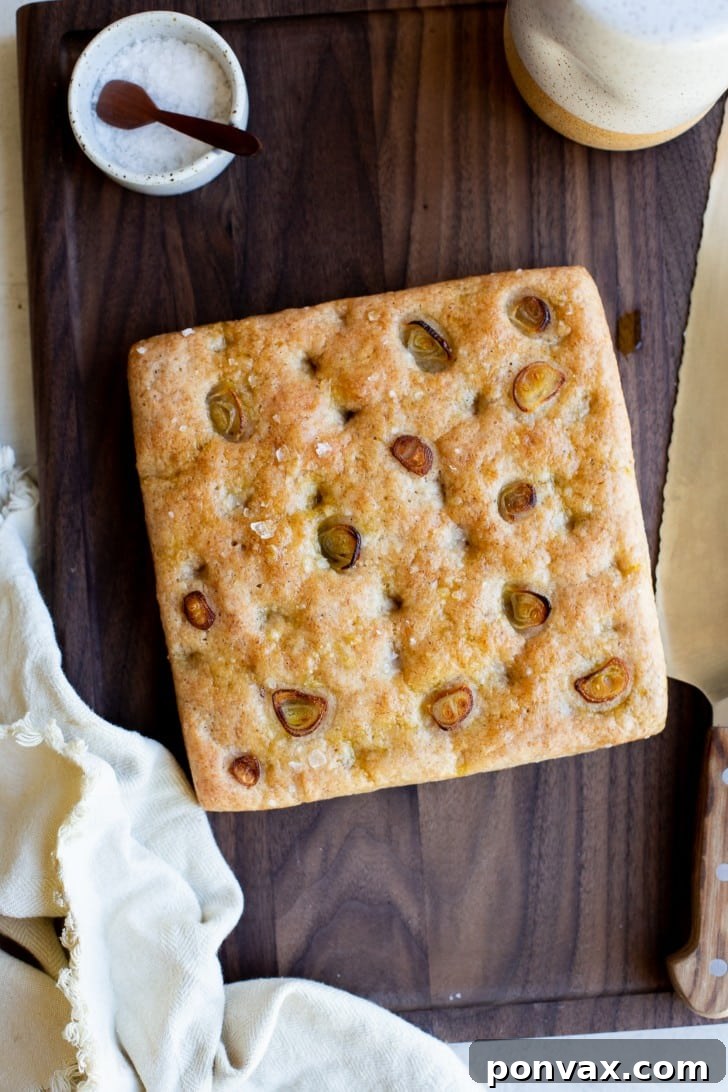
- Aromatic Alliums: Thinly sliced shallots (as seen in the photos) or red onions caramelize beautifully and add a subtle sweetness and tang.
- Fresh Herbs: Rosemary is a classic focaccia topping, offering a pungent, piney aroma. Thyme, oregano, or a mix of Italian herbs also work wonderfully, adding a fresh burst of flavor.
- Juicy Tomatoes: Sliced ripe heirloom tomatoes or halved cherry tomatoes burst with flavor and add a vibrant color to your focaccia.
- Rich Garlic: Roasted garlic cloves, pressed into the dough, provide a mellow, sweet garlic flavor that’s utterly irresistible.
- Sweet Peppers: Roasted red peppers, sliced into strips, offer a smoky sweetness and a tender texture.
- Tangy Artichokes: Marinated artichoke hearts, chopped and scattered over the dough, lend a delicious briny and tangy note.
- Olives: Pitted Kalamata or green olives, especially those marinated in herbs, are a fantastic savory addition.
- Cheesy Goodness (if not vegan): For those who aren’t vegan, a sprinkle of dairy-free or regular Parmesan cheese can add a lovely umami depth.
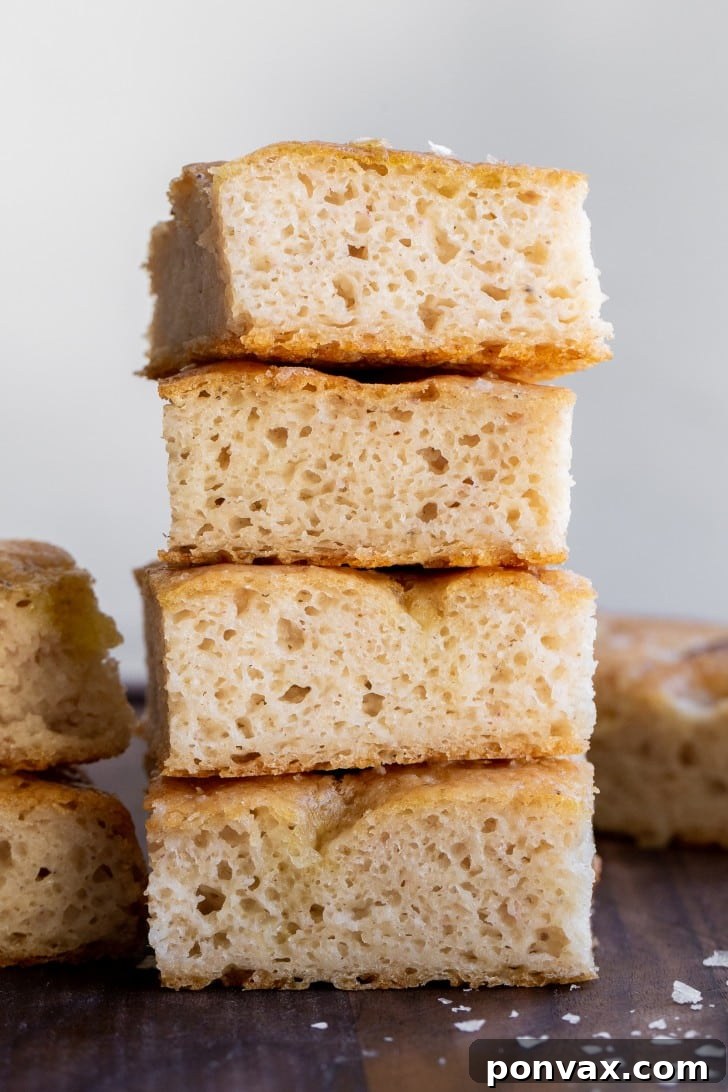
Top Tips for Baking the Best Gluten-Free Focaccia
Achieving bakery-quality gluten-free focaccia at home is entirely possible with a few key considerations. These expert tips will help ensure your bread is fluffy, flavorful, and perfectly risen every time.
- Ensure Yeast Freshness: Yeast is a living organism, and its freshness directly impacts your bread’s rise. Always check the expiration date on your yeast. If it’s old or has been stored improperly, it may not activate as effectively, resulting in a dense focaccia. An easy way to test freshness is during the activation step: if your yeast doesn’t bubble and foam, it’s likely no longer viable, and you should use a fresh batch.
- Precise Water Temperature for Yeast: The temperature of the water used to activate your yeast is critically important. If the water is too hot, it will kill the yeast, preventing it from activating. If it’s too cold, the yeast will remain dormant and won’t activate sufficiently. Aim for water between 100-110°F (38-43°C). It should feel pleasantly warm to your finger, similar to bathwater, but not uncomfortably hot. A kitchen thermometer can be a valuable tool here.
- Bake by Weight for Consistency: For superior and consistent baking results, especially with gluten-free recipes, a baking scale is indispensable. Measuring ingredients by weight (grams) rather than by volume (cups) provides far greater accuracy. Different flours have varying densities, and even factors like how you scoop flour can drastically change its weight. Using a scale eliminates these inconsistencies, ensuring your dough has the perfect hydration and ingredient balance every time. This precision is particularly vital in gluten-free baking where ingredient ratios are more sensitive.
- Don’t Skimp on Olive Oil: Focaccia is known for its rich olive oil flavor. Be generous when greasing the pan and drizzling oil over the dough before baking. This contributes to the delicious taste, a golden crust, and a tender interior.
- Allow Adequate Rise Time: While this is a relatively quick focaccia, don’t rush the rise. A full hour in a warm place allows the yeast to properly work, creating those desirable airy pockets. The dough should look and feel noticeably puffy.
Creative Ways to Serve Your Homemade Focaccia
Your freshly baked gluten-free focaccia is incredibly versatile and can elevate a wide range of meals and snacks. Its tender crumb and savory flavor make it a perfect accompaniment to almost any dish.
One of the most classic and delightful ways to enjoy focaccia is warm from the oven, paired with an exquisite olive oil dipping sauce. Elevate your dipping experience by infusing good quality olive oil with aromatic herbs like dried oregano, fresh rosemary, and fragrant thyme. For those who appreciate a touch of warmth, a pinch of chili flakes can add a lovely subtle heat. A splash of rich balsamic vinegar swirled into the oil also creates a wonderfully tangy counterpoint that complements the bread beautifully.
Beyond dipping, focaccia can be a fantastic foundation for other culinary creations:
- Sandwich Bread: Slice your focaccia horizontally to create incredibly flavorful and sturdy sandwich bread. It holds up well to various fillings, from classic deli meats and cheeses to roasted vegetables or a vegan tempeh BLT.
- Accompaniment to Italian Meals: Serve generous slices alongside your favorite pasta dishes, a fresh green salad, or any other Italian-style dinner. Its porous texture is perfect for soaking up rich sauces.
- Marinara Dipping: For a simple yet satisfying appetizer, cut focaccia into strips and serve with a warm bowl of your favorite marinara sauce for dipping.
- Garlic Bread: Transform leftover focaccia into a gourmet garlic bread. Simply brush slices with melted vegan butter or olive oil infused with minced garlic and herbs, then bake until golden and crisp.
- Homemade Croutons: Cut day-old focaccia into cubes, toss with olive oil and your favorite seasonings, then bake until crisp to make delicious gluten-free croutons for soups and salads.
No matter how you choose to serve it, this gluten-free focaccia promises to be a memorable and enjoyable part of your meal.
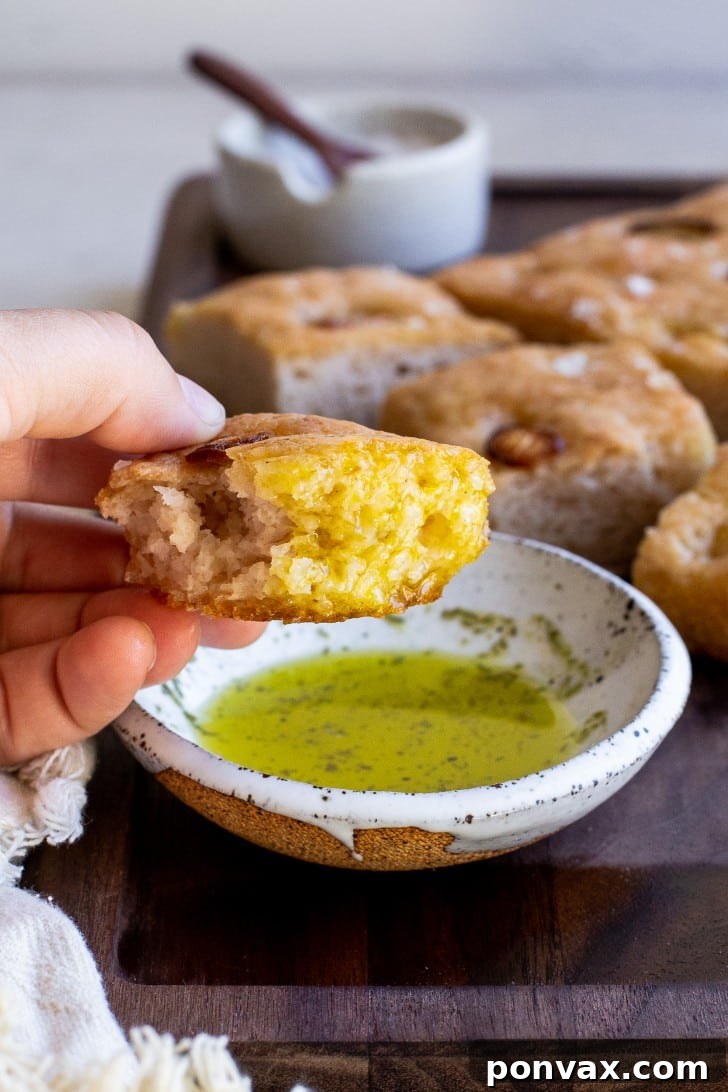
Storage and Reheating for Optimal Freshness
To ensure your gluten-free focaccia remains as delicious as the day it was baked, proper storage and reheating are essential. While it’s best enjoyed fresh, this focaccia can be stored to extend its life, making it a great option for meal prep or enjoying later.
- Room Temperature: For immediate enjoyment, store your focaccia in an airtight container at room temperature for up to two days. This method keeps the crust from getting too soft and the crumb fresh.
- Refrigerator: If you need to store it longer, transfer the focaccia to an airtight container and place it in the refrigerator. It will stay fresh for up to a week. Refrigeration can sometimes alter the texture of bread, making it a bit firmer, but reheating will restore much of its original softness.
- Freezer: For longer-term storage, slicing the focaccia before freezing is highly recommended. Place individual slices or small portions in an airtight container or a freezer-safe bag, ensuring as much air is removed as possible. This prevents freezer burn. Stored this way, focaccia can last in the freezer for up to six months. Freezing in slices allows you to thaw and reheat only what you need, minimizing waste.
To Reheat: To bring your focaccia back to its glorious, warm, and crisp state, whether it’s from room temperature or frozen, preheat your oven to 400℉ (200°C). Place the focaccia (thawed if frozen) directly on the oven rack or on a baking sheet. Heat for approximately 5 minutes, or until it is thoroughly warmed through and the crust has regained its delightful crispness. Avoid microwaving, as this tends to make bread chewy rather than crispy.
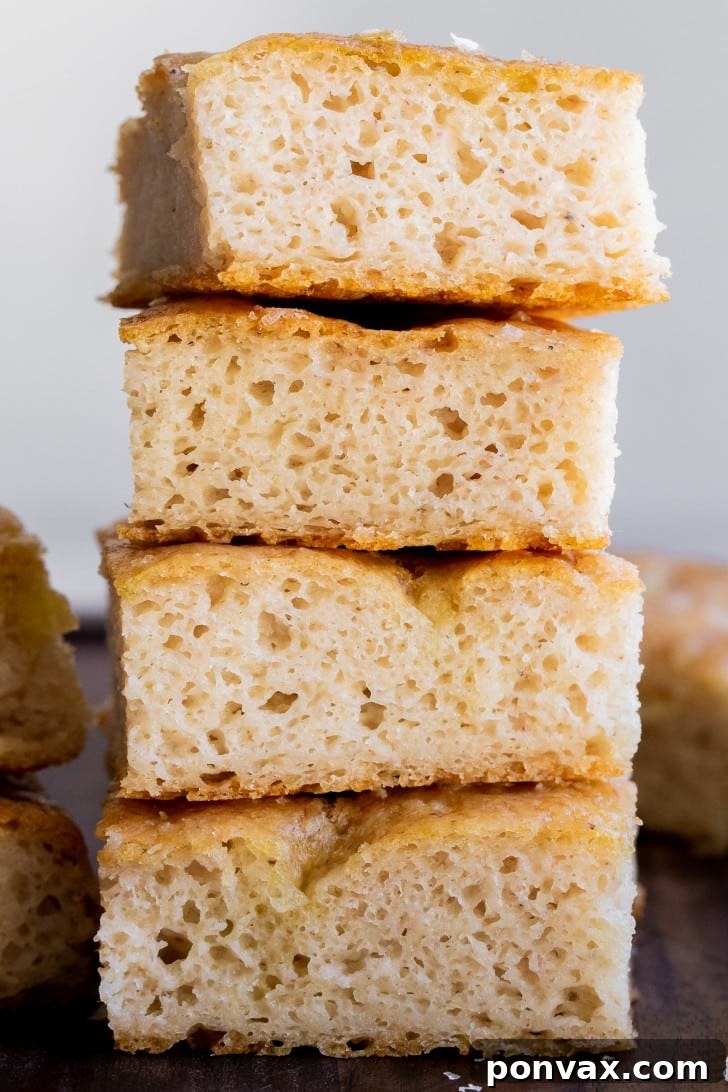
Helpful Tools for Your Gluten-Free Focaccia Journey
To make your focaccia baking experience as smooth and successful as possible, here are some recommended tools that can make a significant difference in your results:
Buy Now →
Buy Now →
Buy Now →
Buy Now →
Buy Now →
Buy Now →
Explore More Gluten-Free Bread Recipes
If you’ve enjoyed baking and savoring this incredible gluten-free focaccia, you’re in for a treat! Our collection of gluten-free bread recipes is designed to bring joy and deliciousness to your kitchen, proving that a gluten-free diet doesn’t mean sacrificing flavor or texture. Dive into these other fantastic options:
- Homemade Gluten-Free Bread: A classic loaf perfect for sandwiches, toast, or alongside any meal.
- The Best Gluten-Free Pizza Crust: Achieve pizzeria-quality pizza night with a crust that’s both crispy and chewy.
- Gluten-Free Bagels: Enjoy perfectly chewy and delightfully textured bagels, ideal for breakfast or a hearty brunch.
- Gluten-Free Cinnamon Raisin Bread: A sweet and comforting bread, wonderful for breakfast or a snack, toasted with a dollop of butter or cream cheese.
- Easy Gluten-Free Sourdough Focaccia: For those who love the tangy depth of sourdough, this focaccia version offers a unique flavor profile and an even more complex crumb.
Easy Gluten-Free Focaccia Bread
This Easy Gluten-Free Focaccia Bread Recipe has just eight ingredients and the dough comes together quickly and easily! This fluffy focaccia can be made with a wide variety of toppings and is ready in under two hours, including the rise time. Vegan & Top-8 allergen-free.
You’ll need a good kitchen scale for this recipe for the most delicious and consistent results!
Pin Recipe
Ingredients
To activate the yeast
- 7 g (2.5 tsp) active dry yeast
- 100 g warm filtered water
- 20 g maple syrup, honey or cane sugar
For the loaf
- 12 g whole psyllium husk
- 275 g filtered water, room temperature
- 80 g starch of your choice, such as potato starch, tapioca starch, or arrowroot starch
- 220 g gluten-free whole grain flours of your choice, such as a combination of sorghum flour, brown rice flour, quinoa flour, buckwheat flour, millet flour, etc.
- 10 g sea salt
- Olive oil
Instructions
- Grease a 9×9″ square baking pan with a generous amount of olive oil; set aside.
- In a small bowl, combine the yeast with the sweetener of your choice and warm water, between 100-110℉ (38-43°C). It should feel very warm, but not too hot, to the touch. Let it sit to activate for about 10 to 15 minutes. You should notice it start to bubble, and then it will get nice and foamy on top.
- Combine the psyllium husk and the water in a bowl or liquid measuring cup. Let it thicken and gel up for about 5 minutes.
- In a large bowl or the bowl of a stand mixer, combine the starch, flour, and salt. Add in the activated yeast mixture and thickened psyllium gel mixture. Mix until a smooth dough forms, making sure to scrape down the sides and the bottom to make sure all of the flour is hydrated. If the dough seems sticky, let it rest for a few more minutes to let the psyllium and flours absorb.
- Press into your prepared baking dish, or press it into a similarly sized shape on a baking sheet.
- Let rise for 1 hour at warm room temperature. While the dough rises, preheat the oven to 425ºF (220°C). The dough will feel lighter and puffy when it’s ready.
- When it’s fully risen, drizzle the dough with a healthy glug of olive oil and use your fingers to press dimples into the dough.
- Add toppings if desired, or just sprinkle with flaky sea salt.
- Bake for 35 to 40 minutes, or until golden brown and baked through.
- Let cool for 30 minutes and then remove from the pan and allow to cool completely on a wire baking rack (this keeps the bottom from getting soggy). You can also serve this one while it’s still warm – it’s so delicious that way!
- Store at room temperature for two to three days, in the fridge for up to a week, or slice and freeze in an airtight container for up to six months.
Did you make this recipe?
We’d love to hear from you! Please consider leaving a star rating and review!