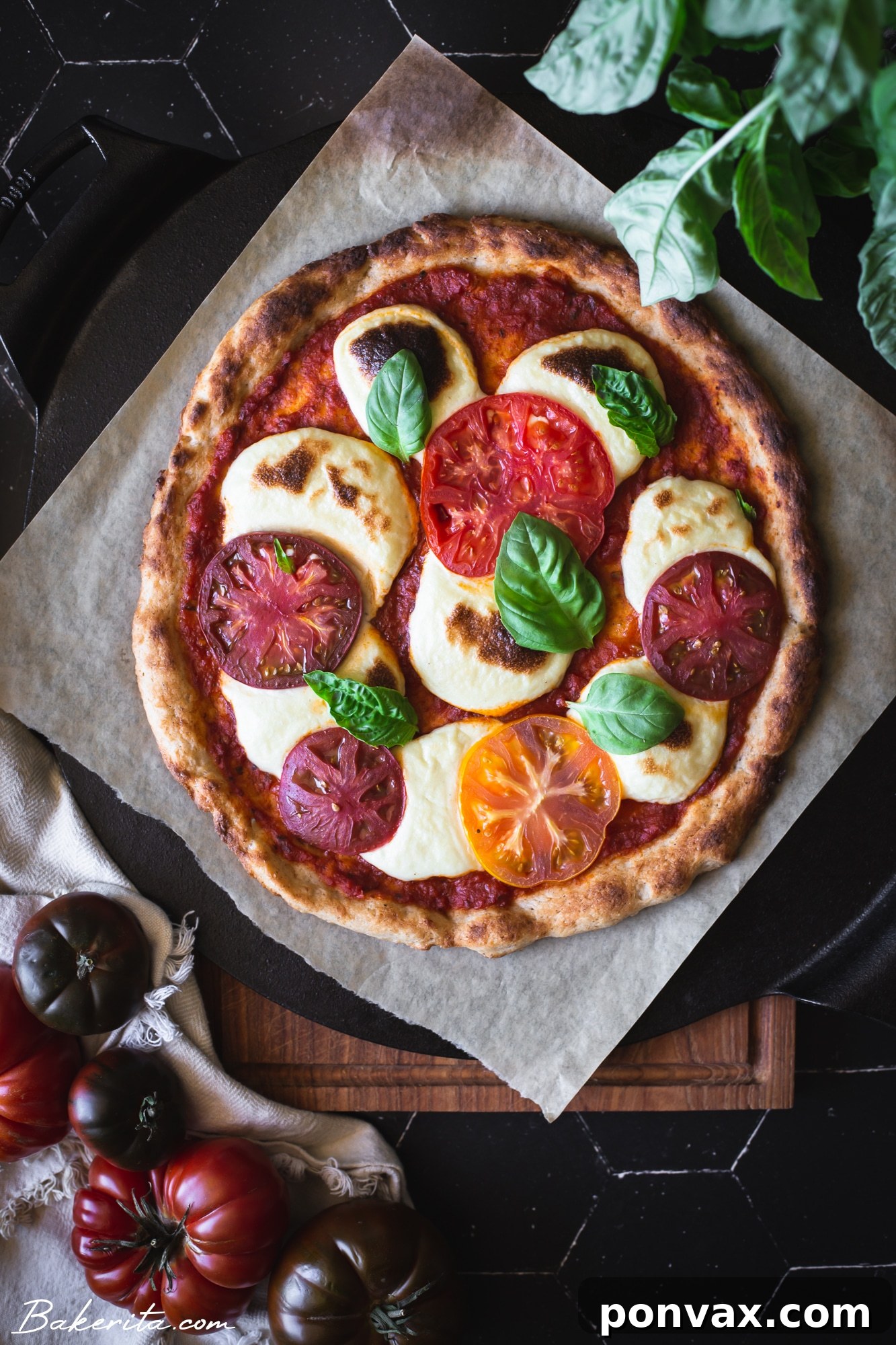
Embark on a culinary adventure with this incredible Gluten-Free Sourdough Pizza Crust recipe! Requiring just six simple ingredients, a mere 10 minutes of active prep time, and a single bowl for mixing, this easy sourdough discard pizza dough is not only naturally gluten-free but also completely vegan. Get ready to create a masterpiece that will revolutionize your homemade pizza nights. A special thank you to Lodge Cast Iron for their generous sponsorship of this post, making it possible to achieve that perfectly crispy crust we all crave!
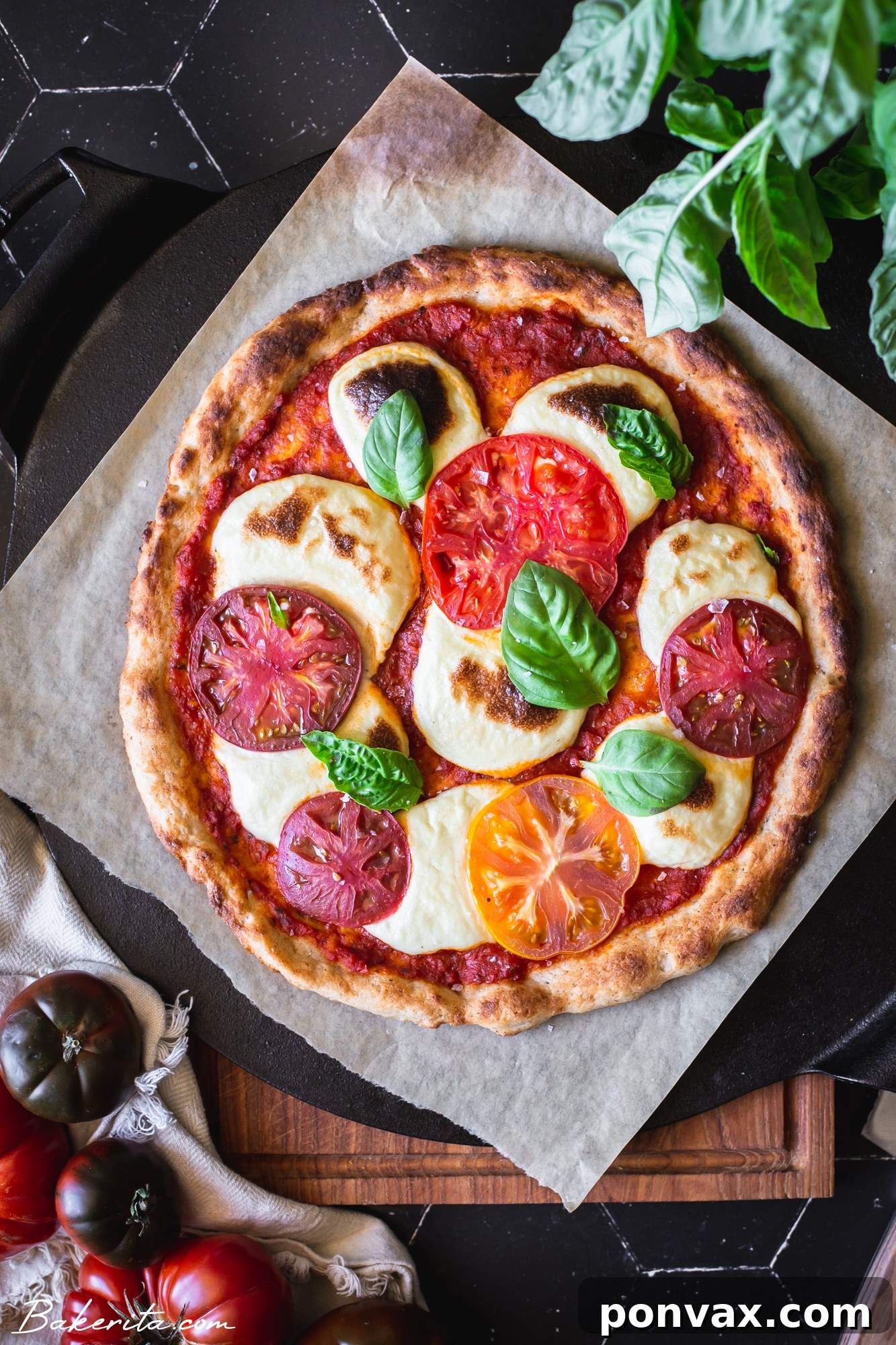
There’s an undeniable joy that comes from baking your own bread, especially when you master the art of gluten-free sourdough. Since sharing my popular gluten-free sourdough bread recipe, I’ve been overwhelmed by the enthusiastic feedback from so many first-time bakers who have discovered the empowering and incredibly fun world of gluten-free sourdough. It’s truly magical to transform a simple starter into delicious, wholesome bread. Many readers, just like me, have become completely obsessed with this rewarding baking journey.
However, once you’ve perfected your gluten-free sourdough loaf, it’s natural to want to explore other exciting ways to utilize your active sourdough starter and that valuable sourdough discard. You might consider venturing into delightful treats like these Gluten-Free Sourdough Chocolate Chip Cookies, or perhaps the delicate Gluten-Free Vegan Sourdough Scones? Both are fantastic options, but my latest culinary obsession, without a doubt, is this extraordinary recipe for gluten-free and vegan sourdough pizza crust. It delivers on every front, embodying all the qualities you look for in a perfect homemade pizza base:
- Effortlessly Simple: Designed for ease, even for novice bakers.
- Minimal Ingredients: Requires only SIX essential ingredients.
- One-Bowl Wonder: All mixing happens in a single bowl for quick cleanup.
- Rapid Prep Time: Just ten minutes of hands-on preparation.
- Versatile Starter Use: Works beautifully with both active starter and fresh sourdough discard.
- Customizable Texture: Achieve either a delightfully thin and crispy crust or a thicker, wonderfully fluffy base.
- Superior Crispness: Baked on the renowned Lodge Cast Iron Pizza Pan for an unparalleled crispy bottom.
- Robust & Reliable: Firm enough to hold a generous array of your favorite toppings without sagging.
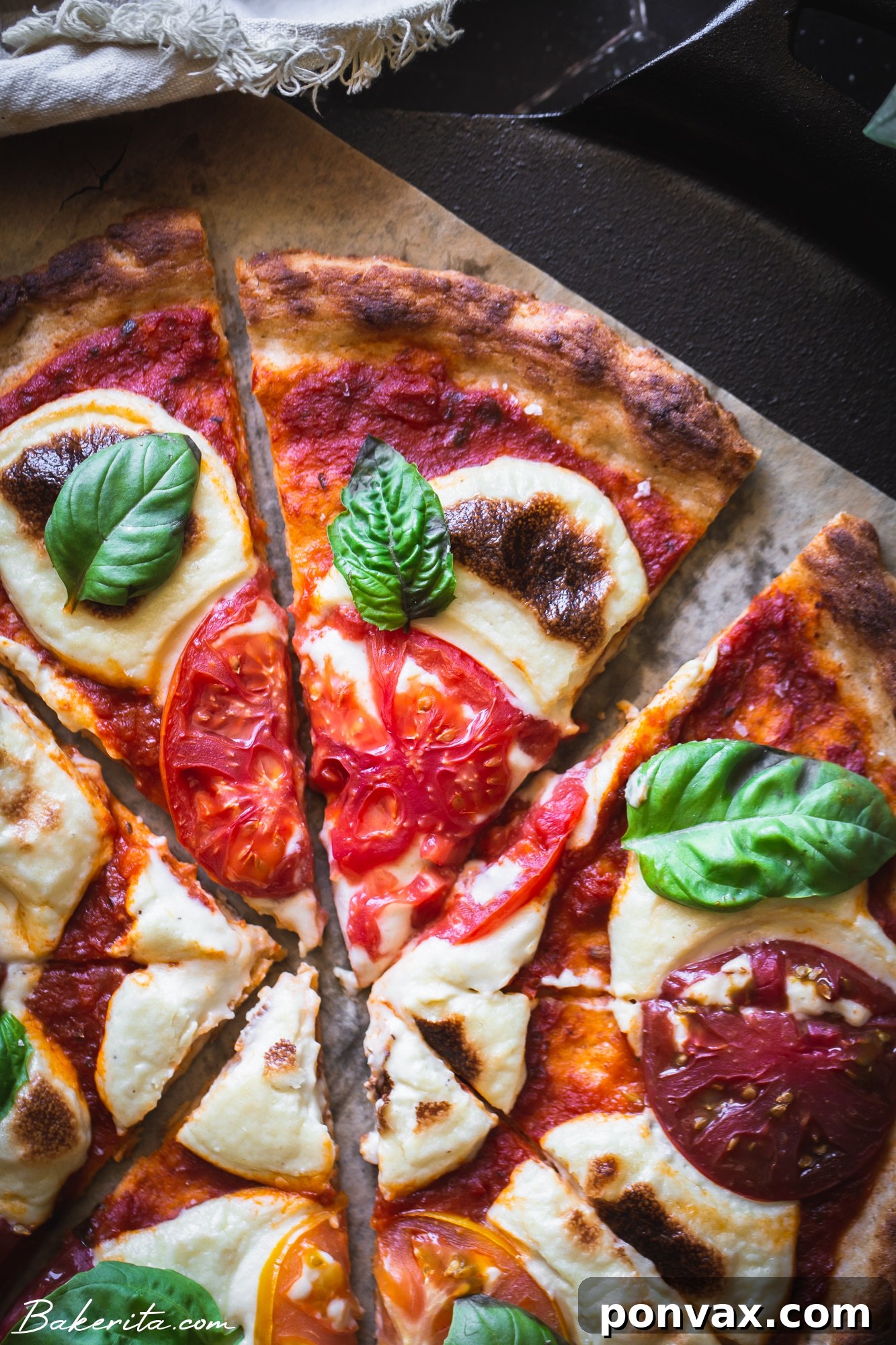
I am absolutely thrilled to collaborate with Lodge Cast Iron for this recipe! Their commitment to quality and affordability shines through in every product. As a brand proudly made in the USA, Lodge offers durable, high-performing cast iron cookware that is incredibly easy to care for and only improves with age and use. Their impressive bakeware line is truly exceptional, especially for crafting gluten-free sourdough creations. The specific Pizza Pan featured in this recipe is an absolute game-changer, instrumental in achieving that perfectly golden and exquisitely crispy crust that elevates homemade pizza to restaurant-quality levels.
“This recipe is AMAZING. Our family just recently went gluten-free for a couple family members, and I’ve been trying to do gluten-free sourdough, and this is the best gluten-free substitute I’ve found so far. This tastes pretty much exactly like regular pizza crust….This recipe is definitely a keeper.”
— Comment from Lady E
Essential Ingredients for Your Gluten-Free Sourdough Pizza Crust
As I mentioned, this remarkable recipe calls for just six primary ingredients. However, when you consider that two of those are simply water and salt – staples in virtually any kitchen – you’re essentially working with only four core components! This streamlined ingredient list makes the process incredibly accessible. Here’s a closer look at what you’ll need and why each element is crucial for creating the perfect gluten-free sourdough pizza dough:
- Gluten-Free Sourdough Starter: The heart of our pizza crust, providing both flavor and leavening. If you haven’t made one yet, I provide detailed instructions in my Instagram highlights. For this recipe, your starter doesn’t necessarily need to be at peak activity; it can be “fed” and have gone through its full rise and fall cycle. However, it’s best to use fresh discard, ideally from a recent feeding, rather than old discard that has been languishing in your refrigerator for several days. Fresh discard offers optimal flavor and a more consistent dough texture.
- Psyllium Husk: This is our gluten substitute and a superstar ingredient in gluten-free baking. Psyllium husk acts as a powerful binder, mimicking the elastic properties of gluten. It’s responsible for giving the pizza crust a wonderful chewiness and significantly improves the dough’s workability, making it easier to handle and shape. For a deeper understanding of psyllium husk’s vital role in gluten-free bread baking, refer to this comprehensive post. Ensure you use whole psyllium husks, not the powdered variety, as they absorb liquid differently.
- Water: Crucial for hydrating the dough and activating the psyllium husk. When mixed with psyllium, it forms a viscous gel that binds the flours together, resulting in a smooth, pliable, and perfectly hydrated dough. I always recommend using filtered water to ensure the purest flavor and best results, as chlorine in tap water can sometimes interfere with sourdough activity.
- Starch: Starches contribute to the crust’s light texture and crispness. I’ve primarily tested this recipe with potato starch, which yields excellent results. However, tapioca flour (also known as tapioca starch) or arrowroot flour are equally effective substitutes and will help achieve a delightfully crispy exterior and tender interior.
- Gluten-Free Whole Grain Flours: These flours provide structure, flavor, and nutritional depth to our pizza crust. I’ve successfully tested combinations of brown rice flour, quinoa flour, and sorghum flour. The beauty of this recipe is its flexibility; any combination of your favorite whole grain gluten-free flours should work well, allowing you to customize the flavor profile slightly.
- Salt: Beyond enhancing the overall flavor, salt plays a crucial role in regulating fermentation in sourdough. It also strengthens the dough’s structure and helps in achieving that desirable browning during baking. I personally prefer using fine sea salt or pink Himalayan salt for their balanced mineral content and clean taste.
Crafting Your Perfect Gluten-Free Sourdough Pizza Dough: A Step-by-Step Guide
Creating this gluten-free sourdough pizza dough is surprisingly straightforward and incredibly rewarding. Follow these simple steps for a flawless dough every time:
- Initiate the Psyllium Gel: In a large mixing bowl (or the bowl of your stand mixer), combine the psyllium husk with the filtered water. Whisk them together thoroughly. Allow this mixture to rest for approximately 5 minutes. During this time, the psyllium will absorb the water and thicken into a gel-like consistency, which is vital for binding the gluten-free flours.
- Incorporate the Sourdough Starter: Add your gluten-free sourdough starter (active or fresh discard) to the psyllium gel mixture. Mix well until the starter is fully incorporated, ensuring a homogeneous blend that will kickstart the fermentation process.
- Add Dry Ingredients & Mix: Introduce the starch, your chosen gluten-free whole grain flours, and salt into the bowl. Mix everything thoroughly, either by hand with a sturdy spoon or spatula, or using the dough hook of a stand mixer on a low speed. Continue mixing until a smooth, uniform dough forms. The dough will be soft, but it should come together and be manageable. If it feels excessively sticky, let it rest for an additional few minutes (5-10) to allow the psyllium and flours to fully absorb any remaining moisture. The amount of psyllium husk you use (within the recommended range) will influence the dough’s firmness – more psyllium generally leads to a slightly firmer, easier-to-handle dough at this stage.
- Prepare for Rising – Choose Your Crust Thickness: Decide whether you prefer a thick or thin crust. For a deliciously thick, fluffy crust, keep the dough as a single ball and transfer it to a lightly greased bowl. If you desire two thinner, crispier crusts, divide the dough in half, form each portion into a ball, and place them in separate greased bowls.
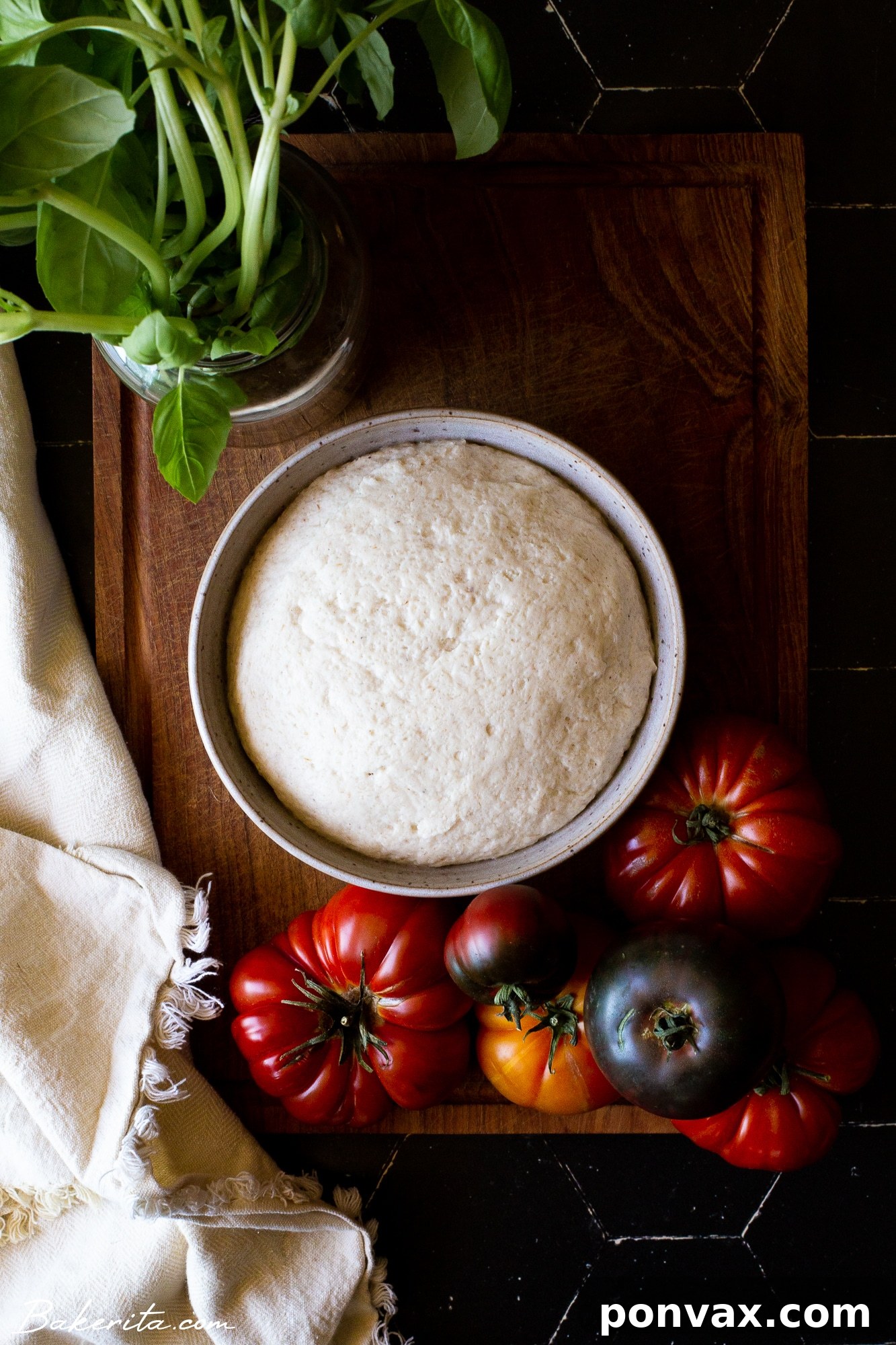
- Allow the Dough to Rise: Cover the bowl(s) loosely with plastic wrap or a damp kitchen towel. Let the dough rise at room temperature for approximately 3 hours. Alternatively, for a longer, slower fermentation that can deepen the flavor, you can place the dough in the refrigerator to rise for up to 24 hours. The goal is to see a noticeable increase in volume and a slightly puffy, airy texture.
Optimizing Dough Rest and Fermentation
The resting period is a crucial stage for developing both the flavor and texture of your gluten-free sourdough pizza crust. Ideally, the dough should rest for about 3 hours at a comfortable room temperature. This allows the sourdough starter to work its magic, fermenting the flours and creating those wonderful pockets of air that give the crust its lightness. Alternatively, for those who appreciate a deeper, more complex sourdough flavor and a convenient make-ahead option, you can allow the dough to rest overnight or for many hours (up to a full day) in the refrigerator. The exact timing is quite forgiving, perhaps more so than with a traditional sourdough bread recipe. The key indicator that your dough is ready is a visible puffy lightness – it should feel aerated and slightly expanded. This rest not only develops flavor but also makes the dough easier to shape.
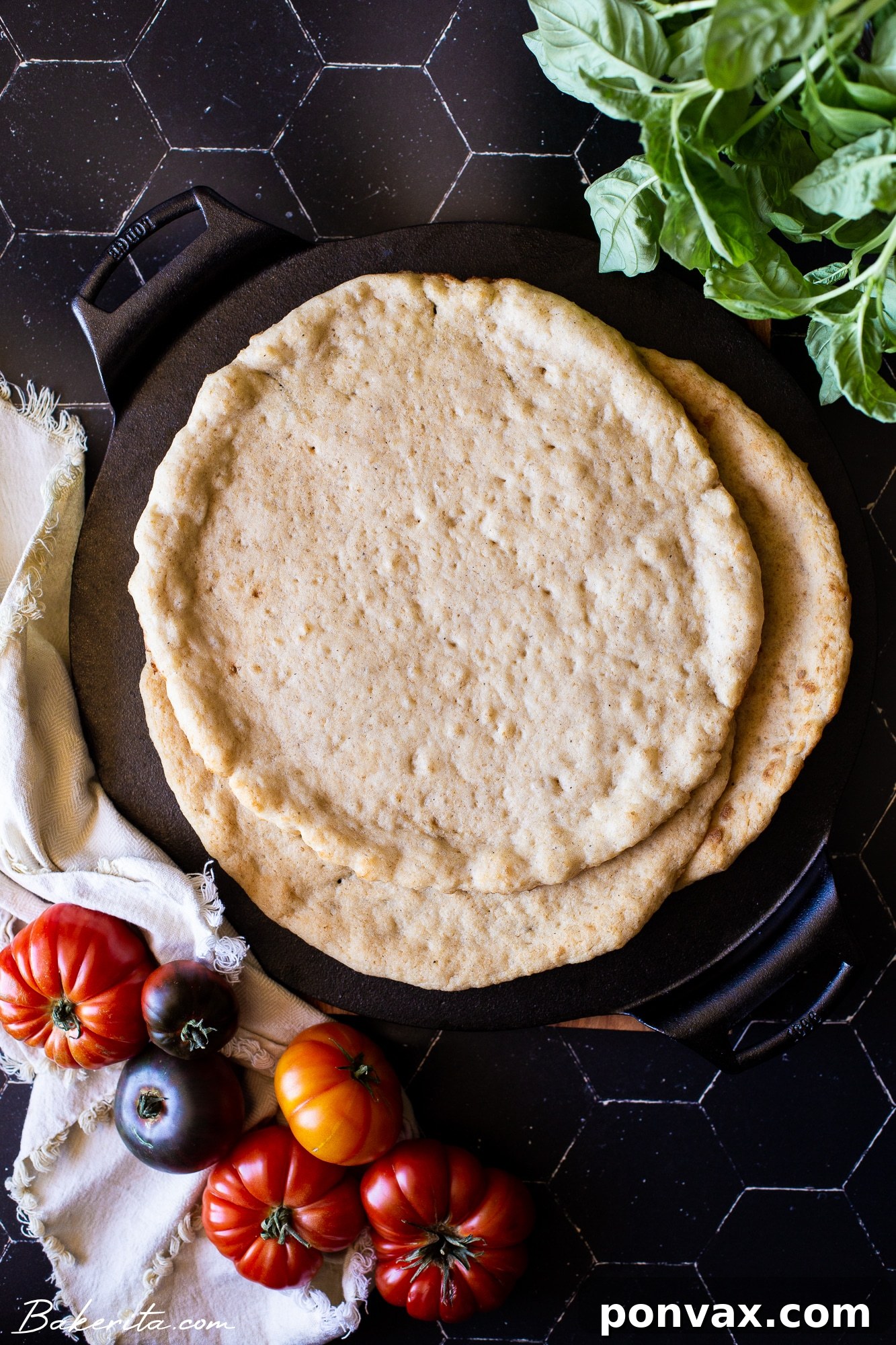
Mastering the Art of Shaping Your Gluten-Free Pizza Dough
When your dough has completed its rise and you’re ready to transform it into a pizza base, proper shaping is key. The good news is, even without traditional gluten, this dough is quite cooperative. Here’s the best approach to ensure a beautifully shaped crust:
- Prepare Your Baking Environment: Begin by preheating your oven to the specified temperature (450°F / 232°C) with your Lodge Cast Iron Pizza Pan already inside. This ensures the pan gets intensely hot, which is critical for that initial burst of crispness. Simultaneously, lightly grease a sheet of parchment paper and place it on a large cutting board or a flat baking sheet. This setup makes transferring the dough much safer and easier.
- Handle the Dough with Care: Gently flip your risen dough out onto the prepared parchment paper. If the dough seems a little stiff or resistant to spreading, drizzle a small amount of olive oil over it. The oil will help lubricate the surface and make it more pliable for shaping.
- Shape with Your Hands or a Rolling Pin: Using clean hands or a rolling pin, begin pressing the dough out from the center, working your way towards the edges. Aim for a circular shape, striving for even thickness. Don’t worry about achieving absolute perfection; a rustic, homemade look is part of its charm.
- Understanding Gluten-Free Dough Texture: It’s important to remember that gluten-free dough behaves differently from traditional wheat-based pizza dough. Due to the absence of gluten, it won’t stretch with the same elasticity. Instead of pulling and snapping back, it will press and spread. Embrace this difference! Focus on gently coaxing the dough into shape rather than trying to stretch it excessively. This patience will reward you with a well-formed crust that holds together beautifully.
Achieving Pizza Perfection: The Baking Process with Cast Iron
Replicating the intensely crispy crust found in a gourmet pizzeria has long been a quest for home bakers. While many methods fall short of achieving that ultimate crispness, I’ve discovered a true baking game-changer that consistently delivers a superior result: the Lodge Cast Iron Pizza Pan. This tool isn’t just an accessory; it’s the secret weapon for an unbelievably crispy gluten-free sourdough pizza crust.
Lodge Cast Iron has been a cherished brand in my kitchen for years, and for good reason. I deeply appreciate that their products are proudly made in the USA, come pre-seasoned and ready for immediate use, and, remarkably, improve in performance and non-stick properties with every use. My cast iron skillet, a loyal companion since my college days, is a testament to their enduring quality and has been incredibly well-loved. I have no doubt that this Lodge Pizza Pan will receive the same level of affection and attention for as long as I continue my sourdough adventures – and even beyond, perhaps when I’m baking up my loaded vegan paleo pizza crust! The Pizza Pan is an outstanding offering within their excellent bakeware line.
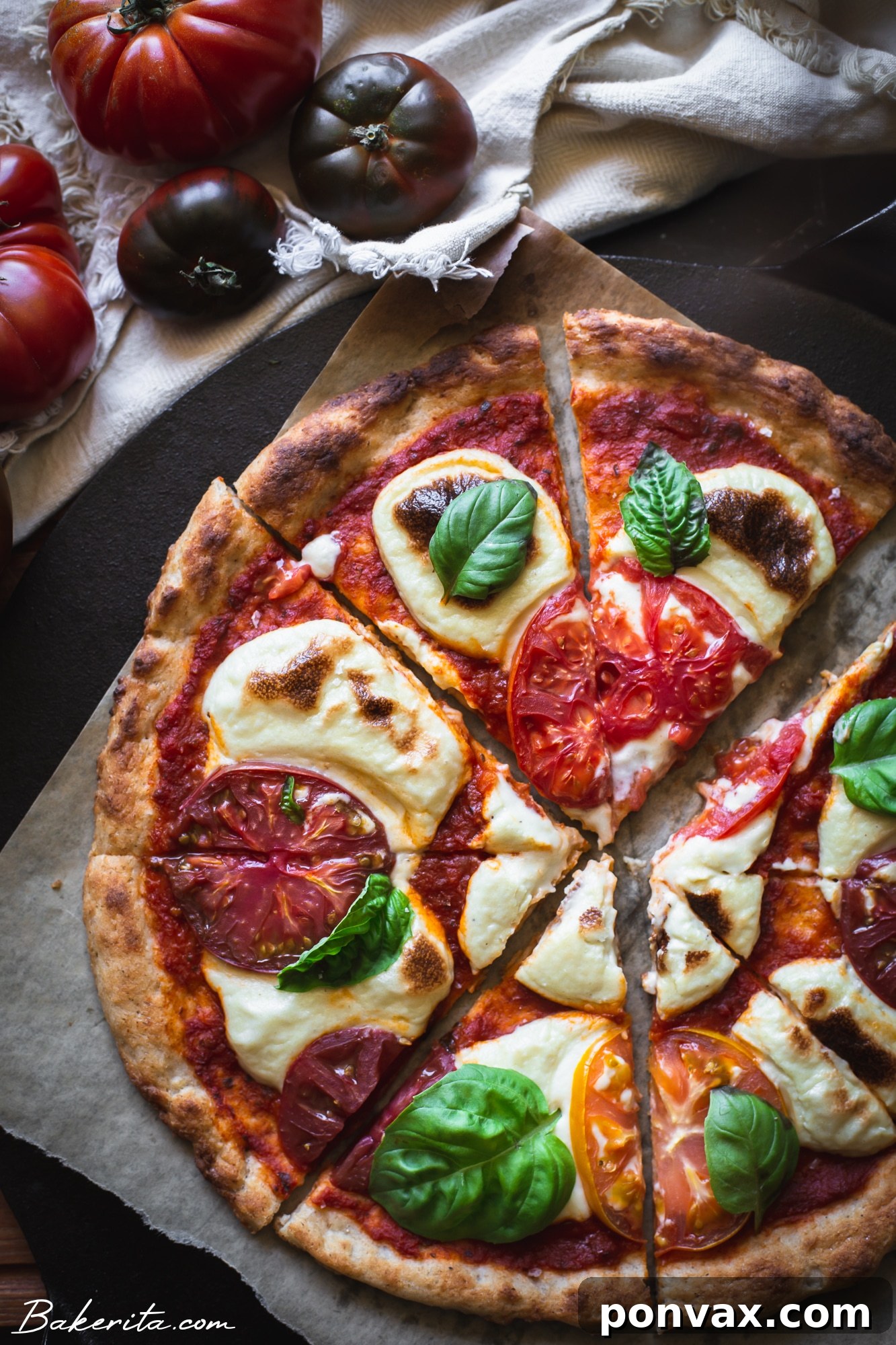
Let’s delve into why cast iron is particularly exceptional for pizza crust baking. Cast iron, with its substantial weight and robust construction, boasts extraordinary heat conductivity and retention. When you preheat the Pizza Pan in a fiercely hot oven, it not only withstands the extreme temperatures but also accumulates and evenly radiates a tremendous amount of heat. This means when you carefully transfer your prepared pizza dough onto its superheated surface, the bottom of the crust begins to cook almost instantaneously. This intense, direct heat is fundamental for initiating the Maillard reaction, rapidly crisping the crust and preventing it from becoming soggy. The consistent and powerful heat transfer through the iron ensures a delightfully crispy bottom crust in record time.
For the safest and most efficient way to get your dough onto the intensely hot Lodge Cast Iron Pizza Pan, I recommend this method: shape your dough on a piece of parchment paper, which you’ve placed on a large cutting board or a flat baking sheet. This allows you to position the dough, still on the parchment, right next to the scorching hot pan. Then, with a quick and steady motion, slide the entire sheet of parchment, with your crust nestled on top, directly onto the preheated pan to bake. This parchment-assisted transfer method simplifies handling the hot pan and delicate dough. However, it’s crucial to note that using parchment paper limits your oven temperature to around 450°F (232°C) to prevent the paper from burning. If you wish to bake at higher temperatures for an even crispier result, you can slide the parchment out from under the crust after the initial pre-bake, allowing the crust to bake directly on the cast iron for the second phase.
Once your gluten-free sourdough pizza crust is safely on the Pizza Pan and in the oven, it will require an initial bake without toppings. This pre-baking stage typically takes about 8 to 12 minutes, depending on your desired level of crispness. Look for the edges to achieve a lovely golden hue and for the crust to become firm enough to easily slide around on the pan. Remember, this is just the first bake; your pizza will return to the oven with its toppings!
After the initial pre-bake, carefully remove the pan from the oven. Now comes the fun part – artfully arrange all of your favorite pizza toppings onto the crust. Return the pizza to the oven for a few more minutes, typically 5 to 10, until the toppings are beautifully golden and any cheese is perfectly melted and bubbly. As an optional step for maximum crispness, you can carefully slide the par-baked crust off the parchment paper and directly onto the hot cast iron pan before adding toppings. This allows you to bake at a higher temperature for the second stage, if you desire an even more intensely crispy outcome.
Once your toppings are golden, and the cheese has achieved that irresistible melted perfection, remove your culinary masterpiece from the oven. Slice your magnificent gluten-free sourdough pizza creation and savor every magical, crispy bite!
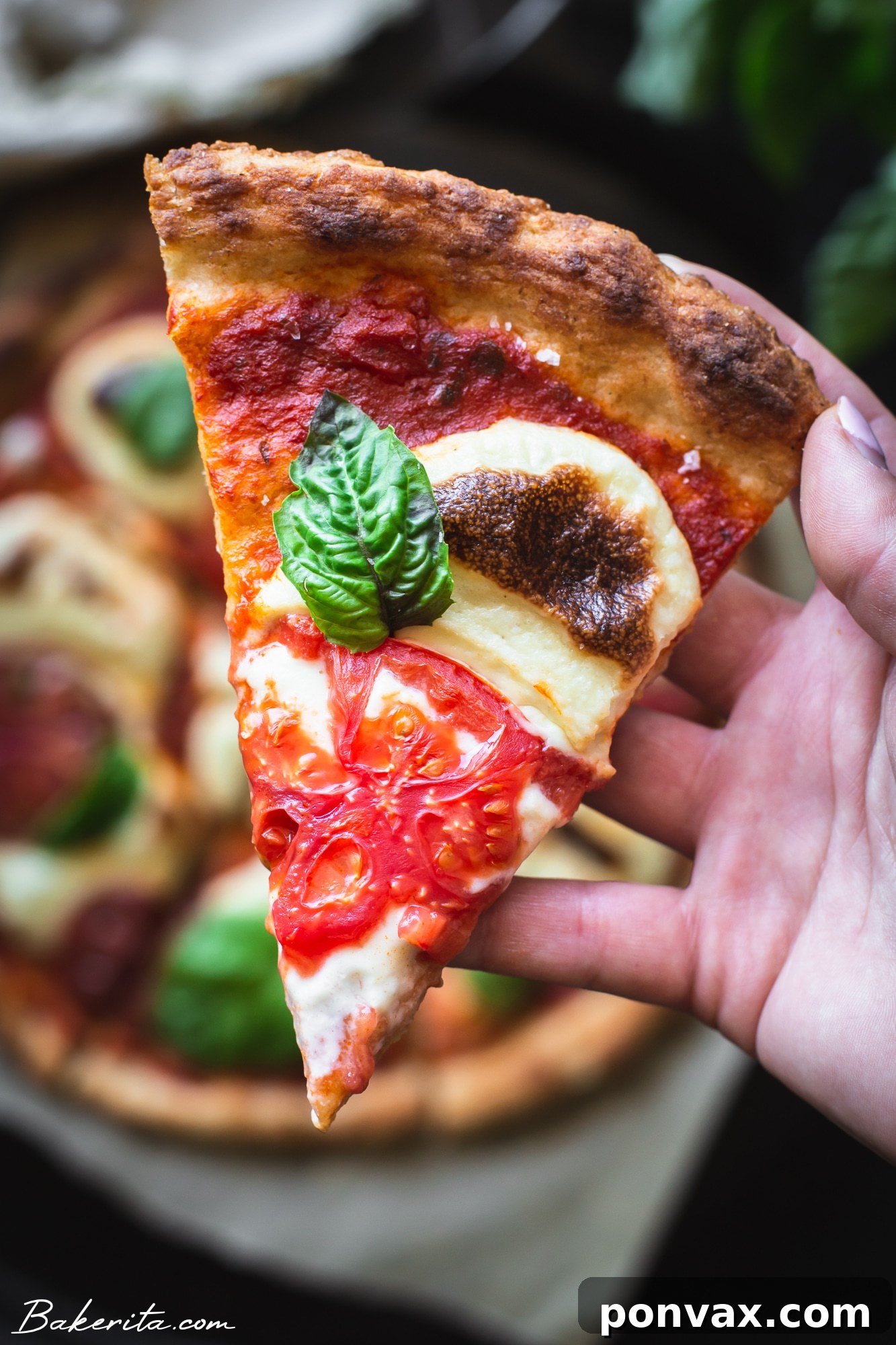
Gluten-Free Sourdough Pizza Dough FAQ: Your Questions Answered
Here are some frequently asked questions to help you get the most out of your gluten-free sourdough pizza dough experience:
Why is it necessary to pre-bake the gluten-free pizza crust before adding toppings?
Pre-baking is a crucial step for achieving an exquisitely crispy gluten-free pizza crust and preventing sogginess. Gluten-free doughs tend to retain more moisture than traditional wheat-based doughs. Baking the crust on its own first allows any excess moisture to evaporate, firming up the dough and developing a stable structure. This initial bake ensures the crust becomes wonderfully crispy and robust enough to support your toppings without becoming heavy or soft once everything is combined.
What are the best toppings to pair with this gluten-free sourdough pizza crust?
The beauty of this versatile crust is that it serves as a perfect canvas for virtually any topping combination your heart desires! Whether you prefer classic marinara with mozzarella and fresh basil, a vibrant medley of roasted vegetables, savory plant-based meats, or a gourmet white sauce with mushrooms and truffle oil, this crust will hold up beautifully and complement a wide array of flavors. Feel free to unleash your creativity and build your dream pizza!
Will this recipe produce a thin or thick crust pizza?
This recipe offers the flexibility to create either! If you choose to use the entire batch of sourdough pizza dough for a single pizza, you’ll be rewarded with a satisfyingly thicker, wonderfully fluffy crust that still boasts that incredible crispiness on the bottom. For those who prefer a lighter, more delicate pizza experience, simply divide the dough in half before the rising stage. Each half will then yield a deliciously thin and extra-crispy crust, perfect for showcasing your toppings.
Is it possible to freeze homemade pizza crust made with this recipe?
Absolutely! This gluten-free sourdough pizza crust freezes exceptionally well, making it a fantastic option for meal prep and quick weeknight dinners. To freeze, par-bake the sourdough pizza dough until it’s just firm enough to easily slide around the pan on its own and shows the faintest hint of golden brown on the edges. Remove it from the oven and allow it to cool completely to room temperature. Once cool, seal the par-baked crust as best you can – in a heavy-duty zip-top bag, tightly wrapped in plastic wrap, or, for optimal freshness, vacuum-sealed. Store it in the freezer for up to 3 months.
When you’re ready to enjoy your frozen crust, simply let it thaw to mostly room temperature. Then, proceed as usual by adding your desired toppings and baking according to the recipe instructions for the final bake.
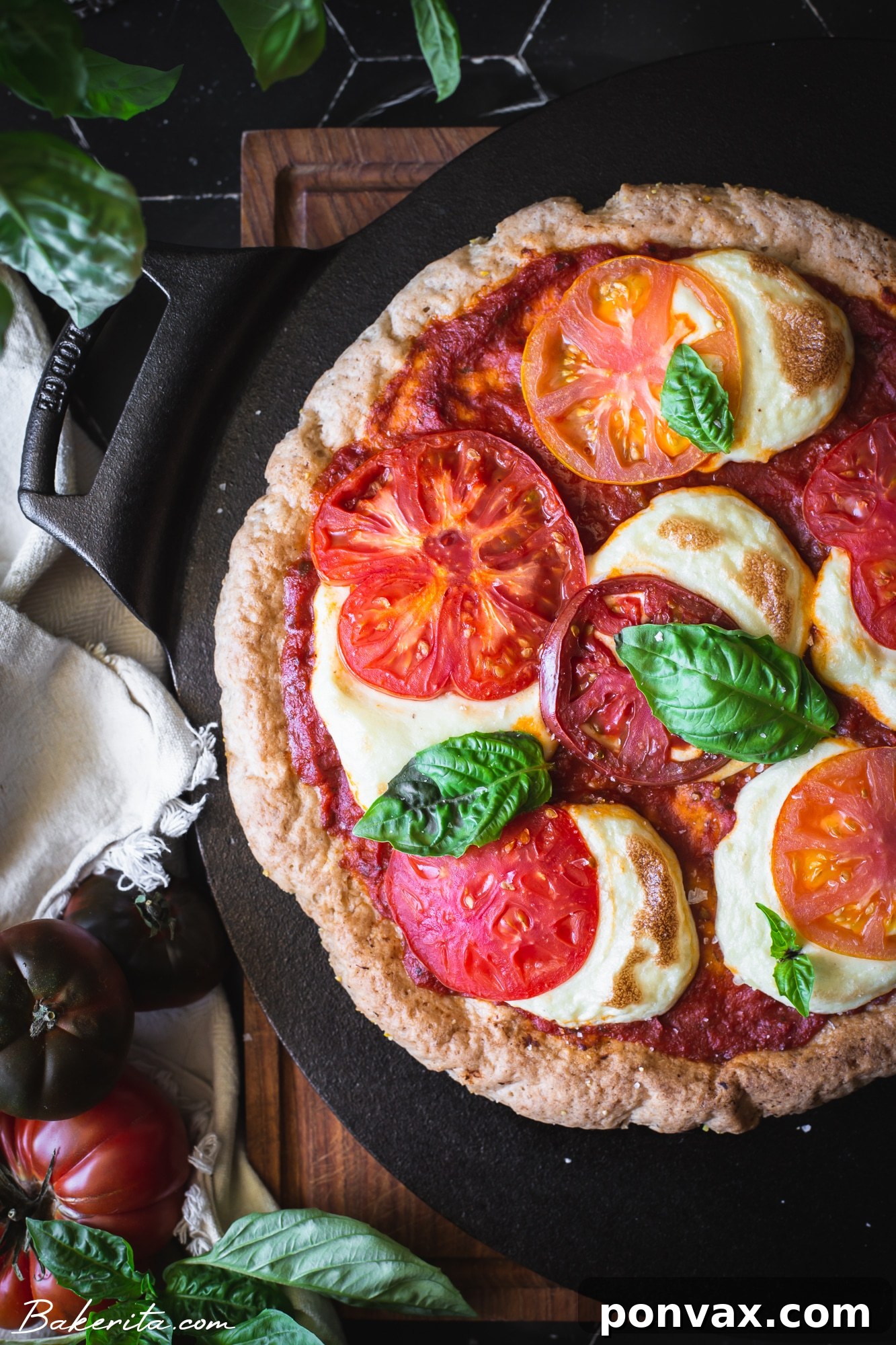
I genuinely hope you fall in love with this Gluten-Free Sourdough Pizza Crust recipe as much as I have! It has quickly become a beloved staple in my household, and I can’t wait to continue experimenting with an endless variety of exciting toppings. My Lodge Cast Iron Pizza Pan is certainly destined to be very well-loved through countless pizza nights. Enjoy every delicious moment of your homemade pizza, and please do leave a comment below to share your thoughts and creations!
Explore More Gluten-Free & Vegan Favorites!
If you enjoyed this recipe, you might also like these other delightful gluten-free and vegan creations:
- Gluten-Free Vegan Pizza with Mushrooms & Onions
- The Best Gluten-Free Sourdough Bread
- Flavorful Vegan Caesar Salad with Crispy Tempeh
- Irresistible Gluten-Free Sourdough Chocolate Chip Cookies

Gluten-Free Sourdough Pizza Crust
Pin Recipe
Ingredients
- 12-15 g psyllium husk, see Notes
- 300 g filtered water, room temperature
- 150 g gluten-free sourdough starter, can be active or fresh discard (see Notes)
- 80 g starch of your choice, such as potato starch, tapioca starch, or arrowroot starch
- 145 g gluten-free whole grain flours of your choice, such as quinoa flour, sorghum flour, brown rice flour, or combination. I have tested with these three.
- 10 g sea salt
Instructions
-
Combine the psyllium husk and the water in a large bowl or the bowl of a stand mixer. Let it thicken and gel up for about 5 minutes.12-15 g psyllium husk, 300 g filtered water
-
Add in the sourdough starter and mix to combine.150 g gluten-free sourdough starter
-
Add in the starch, flour, and salt. Mix until a smooth dough forms. If the dough seems sticky, let it rest for a few more minutes to let the psyllium and flours absorb. Depending on how much psyllium you use, your dough will be pretty soft but should be workable. More psyllium will make it firmer and a bit easier to work with at this point.80 g starch of your choice, 145 g gluten-free whole grain flours of your choice, 10 g sea salt
-
If you want a thick crust, leave the crust in one ball and move to a greased bowl to rise. If you want thinner crusts, divide the dough into two, form into balls, and place in separate greased bowls to rise.
-
Let rise for 3 hours at room temperature, or for up to a day in the refrigerator.
-
When you’re ready to bake, preheat your oven with the Lodge Cast Iron Pizza Pan inside to 450°F.
-
Lightly grease a sheet of parchment paper and place it on a large cutting board or sheet pan. Flip the dough out onto the parchment. Drizzle the dough with some oil if needed to help it spread more easily.
-
Use your hands or a rolling pan to press the dough out into a circle, working from the inside towards the outside. You should be able to press it into shape pretty easily! It doesn’t need to be perfect, and remember, the texture of the dough will seem different than traditional pizza dough, because the lack of gluten makes it stretch in a different way.
-
Once it’s shaped, move the cutting board or sheet pan right next to the hot Pizza Pan. Slide the whole sheet of parchment, with the crust on top, onto the pan to bake.
-
Pre-bake the crust without toppings for about 10 minutes, depending on how crispy you want it. I like getting it a little golden on the edges, and firm enough to slide off the parchment paper.
-
Once it’s ready to go, remove it carefully from the oven. Slide the crust off the parchment and directly onto the pizza pan. Add all of your pizza toppings, and bake for 5 to 10 more minutes, or until the toppings are golden and the cheese is melted.
-
Remove from the oven, slice and serve immediately. Enjoy!
Notes
If you want a thinner crust, 12g of psyllium husk will give you a more wet, pliable dough, making it easier to press out into a thinner shape. However, it is harder to work with. For a firmer dough that’s easier to work with, and absolutely fluffy and delicious, use up to 15g.
Psyllium husks can be found in the supplement section of most grocery stores. Make sure you look for whole psyllium husks, not psyllium husk powder.
You can use active starter or sourdough discard. I recommend using what I call active discard, which is the freshest discard that you’re taking right from your starter, as opposed to discard that’s been sitting in your fridge for a few days (I recommend crackers for that).