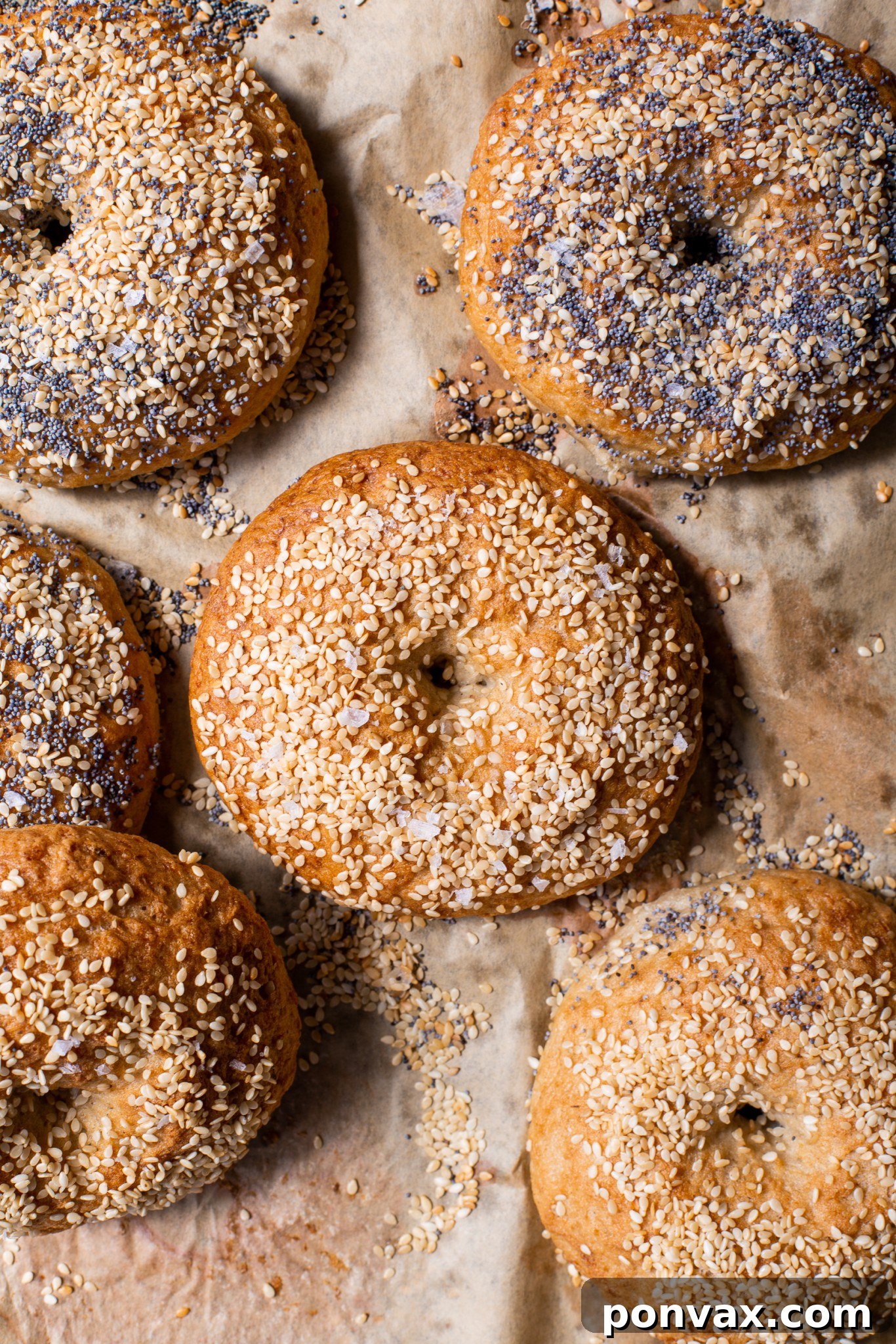
These Gluten-Free Sourdough Bagels are a game-changer for anyone seeking a delicious, chewy, and wholesome bagel experience without gluten. Crafted with an active gluten-free sourdough starter, a thoughtful blend of whole grain gluten-free flours, and your choice of delectable toppings and mix-ins, these bagels are not only naturally vegan but also incredibly satisfying. Whether you savor them fresh from the oven or freeze them for future enjoyment, they promise a delightful bite every time.
Don’t have a gluten-free sourdough starter yet but still craving that classic bagel taste? Explore our remarkably fluffy gluten-free bagels made with yeast for an equally delightful alternative!
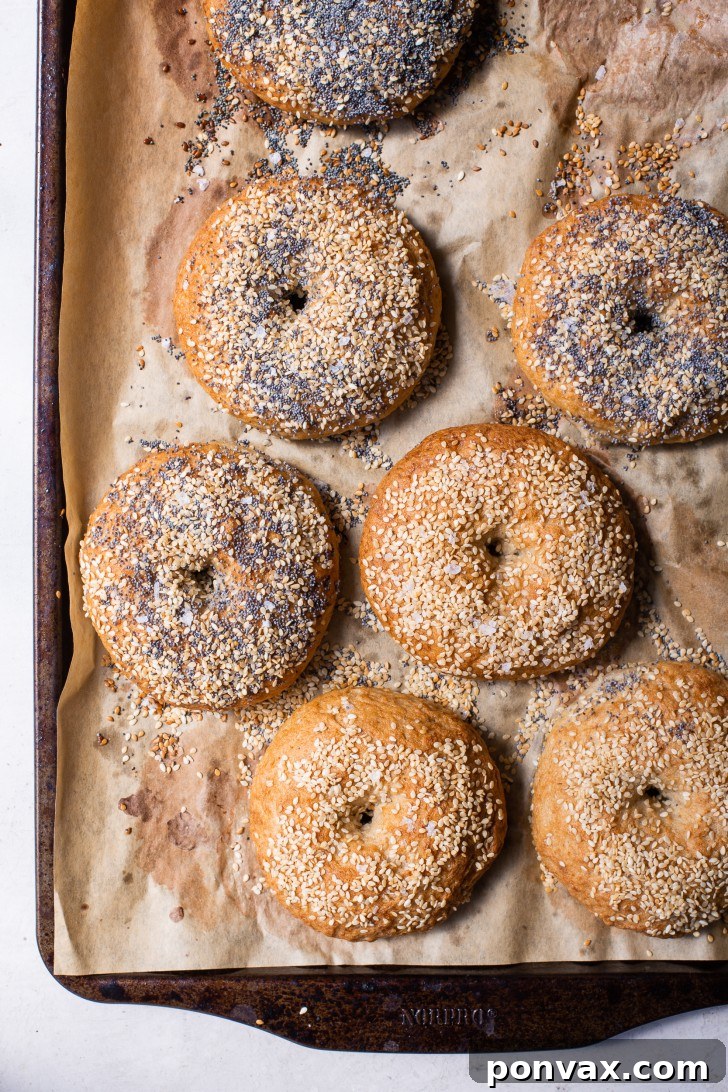
Ever since I first shared the recipe for my homemade gluten-free sourdough bread, one request has consistently topped the list: gluten-free sourdough bagels! The enthusiasm from my community, especially within my Gluten-Free Sourdough Facebook Group, has been immense. Bagel requests poured in constantly, and I’m beyond excited to finally unveil this much-anticipated recipe – and trust me, it’s a truly exceptional one!
A Legacy of Bagels: My Culinary Inspiration
Bagels hold a deeply sentimental spot in my heart. Growing up, my paternal grandparents would regale me with tales of their family’s Jewish bakery in New York. My great-grandparents owned this bakery, renowned for crafting the most incredible bagels. My grandparents, who first met there as teenagers, would often visit after school, enjoying warm egg bagels and water bagels straight from the oven. Though no family recipes have survived the generations, a single cake server from that bakery remains as a cherished connection to my family’s rich baking heritage.
Given this background, it’s no surprise that my quest to develop a gluten-free bagel recipe was driven by a fierce desire for perfection. It felt like it was in my blood! While a gluten-free sourdough bagel isn’t what my ancestors were making, I truly believe these modern marvels would fill them with pride. The journey to recreate that authentic bagel experience, adapted for dietary needs, has been incredibly rewarding.
Discover the Magic of Our Gluten-Free Sourdough Bagels
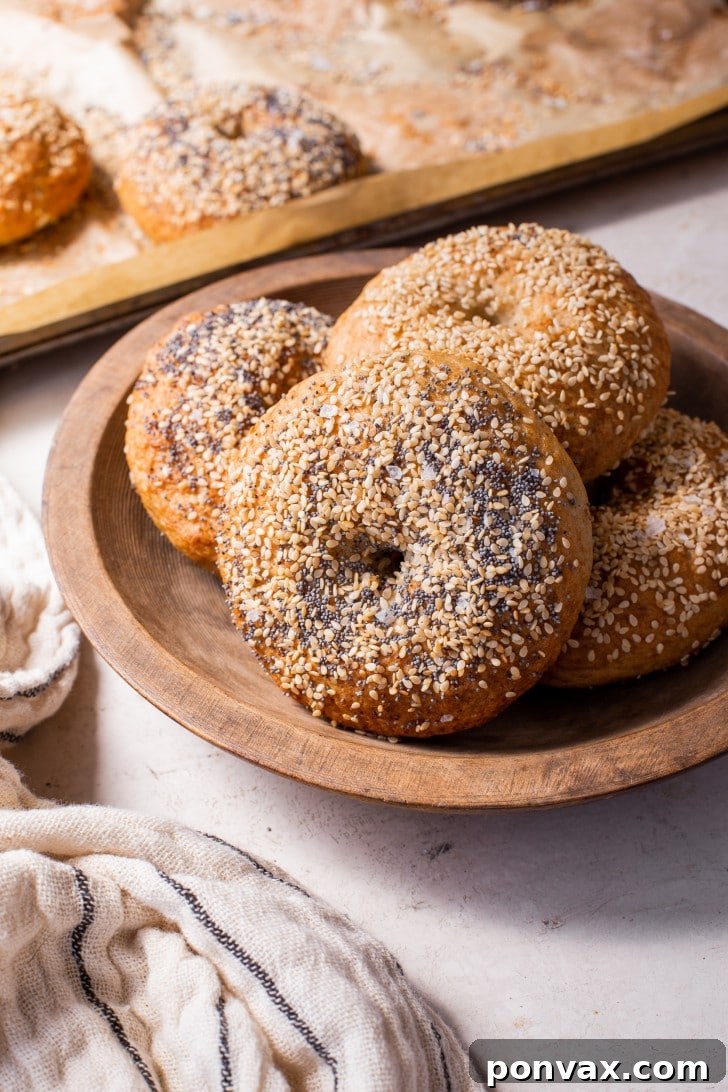
Our unique gluten-free sourdough bagels embody everything you love about a classic bagel, meticulously crafted to be inclusive and delicious:
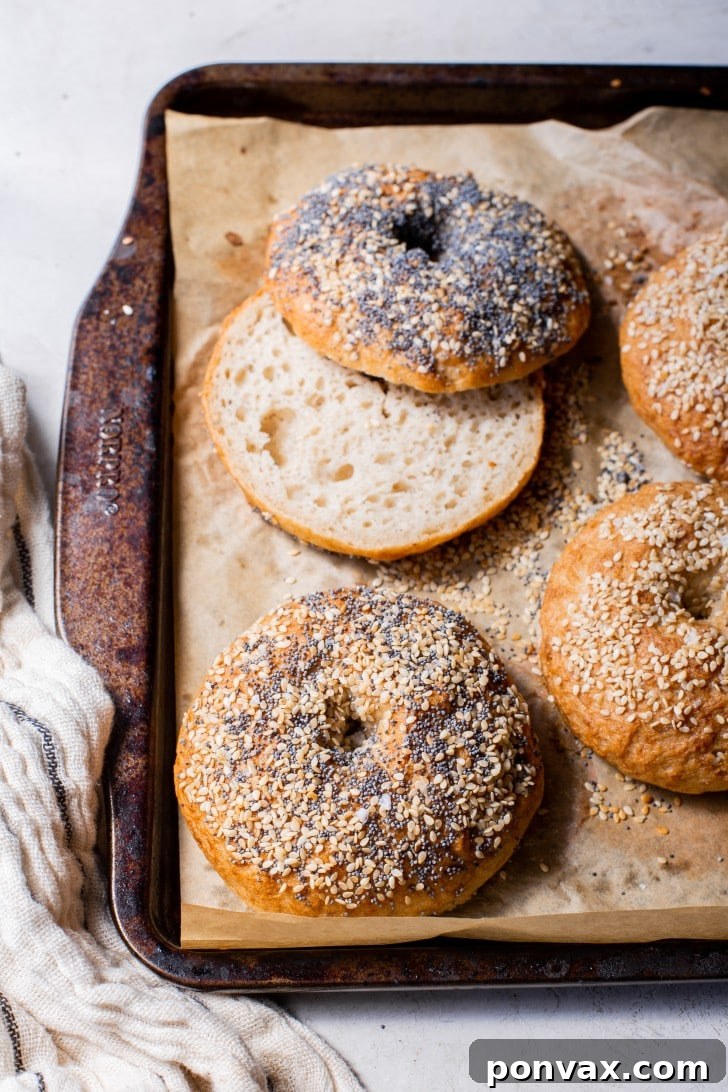
- Perfectly Baked Exterior: Each bagel boasts a beautifully golden, delightfully chewy crust that delivers that satisfying bite.
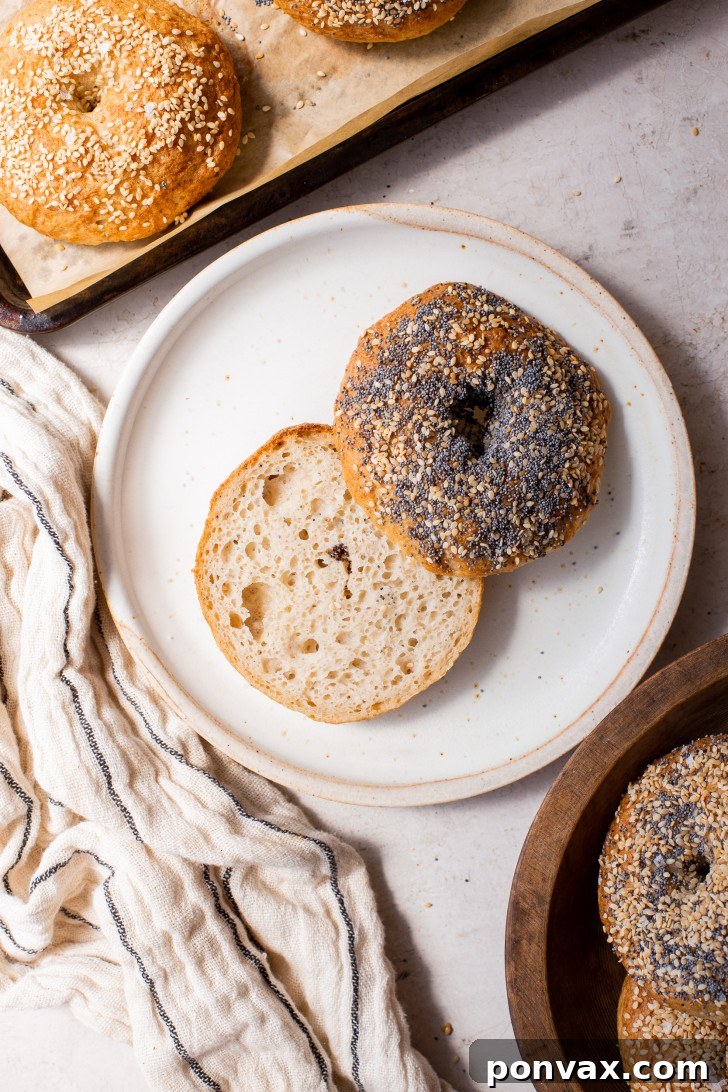
- Soft, Tender Interior: Inside, you’ll find a fluffy, soft crumb that’s airy yet substantial.
- Subtle Sourdough Flavor: Enjoy a mild, pleasing sourdough tang that enhances the bagel’s depth without overpowering it.
- Customization Ready: These bagels are the ideal canvas for all your favorite toppings, from savory everything seasoning to sweet cinnamon sugar.
- Accessible Baking: While requiring a bit of patience for the fermentation process, these bagels are surprisingly straightforward to make at home.
Are Traditional Bagels Gluten-Free? Understanding the Difference
The short answer is no. Traditional bagels are fundamentally made with wheat flour, which contains gluten. Gluten is the protein responsible for the elasticity, chewiness, and structure that defines a classic bagel. Therefore, for those with celiac disease, gluten sensitivity, or simply choosing a gluten-free lifestyle, it’s crucial to seek out specifically labeled gluten-free bagels, like our gluten-free sourdough bagels, which are carefully crafted using alternative flours and binding agents.
Essential Ingredients for Perfect Gluten-Free Sourdough Bagels
Crafting delicious gluten-free bagels requires a thoughtful selection of ingredients that mimic the properties of traditional wheat flour. For this recipe, we carefully combine the following:
- Active Gluten-Free Sourdough Starter: This is the heart of our recipe, providing the natural leavening and characteristic mild tangy flavor. If you haven’t yet ventured into the world of gluten-free sourdough, our comprehensive guide on how to make a gluten-free sourdough starter will walk you through the process. For optimal rise and flavor, ensure your starter is at its peak activity when you begin this recipe.
- Whole Psyllium Husk: This is arguably the most critical ingredient for achieving the right texture in gluten-free baking. Psyllium husk is a natural form of soluble fiber that acts as our gluten substitute, providing essential binding properties, elasticity, and structure to the dough. It allows the dough to be workable and provides the necessary support for the bagels to rise beautifully. It cannot be skipped or substituted without drastically altering the outcome.
- Maple Syrup (or Honey): This natural sweetener serves a dual purpose. It feeds the active yeast in your sourdough starter, encouraging robust fermentation and helping the bagel dough to rise. It also contributes a subtle sweetness and flavor to the final product.
- Filtered Water: High-quality filtered water is always recommended for any bread-making, as it ensures pure flavor and optimal interaction with your sourdough starter.
- Olive Oil: A touch of olive oil helps to create a softer, more pliable dough and contributes to a less crunchy crust, enhancing the overall bagel texture.
- Starches (Potato Starch and Tapioca Starch): A blend of starches like potato starch and tapioca starch is crucial for achieving that desirable light, fluffy, and tender interior crumb that contrasts beautifully with the chewy crust.
- Gluten-Free Whole Grain Flours: To build complex flavor and nutritional value, we utilize a combination of various gluten-free whole grain flours. My preferred blend often includes brown rice flour, sorghum flour, quinoa flour, millet flour, teff flour, and buckwheat flour. Each flour contributes unique characteristics to the texture and taste. The recipe provides a tested combination, but feel free to experiment with different ratios to discover your favorite profile, ensuring the total weight remains consistent.
- Salt: Essential for balancing flavors and regulating the fermentation process, salt is a non-negotiable ingredient in any quality bread recipe.
- Baking Soda: While not added directly to the dough, baking soda plays a vital role in the traditional bagel-making process. It is added to the boiling water, creating an alkaline solution that gelatinizes the starch on the bagel’s surface, leading to that signature chewy, shiny, and richly colored crust that defines a true bagel.
Simplifying with a Gluten-Free Flour Blend
For those looking to streamline their baking process, using a pre-made gluten-free flour blend is a fantastic option. If you prefer to make your own blend, I highly recommend my homemade gluten-free bread flour blend. This blend is specifically formulated with both starches and whole grain flours, making it a perfect one-to-one substitute for the combined total weight of starch and individual flours specified in this recipe (which is 380g).
If you opt for a store-bought alternative, I’ve found the multi-flour blend from Vitacost to be an excellent choice. Its ingredient profile closely mirrors the flours and starches I use, and it’s free from unnecessary additives or gums, ensuring a clean and reliable result for your sourdough bagels.
Step-by-Step Guide to Crafting Gluten-Free Sourdough Bagels
Creating these delightful bagels is a process that blends traditional techniques with gluten-free adaptations. Follow these steps for a rewarding baking experience:
- Activate and Hydrate: Begin by combining the psyllium husk with water in a bowl or a large liquid measuring cup. Allow it to hydrate for about 10 minutes until it forms a thick, gel-like consistency. Then, mix in the maple syrup (or honey), olive oil, and your active gluten-free sourdough starter.
- Combine Dry Ingredients: While the wet ingredients are hydrating, whisk together your potato starch, tapioca starch, brown rice flour, sorghum flour (or your chosen gluten-free flour blend), and salt in a large mixing bowl or the bowl of a stand mixer.
- Form the Dough: Pour the hydrated liquid mixture into the dry ingredients. Use a sturdy dough whisk or the dough hook attachment of your stand mixer to thoroughly combine everything into a smooth, cohesive dough. Scrape down the sides of the bowl as needed to ensure all dry ingredients are fully incorporated.
- Bulk Fermentation: Cover the dough and let it bulk-ferment in a warm spot for approximately three hours. During this time, the dough should noticeably puff up, indicating successful fermentation.
- Shape the Bagels: Gently punch down the dough to release any trapped air bubbles. Divide the dough into eight equal pieces (each weighing roughly 122g). Shape each piece into a bagel. A common method is to roll a piece into a smooth ball, then use your thumb to press a hole through the center, gently widening it with your fingers. Alternatively, you can roll the dough into a short rope and then seal the ends together to form a ring.
- Second Rise: Arrange the shaped bagels on a baking sheet lined with parchment paper. Cover them with a clean tea towel and let them rise for another hour. This secondary rise helps them achieve a light and airy texture.
- Prepare for Boiling: While the bagels are undergoing their final rise, preheat your oven to 425℉ (220℃). Simultaneously, bring a large pot of water to a rolling boil.
- The Essential Boil: Once the bagels have puffed up, add the baking soda to the boiling water. Carefully place the bagels into the boiling water, one or two at a time depending on your pot’s size, and boil for 30 seconds on each side. A spider strainer is an excellent tool for easily submerging and removing the bagels, allowing excess water to drip off. Gently return the boiled bagels to the lined baking sheet.
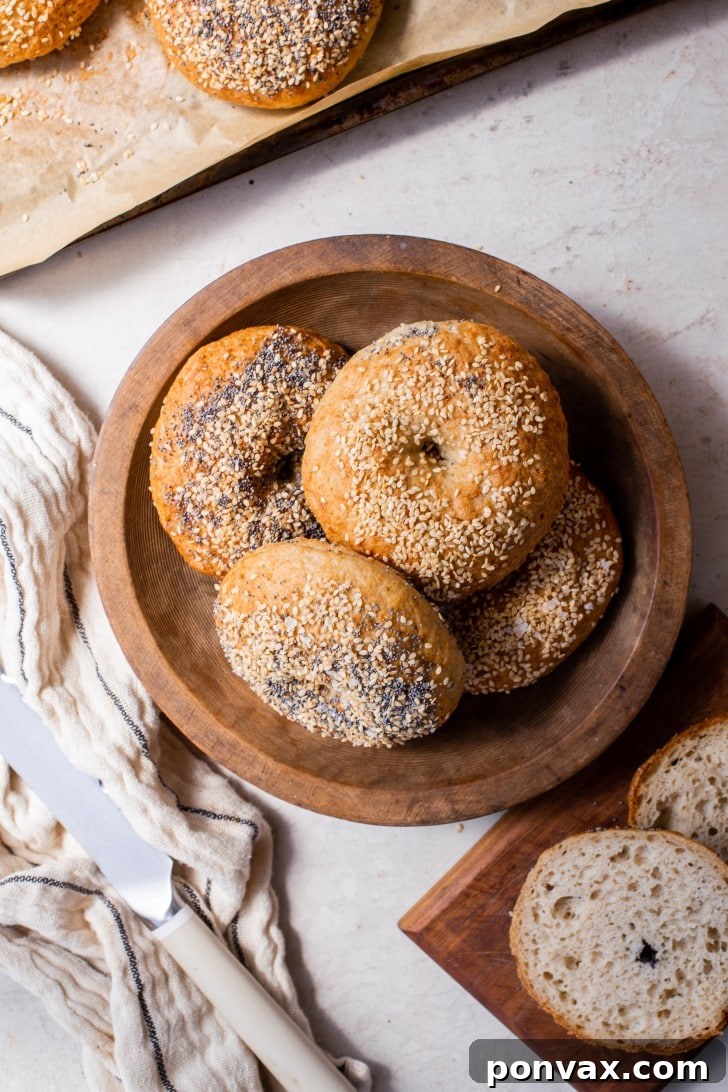
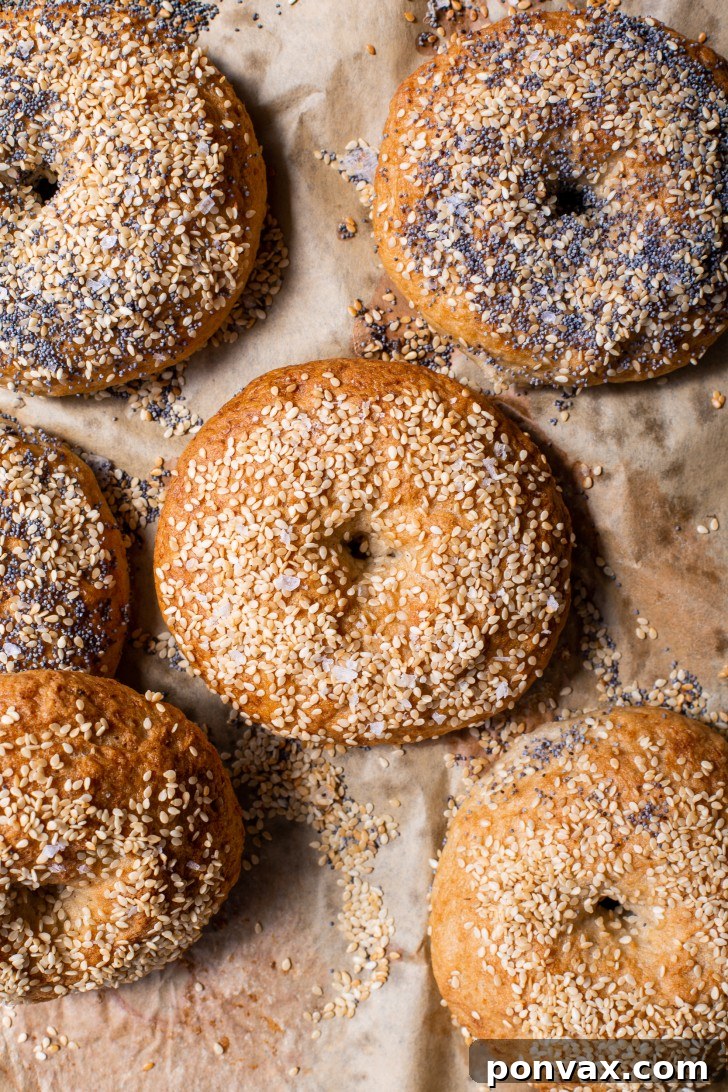
- Add Toppings & Bake: Immediately after boiling, add your desired toppings, such as everything bagel seasoning, sesame seeds, poppy seeds, or coarse salt. Promptly transfer the baking sheet to the preheated oven.
- Bake to Golden Perfection: Bake the bagels for 30 minutes, or until they are beautifully golden brown on top and have a crisp bottom.
Tips for Success with Gluten-Free Sourdough Bagels
- Active Starter is Key: Ensure your gluten-free sourdough starter is bubbly and active before you begin. A weak starter will lead to dense bagels.
- Measure by Weight: For best results in gluten-free baking, always measure your ingredients by weight using a kitchen scale. This ensures accuracy, especially with flours and psyllium husk.
- Don’t Skip the Psyllium Husk: As mentioned, psyllium husk is crucial for the structure and texture of these bagels. There is no direct substitute for its binding properties.
- Warm Environment: Sourdough ferments best in a warm environment. If your kitchen is cool, consider using your oven with the light on (turned off otherwise) or a proofing box to maintain an ideal temperature.
- Proper Shaping: While the dough may feel different from traditional wheat dough, aim for smooth, well-formed bagels. Smooth surfaces help prevent cracking during baking.
- The Boil Matters: Don’t rush the boiling step. The baking soda solution is what creates the characteristic chewy crust. Ensure the water is at a rolling boil.
- Immediate Baking: Place the bagels into the preheated oven immediately after boiling and topping to achieve the best crust and rise.
Flavor Variations and Topping Ideas
While plain or “everything” bagels are always a hit, these gluten-free sourdough bagels are wonderfully versatile. Don’t hesitate to get creative with your flavors!
- Everything Bagel Seasoning: A classic for a reason, offering a savory mix of sesame seeds, poppy seeds, dried garlic, dried onion, and coarse salt.
- Sesame Seed: Simple, elegant, and nutty.
- Poppy Seed: Adds a delicate crunch and distinct flavor.
- Garlic & Onion: Mix dried minced garlic and dried onion flakes for a pungent, savory bagel.
- Cinnamon Raisin: Incorporate raisins and cinnamon into the dough for a sweet treat. Top with a sprinkle of cinnamon sugar before baking.
- Jalapeño Cheddar (Vegan): Mix finely diced fresh jalapeños and vegan cheddar shreds into the dough for a spicy, cheesy twist.
- Sundried Tomato & Herb: Add chopped sundried tomatoes and a blend of dried herbs like oregano and basil to the dough.
Storage and Enjoyment Tips for Your Homemade Bagels
To keep your gluten-free sourdough bagels fresh and delicious:
For immediate enjoyment, store them in an airtight bag or container at room temperature for 2 to 3 days. To refresh, simply slice and toast them lightly.
For longer storage, slice the bagels in half and place them in an airtight freezer-safe container or bag. They can be kept in the freezer for up to 6 months. When ready to enjoy, you can toast them directly from frozen, or thaw them at room temperature before toasting.
Explore More Gluten-Free Sourdough Delights!
If you’ve fallen in love with gluten-free sourdough baking, we have an array of other fantastic recipes for you to try:
- How to Make Gluten-Free Sourdough Bread: Your ultimate guide to a perfect loaf.
- Gluten-Free Sourdough Crackers: A delicious way to use up your sourdough discard.
- Gluten-Free Sourdough Pizza Crust: Build your perfect pizza with this chewy crust.
- Rosemary Roasted Garlic Gluten-Free Sourdough Rolls: Flavorful rolls perfect for any meal.
- Gluten-Free Sourdough Chocolate Chip Cookies: A sweet treat with a subtle sourdough tang.
- Gluten-Free Sourdough Focaccia: A tender and aromatic bread, ideal for dipping.
Rachel Conners
Gluten-Free Sourdough Bagels
These Gluten-Free Sourdough Bagels are also vegan and made with gluten-free sourdough starter, whole grain gluten-free flours, and whichever toppings and mix-ins you love! These gluten-free bagels perfect for enjoying fresh from the oven or keeping in the freezer for a rainy day.
Pin Recipe
Ingredients
For the bagels
- 150 g gluten-free sourdough starter
- 20 g whole psyllium husk
- 380 g filtered water
- 20 g maple syrup or honey
- 20 g olive oil
- 60 g potato starch
- 50 g tapioca starch
- 130 g superfine brown rice flour, see Notes
- 140 g sorghum flour, see Notes
- 12 g salt
- For the boiling mixture
- 1½ tablespoons baking soda
- 6 cups water
Instructions
- In a bowl or large liquid measuring cup, hydrate the psyllium husk with water, and then mix in the maple syrup, olive oil, and active sourdough starter. Let stand for about 10 minutes. It should form a thick, gel-like consistency.
- While that hydrates, mix together the tapioca flour, potato starch, sorghum flour, and brown rice flour (or my homemade gluten-free bread flour mix) and salt in a large mixing bowl or the bowl of a stand mixer.
- Pour the liquid ingredients into the dry ingredients and use a dough whisk or the dough hook of your stand mixer to mix into a smooth dough, scraping down the sides as needed to make sure all of the dry ingredients are well incorporated.
- Cover and let the dough bulk-ferment in a warm place for about three hours, or until noticeably puffy.
- Punch down the dough to release the air bubbles, and then divide the dough into 8 equal pieces (about 122g each) and shape each piece into a bagel. I like to do this by rolling into a ball and then using my thumb to press a hole in the center, and then open the hole a bit more with my fingers. You can also roll the dough into a long piece and then seal the ends together.
- Place the bagels on a lined baking sheet and cover with a clean tea towel; let rise for 1 hour.
- While the bagels rise, preheat the oven to 425℉ and get a big pot of water boiling.
- When the bagels have puffed up, add the baking soda to the boiling water and boil the bagels 1 or 2 at a time, depending on the size of your pot, for 30 seconds on each side. I use a spider to place the bagels in the water and remove them, as it allows excess water to drip off easily. Remove from the pot, letting the excess water drip off as much as possible, and place back down gently on the baking sheet.
- Repeat for all bagels and add any toppings, like everything bagel seasoning or other seeds of your choice. Immediately place into the preheated oven.
- Bake for 30 minutes or until golden brown on top and crisp on the bottom.
- To store, keep in an airtight bag or container for 2 to 3 days at room temperature. You can also slice them in half and store them in an airtight container in the freezer for up to 6 months.
Notes
For the flours: I love using a combination of different grain flours for this recipe, such as brown rice flour, sorghum flour, quinoa flour, millet flour, teff flour, and buckwheat flour…the recommended combination works well, but you can experiment with different combinations here, as long as the total comes out to 270g of whole grain flour, or 380g total flour + starches. Each kind of flour will add it’s own unique flavor and texture, the recommended combination makes for a mild bagel similar to a classic wheat bagel.
If you would like to use a mix that you can pre-make to simplify the baking process, I recommend using my homemade gluten-free bread flour blend. This blend contains both starches and whole grain flours, so you’ll use it in place of the total amount of starch + flour. In this case of this recipe, that is 380g.
If you prefer a store-bought blend, I like this multi-flour blend from Vitacost. This blend uses very similar ingredients to the ones my recipe calls for, with no additives or gums.
Did you make this recipe?Please consider leaving a star rating and review!