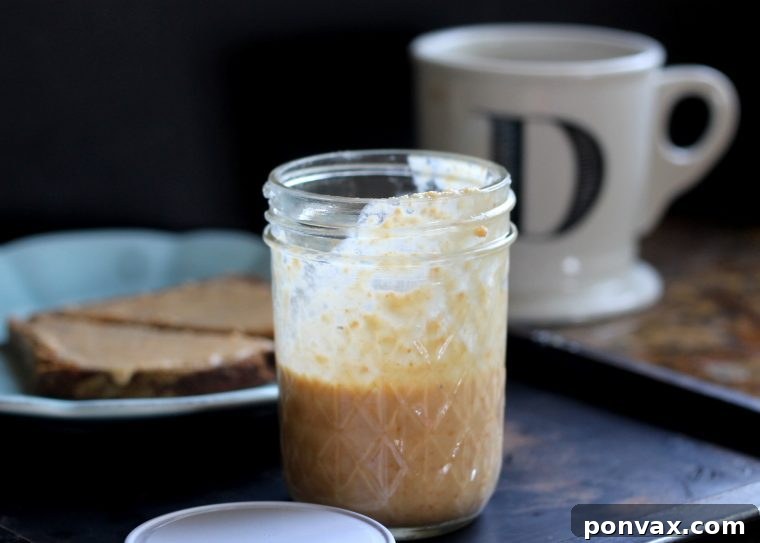
Unlock the secret to a naturally delicious and versatile spread with this simple recipe for Toasted Coconut Butter. Made with just one ingredient, this smooth and creamy delight is packed with flavor and naturally fits paleo, vegan, and gluten-free lifestyles. It’s a culinary game-changer that takes mere minutes to prepare, transforming ordinary coconut flakes into an extraordinary indulgence.
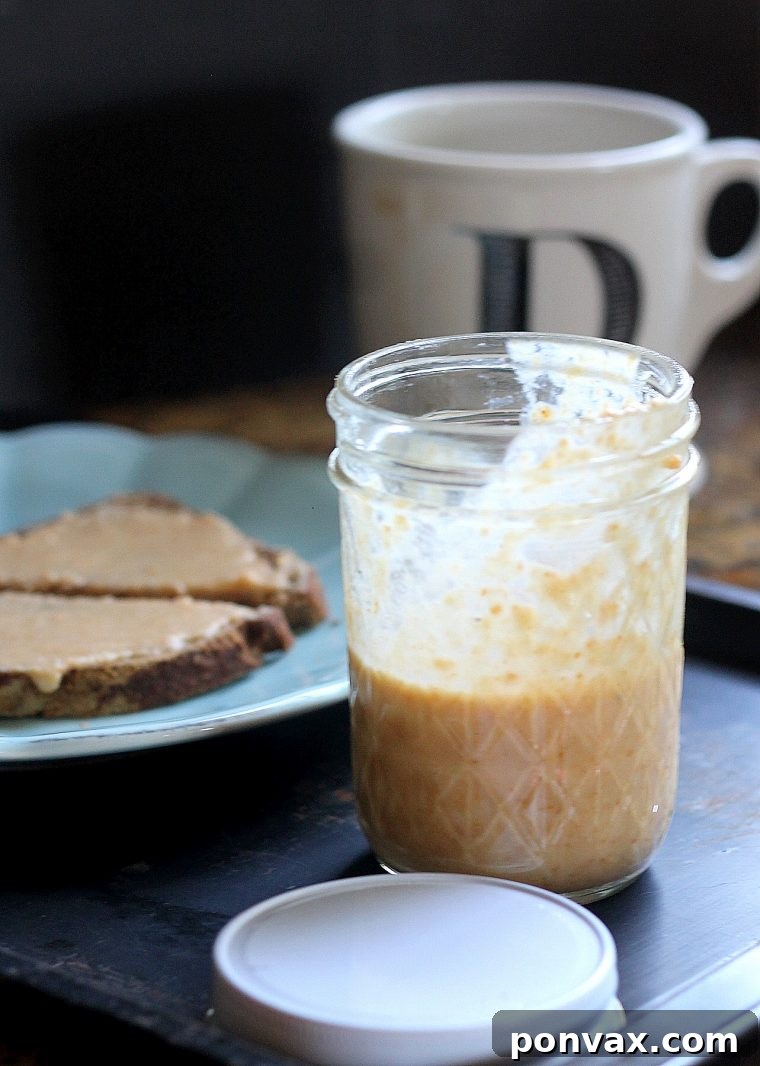
Homemade Toasted Coconut Butter: A Simple & Delicious Delight
You might wonder if this even qualifies as a “recipe” because of its incredible simplicity, but the truth is, I simply must share the delightful experience of making your own **homemade toasted coconut butter**. It’s astonishingly easy, requiring just a single ingredient, though you have the option to enhance it with a pinch of salt or a touch of sweetener. As a dedicated enthusiast of homemade nut butter recipes, I can confidently say this ranks among the most straightforward and utterly delicious creations you’ll ever make.
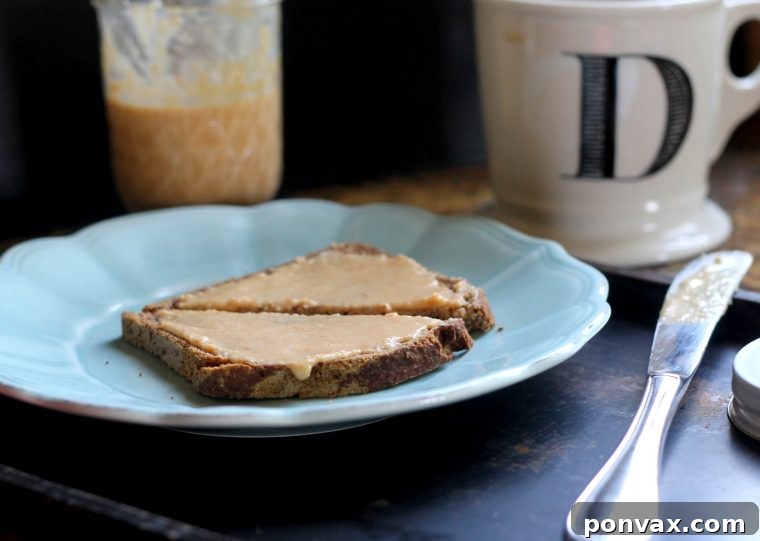
While the pure, subtle taste of raw coconut butter is undeniably wonderful, my personal culinary obsession leans heavily towards the rich, aromatic complexity of toasted coconut. The idea of capturing that distinct, warm flavor in a smooth butter form was simply irresistible. And the result? An absolutely amazing spread that elevates everything it touches. Imagine it generously spread on your morning toast, enhancing the natural sweetness of sliced banana bread, blended into your favorite smoothie for an extra layer of flavor, or simply enjoyed with fresh fruit. Its versatility is truly remarkable.
More Than Just a Recipe: A Transformative Technique
This isn’t just about following steps; it’s about mastering a technique that allows for endless customization. You have complete control over the quantity, making as much or as little as your heart desires. My only regret after my first batch was not making more – this delightful spread disappears incredibly fast! Therefore, I highly recommend beginning with at least two cups of unsweetened flaked coconut to truly appreciate its abundance, but feel free to scale up to whatever your high-powered blender or food processor can efficiently handle.
For those who prefer a more nuanced toasted flavor, a brilliant variation involves using a combination of toasted and untoasted coconut flakes. This allows you to achieve that appealing warmth without it being overly dominant. The cornerstone of this entire process, however, is the quality of your initial ingredient: the coconut flakes themselves. They **must** be unsweetened. Using sweetened coconut will fundamentally alter the process and the final texture, preventing it from transforming into that silky-smooth butter. Beyond that crucial detail, both larger flakes and finely shredded coconut varieties will yield fantastic results, though the processing time might vary slightly.

The Art of Making Homemade Toasted Coconut Butter
Let’s delve into the straightforward yet fascinating process of crafting your own **toasted coconut butter**. The methodology remains largely consistent, whether you opt for a robust food processor or a high-powered blender. Personally, I find my Vitamix blender delivers exceptional results in approximately three minutes, without any fuss. You can expect similar efficiency and performance from other high-quality blenders.
Regardless of your chosen appliance, the initial and most crucial step is toasting the coconut. This process develops the deep, rich flavor that distinguishes toasted coconut butter. You can achieve this golden perfection in a couple of ways:
- Oven Method: Spread the coconut flakes evenly on a baking sheet. Preheat your oven to 350°F (175°C) and toast for about 3 to 5 minutes. It’s absolutely essential to remain vigilant during this stage, as coconut can transition from perfectly golden to burnt in a matter of seconds. Keep a close eye on it and stir once or twice for even browning.
- Stovetop Method: Alternatively, you can toast the coconut in a dry sauté pan over medium heat. Stir continuously to ensure the flakes toast uniformly and prevent scorching. This method offers more direct control but requires constant attention.
Once your coconut flakes have achieved that beautiful golden hue and released their enticing aroma, allow them to cool slightly. While they can still be warm, avoid processing them when piping hot, as this can affect the motor of your appliance or alter the final texture.
Processing Your Toasted Coconut into Butter
Using a High-Powered Blender (e.g., Vitamix)
When using a blender, I typically fill it with around 3 cups of the beautifully toasted, unsweetened shredded coconut. As the blades begin their work, the coconut will initially look like coarse crumbs. Don’t be alarmed if it seems like nothing is happening at first. The key is patience and, if your blender has one, the tamper stick. Use the tamper to push the coconut down into the blades, ensuring constant contact and helping to break it down evenly. You’ll observe a gradual transformation: from crumbs to a thicker, pasty consistency. Continue processing on medium-high speed, and you’ll notice the natural oils within the coconut begin to release. This is where the magic happens – the paste will start to liquefy, becoming increasingly smooth and pourable. Once it truly starts to flow, I usually increase the speed to high for an additional 10 to 15 seconds to ensure an incredibly silky-smooth finish. And just like that, your toasted coconut butter is ready!
Using a Food Processor
The process with a food processor is quite similar, though it generally requires a little more time and interaction. Load your toasted coconut flakes into the food processor. Begin processing, and you’ll go through the same stages: coarse meal, then fine crumbs, followed by a pasty texture as the oils are released. With a food processor, you’ll need to pause the machine periodically – perhaps every 1 to 2 minutes – to scrape down the sides of the bowl. This ensures that all the coconut is evenly processed and incorporated into the butter. Expect the entire process to take approximately 8 to 10 minutes, which is a bit longer than the 3 to 5 minutes you might experience with a high-powered blender. The butter is ready when it has transformed into a smooth, liquid, and easily pourable consistency. The sound of your machine might also change, indicating the coconut has reached its peak creaminess.
Storing Your Toasted Coconut Butter
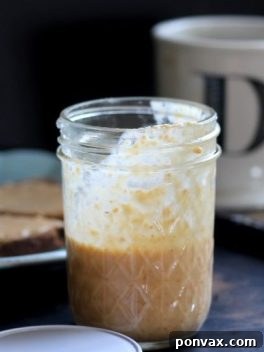
Once your exquisite toasted coconut butter is complete and has reached your desired consistency, carefully pour it into a clean, airtight jar or a small container. You have the flexibility to store it at room temperature in your pantry or extend its life by keeping it in the refrigerator. If stored in the fridge, it will become quite firm, similar to a solid block, due to the natural hardening of coconut oil at cooler temperatures. To soften it for easier spreading or drizzling, simply let it sit at room temperature for a while, or gently warm the jar in a bowl of warm water until it reaches your preferred liquid consistency.
How Long Does Toasted Coconut Butter Last?
One of the many benefits of coconut butter is its impressive shelf stability. When stored properly in an airtight container at room temperature, it can last for at least a year, thanks to the natural preservatives in coconut oil. Refrigeration can further extend its freshness, allowing it to last even longer. However, to be realistic, I highly doubt it will remain untouched for that duration! This spread is so incredibly delicious and addictive that once you’ve experienced its rich, toasted flavor, you’ll undoubtedly find a myriad of creative ways to incorporate this delightful treat into your daily routine. Its irresistible nature means it’s likely to be enjoyed long before its official expiration date.
If you’re already a fan of creamy nut butters or simply adore the tropical essence of coconut, or perhaps both, then this unique and flavorful spread is destined to become a new favorite in your pantry. I certainly can’t get enough of it, and I am confident you’ll feel the same way! Enjoy the rich, aromatic experience that awaits you with every spoonful.
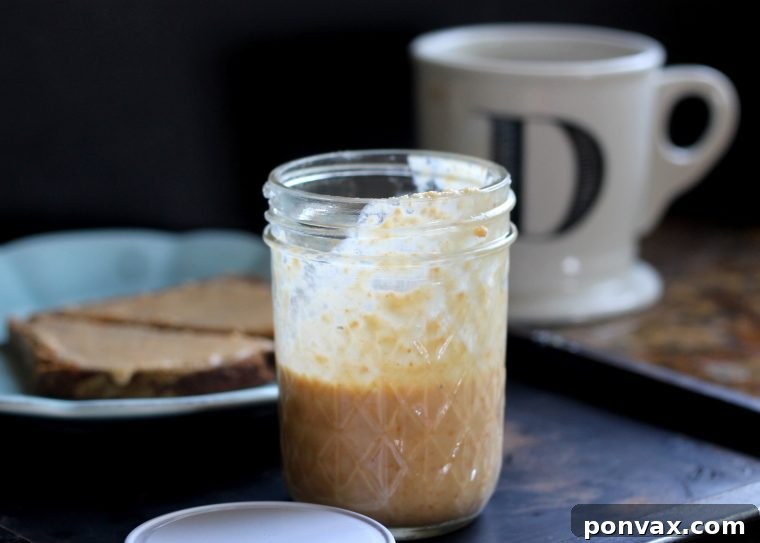
Ways to Enjoy Your Toasted Coconut Butter
The versatility of homemade toasted coconut butter is truly one of its greatest assets. Beyond just spreading it on toast, here are numerous inspiring ideas to incorporate this delightful creation into your meals and snacks:
- Breakfast Booster: Swirl a spoonful into your oatmeal, yogurt, or chia pudding for added flavor and healthy fats. It’s also incredible drizzled over pancakes or waffles.
- Smoothie Enhancer: Add a tablespoon to your morning smoothie for a creamy texture and a boost of coconut goodness.
- Fruit Pairing: Drizzle it over sliced apples, bananas, or berries. The combination of fruit and toasted coconut is heavenly.
- Baking Ingredient: Substitute it for other fats in your baking recipes, especially in cookies, muffins, or energy bars, to impart a wonderful coconut flavor.
- Homemade Candies & Desserts: Use it as a base for healthy homemade truffles, energy balls, or even to create your own coconut butter cups, reminiscent of your favorite chocolate treats.
- Savory Applications: While primarily sweet, a small amount can add depth to certain curries or Asian-inspired sauces for a subtle richness.
- Straight from the Spoon: Let’s be honest, it’s so delicious you might just find yourself enjoying it straight from the jar as a quick, satisfying treat!
Frequently Asked Questions About Toasted Coconut Butter
To help you perfect your homemade toasted coconut butter, here are answers to some common questions:
Can I use sweetened coconut flakes?
No, it’s highly recommended to use unsweetened coconut flakes. Sweetened flakes have added sugars and moisture that can prevent the coconut from breaking down properly into a smooth butter, potentially leading to a gritty texture or even burning.
My coconut butter isn’t getting smooth. What should I do?
Patience is key! It can take longer than expected, especially in a food processor. Ensure you’re processing for enough time (8-10 minutes for food processor, 3-5 for high-powered blender). If your machine is heating up, give it a short break and then continue. For food processors, remember to scrape down the sides frequently to ensure all coconut is reaching the blades. Using a high-powered blender with a tamper also helps immensely.
Why did my coconut butter harden?
Coconut butter, like coconut oil, naturally solidifies at cooler room temperatures (below 76°F or 24°C). This is completely normal! To soften it, simply place the jar in a bowl of warm water for a few minutes, or gently warm it in a microwave safe bowl for 10-20 seconds (stirring frequently) until it’s pourable again.
Can I add flavorings or sweeteners?
Absolutely! After your coconut butter is smooth and creamy, you can mix in a pinch of sea salt to enhance the flavor, a touch of maple syrup or coconut sugar for sweetness, or even a dash of vanilla extract for a more complex profile. Experiment to find your perfect blend!
What’s the difference between coconut butter and coconut oil?
Coconut butter is made from the entire flesh of the coconut, blended until smooth. It contains fiber, protein, and all the nutrients of the coconut meat. Coconut oil, on the other hand, is just the oil extracted from the coconut flesh. While both are great, coconut butter is a more substantial and nutrient-dense spread.
More Coconut-Inspired Delights
If you’re enchanted by the rich flavor and versatility of coconut, you’ll love exploring these other coconut-centric recipes. Each one offers a unique way to enjoy this tropical superfood!
5-Minute DIY Coconut Butter Recipe
Homemade Coconut Butter requires just one ingredient: unsweetened shredded coconut! It’s incredibly easy to make at home in a food processor or high-powered blender in under 5 minutes, offering a multitude of uses. It serves as an excellent spread on its own and can also be seamlessly integrated as an ingredient in various recipes.
Peanut Butter Coconut Truffles
These irresistible Peanut Butter Coconut Truffles are crafted with a mere six simple ingredients, offering endless customization to suit your unique palate! Featuring a delicate chocolate coating and a melt-in-your-mouth texture, these gluten-free, vegan, and keto-friendly truffles are poised to become your new go-to snack or dessert indulgence.
Toasted Coconut Butter Cups
These exquisite Toasted Coconut Butter Cups are meticulously crafted with just four fundamental ingredients. The star of this show is our delightful toasted coconut butter, elegantly encased in a rich, decadent dark chocolate shell. The result is a healthy, homemade candy that will effortlessly satisfy your sweet tooth, reminiscent of your favorite discontinued Eating Evolved coconut butter cups!
By Rachel Conners
Toasted Coconut Butter Recipe
This Toasted Coconut Butter is a one-ingredient treat that only takes minutes to make! It’s a smooth and creamy spread that’s full of flavor and naturally paleo, vegan, and gluten-free. Perfect gift for coconut lovers!
Prep Time: 5 mins
Cook Time: 5 mins
Total Time: 10 mins
Ingredients
- 2 cups or more unsweetened, flaked coconut
- Coconut sugar, optional, to taste
- Sea salt, optional, to taste
Equipment
- Vitamix or high-powered blender
- Food Processor (optional alternative)
- Unsweetened Coconut Flakes (the main ingredient)
- Airtight Jars for storage
Instructions
- Preheat your oven to 350 degrees F (175°C). Spread the unsweetened coconut flakes evenly on a baking sheet. Toast in the preheated oven for 5-7 minutes, or until they turn lightly golden brown and become fragrant. Watch them carefully, as coconut can burn quickly. Let the toasted coconut cool for about 10 minutes before proceeding.
- Transfer the cooled, toasted coconut into a food processor or a high-powered blender (such as a Vitamix). Begin processing on high speed. The coconut will go through several stages: from coarse crumbs to a finer meal, then to a thick paste as the oils are released. In a food processor, you’ll need to stop occasionally to scrape down the sides. Continue processing for 5-7 minutes in a blender, or 8-10 minutes in a food processor, until the mixture transforms into a thin, smooth, and liquid consistency.
- Once the coconut butter is smooth, taste it and add coconut sugar (if using) and/or sea salt to your preference. Process for another 10-15 seconds to ensure everything is well combined.
- Carefully pour the fresh toasted coconut butter into a small, airtight jar. It will harden as it cools down to room temperature.
- Store your homemade toasted coconut butter at room temperature for up to 2 months, or in the refrigerator for an extended shelf life (it can last indefinitely when refrigerated).
Did you make this recipe? We’d love to hear from you! Please consider leaving a star rating and review.