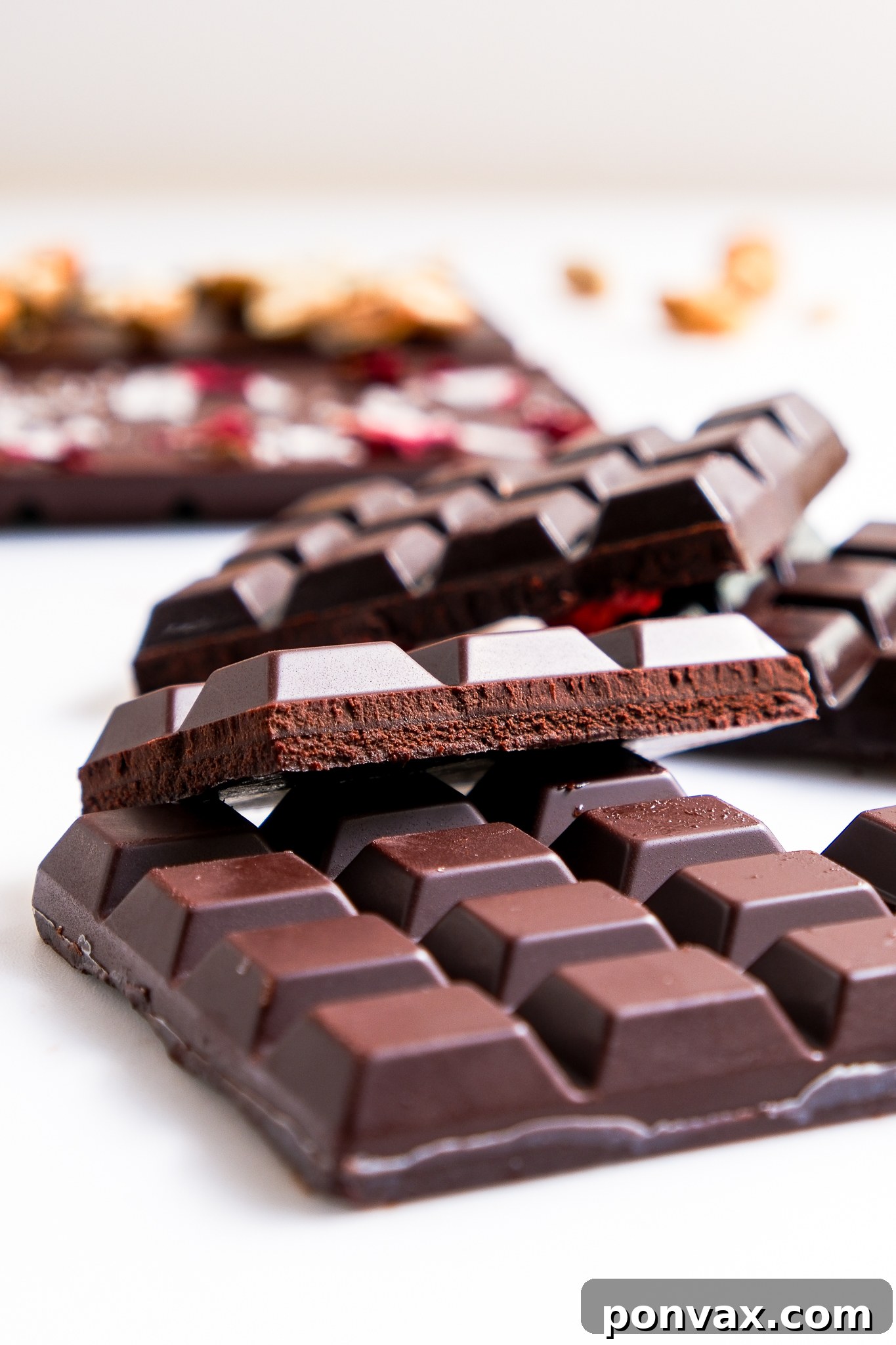
Indulge Guilt-Free: The Ultimate Guide to Healthy Homemade Chocolate Bars & Chunks
Discover the secret to crafting exquisite, melt-in-your-mouth dark chocolate at home with this incredibly easy, three-ingredient recipe. Perfect for those seeking Paleo-friendly, refined sugar-free, or vegan chocolate alternatives, these homemade bars and chunks are a game-changer for snacking and baking alike.
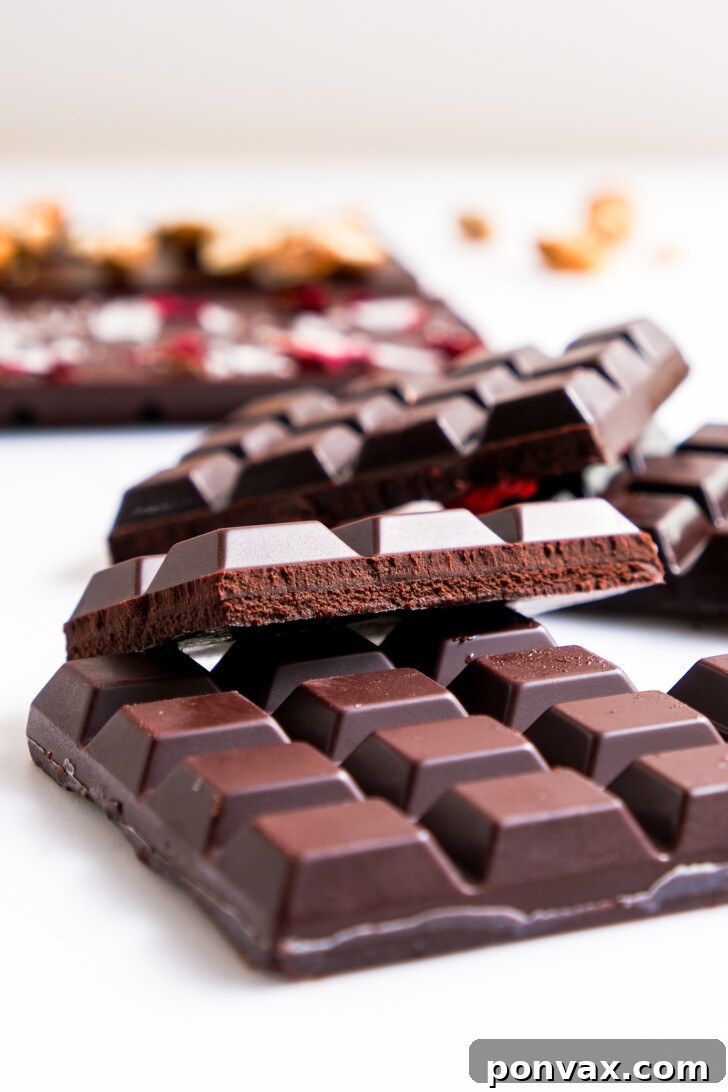
Why Make Your Own Healthy Homemade Chocolate?
There’s a unique satisfaction that comes with creating your own treats, and chocolate is no exception. This particular recipe for healthy homemade chocolate is one I’m thrilled to share because it’s not just easy; it consistently produces the most delightful, rich, and truly melt-in-your-mouth chocolate. Beyond satisfying those intense chocolate cravings, this versatile creation serves as an ideal substitute for conventional sweetened chocolate chips or chunks in all your favorite baked goods.
The beauty of making your own chocolate lies in its purity and adaptability. You gain complete control over the ingredients, ensuring it meets specific dietary needs such as Paleo, refined sugar-free, or vegan lifestyles. Imagine knowing exactly what goes into every bite – no hidden additives, artificial sweeteners, or dairy if you choose to avoid it. This empowers you to enjoy chocolate without compromise, tailored precisely to your preferences and health goals.
I’ve personally tested these homemade Paleo chocolate chunks in a variety of my recipes, including my Paleo Chocolate Chunk Banana Bread and my Paleo Chocolate Chunk Pumpkin Bread. In both, they maintain their luscious, melty texture, infusing every bite with deep chocolatey goodness. They also perform beautifully in my Paleo Chocolate Chip Cookies and Paleo Chocolate Chip Blondies. The consistent success across these diverse treats truly highlights how easy and effective this homemade chocolate recipe is.
Essential Ingredients for Your Healthy Homemade Chocolate
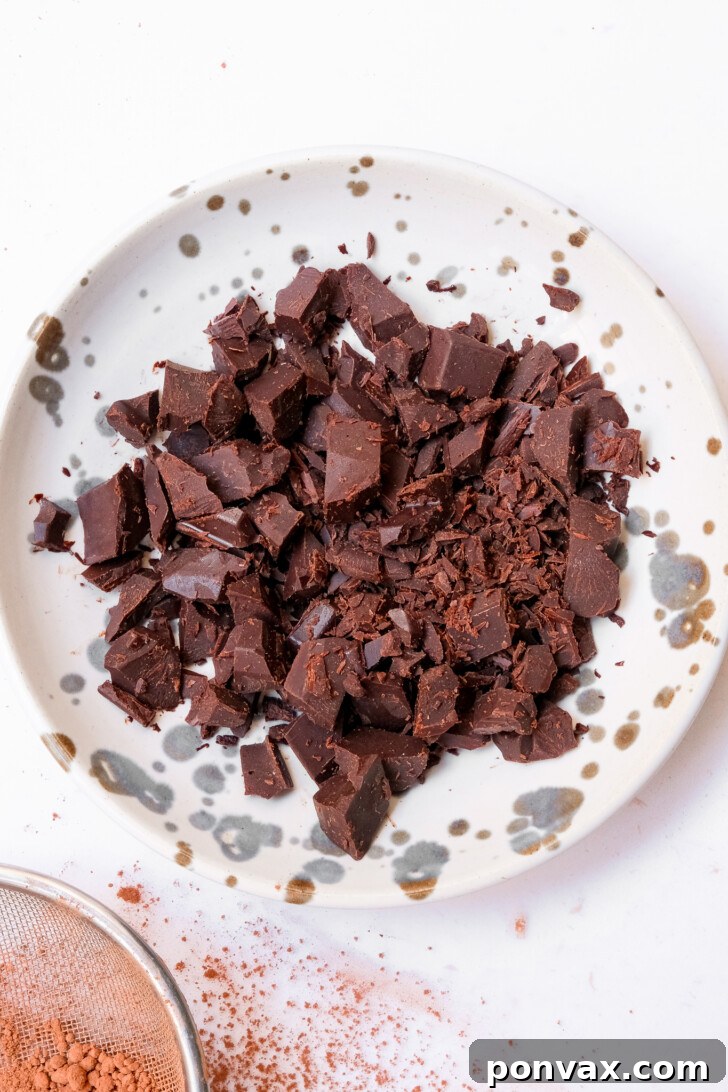
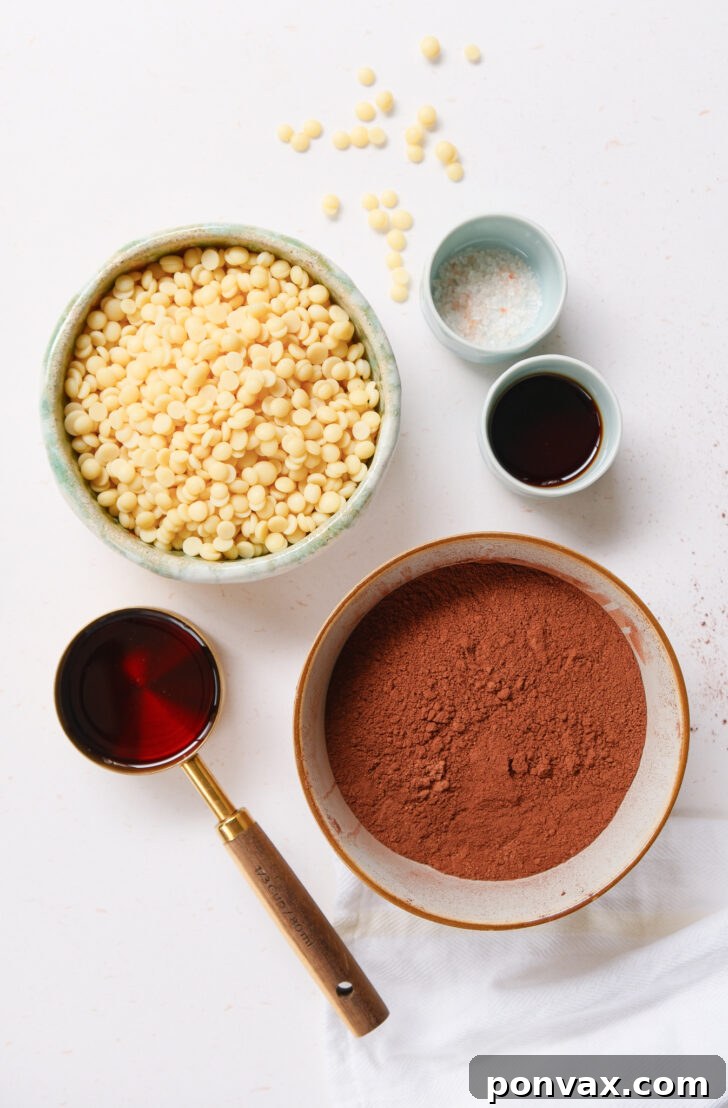
Crafting these delectable homemade chocolate bars requires just three core ingredients, with a couple of optional additions to enhance the flavor even further. The simplicity of the ingredient list not only makes this recipe incredibly approachable but also guarantees a clean, wholesome chocolate experience.
- Cacao Butter or Coconut Oil: This forms the essential base of your chocolate. Both options offer unique characteristics, which we’ll delve into shortly. If you opt for coconut oil, it's crucial to select a refined variety to ensure your chocolate doesn't carry a distinct coconut flavor, unless that's your desired taste profile. Cacao butter, being the traditional fat used in chocolate making, often yields a more authentic chocolate texture.
- Maple Syrup: Our preferred natural sweetener for this recipe. Maple syrup provides a beautiful, nuanced sweetness without the need for refined sugars. Its liquid consistency is key here, as granulated sweeteners, even natural ones, can lead to a gritty texture in your finished chocolate. You can also use honey or another liquid sweetener like agave, but be mindful that honey may alter the flavor slightly.
- Cacao or Cocoa Powder: This is where the rich chocolate flavor comes from! Both cacao and cocoa powder will work wonderfully. Cacao powder is the raw, unprocessed form, retaining more nutrients, while cocoa powder is roasted. Choose a high-quality powder for the best depth of flavor.
- Vanilla Extract (Optional): A splash of good quality vanilla extract can elevate the flavor profile of your homemade chocolate, adding a layer of warmth and complexity. While optional, it’s highly recommended for a truly gourmet taste.
- Salt (Optional): Just a tiny pinch of salt can surprisingly enhance the sweetness and deepen the overall chocolate flavor. It’s a trick chefs use to balance tastes. Feel free to skip it if you’re not a fan of that sweet-and-salty combination.
Choosing high-quality ingredients is paramount for the best results. Since there are so few components, each one truly shines through, so invest in the best cacao or cocoa powder and a pure maple syrup you can find.
Cacao Butter vs. Coconut Oil: Choosing Your Chocolate Base
The choice between cacao butter and coconut oil is perhaps the most significant decision you'll make when preparing this healthy homemade chocolate, as each imparts distinct characteristics to the final product. Understanding these differences will help you decide which base best suits your needs and desired chocolate experience.
Cacao Butter (or Cocoa Butter): This is the traditional fat derived from the cacao bean, lending chocolate its characteristic snap and smooth melt. Cacao butter is often preferred for a more authentic chocolate texture. It’s naturally stable at room temperature, which makes for a firmer, more shelf-stable chocolate that holds up well, even in warmer environments. When used in baking, cacao butter chocolate tends to retain its shape and firmness better, providing a more robust structure to your treats. While it can be a bit more expensive and sometimes harder to source than coconut oil, the results are often worth the investment for chocolate connoisseurs.
Coconut Oil: A popular alternative, coconut oil is widely available and typically more budget-friendly. However, it reacts differently to temperature. Coconut oil-based chocolate will be softer and melt much more easily, meaning it generally requires refrigeration to maintain its solid form. Without refrigeration, especially in a warm kitchen, it will quickly revert to a liquid state. If you opt for coconut oil, be sure to use refined coconut oil. Unrefined (virgin) coconut oil carries a strong coconut flavor, which will undoubtedly influence the taste of your chocolate. Refined coconut oil, on the other hand, is virtually tasteless, allowing the pure chocolate flavor to shine through.
Here’s a quick summary to guide your choice:
- Texture & Stability: Cacao butter yields a firmer, more shelf-stable chocolate that bakes better into treats. Coconut oil results in a softer chocolate that melts easily and requires refrigeration.
- Flavor: Cacao butter offers a neutral base, letting the cacao powder dominate. If using coconut oil, choose refined to avoid a coconut flavor.
- Availability & Cost: Coconut oil is generally more accessible and less expensive than cacao butter.
Both options create delicious homemade chocolate, but your choice will impact the texture, storage, and slight flavor notes. Consider how you intend to use your chocolate – for snacking, baking, or gifting – to make the best decision.
How to Make Healthy Homemade Chocolate: A Simple Step-by-Step Guide
The process of making this healthy homemade chocolate is surprisingly straightforward, proving that delicious, wholesome treats don't have to be complicated. With minimal effort, you can create your own batch of pure chocolate bliss.
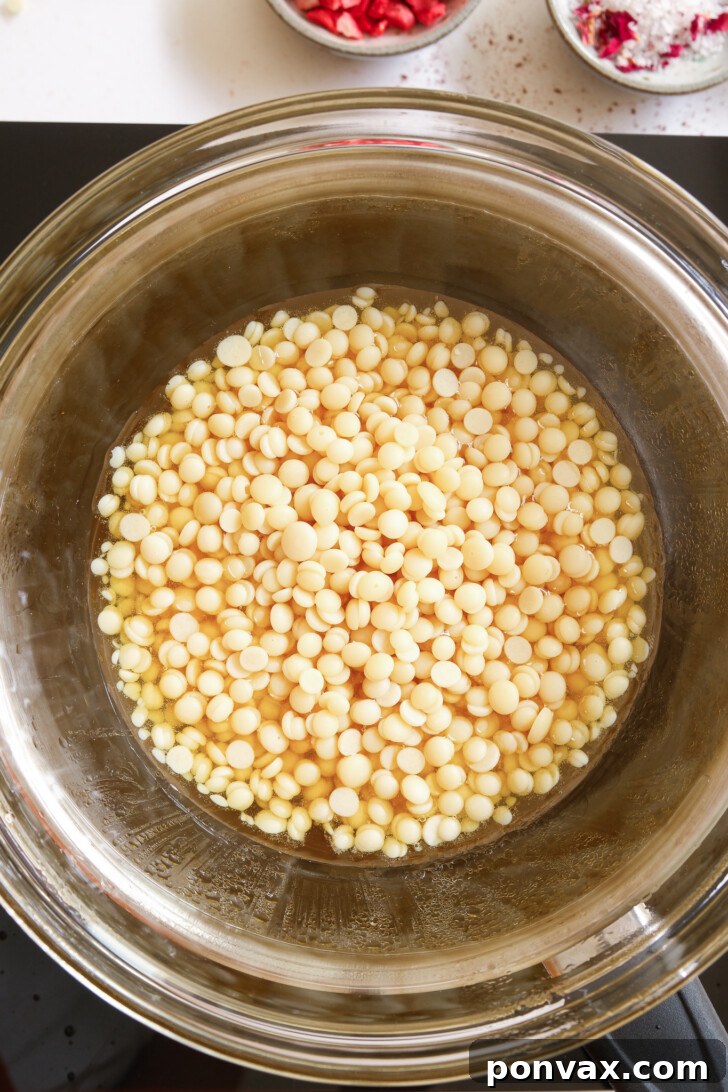
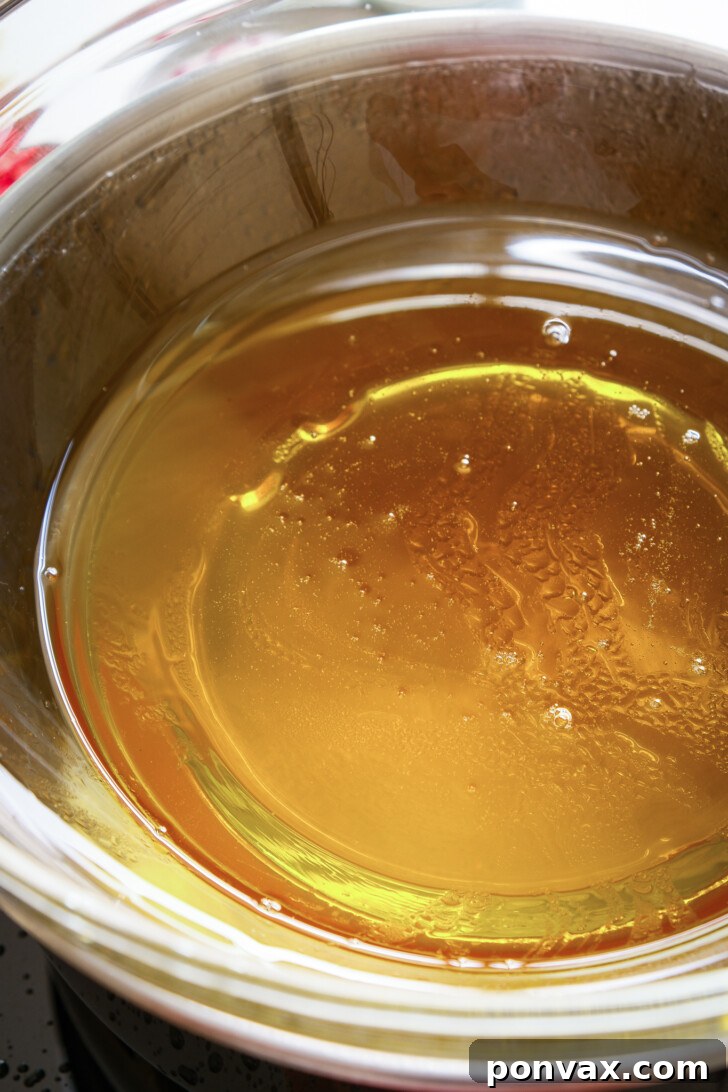
- Melt the Base: Begin by melting your chosen fat – cacao butter or refined coconut oil. If you're using cacao butter and melting it on the stovetop, I highly recommend using a double boiler. This gentle heating method prevents the cacao butter from burning or seizing, ensuring a smooth, even melt. For coconut oil, a regular saucepan on low heat works well. Alternatively, both can be melted in the microwave: heat in 30-second intervals, stirring thoroughly after each, until fully liquefied and smooth.
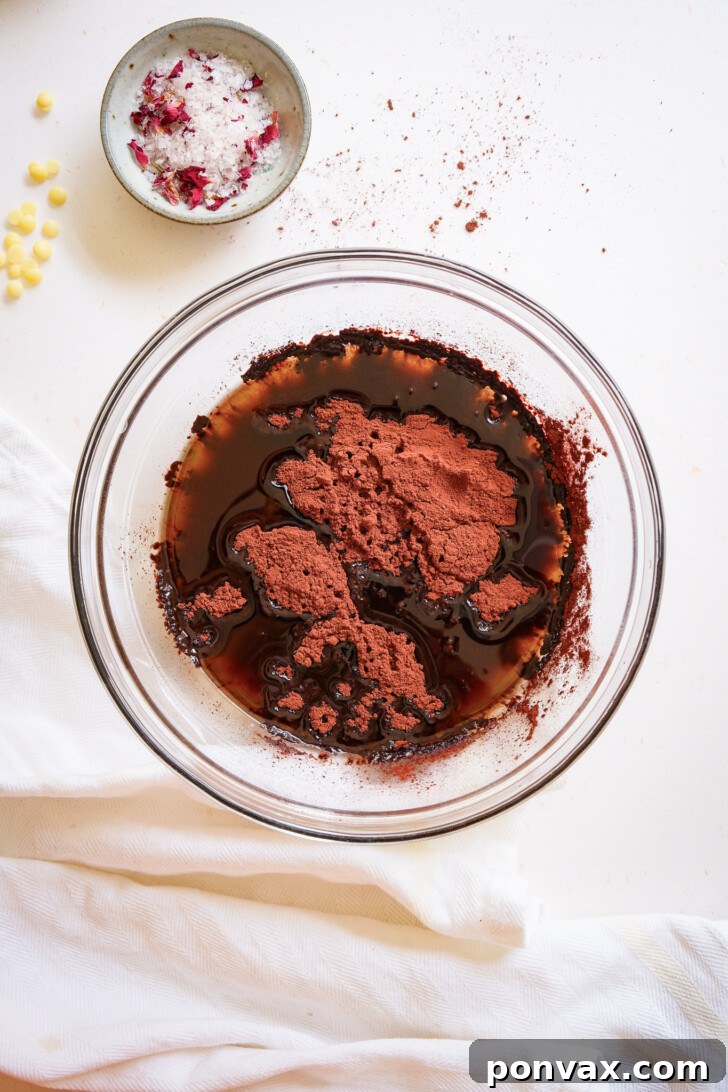
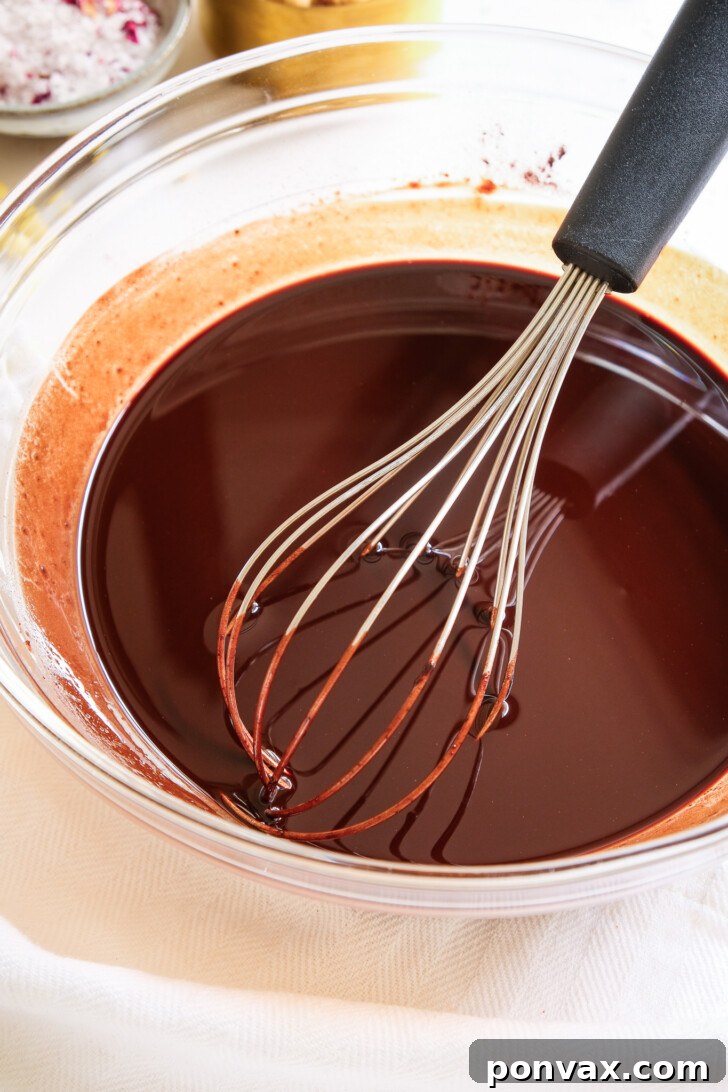
- Combine Ingredients: Once your base is melted and perfectly smooth, remove it from the heat. Now, it’s time to incorporate the flavor. Add the high-quality cocoa or cacao powder, maple syrup (or your preferred liquid sweetener), and if using, the optional splash of vanilla extract and pinch of salt. Whisk everything together vigorously until the mixture is completely smooth, glossy, and uniform in color. Ensure there are no lumps of powder remaining.
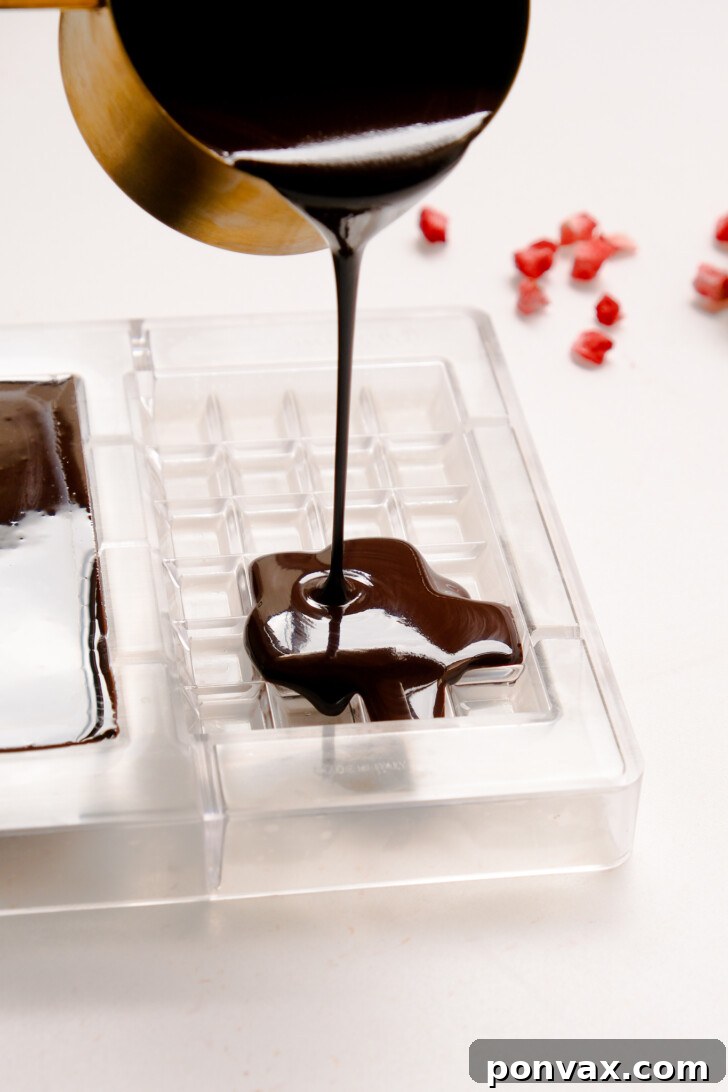
- Pour and Customize: Carefully pour the freshly made chocolate mixture into your chosen mold. This could be a baking pan lined with parchment paper for making chocolate chunks, or individual chocolate bar molds for perfectly shaped bars. This is also the perfect moment to add any desired toppings or mix-ins!
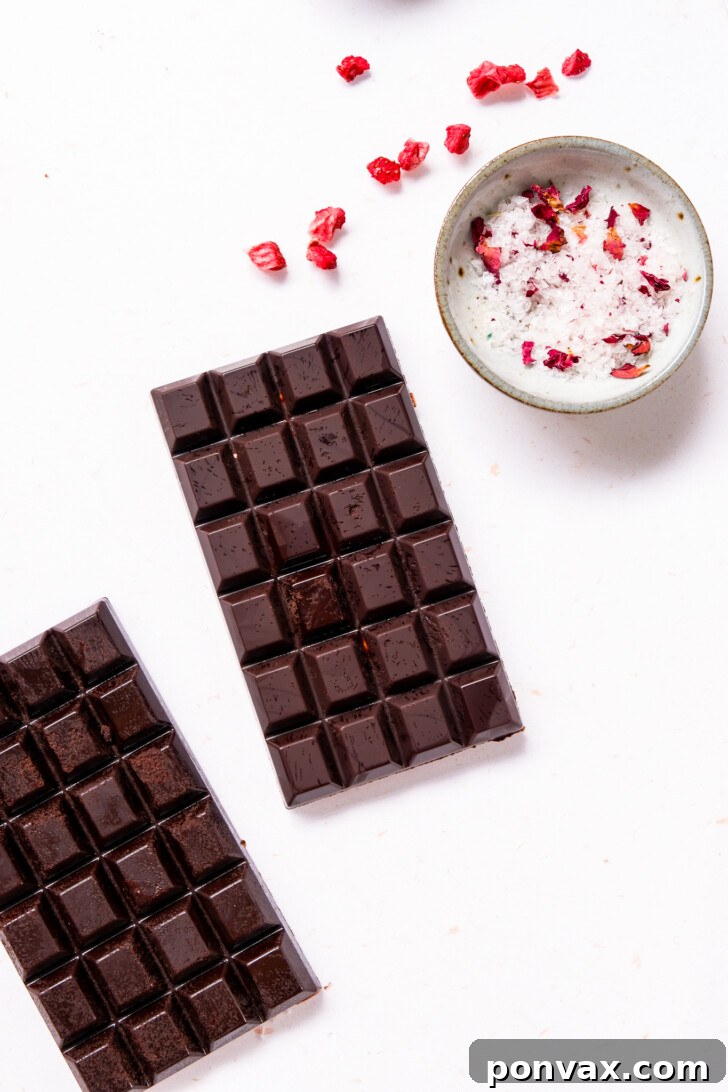
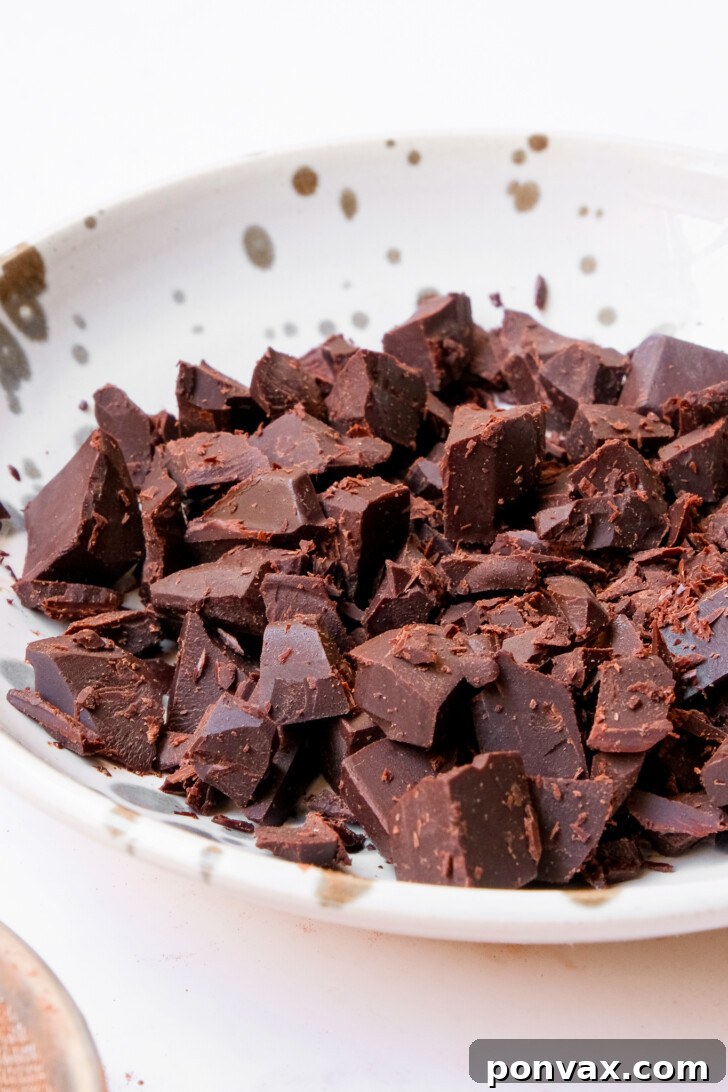
- Chill to Set: Place the chocolate in the refrigerator and allow it to chill until it’s completely firm, which usually takes about an hour. Once set, if you made a sheet of chocolate, you can easily break or chop it into irregular chunks. If you used molds, simply pop out your beautifully formed chocolate bars. Store your homemade chocolate as recommended to maintain its perfect texture.
And just like that, you have homemade chocolate ready to enjoy as a snack, or to incorporate into your favorite baking recipes. The ease of this process makes it a joy to repeat!
Unleash Your Creativity: Customizing Your Healthy Homemade Chocolate
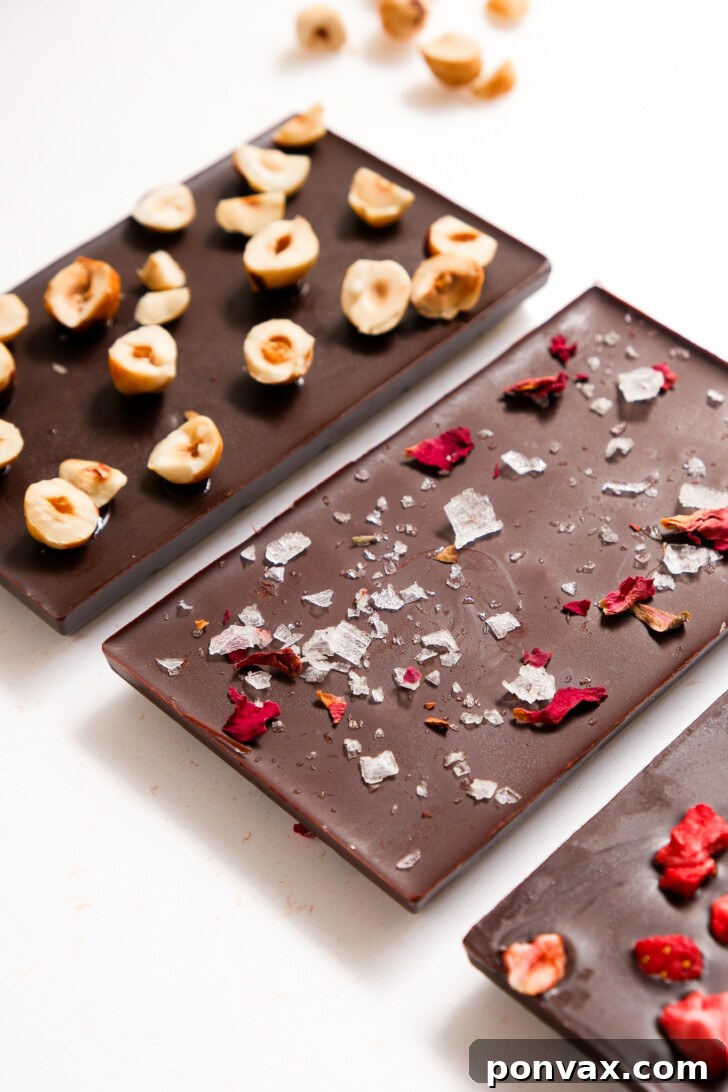
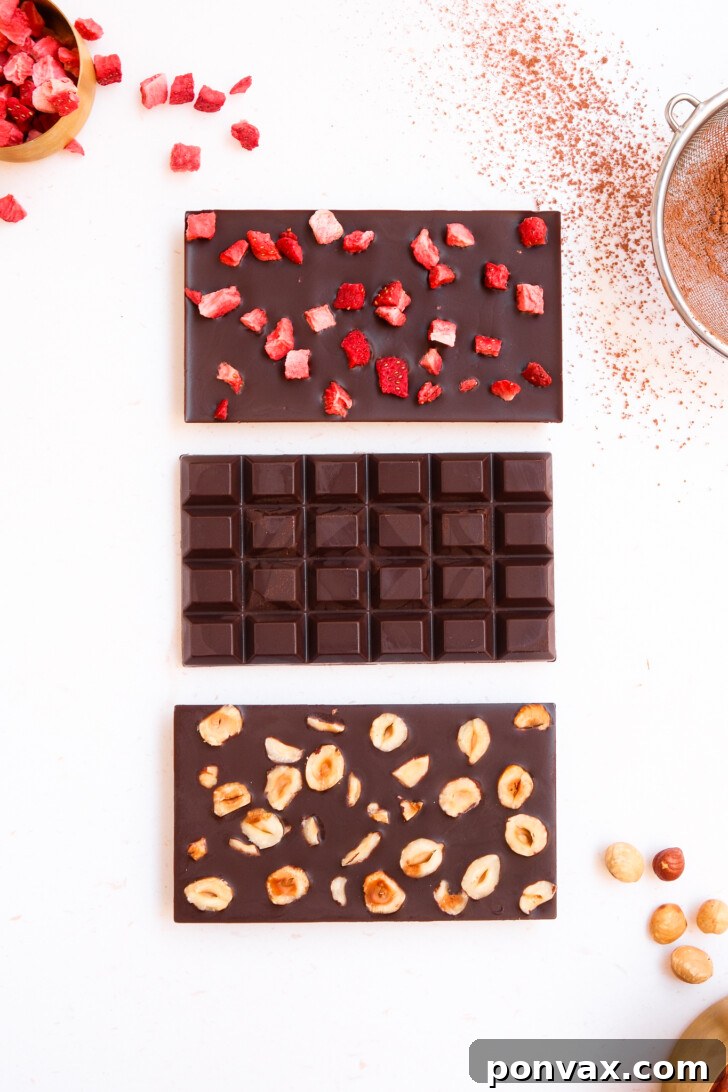
Making homemade chocolate bars opens up a world of customization possibilities. Beyond just chunks, you can use a dedicated chocolate bar mold to create professional-looking bars. The real fun, however, begins with the mix-ins!
Once you’ve poured your chocolate into the pan or molds, and before it fully sets, you have the perfect opportunity to personalize your creation. Consider adding any of your favorite ingredients to enhance both flavor and texture. The options are truly limitless, allowing you to tailor each batch to your specific cravings. Some fantastic ideas include:
- Nuts: Chopped almonds, pecans, walnuts, cashews, or even pistachios add a delightful crunch and nutty flavor. Lightly toast them beforehand for an even richer taste.
- Seeds: Pumpkin seeds (pepitas), sunflower seeds, or chia seeds provide healthy fats and a subtle texture.
- Dried Fruit: Sweet and chewy dried cranberries, cherries, raisins, or chopped apricots can add a burst of fruity flavor.
- Coconut: Shredded or flaked coconut, toasted or plain, offers a tropical twist and appealing chewiness.
- Nut Butter Swirl: For an indulgent touch, drizzle warm peanut butter, almond butter, or cashew butter over the chocolate and swirl it gently with a toothpick before chilling.
- Spices: A pinch of cinnamon, cayenne pepper (for a Mexican hot chocolate vibe), or even a touch of cardamom can add unexpected depth.
- Extracts: Beyond vanilla, consider peppermint extract for a mint chocolate, almond extract, or orange extract for a citrusy note.
- Sea Salt Flakes: A sprinkle of flaky sea salt on top before chilling beautifully contrasts the sweetness of the chocolate.
Experiment with different combinations to discover your signature homemade chocolate bar. This makes for fantastic personalized gifts or a special treat just for yourself!
Optimal Storage for Your Homemade Chocolate
Proper storage is key to maintaining the perfect texture and extending the life of your healthy homemade chocolate. While it might be tempting to leave it out, especially if you used a cacao butter base, I highly recommend storing this chocolate in the refrigerator.
This is particularly crucial if you opted for the coconut oil base. Coconut oil has a lower melting point than cacao butter, meaning that in a warm kitchen, your beautiful chocolate bars or chunks will quickly melt into a pool of chocolate-flavored coconut oil – definitely not the desired outcome! Even with a cacao butter base, which offers more shelf stability at room temperature, it's wise to avoid keeping it in a warm or sunny spot, just as you would with any fine quality chocolate. The cool, consistent temperature of the fridge will keep your chocolate firm, crisp, and ready to enjoy whenever a craving strikes.
Beyond Snacking: How to Use Your Homemade Chocolate
This healthy homemade chocolate isn't just for satisfying direct cravings; it's an incredibly versatile ingredient for a multitude of culinary applications. The best part? You have the complete assurance of knowing exactly what went into it. No need to wonder if your chocolate is dairy-free, refined sugar-free, vegan, or Paleo-friendly – you've made it that way!
Beyond being a delightful stand-alone snack, consider these fantastic ways to integrate your homemade chocolate:
- Baking: Chop it into chunks or smaller chips for cookies, brownies, blondies, muffins, or quick breads. Its superior quality will elevate any baked good.
- Hot Chocolate: Melt a few chunks into warm milk (dairy or plant-based) for a rich, comforting, and wholesome hot chocolate.
- Dessert Topping: Shave or grate it over ice cream, yogurt, fruit salads, or even your morning oatmeal for an elegant touch.
- Ganache or Frosting: Melt and combine with a bit of coconut cream for a simple, decadent ganache or frosting.
- Energy Bites: Incorporate chopped chunks into homemade energy balls or bars for a healthy boost.
You can also easily adjust the amount of maple syrup or cocoa powder to make it darker or sweeter, perfectly suiting your individual taste preferences. This level of customization is simply not possible with store-bought options.
Give this recipe a try – I’m confident you'll be impressed by how simple it is to create your own high-quality chocolate. Enjoy the pure, unadulterated pleasure of homemade chocolate!
Delicious Recipes Featuring Your Homemade Chocolate
Once you master the art of homemade chocolate, a world of possibilities opens up for your baking endeavors. Here are some incredible recipes where your healthy homemade chocolate will truly shine, adding a refined, guilt-free touch:
Paleo Chocolate Chip Cookies (with a Vegan Option)
This recipe for Paleo Chocolate Chip Cookies is my absolute go-to for a healthy yet indulgent treat! My taste testers were consistently fooled, having no idea these cookies were gluten-free, grain-free, Paleo, and refined sugar-free. These are among my most popular recipes and can effortlessly be made vegan. Using your homemade chocolate chunks will make them even more special.
Fudgy Vegan Gluten-Free Brownies
These incredible Vegan Gluten-Free Fudge Brownies boast a mere 10-minute prep time and are guaranteed to be better than any box mix! Naturally sweetened, dairy-free, super-rich, and intensely fudgy, they are profoundly satisfying. Your homemade chocolate chunks will melt beautifully within these brownies, adding unparalleled depth of flavor.
Vegan Oatmeal Chocolate Chip Bars
Imagine your favorite oatmeal chocolate chip cookie, but pressed into perfectly portable, delightfully chewy bars! These Vegan Gluten-Free Oatmeal Chocolate Chip Bars are guaranteed to be a hit. This easy vegan dessert takes only 30 minutes from start to finish. The addition of your fresh homemade chocolate chips will make these bars irresistible.
Healthy Homemade Chocolate (Bars and Chunks)
Pin Recipe
5
5
2
cups chocolate chunks
Ingredients
- ¾ cup cacao butter, 163g or refined coconut oil (172g), cacao butter will result in a firmer chocolate that bakes better whereas coconut oil will be softer and melt more easily
- ¾ cup 64g cocoa powder
- ⅓ cup 111g maple syrup or honey
- 1 teaspoon vanilla extract, optional
- ⅛ teaspoon salt, optional
Instructions
-
First, melt the cacao butter or coconut oil. If using cacao butter, I recommend melting it in a double boiler over low heat. Coconut oil can be melted in a saucepan on low heat. You can also melt either in the microwave. Start by heating for about 30 seconds, stir, and heat in 15-second increments, stirring between each, until melted.
-
Stir the cocoa powder, maple syrup or honey, and if using, vanilla extract and salt, into the melted cacao butter or coconut oil until completely smooth.
-
Pour the mixture into a lined baking pan or sheet, or to make homemade chocolate bars, pour into a chocolate bar mold. You can add extras like nuts, dried fruit, or coconut either mixed into the chocolate or placed on top of the still-warm chocolate.
-
Refrigerate until chilled, about 1 hour. If you’ll be using the chocolate for baking, chop it into chunks. Store in the refrigerator.
Did you make this recipe?
Please consider leaving a star rating and review!