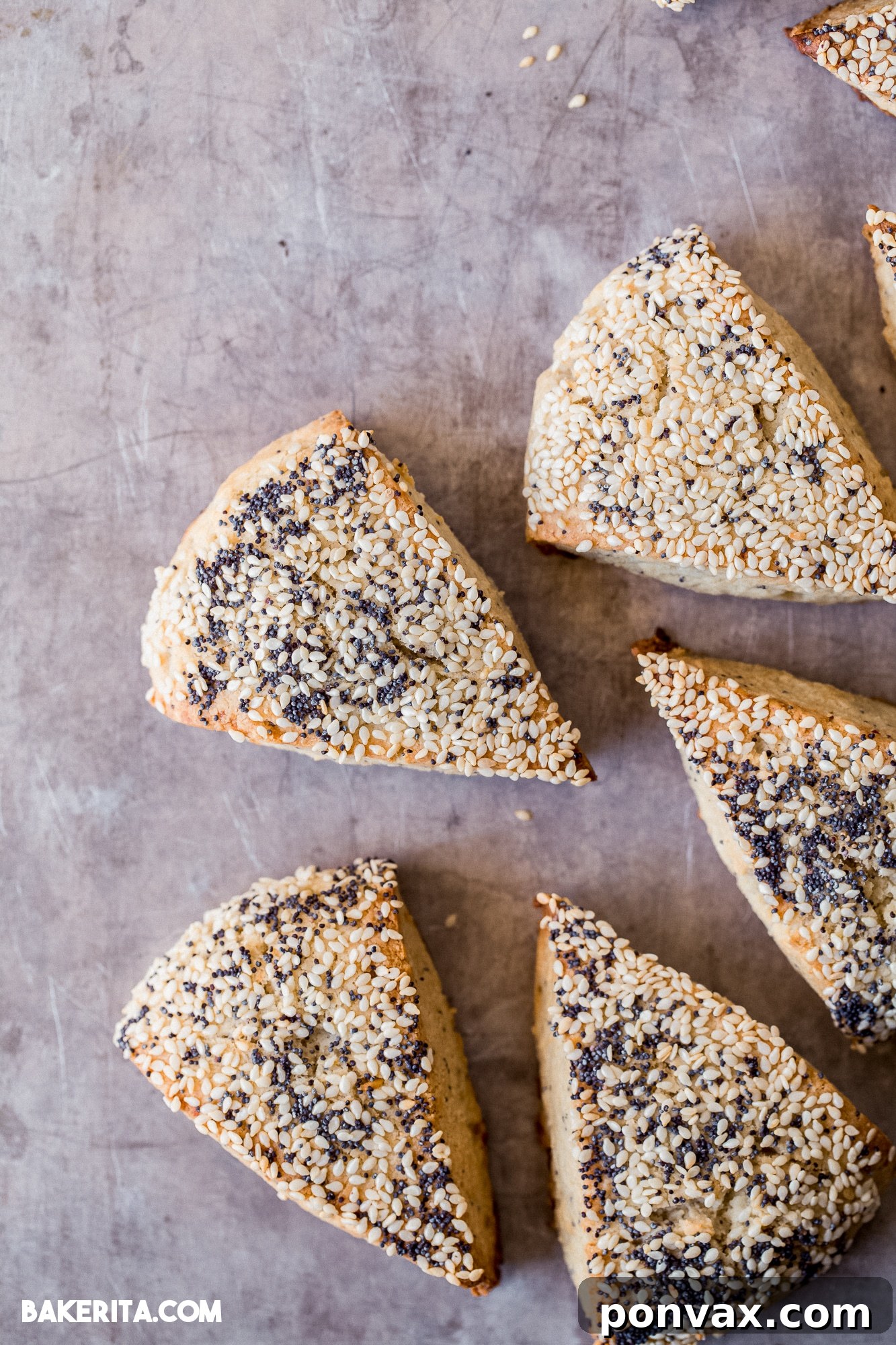
Discover the ultimate way to transform your gluten-free sourdough discard into something truly spectacular: these incredibly savory Gluten-Free Sourdough Scones. Crafted to be entirely dairy-free and vegan, they offer a delightful solution for reducing waste while enjoying a delicious breakfast, brunch, or satisfying snack. Whether you’re a seasoned sourdough baker or just starting your journey, this recipe provides a flavorful and practical use for that often-overlooked ingredient.
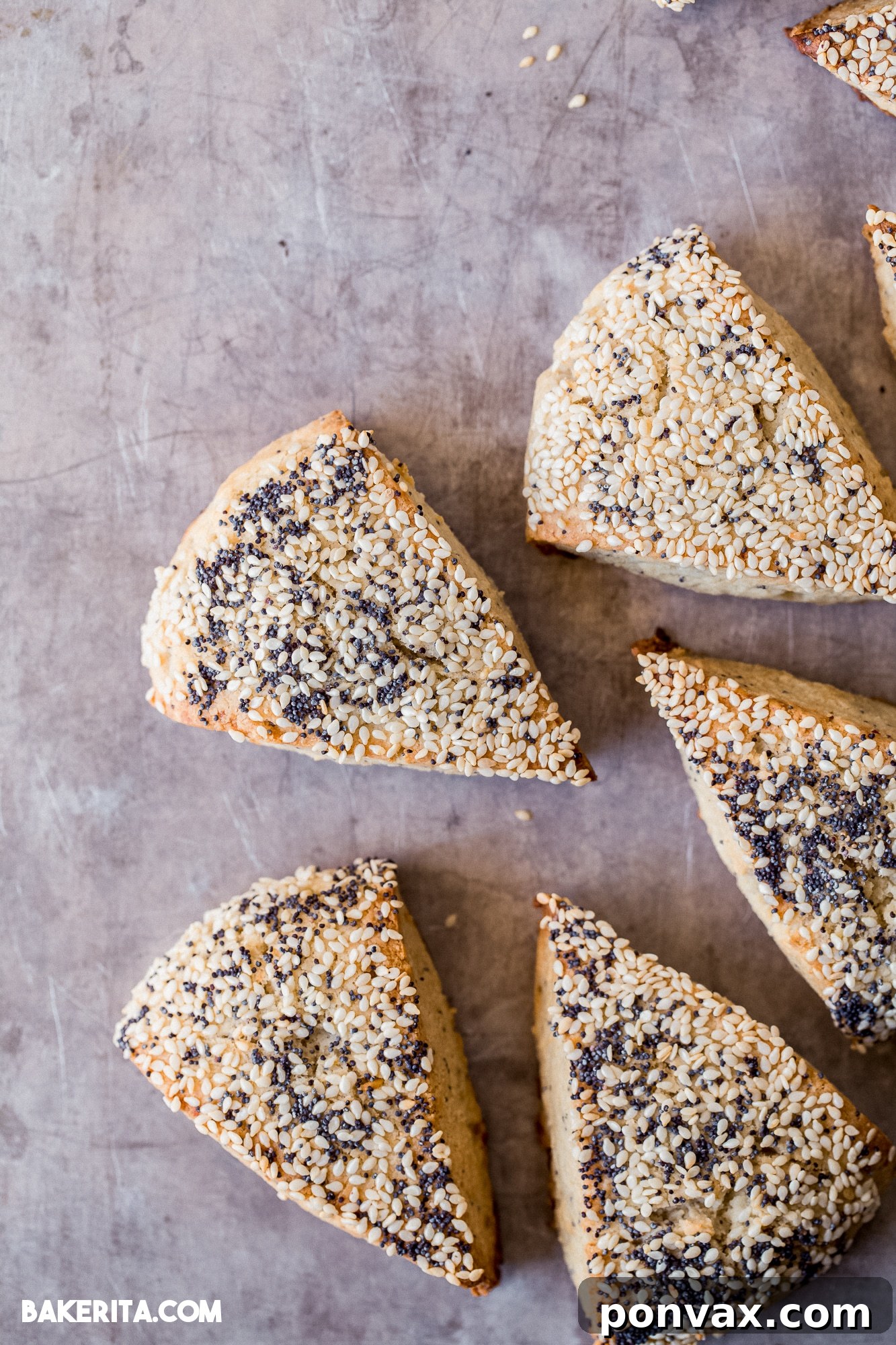
The fascinating world of sourdough baking has captured the hearts of home cooks and professional bakers alike. Here at [Your Blog Name/Author Name], we’ve been deeply immersed in this artisan craft, especially exploring the nuances of creating exquisite gluten-free sourdough bread. There’s an unparalleled joy in nurturing a lively gluten-free sourdough starter, witnessing its bubbly activity, and ultimately pulling a perfectly golden, crunchy loaf of bread from your oven. It’s a rewarding journey that connects us to ancient baking traditions while offering delicious, wholesome results tailored to modern dietary needs.
However, any dedicated sourdough enthusiast understands that maintaining a robust and vibrant starter comes with its own ritual: regular feedings. To keep the starter healthy, active, and at a manageable volume, a portion must be “discarded” before each new feeding. This practice, while essential for the starter’s vitality, often presents a delightful dilemma: how to minimize food waste while maximizing flavor? This is precisely where the magic of sourdough discard recipes comes into play, transforming what might be considered excess into an exciting opportunity for innovative culinary creations.
Instead of letting that valuable gluten-free sourdough discard go to waste, imagine the possibilities of transforming it into a myriad of delectable treats! From crispy cinnamon sugar crackers that perfectly balance sweet and tangy notes, to rich and chewy sourdough chocolate chip cookies that boast a unique depth of flavor, your discard is a hidden gem. And now, with these irresistible gluten-free sourdough scones, every precious bit of your sourdough discard can serve a delicious purpose. It’s not just about baking; it’s about embracing sustainable kitchen practices and celebrating the incredible versatility of this fermented wonder.
Discover More: My Favorite Ways to Use Gluten-Free Sourdough Discard!
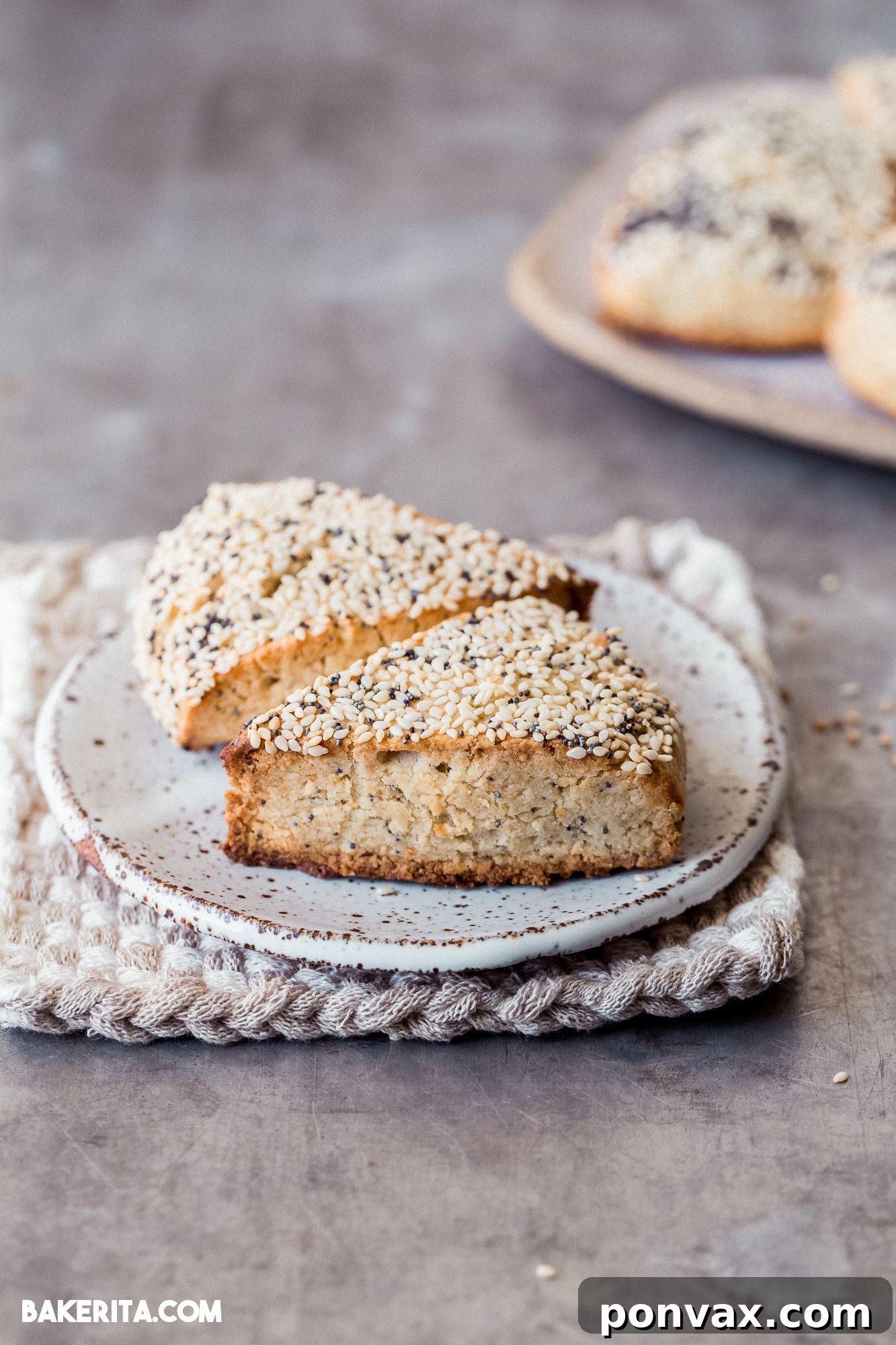
Understanding Sourdough Discard: A Baker’s Flavorful Secret
For those embarking on their sourdough journey, the term “sourdough discard” might initially sound confusing, or even like something to be simply thrown away. However, understanding its true nature reveals it to be a valuable and flavorful ingredient. When cultivating a sourdough starter, whether it’s a traditional wheat-based one or a gluten-free version, consistent feeding with fresh flour and water is crucial for maintaining its health, activity, and distinct flavor profile. To prevent the starter from growing too large and to ensure its peak performance, a portion—typically half—is removed before each new feeding. This removed portion is what we refer to as “sourdough discard.”
It’s important to clarify that sourdough discard is not “waste” in the conventional sense, nor is it spoiled. It is simply the unfed portion of your starter, which, while it may not possess the robust leavening power of an active, recently fed starter, is still brimming with the complex flavors developed during fermentation. It carries a delightful tang, a subtle acidity, and a unique character that can dramatically enhance a wide variety of baked goods. In recipes like these scones, where leavening is primarily achieved through baking powder, the discard contributes unparalleled depth and tenderness.
At [Your Blog Name/Author Name], we are passionate about a zero-waste philosophy in the kitchen. There’s no reason to let such a rich and versatile ingredient go to waste when it can elevate your baking to new heights. I habitually scoop my sourdough discard into a clean, airtight jar and store it, ready to be incorporated into another delicious creation, whether it’s later that day or week. This mindful practice not only honors the ingredients but also significantly expands your culinary repertoire, opening up endless possibilities beyond simply baking bread. Embrace your discard; it’s a true baker’s treasure!
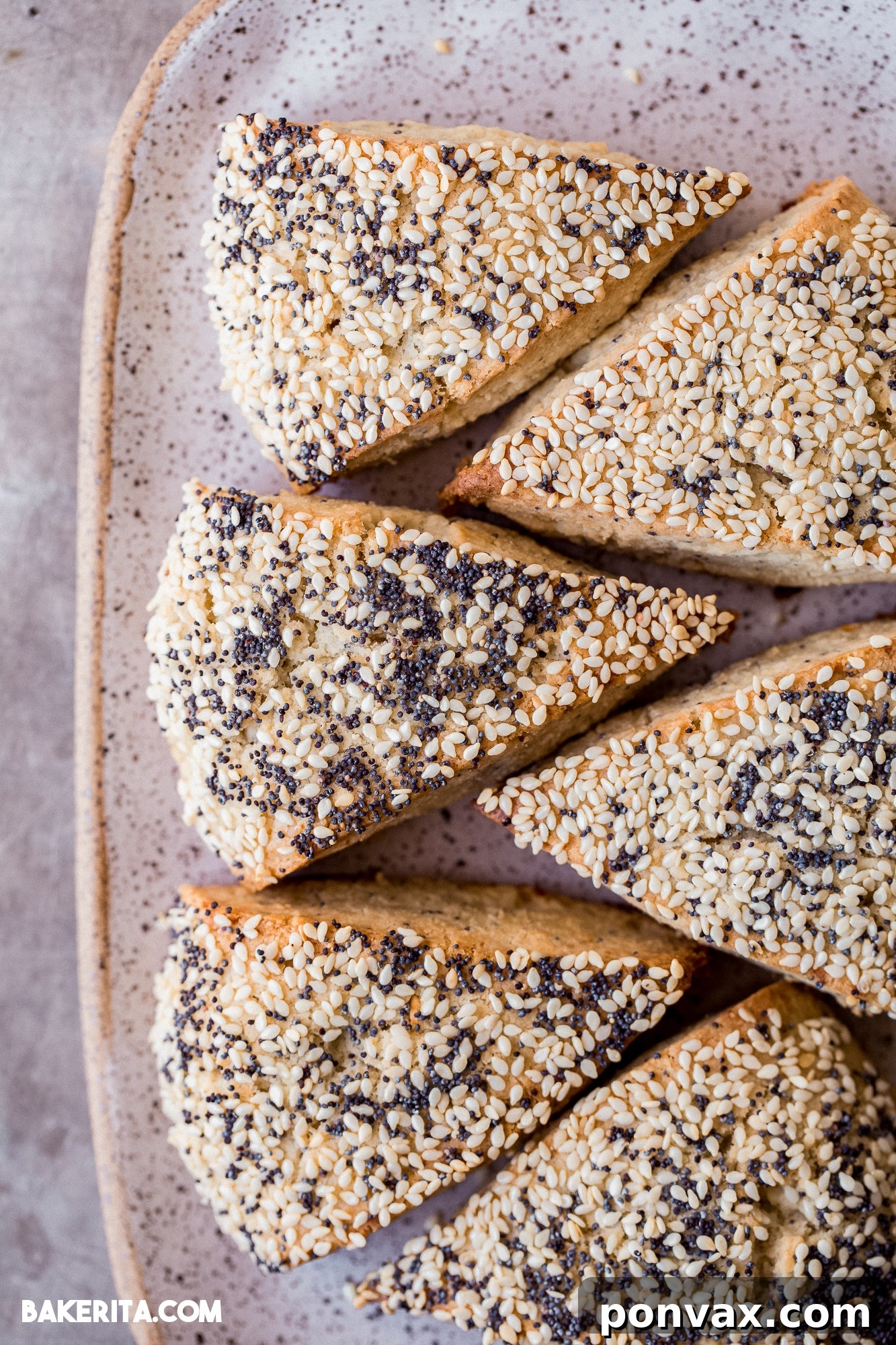
Storing Sourdough Discard for Future Baking Delights
Life can be wonderfully unpredictable, and sometimes, even with the best intentions, you might not have the immediate opportunity to bake with your freshly generated sourdough discard. The fantastic news is that sourdough discard is remarkably forgiving and can be easily stored for future use, ensuring that every bit of its potential is unlocked. There’s absolutely no need to discard it permanently when it can be saved and transformed into even more delectable goodies, such as these fabulous gluten-free sourdough scones, at your convenience!
For short-term storage, the refrigerator is your ideal solution. Simply transfer your gluten-free sourdough discard into a clean, airtight jar or container. Label it with the date to keep track of its age. Stored in the refrigerator, discard can typically remain fresh and flavorful for up to a week. The cooler temperatures significantly slow down the fermentation process, preserving its unique tangy essence without allowing it to become overly sour or too active for recipes that require inactive discard.
If you anticipate a longer period before you can incorporate your discard into a recipe, the freezer becomes an invaluable tool. Sourdough discard freezes exceptionally well, making it a brilliant option for proactive bakers. You can pour it into an airtight freezer-safe container, or for ultimate portion control, freeze it in smaller amounts using an ice cube tray. Once frozen solid, transfer the discard cubes to a heavy-duty freezer bag, squeezing out as much air as possible to prevent freezer burn. Frozen discard can be kept for up to three months without significant loss of flavor. When you’re ready to use it, simply thaw it in the refrigerator overnight or at room temperature for a few hours until it reaches a pourable consistency. While freezing will render the starter inactive for leavening purposes, its rich flavor profile will remain perfectly intact, making it ideal for recipes like these scones, which rely on baking powder for their lift.
Essential Ingredients for Perfect Gluten-Free Sourdough Scones
Crafting the perfect gluten-free sourdough scone requires a thoughtful selection of ingredients that not only accommodate dietary restrictions but also contribute to a delightful texture, flavor, and overall baking success. Here’s a detailed look at what you’ll need and why each component is crucial for these savory, dairy-free, and vegan delights:
- Blanched Almond Flour: This is the primary gluten-free flour in our scone base. Blanched almond flour, made from almonds with their skins removed, provides a remarkably fine texture and a delicate, slightly sweet, nutty flavor. It’s naturally low in carbohydrates and high in protein, which contributes to a wonderfully tender crumb – a characteristic often challenging to achieve in gluten-free baking. It is crucial to use blanched almond flour, not almond meal, as the latter is coarser and includes almond skins, which would yield a different and potentially heavier texture.
- Arrowroot Flour or Tapioca Flour: These starchy flours act as crucial binders in gluten-free baking, helping to hold the scone together and preventing excessive crumbliness. They also contribute to a desirable chewiness and lightness, ensuring the scones are not dense or gummy. Both arrowroot and tapioca flours are excellent choices and can be used interchangeably in this recipe, performing very similarly in terms of texture and structure.
- Everything Bagel Seasoning & Nutritional Yeast: These are the dynamic duo responsible for the incredibly savory flavor profile of these scones! Everything Bagel Seasoning, typically a blend of poppy seeds, sesame seeds, dried garlic, dried onion, and flaky sea salt, adds an irresistible crunch and a robust, aromatic complexity. Nutritional yeast, a favorite in vegan cuisine, provides a distinct cheesy, umami depth without any dairy. This combination elevates the scones from simple pastry to a truly addictive savory treat. If you wish to experiment, consider substituting with other savory additions like finely chopped fresh rosemary and thyme, a pinch of smoked paprika, or even a hint of red pepper flakes for a subtle kick. For a sweet variation, simply omit these savory elements and incorporate sugar, cinnamon, or chocolate chips.
- Baking Powder: While our sourdough discard imparts incredible flavor, it typically doesn’t provide significant leavening power in its inactive state (which is what we use here). Therefore, baking powder is our essential chemical leavening agent. It reacts with moisture and heat to create carbon dioxide bubbles, ensuring these scones rise beautifully and achieve that classic fluffy yet tender interior.
- Sea Salt: A modest amount of fine sea salt is vital for enhancing all the other flavors in the scone. It balances the slight tang from the sourdough discard, highlights the savory seasonings, and prevents the final product from tasting bland.
- Coconut Oil (Refined, Firm): This dairy-free alternative to butter is absolutely key for creating the characteristic flaky layers of a scone. Just like butter in traditional recipes, it needs to be firm, solid, and very cold when cut into the dry ingredients. When chilled coconut oil melts in the oven, it creates pockets of steam that result in a tender, flaky texture. Refined coconut oil has a neutral flavor, so it won’t impart any coconut taste to your savory scones, which is ideal. Ensure your coconut oil is thoroughly chilled and solid before you begin the preparation process.
- Dairy-Free Milk: Any unsweetened dairy-free milk will work wonderfully to bring the dough together and add essential moisture. Almond milk, soy milk, oat milk, or cashew milk are all excellent choices. Opt for an unsweetened variety to maintain control over the scone’s savory flavor.
- Gluten-Free Sourdough Discard: The star ingredient and the hero of our zero-waste mission! For optimal results, I highly recommend using a gluten-free sourdough starter that is around 100% hydration (meaning equal parts flour and water by weight). Crucially, the discard does NOT need to be active or recently fed; in fact, inactive discard works best for this recipe as we rely on baking powder for the primary lift. Ensure your discard is well-established—at least a week old—and possesses a pleasant, tangy aroma (not overly sour, vinegary, or off-putting). This ensures the best flavor contribution to your scones.
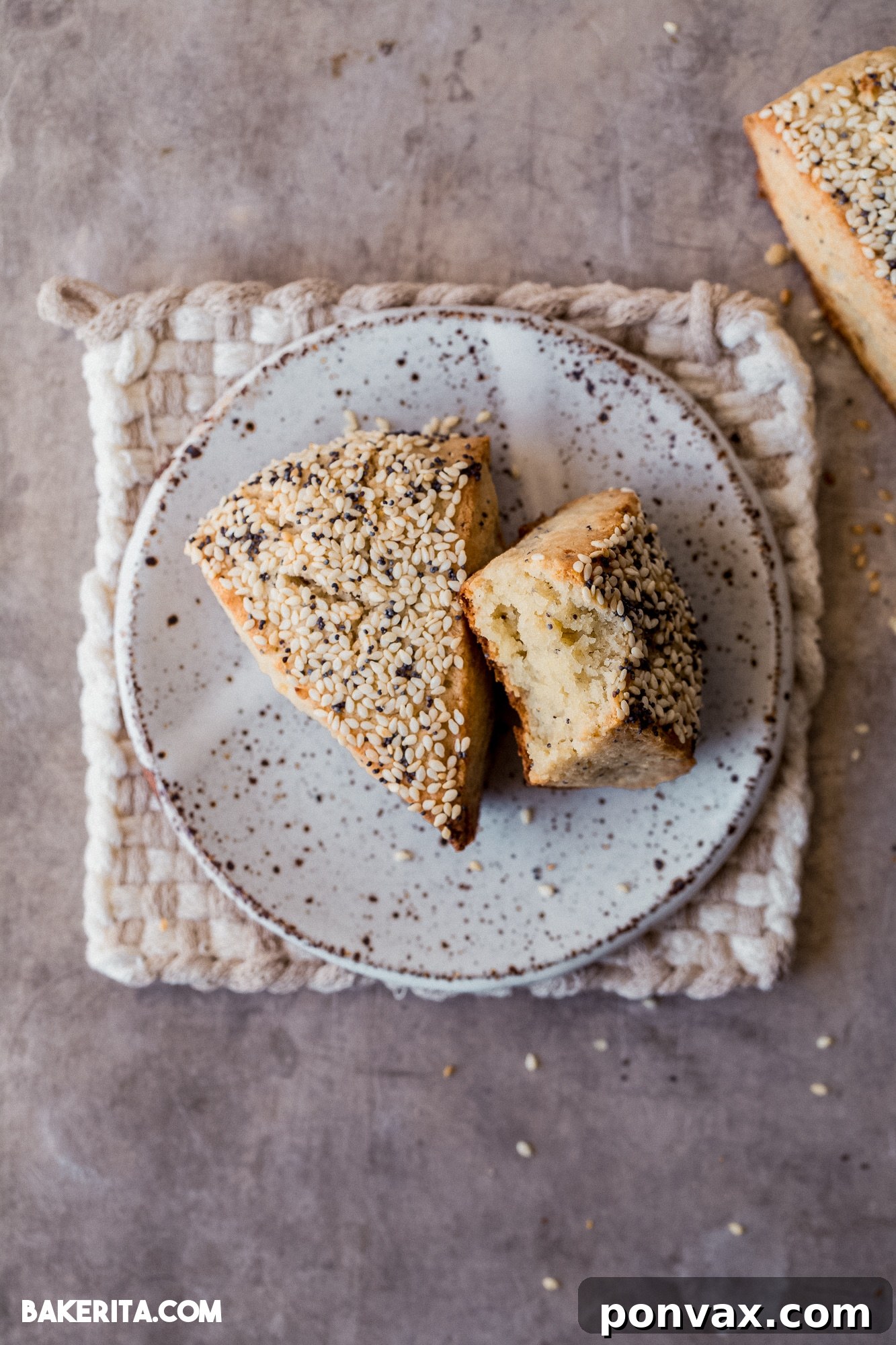
Crafting Your Savory Gluten-Free Sourdough Scones: A Detailed Guide
Creating these gluten-free and vegan sourdough scones is a surprisingly straightforward process, closely mirroring the methods used for traditional scones, but with careful considerations for our unique gluten-free and sourdough discard ingredients. The secret to achieving light, flaky, and tender scones lies in gentle handling of the dough, keeping ingredients cold, and allowing adequate chilling time. Follow these detailed steps for perfect, bakery-quality results every time:
Step 1: Prepare the Dry Ingredients
Begin by combining all your dry ingredients in a large mixing bowl. This includes the blanched almond flour, arrowroot (or tapioca) flour, everything bagel seasoning, nutritional yeast (if you’re using it for that cheesy umami kick), baking powder, and sea salt. Using a whisk, thoroughly combine these components, ensuring they are evenly distributed. This uniformity is critical for consistent leavening and flavor throughout every scone.
Step 2: Incorporate the Cold Coconut Oil for Flakiness
Next, it’s time to introduce the cold, firm coconut oil into your dry mixture. If you possess a food processor, this step is incredibly efficient: simply add the coconut oil to the dry ingredients and pulse the mixture several times until the coconut oil is broken down into pea-sized pieces and evenly incorporated. Alternatively, if working by hand, use a pastry cutter (or two knives, or even your fingertips) to cut the cold coconut oil into the dry ingredients. Work quickly to prevent the coconut oil from warming up too much from the heat of your hands. The goal is to have small, distinct chunks of coconut oil, which will create those coveted pockets of steam during baking, leading to a wonderfully flaky texture.
Step 3: Gently Combine Wet and Dry Ingredients
In a separate, smaller bowl, whisk together your gluten-free sourdough discard and dairy-free milk until they are well combined and smooth. This ensures the wet ingredients are evenly mixed before being introduced to the dry. Pour this liquid mixture over the coconut oil-flour mixture. Using a sturdy spoon or your hands, mix gently until the dough just comes together. The key here is not to overmix; overworking the dough, especially gluten-free dough, can lead to a tougher scone. A few dry streaks in the dough are perfectly acceptable and often indicate that you’ve handled it just right.
Step 4: Shape and Essential Chilling of the Dough
Lightly dust a piece of parchment paper or plastic wrap with a little arrowroot flour to prevent sticking. Transfer your scone dough onto this prepared surface. Gently press the dough into a thick, uniform disc, aiming for approximately 1½ inches thick and about 8 inches in diameter. Wrap the dough tightly in the parchment paper or plastic wrap. This step is crucial: place the wrapped dough into the refrigerator to chill for at least one hour, or ideally, up to 24 hours. Chilling the dough allows the coconut oil to firm up again, which is vital for preventing the scones from spreading excessively during baking and for promoting that beautifully flaky, tender crumb.
Step 5: Cut, Garnish, and Bake to Golden Perfection
Once the dough is thoroughly chilled and you’re ready to bake, preheat your oven to 375°F (190°C). Carefully unwrap the dough disc. Using a sharp knife or a bench scraper, cut the disc into 8 even wedges, much like slicing a pie. Arrange these wedges on a baking sheet lined with fresh parchment paper, ensuring they are adequately separated to allow for even baking and airflow – they should not be touching. Before placing them in the oven, lightly brush the tops of each scone with a small amount of dairy-free milk; this helps them achieve a gorgeous golden-brown crust. For an extra burst of flavor and texture, generously sprinkle each scone with more everything bagel seasoning. Bake for approximately 20 to 25 minutes, or until the scones are beautifully golden brown on top and firm to the touch.
Step 6: Serve Warm and Savor
Allow the freshly baked scones to cool slightly on the baking sheet for a few minutes before transferring them to a wire rack to cool completely, or to be served. These savory delights are absolutely best served warm, straight from the oven, when their aroma is most inviting and their texture is at its peak. A simple spread of vegan butter or a dollop of creamy dairy-free cream cheese makes for an exquisite accompaniment, complementing their tangy and savory notes perfectly.
Recommended Baking Tools for Scone Perfection
While these delicious scones can be made with basic kitchen essentials, a few specialized tools can significantly streamline the process and help you achieve perfectly flaky, tender results every time:
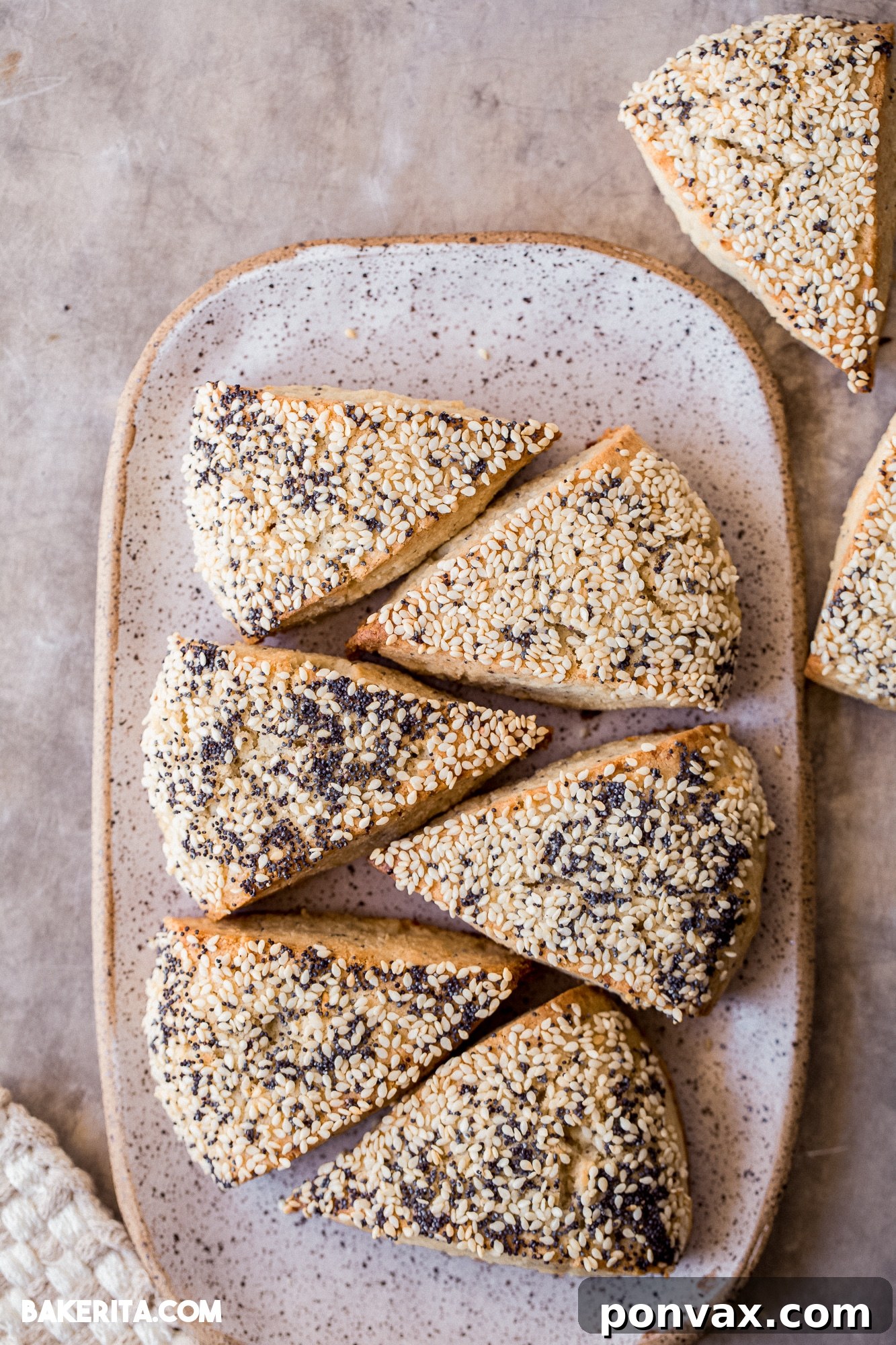
Serving Suggestions: Elevating Your Savory Sourdough Scones
These savory gluten-free sourdough scones are remarkably versatile, making them a fantastic addition to almost any meal or snack occasion. Their rich, tangy flavor, combined with the aromatic “everything bagel” topping, opens up a world of delightful pairing possibilities. Here are some of our favorite ways to enjoy them, ensuring every bite is a memorable one:
- Classic Simplicity: There’s an undeniable charm in a warm scone, fresh from the oven. I personally adore toasting them lightly to enhance their warmth and crispness, then spreading them with a generous dollop of creamy vegan butter. The butter gently melts into the scone’s nooks and crannies, beautifully complementing its inherent savory notes.
- With Creamy Spreads: For an extra layer of indulgence, pair these scones with a creamy spread. My dad, a true connoisseur, swears by a bit of dairy-free cream cheese, which offers a delightful tangy and creamy contrast to the scone’s slight acidity and crisp exterior. You could also experiment with an herbed vegan cream cheese or even a rich cashew cream for an elevated experience.
- Perfect with Soups and Stews: These robust savory scones make an excellent and satisfying accompaniment to a hearty bowl of soup, a comforting chili, or a flavorful stew. Their substantial texture and savory profile beautifully soak up broths and sauces, transforming a simple meal into something more substantial, comforting, and incredibly gourmet.
- Brunch Extravaganza: Elevate your next brunch spread by featuring these unique scones. Serve them alongside scrambled tofu, a vibrant roasted vegetable medley, fresh avocado slices, or a crisp green salad. They add an elegant, homemade touch that guests will undoubtedly appreciate and remember.
- Customizable for Every Palate: One of the best features of this recipe is its adaptability. If you choose to omit the everything bagel seasoning and nutritional yeast from the dough, these “plain” sourdough scones become a versatile blank canvas. For those with a sweet tooth, serve them warm with your favorite fruit jam (strawberry, raspberry, or apricot are wonderful!), a zesty lemon curd (ensure it’s dairy-free), or a light drizzle of maple syrup. For a different savory twist, consider pairing them with a savory olive tapenade, a vibrant homemade pesto, or even a robust mushroom pâté. The culinary possibilities are truly endless, limited only by your imagination!
Storing Your Gluten-Free Sourdough Scones for Lasting Freshness
Proper storage is essential to preserving the delightful taste and texture of your homemade gluten-free sourdough scones. Whether you plan to enjoy them within a couple of days or save them for a future craving, these expert tips will help keep your scones fresh, flavorful, and ready to enjoy whenever you desire:
- At Room Temperature (Short-Term): For immediate enjoyment within a day or two, freshly baked scones can be stored in an airtight container at room temperature. To prevent them from becoming soggy, ensure the scones are completely cooled before placing them in the container. Any residual warmth can create condensation, which detracts from their crisp exterior.
- In the Refrigerator (Medium-Term): If you need to store your scones for a slightly longer period, placing them in an airtight container in the refrigerator is recommended. They will maintain their quality and freshness for up to a week. When ready to enjoy, reheating them slightly in an oven or toaster oven will help restore their original crispness and warmth, making them taste as if they were freshly baked.
- To Freeze (Long-Term): These gluten-free sourdough scones freeze exceptionally well, making them an excellent candidate for meal prepping or having a quick, gourmet snack on hand whenever a craving strikes. Once the scones have completely cooled, arrange them in a single layer on a baking sheet and place them in the freezer until they are solid. This prevents them from sticking together. After they are frozen, transfer the individual scones to a freezer-safe airtight container or a heavy-duty freezer bag. Squeeze out as much air as possible to prevent freezer burn. Stored this way, they will maintain their delicious quality for up to three months.
- Reheating Frozen Scones: Enjoying frozen scones is incredibly easy. You can transfer them directly from the freezer to a preheated oven (around 300°F / 150°C) and bake for approximately 10-15 minutes, or until they are warmed through and their crust has regained its crispness. Alternatively, you can defrost them on the counter for a few hours before gently warming them in a toaster oven. While a microwave can warm them, it may make them softer rather than crisp, so an oven is preferred for optimal texture.
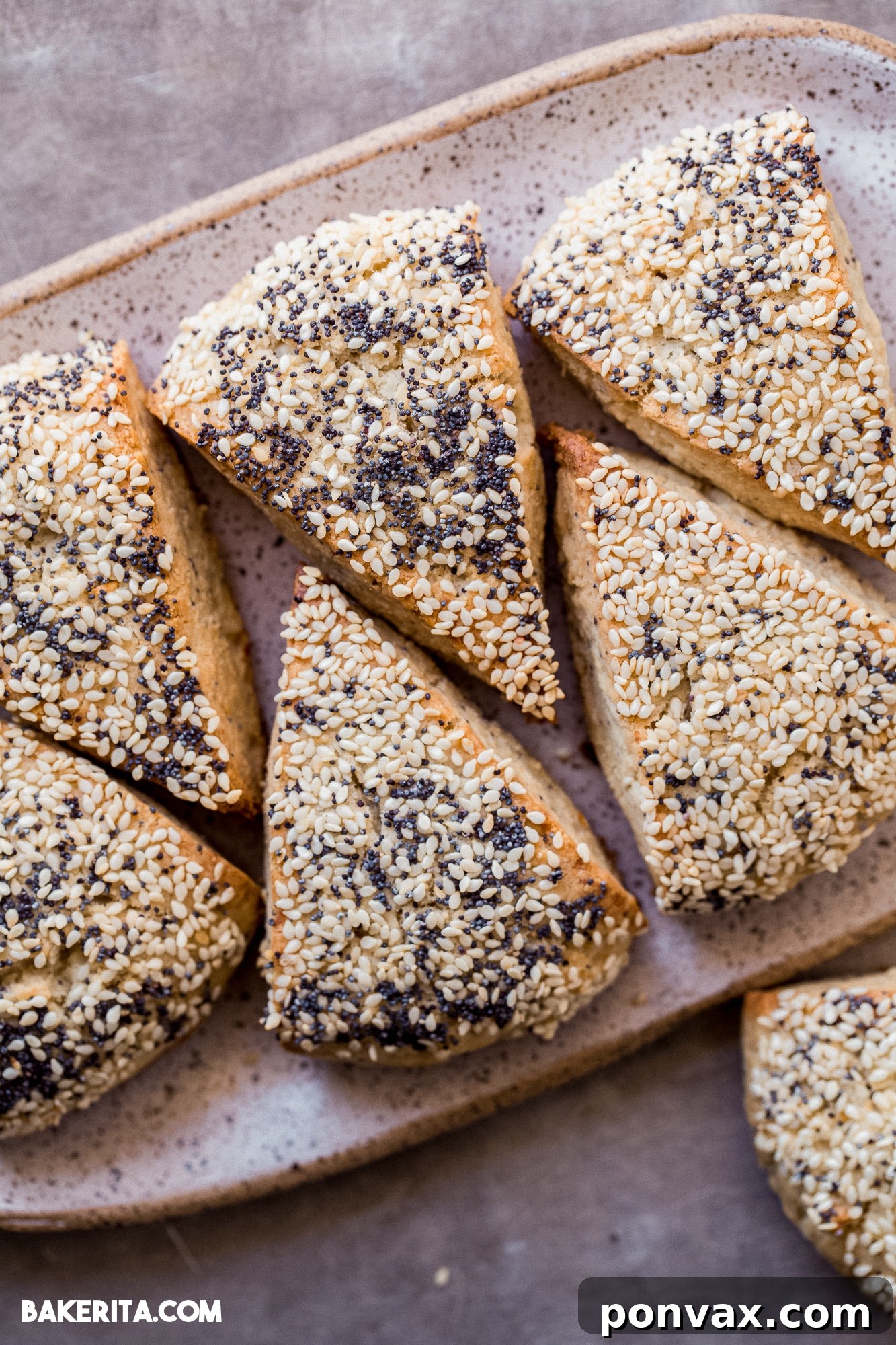
I sincerely hope you adore these gluten-free and vegan sourdough scones as much as we do! They are a delightful testament to the versatility of sourdough discard and a truly satisfying, savory treat for any time of day. If you try this recipe, please consider sharing your thoughts and experiences in the comments below – your feedback means the world to us and helps our baking community thrive!
Expand Your Gluten-Free Sourdough Discard Repertoire!
Don’t let your sourdough journey end with just scones! Your gluten-free sourdough discard is a passport to a world of delicious and creative baking. Here are more fantastic recipes to keep your kitchen humming with delightful aromas and your taste buds happily satisfied:
- Gluten-Free Sourdough Focaccia: Experience the soft, airy, and incredibly flavorful texture of this rustic bread, perfect for dipping or as a side to any meal.
- Cinnamon Sugar Sourdough Discard Crackers: A delightful and unexpected treat! These crispy, sweet, and subtly tangy crackers are addictive and perfect for a snack.
- Chocolate Chip Sourdough Discard Scones: For those moments when only a sweet scone will do, these chocolate chip wonders are a true indulgence, combining rich flavors with a tender crumb.
- Gluten-Free Sourdough Discard Crackers: A purely savory, crunchy snack that’s ideal for pairing with your favorite dips, cheeses, or enjoyed all on its own.
- 10+ Ways to Use Gluten-Free Sourdough Discard: Dive deeper into the world of creative discard utilization with this comprehensive guide, unlocking even more baking potential for your kitchen.
Bakerita | Rachel Conners
Gluten-Free Sourdough Scones
Pin Recipe
Ingredients
- 1¾ cup (174g) blanched almond flour
- ⅔ cup (85g) arrowroot flour (or tapioca flour)
- 2 tablespoons everything bagel seasoning (plus more to garnish, optional)
- 1 tablespoon nutritional yeast (optional)
- 1¼ teaspoons baking powder
- ½ teaspoon sea salt
- ⅓ cup (66g) refined coconut oil, firm and cold
- ½ cup (125g) gluten-free sourdough discard (around 100% hydration, inactive, see Notes)
- ⅓ cup dairy-free milk
Instructions
For the scones
- In a food processor or large mixing bowl, combine the blanched almond flour, arrowroot flour, everything bagel seasoning, nutritional yeast, baking powder, and salt. Pulse or whisk together until well combined.
- Add in the firm coconut oil and pulse in the food processor, or use a pastry cutter or fork to cut the coconut oil into the dry ingredients until only small chunks of coconut oil remain, resembling coarse meal.
- In a separate bowl, whisk together the dairy-free milk and gluten-free sourdough discard. Pour this wet mixture over the dry ingredients and stir or pulse gently until the dough just comes together. Be careful not to overmix.
- Place a sheet of parchment paper on a baking sheet and lightly dust with arrowroot flour. Transfer the dough onto the parchment, dust with a little more arrowroot flour, and press it into a thick circular disc, about 1½ inches thick and 8 inches across. Wrap the dough in plastic wrap (if storing for more than a few hours) and place it in the refrigerator for at least 1 hour to chill, or up to 24 hours.
- When ready to bake, preheat your oven to 375°F (190°C). Remove the chilled dough, unwrap if necessary, and cut the disc into 8 even wedges. Separate the scones on the parchment-lined baking sheet so they are not touching. Use a pastry brush to lightly brush the top of each scone with a small amount of dairy-free milk, then sprinkle with more everything bagel seasoning. Bake for approximately 20 to 25 minutes, or until the scones are golden brown and firm to the touch.
- Serve warm. These scones are delicious on their own, or with a spread of vegan butter or dairy-free cream cheese.
- Store in an airtight container in the fridge for up to a week, or freeze for longer storage as detailed in the storage section above.
Notes
For the discard: This recipe specifically calls for gluten-free sourdough discard as an ingredient. It is not suitable for those who are not actively maintaining a sourdough starter. Ensure your discard is well-established (at least a week old and smelling pleasantly sour, not yeasty or off) and around 100% hydration. The starter does not need to be active or recently fed; inactive discard works perfectly for this recipe as baking powder provides the necessary lift.
Did you make this recipe? We’d love to hear from you!
Please consider leaving a star rating and review in the comments section below!