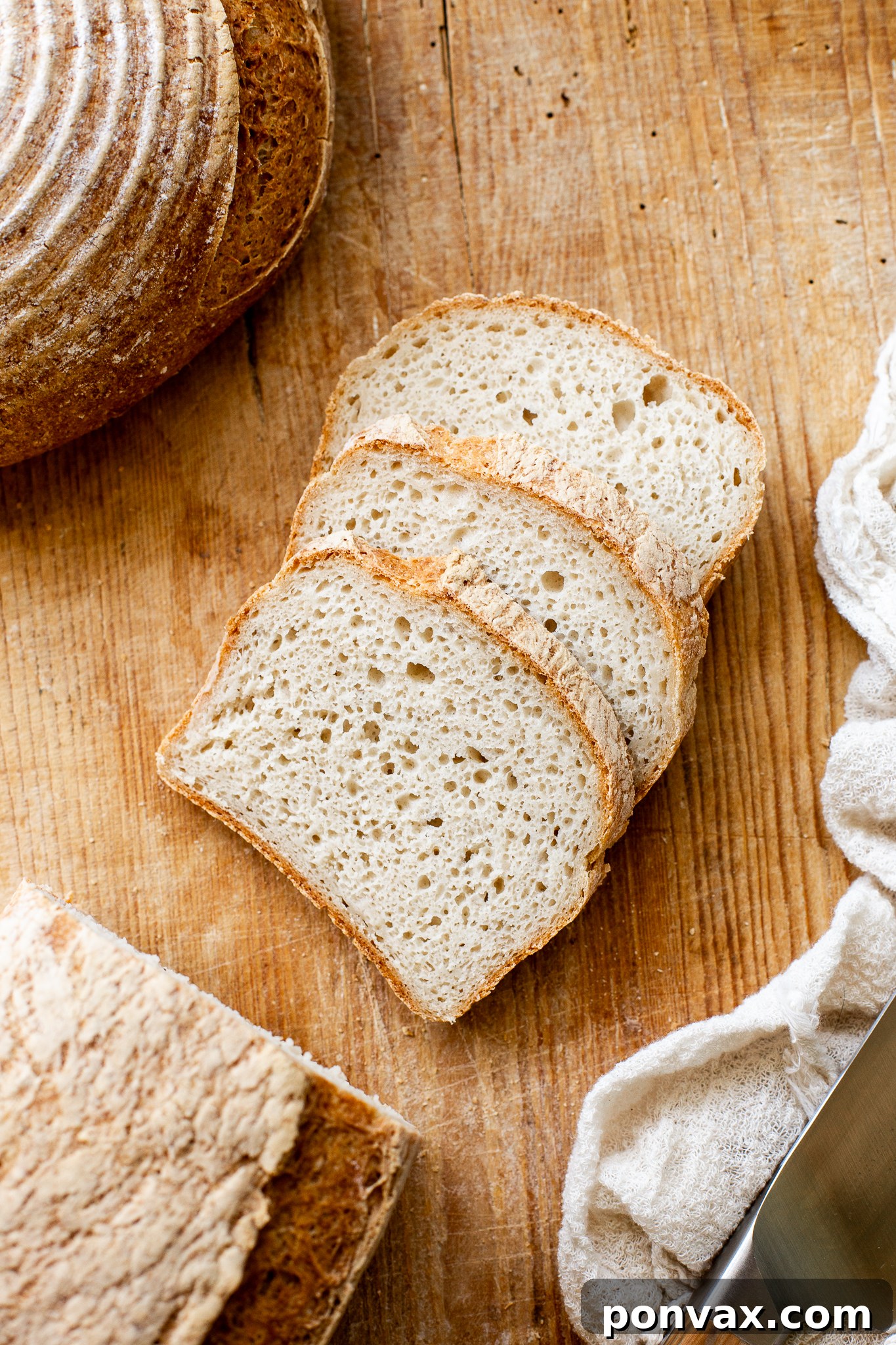
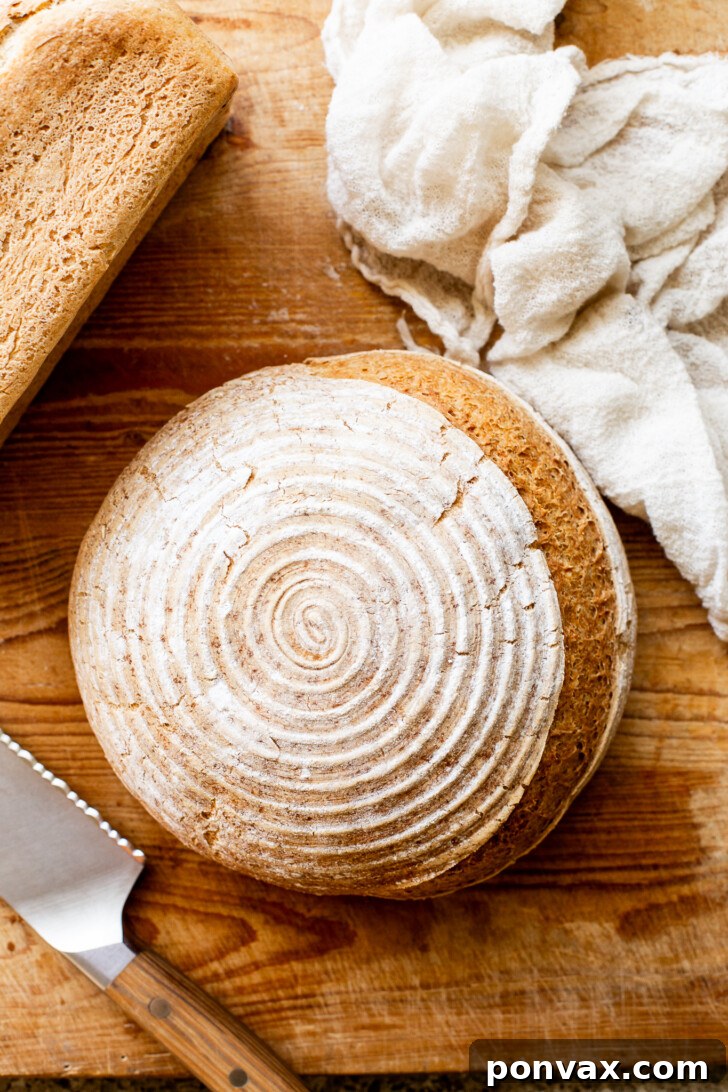
Welcome to your new favorite gluten-free bread recipe! Imagine a loaf so soft, tender, and incredibly flavorful that it’s been hailed as “the best gluten-free bread ever.” This isn’t just any bread; it’s a game-changer for gluten-free baking, offering a delightful sourdough-like tang without the commitment of a starter. Crafted with the magic of yogurt (dairy-free for a perfectly vegan option), this yeast bread achieves an unparalleled texture and taste. With only seven simple ingredients and a mere three hours of mostly hands-off time, you can bake a truly exceptional loaf that will impress even the most discerning palates. Get ready to transform your gluten-free kitchen with this surprisingly easy and utterly delicious recipe!
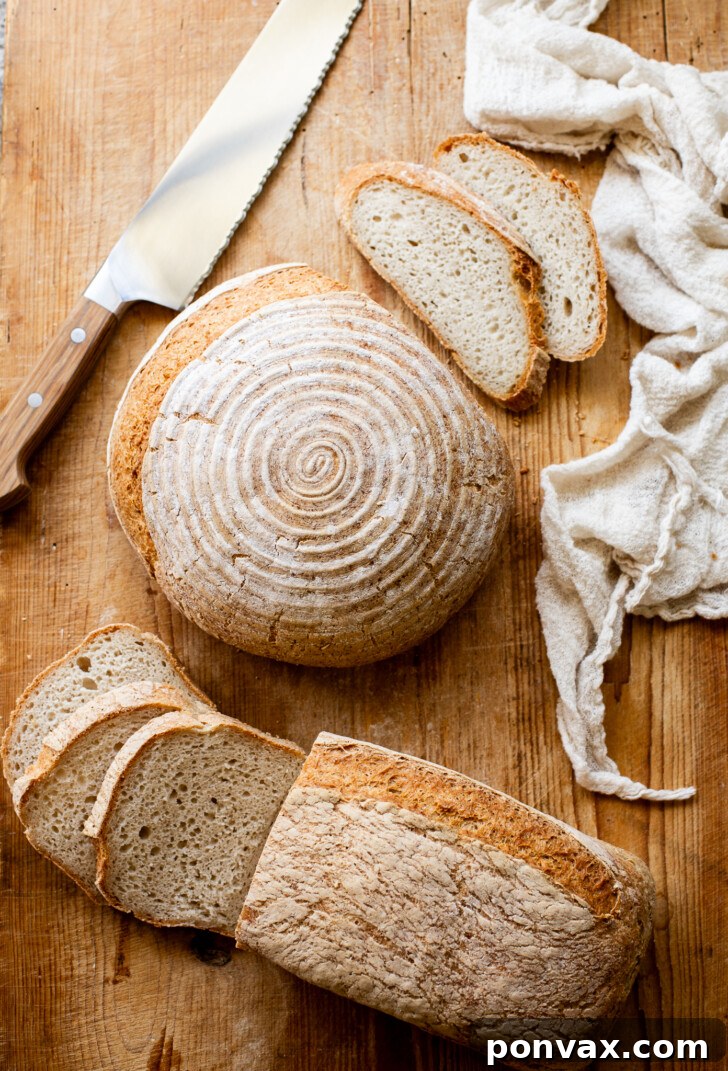
As a passionate baker, I cherish all my gluten-free bread creations, but this particular recipe stands out as a new personal favorite. My classic yeasted gluten-free bread loaf has long been a reliable staple, celebrated for its straightforward simplicity. And while my gluten-free sourdough holds a special place in my heart, the extensive time commitment sometimes tests my patience.
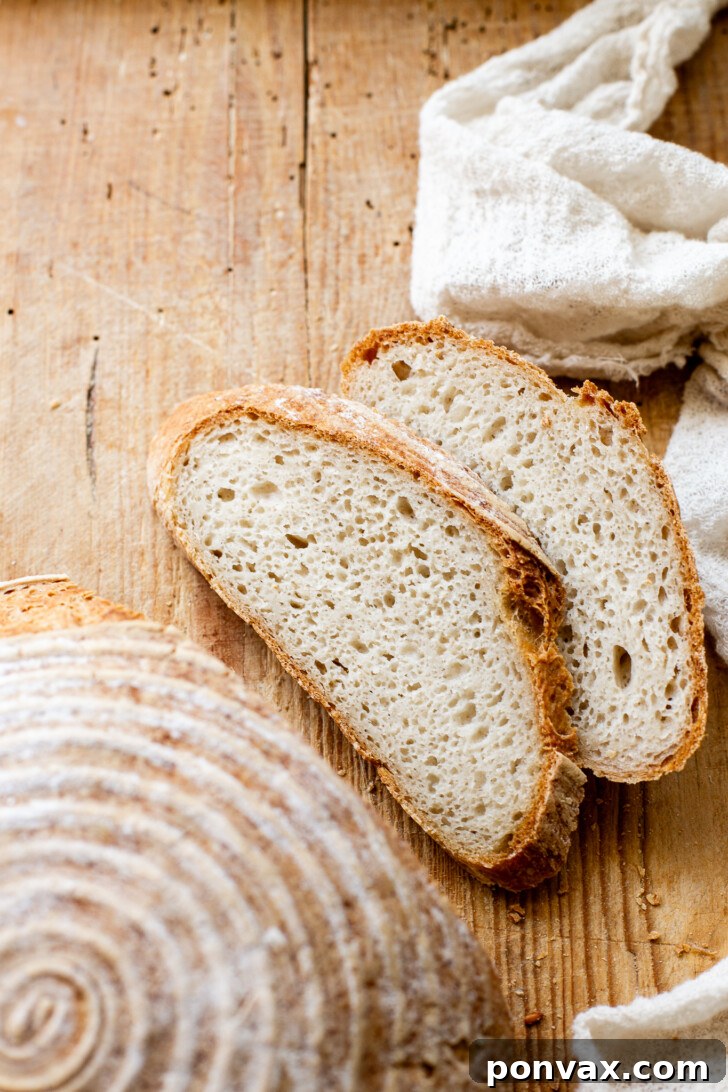
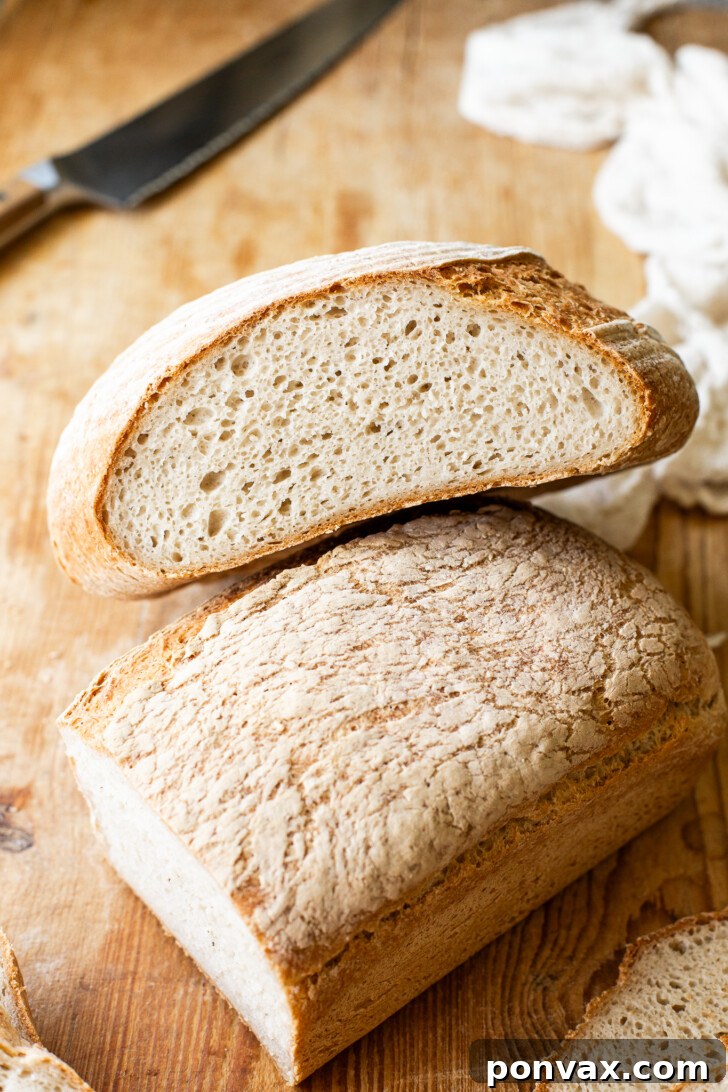
This innovative gluten-free yeast bread beautifully bridges the gap between these two beloved recipes. It masterfully combines the best elements of both worlds: employing yogurt and apple cider vinegar to infuse the loaf with a distinctive tanginess, wonderfully reminiscent of traditional sourdough bread. Yet, it’s efficiently leavened with instant yeast, dramatically reducing the overall preparation time. This means you can enjoy that coveted sourdough-like flavor and texture in less than three hours from start to finish, making it perfect for busy bakers craving authentic, wholesome bread without the long wait.
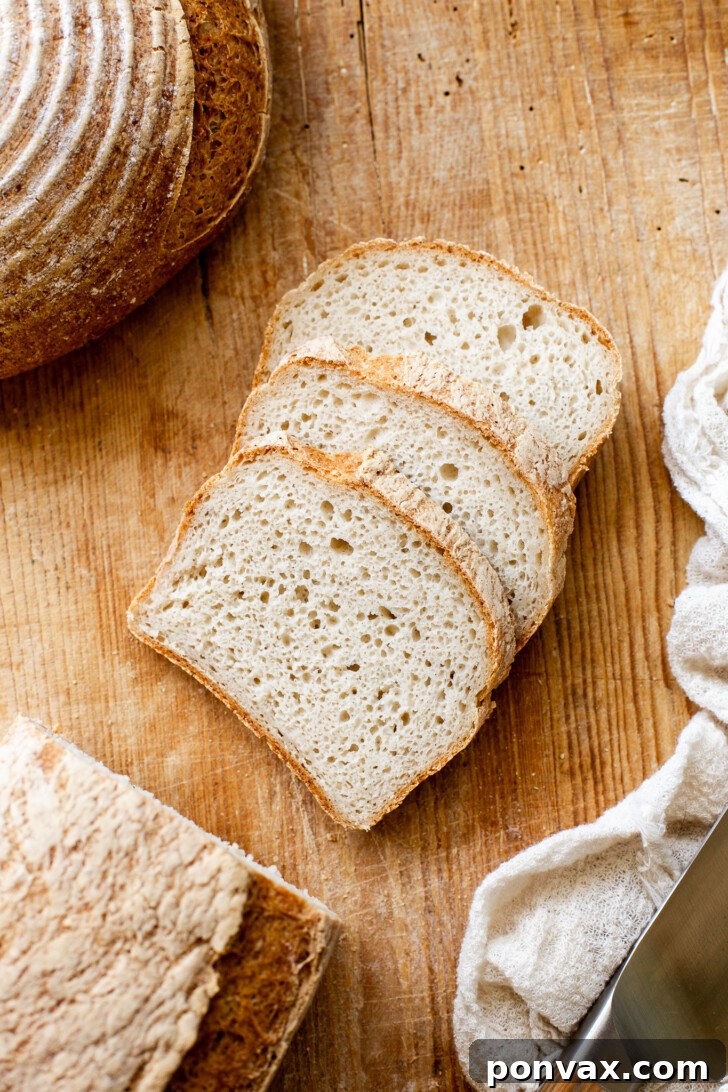
Why You’ll Love This Easy Gluten-Free Yogurt Bread
This isn’t just another gluten-free bread recipe; it’s designed to bring joy and simplicity back to your baking. Here’s why this particular loaf will quickly become a cherished part of your recipe collection:
- Minimal Ingredients: You only need seven accessible ingredients to create this fantastic bread, simplifying your shopping list and making baking less intimidating.
- Dietary Inclusivity: This recipe is naturally gluten-free and easily made vegan/dairy-free by using your preferred plant-based yogurt, catering to a wide range of dietary needs without compromising on taste or texture.
- Instant Yeast Convenience: Forget about long proofing times or tricky yeast activation. Using instant yeast ensures a quick, reliable rise, streamlining the baking process for delicious results every time.
- Rapid Rise: Unlike traditional sourdough, this bread only requires a single, short one-hour rise. This significantly cuts down on total preparation time, allowing you to enjoy fresh bread sooner.
- Unmatched Softness & Tang: The unique addition of yogurt imparts an incredible softness and a delightful tang to the bread, creating a rich flavor profile reminiscent of sourdough – all without the need for a fussy starter.
- Quick Turnaround: From mixing bowl to your kitchen counter, this flavorful loaf is ready in under three hours. This makes it a perfect option for impromptu baking or when you need a comforting, homemade treat without a lengthy wait.
Key Ingredients for Yeasted Gluten-Free Yogurt Bread
Crafting perfect gluten-free bread requires precision, especially when it comes to ingredients. For the most accurate and consistent results, I highly recommend using a baking scale. This eliminates the variability of volume measurements and ensures your ratios are always spot-on, making your baking experience much easier and more successful!
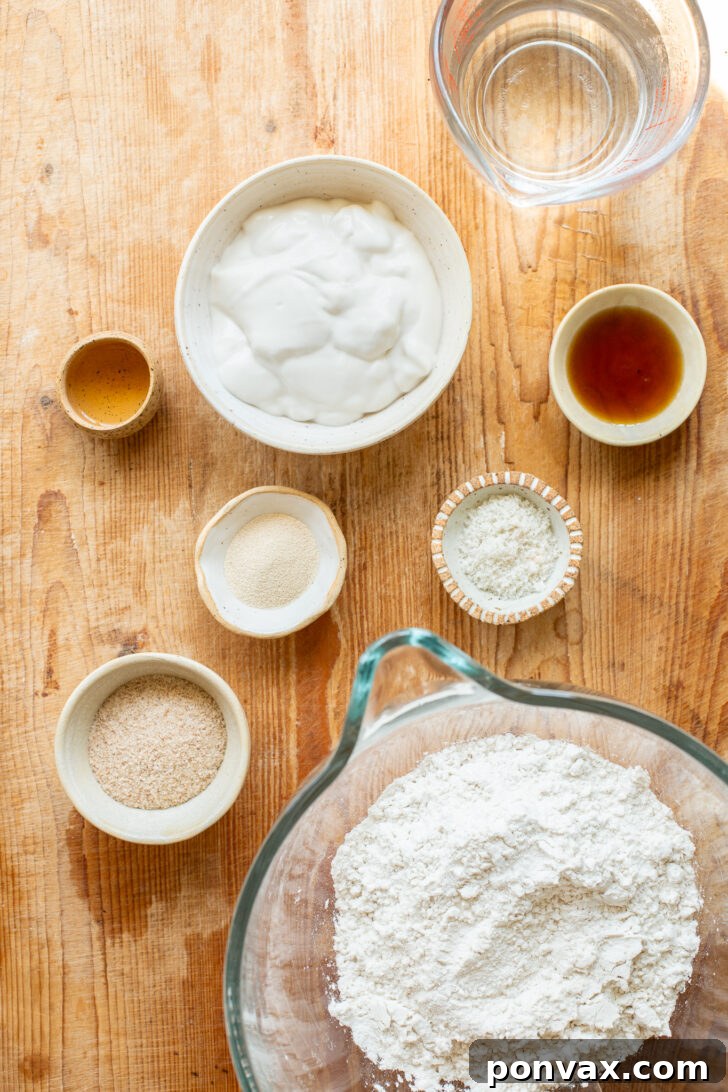
- Psyllium Husk: This powerhouse ingredient is indispensable in gluten-free baking. It acts as a primary thickener and effectively substitutes for gluten, providing structure, elasticity, and chewiness to your bread. For a deep dive into its magic, read all about psyllium husk here.
- Sweetener: A touch of sweetness helps activate the yeast and balances the tangy notes. I prefer using raw cane sugar or pure maple syrup for a natural flavor.
- Hot Water: The warm temperature of the water is crucial for activating the instant yeast and kickstarting the bread’s rise. Filtered water is always a good choice if available.
- Unsweetened Yogurt: This is the secret ingredient for the bread’s incredible softness and sourdough-like tang. As I am dairy-free, I consistently use unsweetened dairy-free yogurt (cashew or coconut work wonderfully). Ensure it’s unsweetened and unflavored to control the bread’s taste profile.
- Apple Cider Vinegar: Partnering with the yogurt, apple cider vinegar further enhances the tangy flavor and contributes to a better rise by reacting with the yeast and other ingredients.
- Gluten-Free Bread Flour Blend: The quality of your flour blend significantly impacts the final loaf. This recipe thrives on a specific balance of starches and whole grain flours. Discover more about my recommended gluten-free bread flour blend below.
- Sea Salt: Essential for bringing out and balancing all the flavors, sea salt is more than just a seasoning; it plays a role in controlling yeast activity and strengthening the dough structure.
- Instant Yeast: Chosen for its efficiency, instant yeast allows you to skip the separate activation step, mixing directly into the dry ingredients. This makes the bread-making process notably quicker and simpler.
Understanding Yeast: Instant vs. Active Dry
It’s important to know the difference between yeast types. Active dry yeast typically requires activation in warm water (often with a pinch of sugar) until it becomes foamy, indicating it’s alive and ready. In contrast, instant yeast can be mixed directly with dry ingredients, activating when it comes into contact with the wet ingredients in the dough. I prefer instant yeast for its speed and ease. However, if using active dry yeast, you’ll need to pre-activate it by combining it with 100g of warm water (taken from the total 320g specified in the recipe) and a portion of the sweetener. This usually takes 10-15 minutes until it’s bubbly. While instant yeast streamlines the process, active dry yeast can sometimes offer a clearer indication of yeast viability before committing to the full recipe.
Choosing the Best Gluten-Free Bread Flour for Superior Results
The foundation of any great gluten-free bread is its flour blend. For this particular recipe, my homemade gluten-free bread flour blend consistently yields fantastic results, producing a loaf with excellent structure and flavor. It’s a blend I’ve meticulously developed to mimic the properties of traditional wheat flour as closely as possible.
If you prefer a pre-mixed option, I have also had great success with the multi-blend flour from Vitacost. This blend shares similar ingredients and ratios to my homemade version, making it a reliable choice for achieving a wonderfully fluffy and tender bread.
It’s crucial to note that I have not tested this recipe with gluten-free flour blends that already incorporate additional gums like xanthan gum or guar gum. Since psyllium husk provides all the necessary binding and elasticity for this recipe, adding extra gums might negatively affect the texture, potentially leading to a gummy or dense loaf. While you’re welcome to experiment, I cannot guarantee the same results if you deviate from the recommended blends.
Craft Your Own Gluten-Free Flour Blend for This Loaf
For those who love to customize and experiment, creating your own gluten-free flour mix is a rewarding experience. A general guideline for this recipe is to aim for a blend that is approximately 40% starches and 60% whole grain gluten-free flours. For your starches, consider options like potato starch, corn starch, arrowroot starch, and/or tapioca starch—each contributing to the lightness and structure. For the whole grain component, excellent choices include brown rice flour, oat flour, white rice flour, sorghum flour, millet flour, teff flour, or buckwheat flour. Every flour brings its own unique properties and subtle flavors, making the process of finding your favorite combination a fun culinary adventure.
Understanding Psyllium Husk: Your Gluten-Free Baking Essential
If you’re new to gluten-free baking, you might wonder about psyllium husk. To get the full story, you can read all aboutpsyllium husk here! In short, psyllium husk is the fibrous outer layer of the psyllium seed. When it comes into contact with liquid, it has an incredible ability to absorb many times its weight in water, forming a thick, gel-like substance.
This “psyllium gel” is absolutely critical for excellent gluten-free bread. It plays the role that gluten does in traditional bread, providing elasticity, structure, and binding properties that are often missing in gluten-free flours. My experiments have consistently shown that psyllium husk is essential for achieving good gluten-free bread. It makes the dough pliable and easy to handle, preventing it from becoming a sticky, unmanageable mess. More importantly, it contributes significantly to the chewy and stretchy texture that makes this bread so satisfying. I strongly advise against skipping it or attempting to substitute it with other ingredients in this recipe, or indeed, in almost all of my gluten-free bread recipes.
IMPORTANT NOTE: Be sure to use whole psyllium husk, not psyllium husk powder. While both come from the same plant, the powder is much finer and will absorb liquid differently, potentially throwing off the recipe’s hydration balance and final texture. You can usually find whole psyllium husk in the supplement aisle of most grocery stores, or it is readily available for sale online.
Dairy-Free & Vegan Friendly: Yogurt Options for Your Loaf
Absolutely, yes! In fact, as someone who follows a dairy-free diet, all my recipe tests and developments for this bread have exclusively used dairy-free yogurt, making this an inherently vegan-friendly recipe. I’ve had fantastic results with both cashew yogurt and coconut yogurt, each contributing a lovely texture and subtle flavor to the finished loaf. Both options yielded a wonderfully soft and tangy bread that was repeatedly praised.
If you consume dairy, rest assured that regular dairy yogurt will also work beautifully in this recipe. The key is to select an unsweetened and unflavored yogurt. This ensures that the delicate balance of tanginess from the yogurt and apple cider vinegar, along with the other flavors, remains pure and unadulterated. Using a flavored or sweetened yogurt would drastically alter the taste profile of your bread, unless that is your specific intention!
Step-by-Step Guide: Making Your Delicious Gluten-Free Yogurt Bread
Crafting this incredible gluten-free yogurt bread is a straightforward process. Follow these steps carefully to ensure a perfect loaf every time.
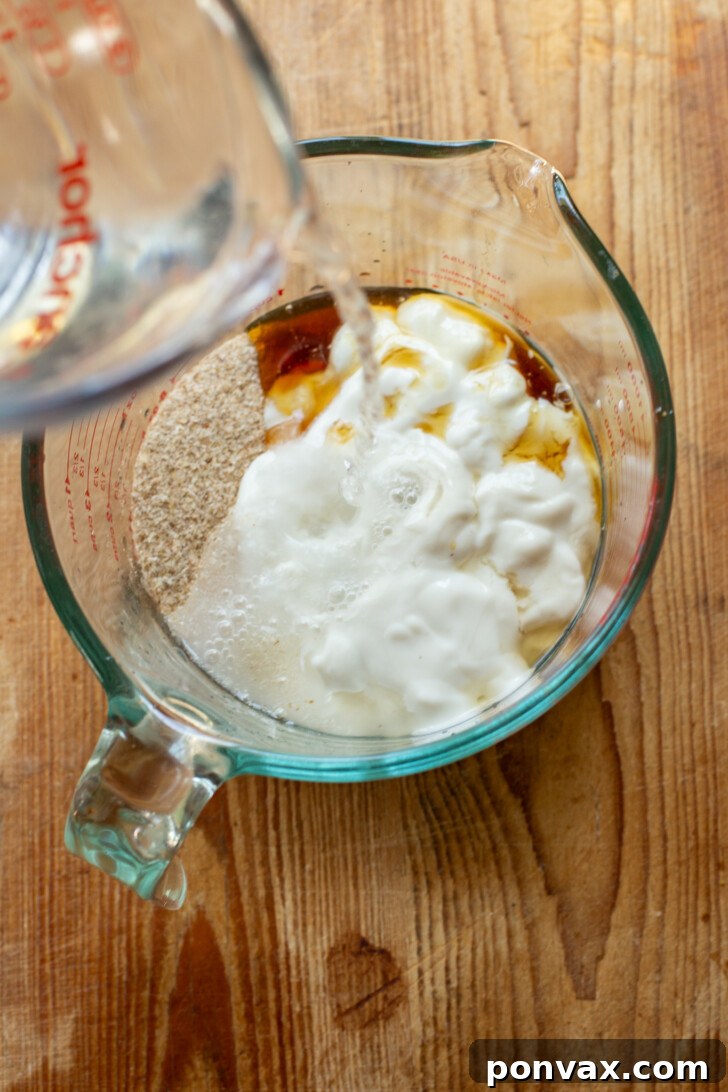
1. Prepare the Psyllium Gel: In a medium bowl or a large liquid measuring cup, combine the whole psyllium husk, your chosen sweetener (maple syrup or cane sugar), hot water, unsweetened yogurt, and apple cider vinegar. Whisk everything together thoroughly, making sure to break up any clumps of psyllium. Let this mixture sit undisturbed for about 5-10 minutes. During this time, the psyllium will absorb the liquid and transform into a thick, viscous, gel-like consistency. This gel is vital for the bread’s structure and elasticity.
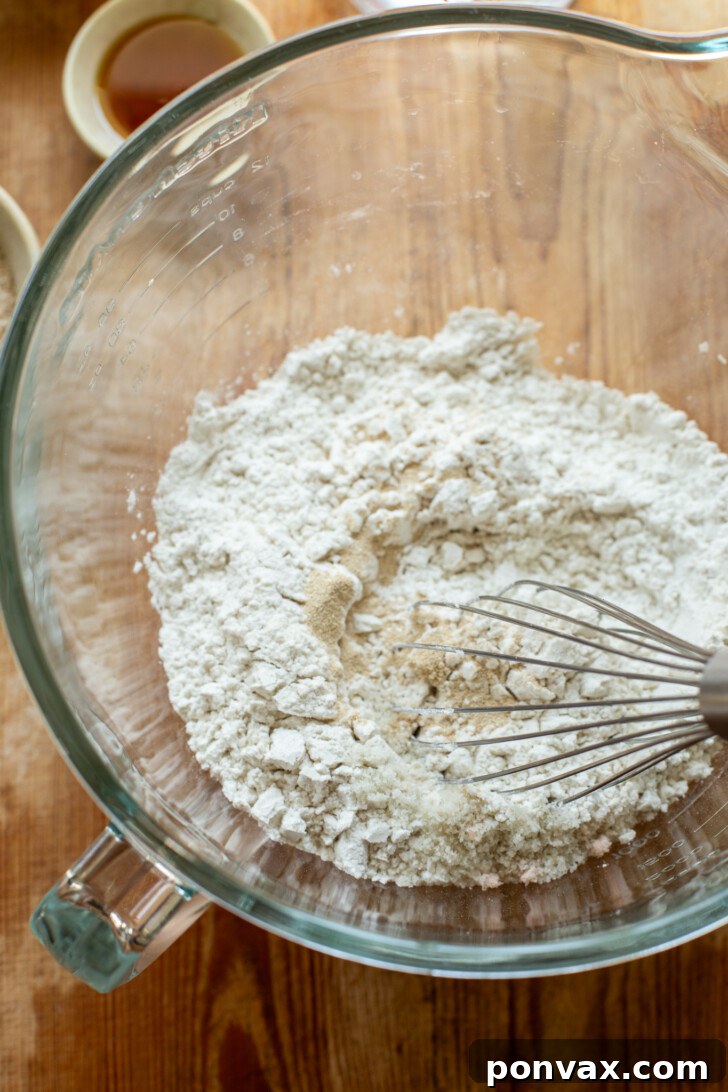
2. Combine Dry Ingredients: While the psyllium gel is setting, in a large mixing bowl or the bowl of your stand mixer, whisk together your gluten-free bread flour blend, instant yeast, and sea salt. Ensure these dry ingredients are very well combined and evenly distributed. This step prevents pockets of unmixed yeast or salt, contributing to an even rise and flavor.
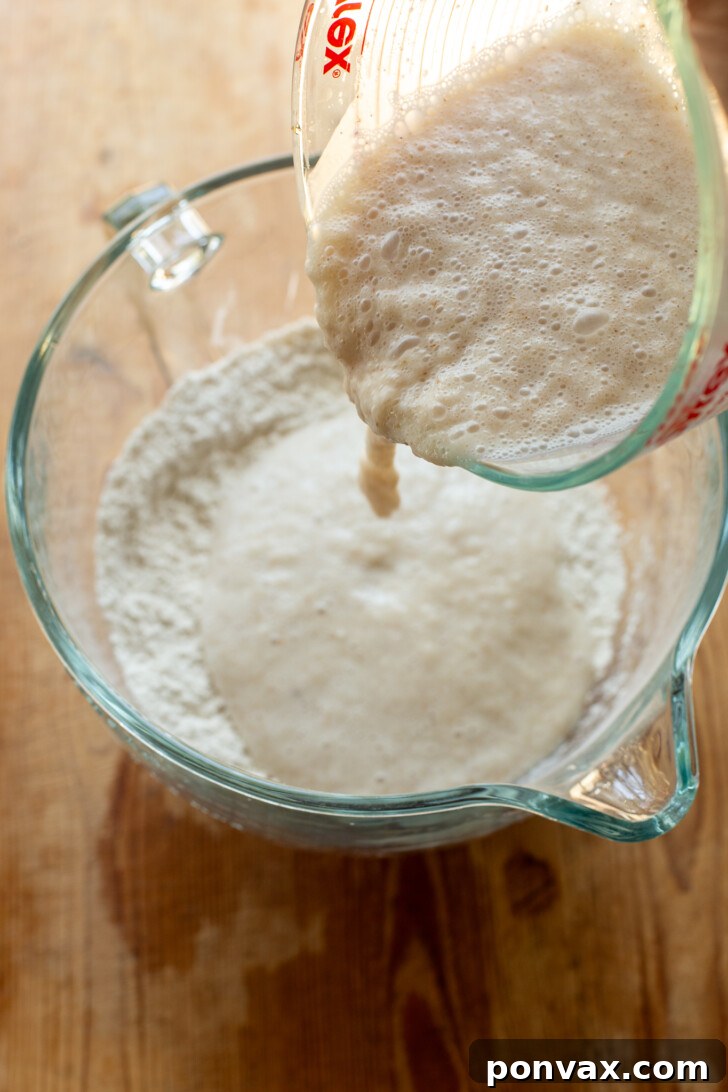
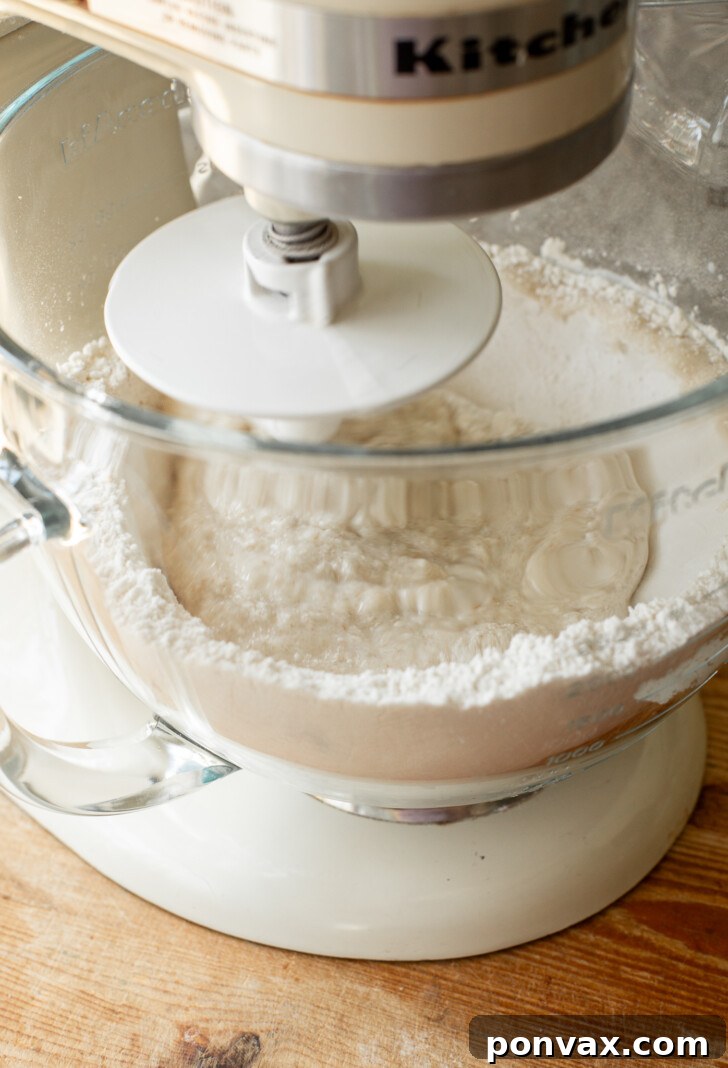
3. Mix and Form the Dough: Add the prepared psyllium gel mixture to your dry ingredients. If using a stand mixer, attach the dough hook and mix on medium speed until the dough comes together and appears smooth. You may need to stop and scrape down the sides of the bowl a few times to ensure all ingredients are fully incorporated. If mixing by hand, I highly recommend using a dough whisk to initially combine the ingredients. Once it’s mostly cohesive, turn the mixture out onto a clean countertop and use your hands to knead in any remaining dry flour until a smooth, uniform dough forms. The dough should feel quite soft and puffy, not overly dense or sticky. If your dough feels too dry or dense, this could be due to variations in yogurt thickness or flour absorption. Gradually add up to an additional 30g of water, a tablespoon at a time, until you achieve a workable, soft consistency. This adjustment is crucial for the final bread texture.
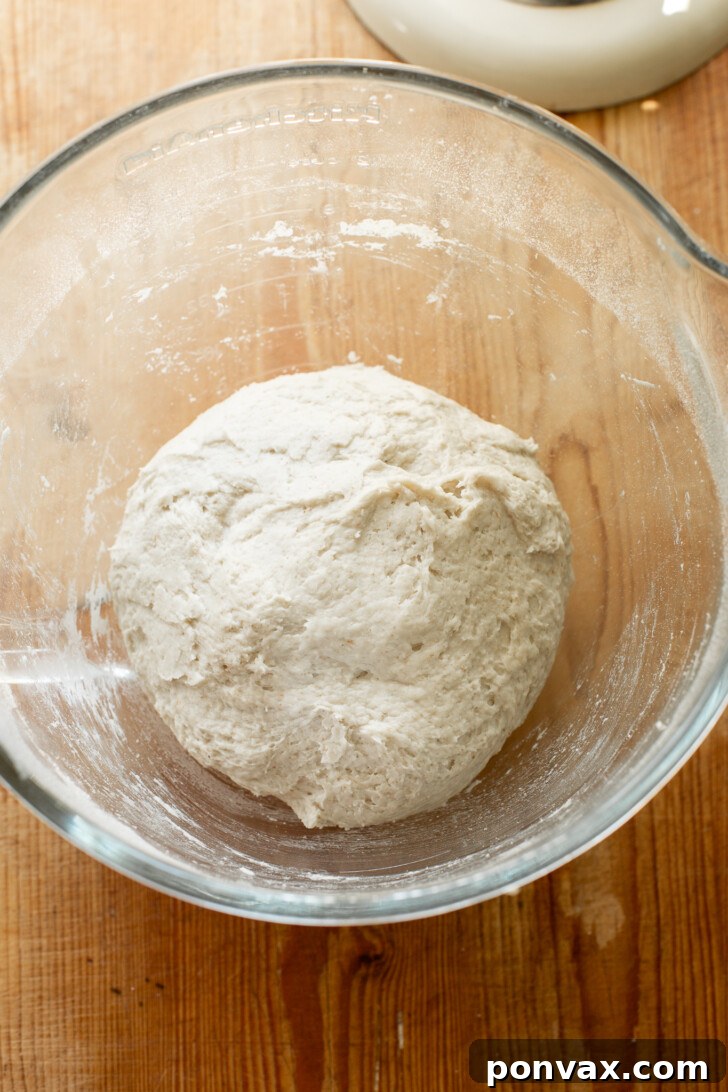
4. Knead and Shape the Dough: With your hands, gently knead the dough for a minute or two, then shape it into your desired form – either a traditional round loaf for a banneton basket or an oblong shape for a loaf pan. If using a banneton, place the dough seam-side up. If using a loaf pan, place it seam-side down. This is the final proofing stage.
5. Rise, Score, and Bake: Cover your shaped loaf with a clean tea towel and allow it to rise in a warm, draft-free place for one hour. The dough should nearly double in size and feel light and puffy when gently touched. During the last 20-30 minutes of the rise, preheat your oven to 425℉ (220°C). If you’re baking in a Dutch oven, place it in the oven during preheating. Once risen, carefully transfer the loaf. If using a banneton and Dutch oven, gently flip the dough onto parchment paper or a silicone sling, then score the top with a sharp knife or a lame to allow for controlled expansion. If baking in a loaf pan, you might want to brush the top with a little oil for a richer golden crust. Place the bread into your preheated baking vessel (Dutch oven or loaf pan). Bake for a total of 1 hour and 20 minutes. If using a Dutch oven, remove the lid for the final 15-20 minutes to achieve a beautifully golden and crusty exterior.
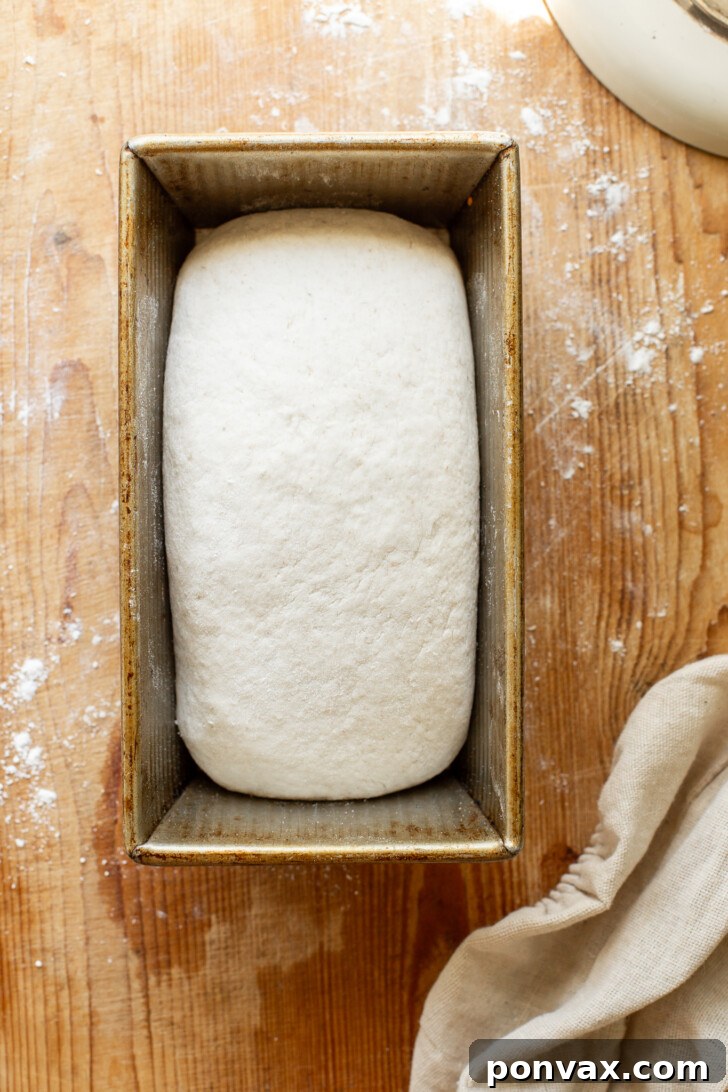
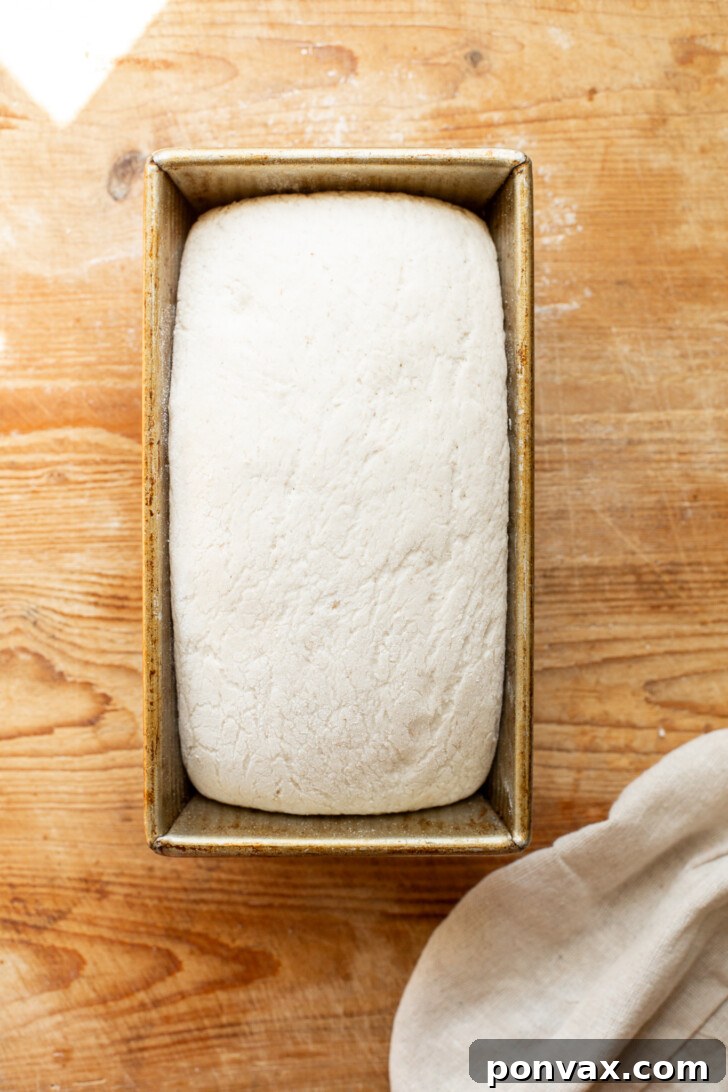
6. Post-Bake Cooling in Oven: Once baking is complete, remove the loaf from its baking pan or Dutch oven. Turn off your oven and place the bread directly onto the oven rack. Prop the oven door open slightly (a wooden spoon works perfectly for this). Allow the bread to cool inside the gradually cooling oven for an additional 30 minutes to 1 hour. This crucial step helps to slowly finish cooking the interior, preventing any potential gumminess often associated with gluten-free breads, and ensures a wonderfully dry crumb.
7. Cool Completely & Enjoy: This is arguably the most challenging part of the process, but it’s absolutely vital: you must let the loaf cool completely. Transfer it from the oven to a wire cooling rack and allow it to cool for at least four to five hours, ideally overnight. This extended cooling period allows the internal structure of the bread to fully set and firm up. Cutting into a warm gluten-free loaf will result in a gummy texture. Once fully cool to the touch, slice into your magnificent homemade bread and savor every delicious bite!
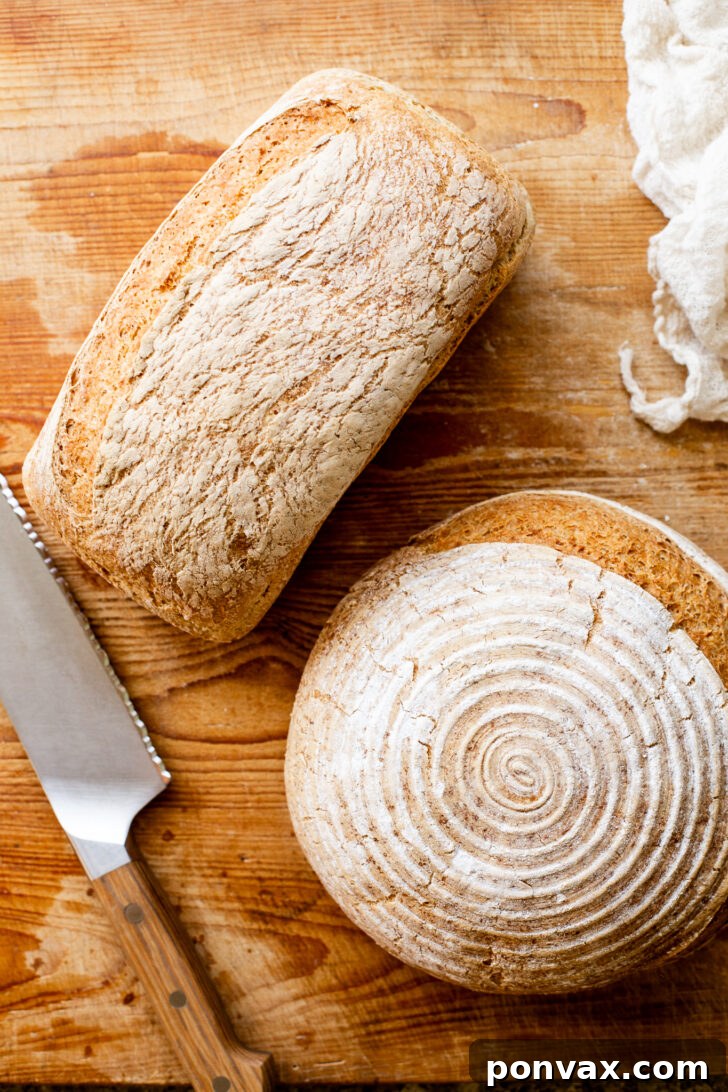
How to Store Homemade Gluten-Free Bread for Lasting Freshness
Proper storage is key to enjoying your homemade gluten-free bread for as long as possible. Gluten-free breads tend to dry out more quickly than their wheat-based counterparts, so here are the best practices:
- At Room Temperature: For immediate enjoyment, your freshly baked loaf can be stored in an airtight bread bag or container at room temperature for up to 2-3 days. To maintain its best quality, I recommend consuming it within this timeframe or moving it to the freezer. By day 3 or 4, the bread will begin to lose its moisture and freshness.
- In the Refrigerator: If you plan to use the bread over the course of a week, storing it in the refrigerator is a good option. Place slices or the whole loaf in an airtight bag or container to prevent it from drying out, where it will keep well for up to 1 week.
- In the Freezer (Recommended): For longer-term storage and to best preserve its quality, freezing is the optimal method. I highly recommend slicing the entire cooled loaf and then placing parchment paper or wax paper between each slice. This prevents the slices from sticking together, allowing you to easily take out just what you need. Store the sliced bread in a freezer-safe bag or airtight container for up to 6 months. Freezing individual slices is perfect for quick toast or sandwiches!
- To Reheat from Frozen:
- Microwave: For a quick thaw and warm-up, microwave individual slices for 30-60 seconds.
- Oven/Toaster Oven: For a crispier texture, place frozen slices directly into a preheated oven at 350°F (175°C) for about 5 minutes, or toast them in a toaster until your desired level of crispiness is achieved.
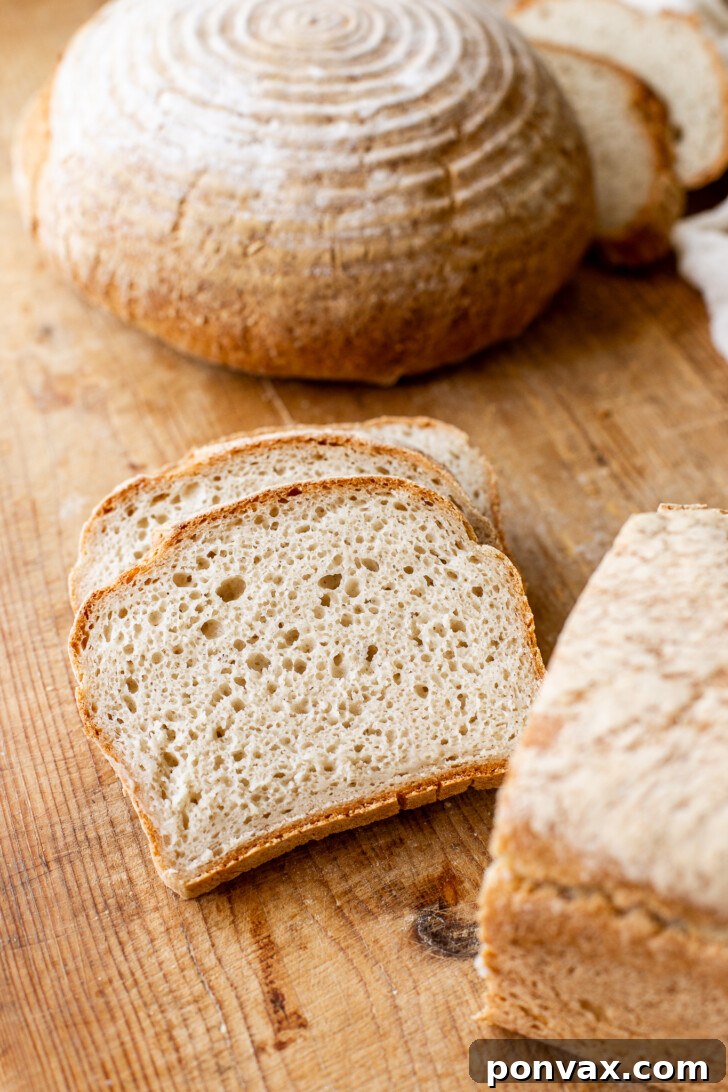
Explore More Delicious Gluten-Free Yeast Bread Recipes
If you’ve enjoyed making this gluten-free yogurt bread, you’ll be thrilled to discover the world of other possibilities in gluten-free yeast baking. Here are some of my other favorite recipes that bring the joy of yeast-leavened bread to your gluten-free kitchen:
- Classic Gluten-Free Bread: A reliable, everyday loaf that’s perfect for sandwiches and toast.
- Gluten-Free Bagels: Chewy on the inside, perfectly crisp on the outside – just like a New York bagel.
- Gluten-Free Rye-Style Bread: Experience the distinctive flavor of rye bread, completely gluten-free.
- The Best Gluten-Free Pizza Crust: Achieve a crispy, chewy pizza crust that holds up to all your favorite toppings.
- Gluten-Free Cinnamon Raisin Bread: A sweet and spicy treat, perfect for breakfast or a snack.
- Easy Gluten-Free Focaccia Bread: Soft, airy, and infused with olive oil and herbs – a delightful side for any meal.
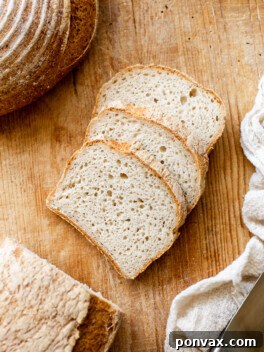
Gluten-Free Bread with Yogurt
Pin Recipe
Ingredients
- 18 g psyllium husk
- 20 g maple syrup or cane sugar
- 320 g hot water
- 200 g unsweetened yogurt, I used dairy-free cashew yogurt, don’t use a super thick yogurt here – a thinner one works great
- 5 g (1 teaspoon) apple cider vinegar
- 460 g gluten-free bread flour blend
- 12 g sea salt
- 7 g instant yeast, make sure it’s gluten-free, see Notes for how to use active dry yeast instead
Equipment
-
7″ Banneton Basket
-
Danish Dough Whisk
-
Loaf Pan
-
Silicone Bread Sling
-
Dough Hook
-
Lame
Instructions
-
1. In a bowl or large liquid measuring cup, mix together the psyllium husk, sweetener, water, yogurt, and apple cider vinegar. Whisk together, breaking up the psyllium, and let it set for a few minutes until it’s thickened and gel-like.18 g psyllium husk, 20 g maple syrup or cane sugar, 320 g hot water, 200 g unsweetened yogurt, 5 g (1 teaspoon) apple cider vinegar
-
2. In a large mixing bowl or the bowl of your stand mixer, mix together all of your flour blend, salt, and yeast. Whisk to combine.460 g gluten-free bread flour blend, 12 g sea salt, 7 g instant yeast
-
3. Add the psyllium gel to your dry ingredients. If using a stand mixer, fit it with the dough hook and let it mix up the dough until combined and smooth, scraping down the sides a few times during the process, and flipping the dough around to make sure it’s fully mixed on the bottom too. You can also do this by hand. If doing it by hand, I like using a dough whisk to get it mostly combined. Then, turn it out onto the countertop and use your hands to knead the rest of the flour in. The dough should feel pretty soft and light – this is not a super dense dough. If your dough seems dense or dry, it could be from a difference in yogurt texture. Add up to 30g extra water to get to the right consistency if it seems necessary to make your dough workable!
-
4. Use your hands to knead the dough and shape it into your desired shape. Then, place it in the banneton (seam side up) or loaf pan (seam side down) for the final proof.
-
5. Cover with a tea towel and let the loaf rise for one hour in a warm place. It should just about double in size, and it will feel light and puffy to the touch when it’s ready. Preheat the oven to 425℉ while it rises with a Dutch oven inside if using.
-
6. Once it’s risen, score the bread (carefully flipping it out of the banneton onto parchment or a silicone sling if baking in a Dutch oven). If you’re baking in a loaf pan, you may want to brush the top with oil to get a nice golden crust and help soften it slightly.
-
7. Place into your baking vessel if using a Dutch oven. If using a loaf pan, just place it right into the oven. Bake for 1 hour and 20 minutes, removing the lid for the last 15 minutes if baking in a Dutch oven. It should be golden brown and crusty.
-
8. Remove from the baking pan. Turn the oven off, place the loaf directly on the oven rack, and prop the oven door open. Let the bread start to cool inside of the oven for 30 minutes to 1 hour. This helps to finish cooking off any gumminess inside of the loaf.
-
9. Remove from the oven and set on a cooling rack to cool completely. This is definitely the hardest part, but you really need to let the loaf cool completely so the inside can set. I try to let it cool overnight, but you’ll want to let it cool for at least four to five hours. It should be fully cool to the touch before cutting into your loaf.
-
10. Slice and eat. This bread is great raw, toasted, or however else you want to enjoy it!
-
11. To store, I like to slice the whole loaf and keep it in the freezer. It will store well for up to 6 months. You can also keep it in a bag or container at room temperature for up to 2 days, or in the refrigerator in an airtight bag for up to 1 week.
Notes
To use active dry yeast: start by activating the yeast. In a small bowl, combine the yeast with the sweetener of your choice and 100g of warm water (from the 320g of water), between 100-110℉. It should feel warm, but not hot, to the touch. Let it sit to activate for about 10 to 15 minutes. You should notice it start to to bubble, and then it will get nice and foamy on top. Once activated, continue on with the recipe by combining the yeast with the psyllium husk/water/yogurt mixture.
How to store gluten-free bread
- At room temperature: You can also keep it in a bag or container at room temperature for up to 3 days. The bread will start drying out by day 3 or 4, so I recommend freezing it by then.
- In the refrigerator: place into an airtight bag for up to 1 week.
- In the freezer: I like to slice the whole loaf and keep it in the freezer. It will store well for up to 6 months. Place sheets of parchment between each slice to prevent them from sticking together.
- To reheat from frozen: microwave the bread slices for 30-60 seconds or place them in the oven at 350F for 5 minutes, or until you’ve reached your desired level of toastiness.