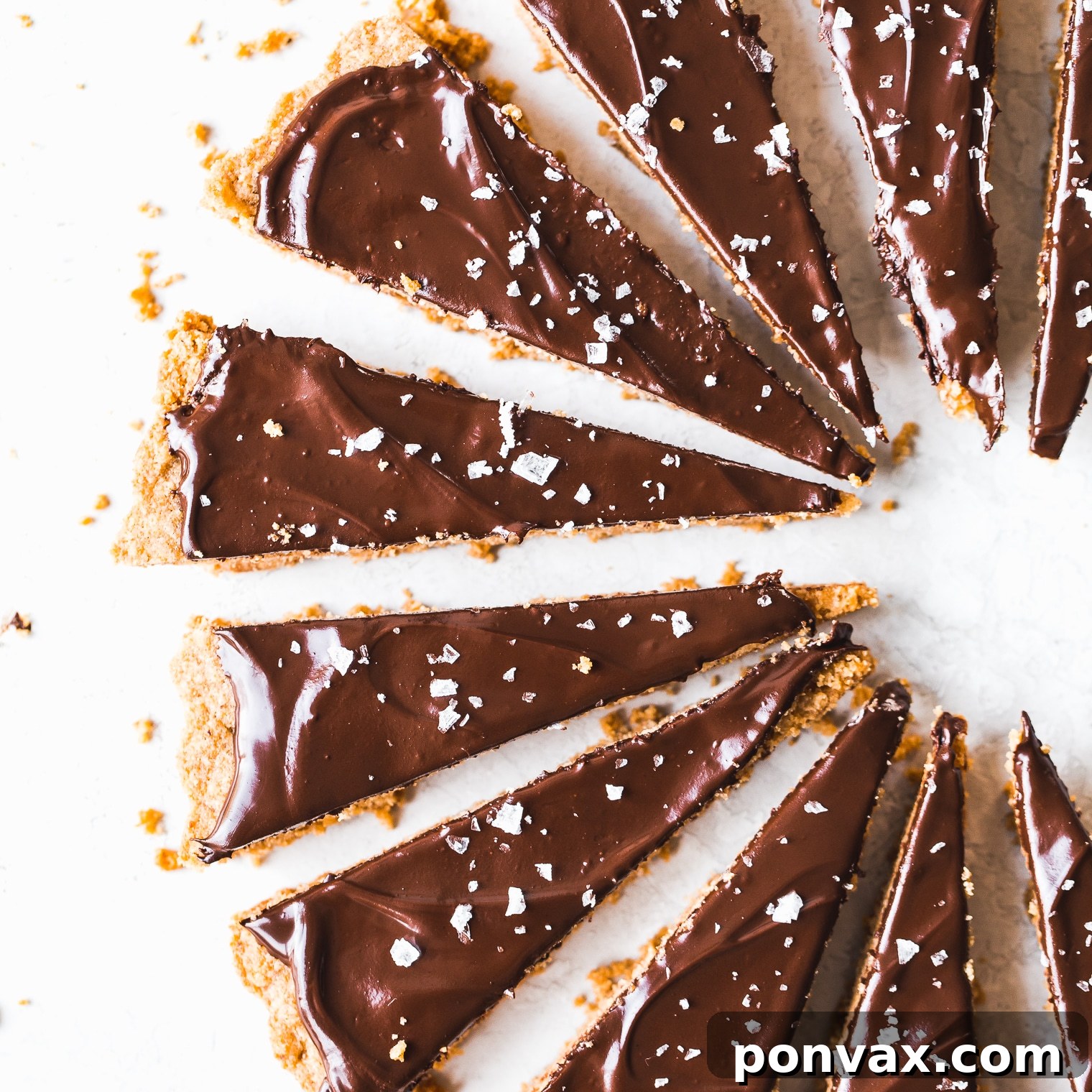
This Gluten-Free Vegan Shortbread recipe tastes rich and buttery – without the butter. This simple recipe is made with just FOUR ingredients and can be topped with chocolate for an extra-special holiday treat.
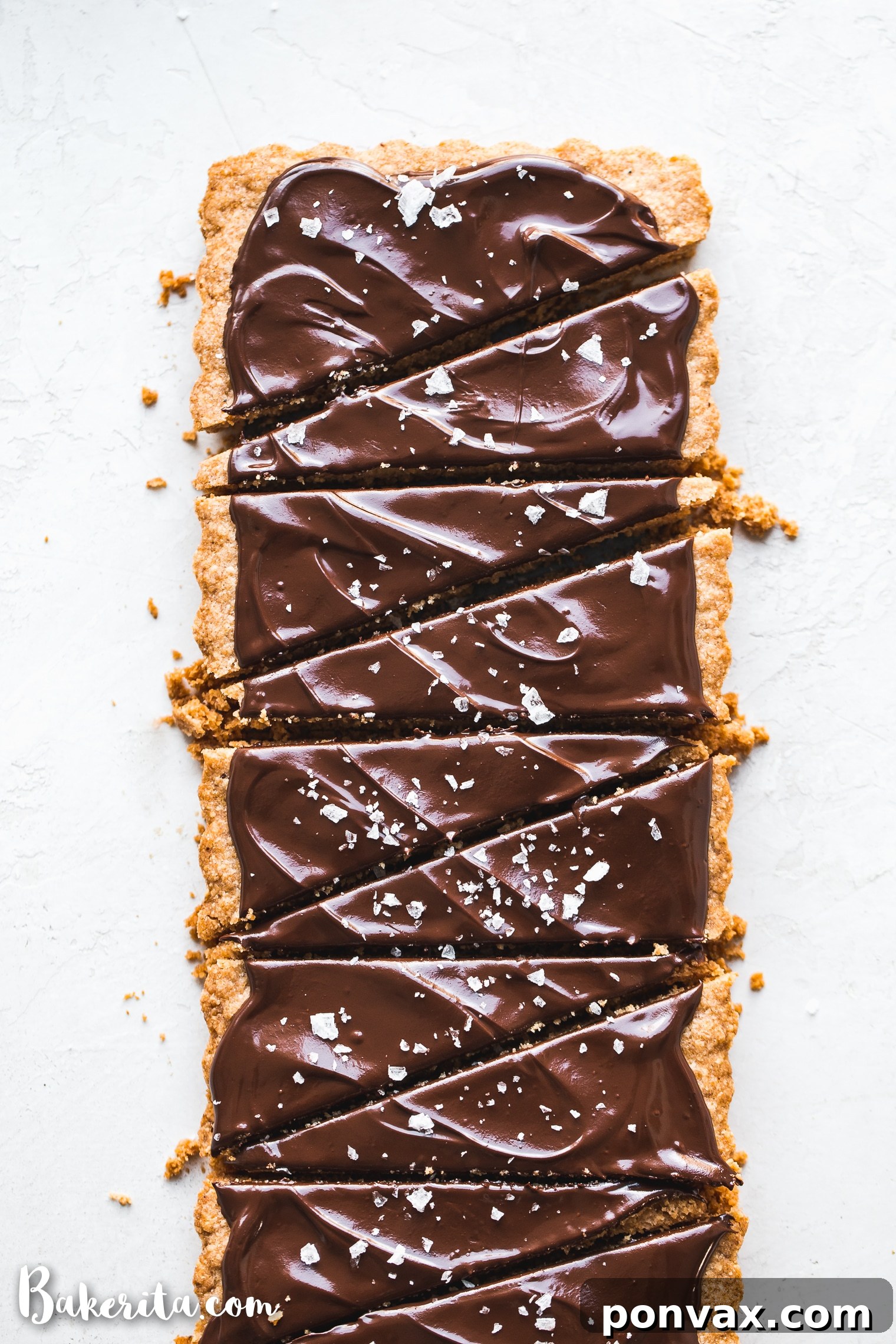
The Ultimate Guide to Gluten-Free Vegan Shortbread: Rich, Buttery, and Irresistible
There’s something undeniably comforting and classic about a perfect shortbread cookie. Its rich, buttery flavor, combined with that characteristic melt-in-your-mouth crumbly texture, makes it a timeless favorite. For many, shortbread isn’t just a cookie; it’s a staple of the holiday season, a cherished treat that completes any festive dessert table or cookie platter. But what if you adhere to a gluten-free or vegan diet? Traditionally, shortbread relies heavily on butter and wheat flour, making it off-limits for those with specific dietary needs. That’s where this incredible Gluten-Free Vegan Shortbread recipe comes in.
Imagine enjoying all the luxurious taste and texture of classic shortbread, but without any dairy or gluten. This recipe delivers exactly that, crafted with just four fundamental ingredients. It’s a testament to how simple, wholesome components can come together to create something truly extraordinary. Whether you’re navigating food sensitivities, embracing a plant-based lifestyle, or simply looking for a delicious and easy cookie, this vegan shortbread is about to become your new go-to. And for an added touch of indulgence, a drizzle of chocolate transforms it into an even more spectacular holiday delight.
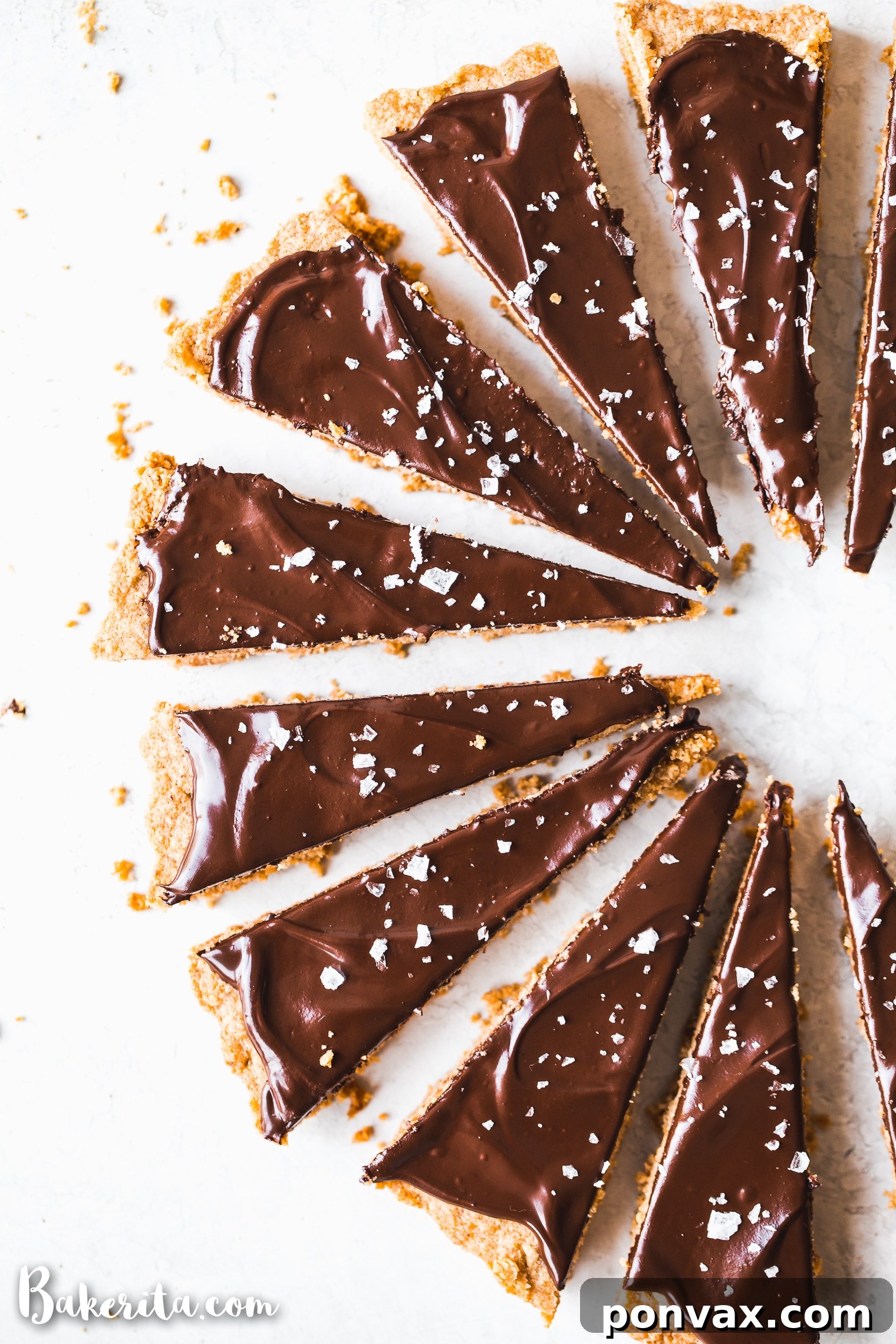
My Journey to the Perfect Dairy-Free Shortbread
My love affair with shortbread runs deep. On my site, you’ll find other beloved shortbread creations, including a gluten-free version made with browned butter. It’s an absolutely phenomenal recipe, and I wholeheartedly recommend it if butter is part of your diet. However, my own dietary journey has led me to a dairy-free path, which meant reimagining this classic treat to fit my new lifestyle without sacrificing any of its beloved qualities. The challenge was to create a vegan shortbread that truly captures the rich, buttery essence and delicate crumb that defines traditional shortbread, all while being completely gluten-free.
After much experimentation and careful adjustments, I finally achieved the texture and flavor I was chasing. The result is a remarkably simple recipe that uses only FOUR main ingredients, with three optional additions that elevate its character. It requires minimal effort to transform a handful of pantry staples into a batch of exquisite cookies ready to be savored. Let’s delve into the magic of making these gluten-free vegan shortbread cookies – a process that’s straightforward and remarkably similar to preparing any other classic cookie recipe, but with truly delicious, inclusive results.
The Magic Behind the Ingredients: Just Four Essentials
The beauty of this easy shortbread recipe lies in its simplicity. With just a few core ingredients, you can create a truly satisfying and buttery-tasting cookie that caters to both gluten-free and vegan diets. Each component plays a crucial role in achieving that perfect shortbread texture and flavor. Let’s explore the essential elements that make this recipe shine.
1. The Ideal Fat: Coconut Oil or Vegan Butter for that Richness
The foundation of any great shortbread is its fat content, which delivers richness and a tender crumb. For our vegan shortbread, we turn to either refined coconut oil or a high-quality vegan butter. Both options work wonderfully, but there are a few nuances to consider.
- Refined Coconut Oil: I personally favor refined coconut oil because it has a neutral flavor, ensuring your shortbread tastes purely of shortbread, not coconut. It also provides an excellent crumbly texture. Ensure your coconut oil is slightly softened, but not completely melted, to cream effectively with the sugar.
- Vegan Butter: If you prefer the familiar taste and handling of butter, a good vegan butter stick (not spread) is an excellent substitute. Make sure it’s also slightly softened to room temperature for optimal blending.
The key here is the consistency of your fat. It should be soft enough to cream smoothly with the sugar, creating a light and airy base for your dough. This step is crucial for achieving that signature melt-in-your-mouth texture.
2. Sweetness Perfected: Your Choice of Granulated Sweetener
For sweetness, we need a granulated sugar to provide structure and prevent the dough from becoming too wet. I typically use coconut sugar, which offers a lovely caramel-like note and a slightly less refined option. However, maple sugar or any other granulated sweetener of your choice will work perfectly. The most important tip here is to avoid liquid sweeteners like maple syrup or honey. While delicious in other contexts, they will significantly alter the moisture content and texture of your shortbread, leading to a much softer, less traditional cookie.
3. The Gluten-Free Flour Duo: Almond and Cassava for Perfect Texture
Achieving the classic shortbread texture without gluten requires a thoughtful blend of flours. Our secret lies in combining almond flour and cassava flour. This powerful duo works in harmony to create a cookie that is both tender and flaky, yet robust enough to hold its shape beautifully. This combination effectively bypasses common issues in gluten-free baking, such as a gritty texture or excessive crumbliness. The almond flour adds a delicate richness and a hint of moisture, while the cassava flour provides the necessary structure and elasticity without any gluten, ensuring your shortbread has that desirable snap and crumble.
4. The Essential Flavor Enhancers: Vanilla Extract and a Pinch of Salt
While the first three ingredients form the structural core, vanilla extract and a pinch of salt are game-changers for flavor. A teaspoon of vanilla extract isn’t strictly necessary, but it infuses the shortbread with a warm, inviting aroma and a delightful depth of flavor that truly elevates the overall experience. Similarly, a pinch of salt is vital for balancing the sweetness and enhancing all the other flavors in the cookie, ensuring a well-rounded and irresistible taste. Don’t skip these simple additions if you want to maximize the deliciousness!
Step-by-Step Guide to Crafting Your Perfect Gluten-Free Vegan Shortbread
Making these dairy-free shortbread cookies is a surprisingly simple and rewarding process. Follow these steps carefully to ensure a batch of perfectly tender, buttery-tasting shortbread every time.
Preparation is Key: Setting Up for Success
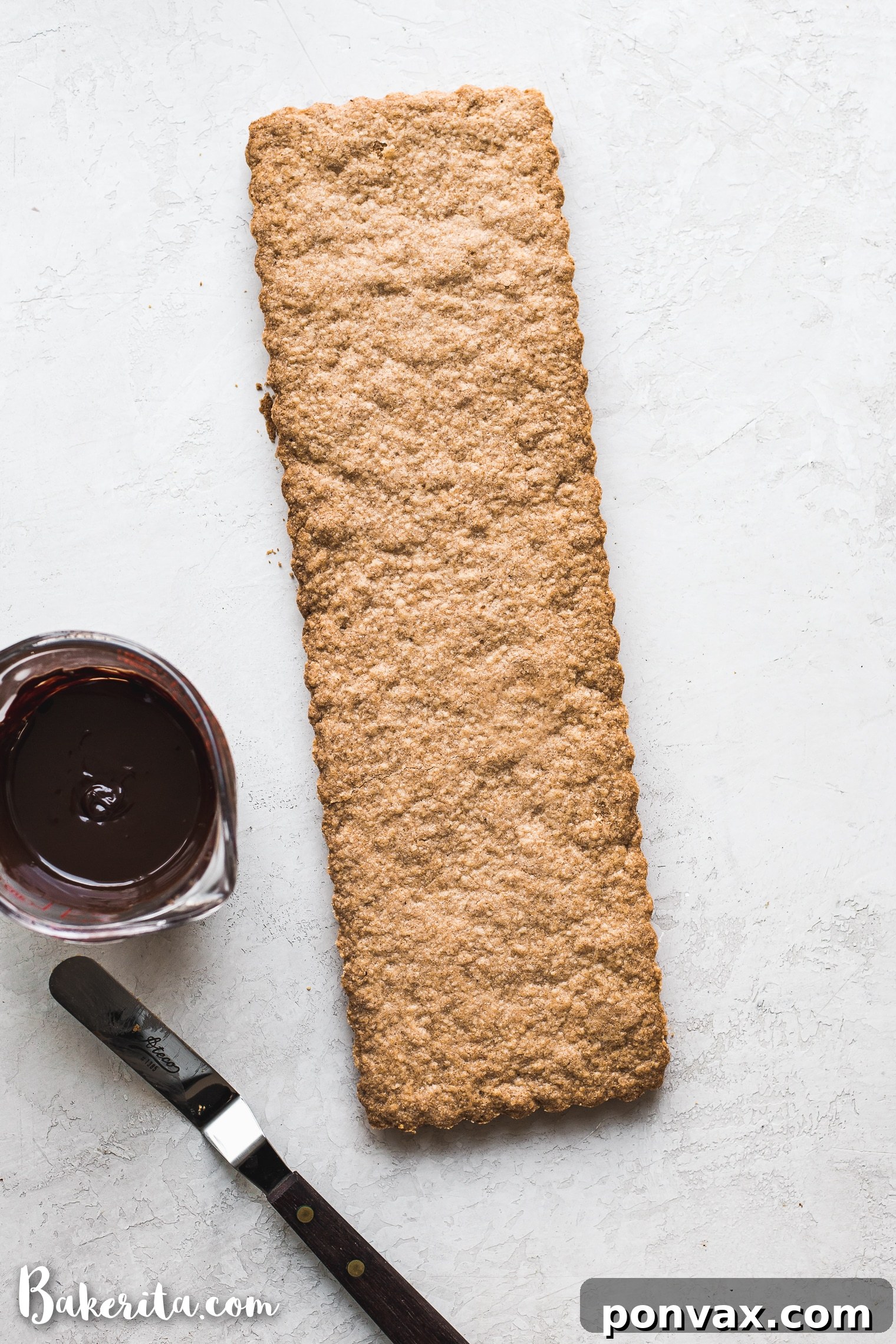
- Prepare Your Pan: First, you’ll want to line an 8×8 square baking pan with parchment paper, leaving an overhang on two sides to easily lift the shortbread out later. Alternatively, you can lightly grease a 14″ x 4.5” tart pan with a removable bottom using coconut oil. The choice of pan affects the final shape, but not the taste!
Mixing the Dough: Simplicity in Action
- Cream the Fat and Sugar: In a spacious mixing bowl, combine your softened refined coconut oil (or vegan butter) with the granulated coconut sugar. Beat these together until the mixture is completely smooth and thoroughly incorporated. It should look light and fluffy.
- Add Vanilla (If Using): If you’re adding vanilla extract, stir it in now. It will instantly infuse the mixture with its delightful fragrance.
- Incorporate the Flours and Salt: Next, add the almond flour, cassava flour, and a pinch of salt to the wet ingredients. Stir everything until just combined and a smooth, cohesive dough forms. Be careful not to overmix; just combine until no dry streaks remain.
The Crucial Chill Time: Don’t Skip This Step!
- Press and Chill: Press the freshly made dough evenly into your prepared pan. Use the back of a spoon or your hands to smooth out the top. This is a crucial step: chill the dough for at least 1 hour at room temperature. This allows the flours to fully hydrate and the fats to firm up, which prevents the cookies from spreading too much in the oven and ensures that classic shortbread crispness. If you’re chilling for longer than an hour, transfer the pan to the refrigerator.
Baking to Golden Perfection
- Preheat Your Oven: Once your dough has properly chilled, preheat your oven to 325°F (160°C).
- Bake Until Golden: Place the shortbread in the preheated oven and bake for 30 to 40 minutes. You’ll know it’s ready when it’s cooked through and the edges have turned a beautiful golden brown. The center might still look slightly pale, which is normal.
- Cool Completely: This step requires patience! It’s essential to let the shortbread cool completely in the pan before attempting to remove or cut it. Vegan and gluten-free baked goods can be delicate when warm, and cooling allows them to firm up properly.
Finishing Touches: Cut, Serve, or Elevate with Chocolate
- Cut into Shapes: Once completely cool, carefully lift the shortbread out of the pan using the parchment paper overhang. If you prefer your shortbread plain, cut it into your desired shapes – traditional fingers, squares, or even festive cut-outs.
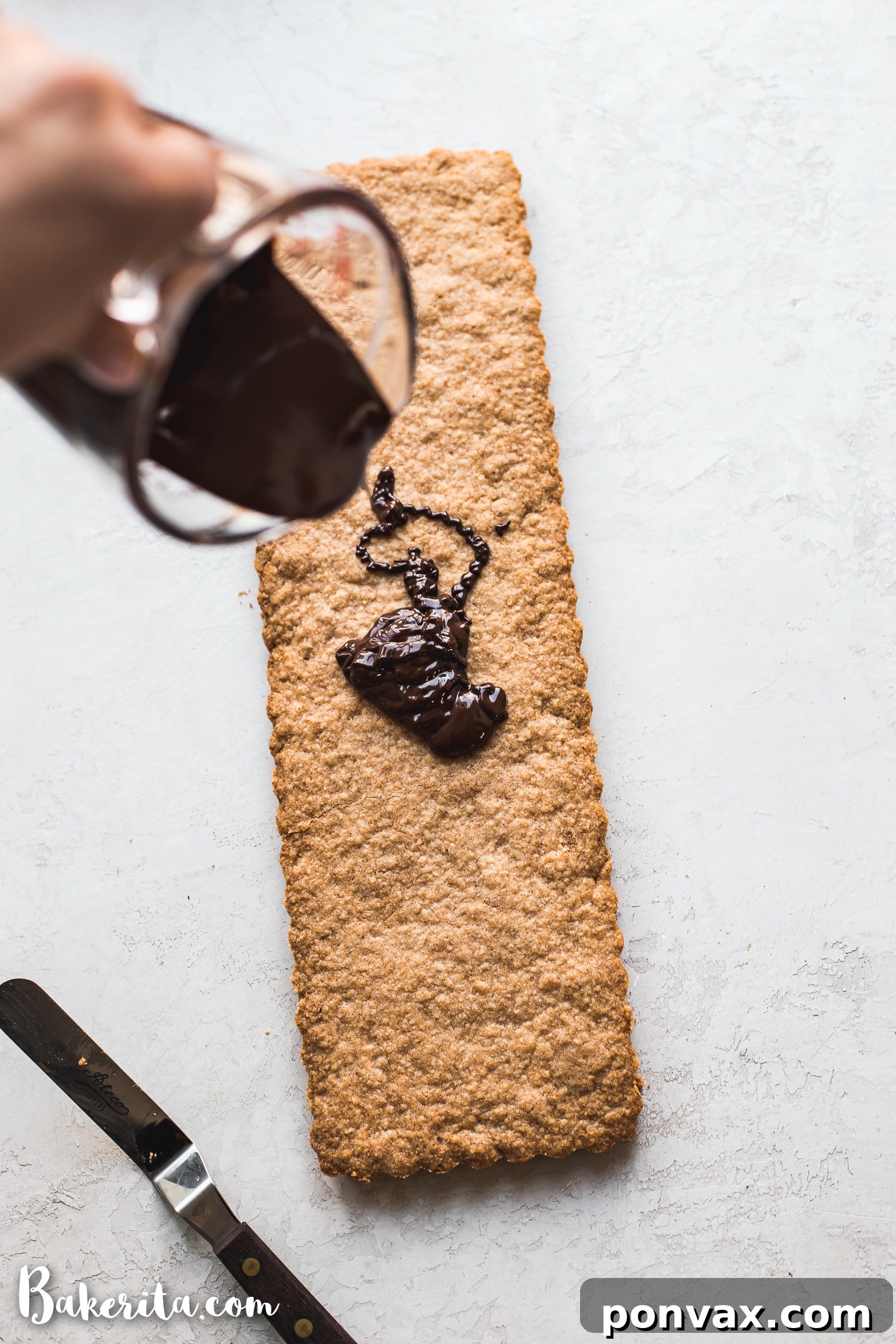
- The Chocolate Topping Option: For an extra special treat, melt your dark chocolate. Smooth the melted chocolate evenly over the cooled shortbread. Let the chocolate cool slightly, but not completely firm, before cutting. This prevents the chocolate from splintering. Once cut, transfer the chocolate-covered cookies to the fridge to allow the chocolate to set completely. This creates a beautiful, crack-free finish and ensures the chocolate is firm when handled.
- Storage: Store your delightful shortbread in an airtight container at room temperature or in the refrigerator for a few days. For longer enjoyment, it freezes wonderfully.
Elevate Your Shortbread: The Indulgence of Chocolate Topping and Other Variations
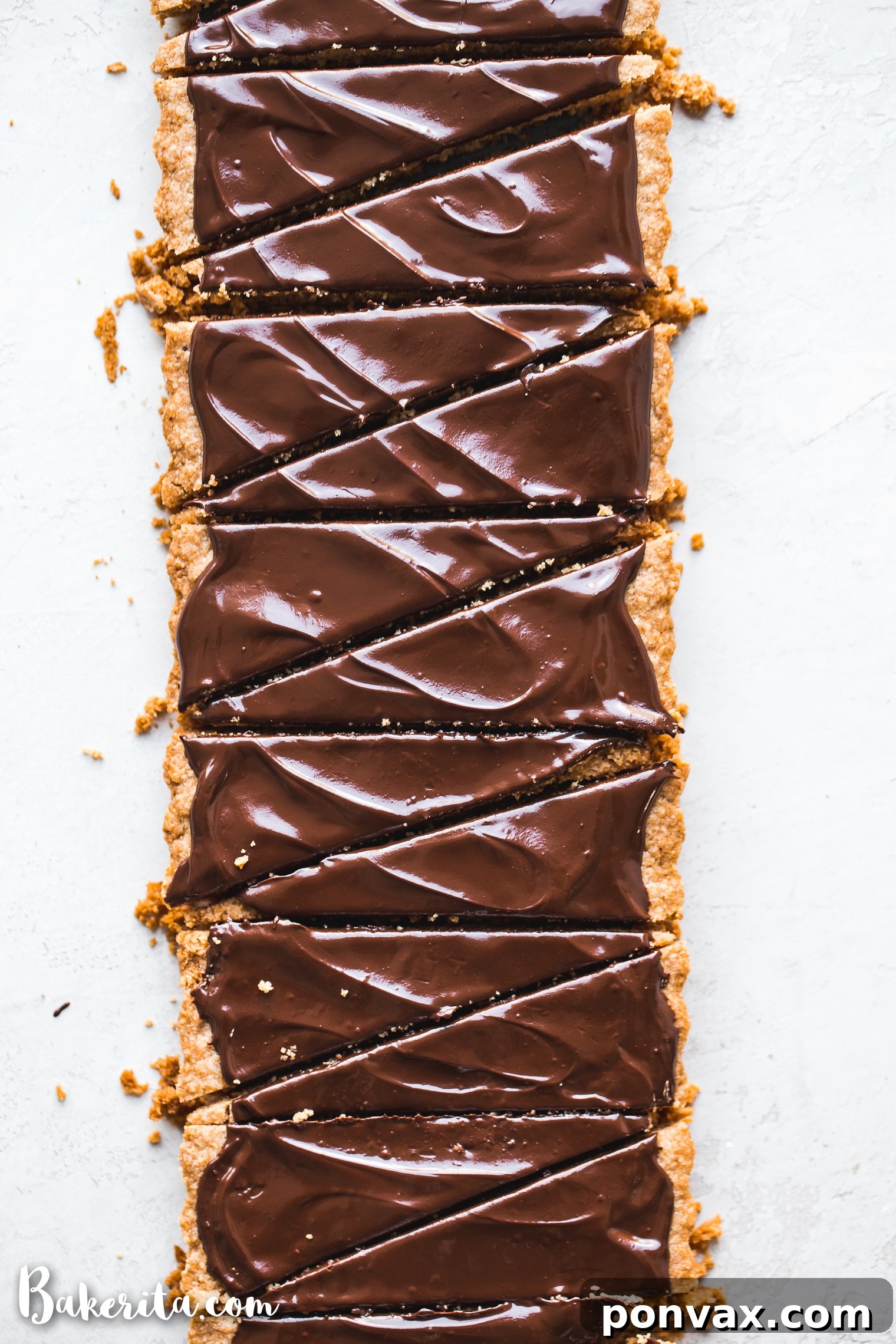
While this gluten-free vegan shortbread is absolutely delicious on its own, I’m a firm believer that a little chocolate can make almost anything better! Adding a melted chocolate topping transforms these simple cookies into an extra-special dessert, perfect for holiday gatherings or a thoughtful homemade gift. I personally adore how the rich, slightly bitter dark chocolate complements the tender sweetness of the shortbread.
The Chocolate Experience
- Type of Chocolate: Opt for a high-quality vegan dark chocolate. Chocolate chips or a baking bar work equally well. Ensure it’s dairy-free if maintaining strict vegan guidelines.
- Melting Method: You can melt the chocolate gently in a double boiler or in the microwave in short bursts, stirring frequently, until smooth and glossy.
- Application: Once melted, pour it over the completely cooled shortbread and spread it evenly with an offset spatula or the back of a spoon.
- Cutting Tip: The trick to perfectly cut chocolate-topped shortbread is to cut it when the chocolate is mostly cool but not yet fully set and hard. This prevents the chocolate from cracking or shattering as you slice through it. A quick chill in the fridge after cutting will firm up the chocolate beautifully.
Creative Variations to Try
If chocolate isn’t your preference, or you’re looking for other ways to customize your plant-based shortbread, here are a few ideas:
- Citrus Zest: Add 1-2 teaspoons of lemon, orange, or lime zest to the dough with the flours for a bright, refreshing flavor.
- Spiced Shortbread: Incorporate ½ teaspoon of ground cinnamon, cardamom, or a pumpkin pie spice blend for a cozy, aromatic twist, especially lovely during the colder months.
- Nutty Crunch: Press finely chopped nuts (like pecans or walnuts) into the top of the dough before baking for added texture and flavor.
- Glazed Perfection: Instead of chocolate, whip up a simple glaze with powdered sugar and a splash of plant-based milk or lemon juice, then drizzle it over the cooled shortbread.
- Decorative Edges: Before baking, use a fork to gently prick patterns across the top of the shortbread.
- Shaping Fun: Instead of a square pan, roll out the dough and use cookie cutters to create various shapes. Adjust baking time slightly for thinner cookies.
Whether plain, chocolate-covered, or creatively flavored, these shortbread cookies are incredibly versatile and perfectly suited for serving with a cup of tea, coffee, or as a delightful addition to your holiday cookie assortment.
Make-Ahead & Storage Solutions for Busy Bakers
One of the many fantastic qualities of this easy gluten-free vegan shortbread recipe is how wonderfully it lends itself to make-ahead preparation and long-term storage. This is particularly advantageous during busy holiday seasons when having delicious treats ready to go can be a lifesaver.
Making Ahead
You can prepare the dough a day or two in advance. After pressing it into the pan, simply cover it tightly with plastic wrap and refrigerate. When you’re ready to bake, let it sit at room temperature for about 15-20 minutes while your oven preheats, then proceed with the baking instructions. This is a perfect strategy for simplifying your baking schedule.
Storage for Freshness
- Room Temperature: Once completely cooled, plain shortbread can be stored in an airtight container at room temperature for up to 3-4 days. If topped with chocolate, it’s best kept in a cool pantry or refrigerator to prevent the chocolate from melting, especially in warmer climates.
- Refrigerator: For extended freshness, especially for chocolate-covered shortbread, store in an airtight container in the refrigerator for up to a week. The texture might firm up slightly, but it will still be delightful.
Freezing for Longer Enjoyment
Absolutely! These gluten-free vegan shortbread cookies freeze phenomenally well. This is excellent news for anyone who loves to bake in batches or wants to stash away some treats for future enjoyment. I often have batches in my freezer from recipe testing, and they remain absolutely delicious after thawing.
- To Freeze Baked Cookies: Allow the shortbread (plain or chocolate-covered) to cool completely. Cut them into your desired shapes. Arrange the cookies in a single layer on a baking sheet and flash freeze for about 30 minutes until solid. Then, transfer the frozen cookies to an airtight freezer-safe container or a heavy-duty freezer bag, separating layers with parchment paper to prevent sticking. They will keep well for up to 2-3 months.
- To Thaw: Simply remove the desired number of cookies from the freezer and let them come to room temperature on your counter for about 20-30 minutes. They’ll be ready to enjoy!
Having a stash of these vegan shortbread cookies in your freezer means you’re always prepared for unexpected guests, a sudden craving, or last-minute holiday gifting. It’s convenience and deliciousness rolled into one!
Frequently Asked Questions About Gluten-Free Vegan Shortbread
Here are answers to some common questions you might have while making this delightful shortbread.
Q: Can I substitute the flours in this recipe?
A: The combination of almond flour and cassava flour is specifically chosen for its unique properties that mimic traditional shortbread texture without gluten. Substituting these flours, especially cassava, can significantly alter the texture and consistency. For best results, I highly recommend sticking to the specified flours. Other gluten-free flours like oat flour, rice flour, or tapioca starch behave differently and might result in a drier, gummier, or more crumbly cookie.
Q: Why can’t I use liquid sweeteners?
A: Shortbread dough is meant to be relatively dry and crumbly before baking to achieve its characteristic tender snap. Liquid sweeteners introduce too much moisture, which can make the dough difficult to handle, cause it to spread excessively during baking, and result in a cakey rather than crisp texture. Granulated sweeteners are crucial for the proper structure of this recipe.
Q: My dough is too crumbly and won’t come together. What should I do?
A: This can happen if your coconut oil or vegan butter isn’t soft enough, or if your kitchen is particularly cold. Try kneading the dough gently with your hands for a minute or two. The warmth from your hands can help soften the fat and encourage the dough to come together. If it’s still too crumbly, you can add a tiny bit (1/2 teaspoon at a time) of plant-based milk until it just barely comes together.
Q: How do I know when the shortbread is fully baked?
A: Look for the edges to turn a light golden brown. The center might still look pale, but it should feel firm to the touch when gently pressed. Baking for the full 30-40 minutes should ensure it’s cooked through. Keep a close eye on it during the last 10 minutes, as ovens can vary.
Q: Can I use different flavored extracts?
A: Absolutely! While vanilla is classic, feel free to experiment. Almond extract can enhance the flavor if you’re using almond flour. Peppermint extract would be festive for holidays. Just start with a small amount (1/4 to 1/2 teaspoon) and add more to taste.
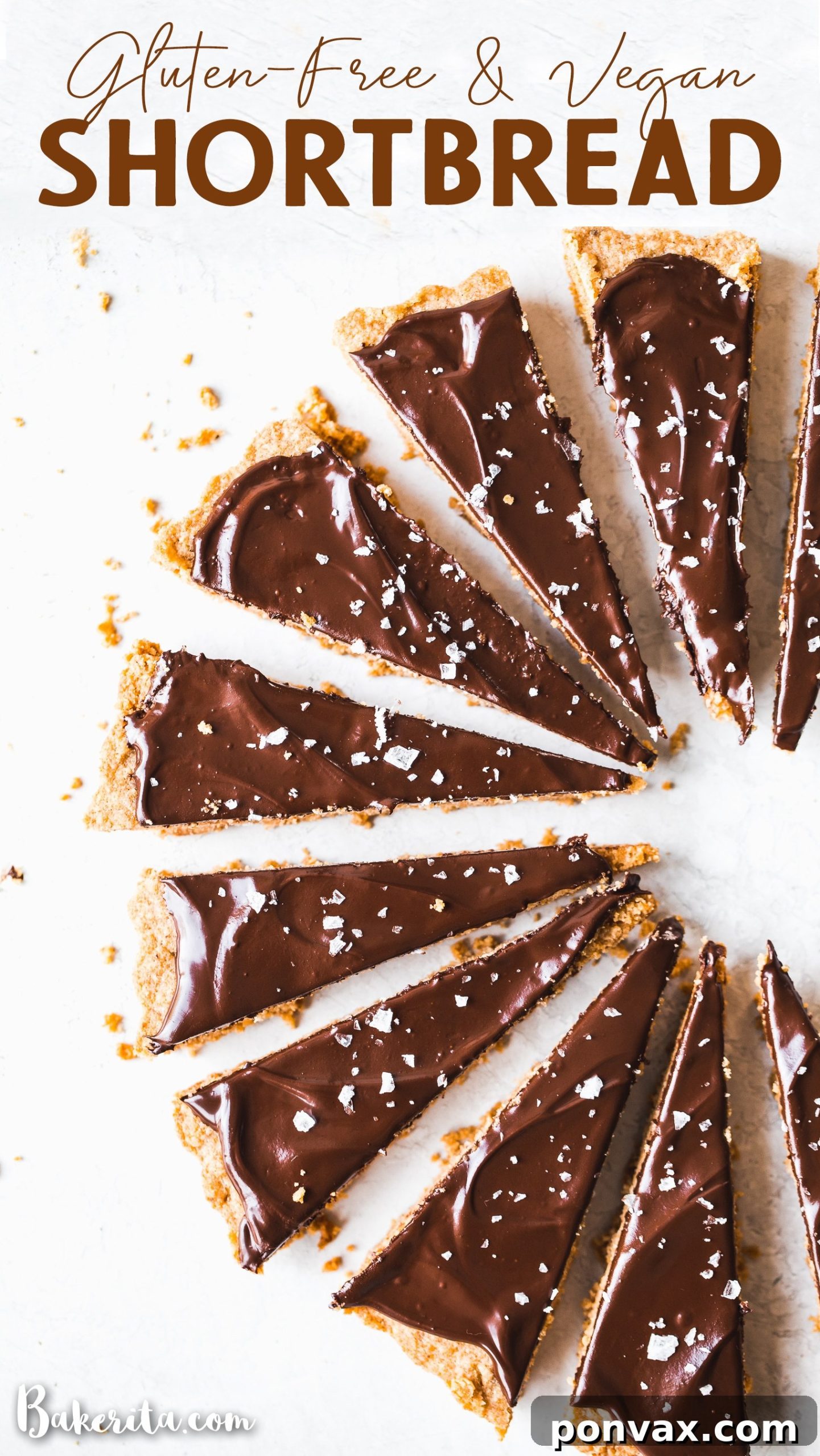
Gluten-Free Vegan Shortbread Recipe
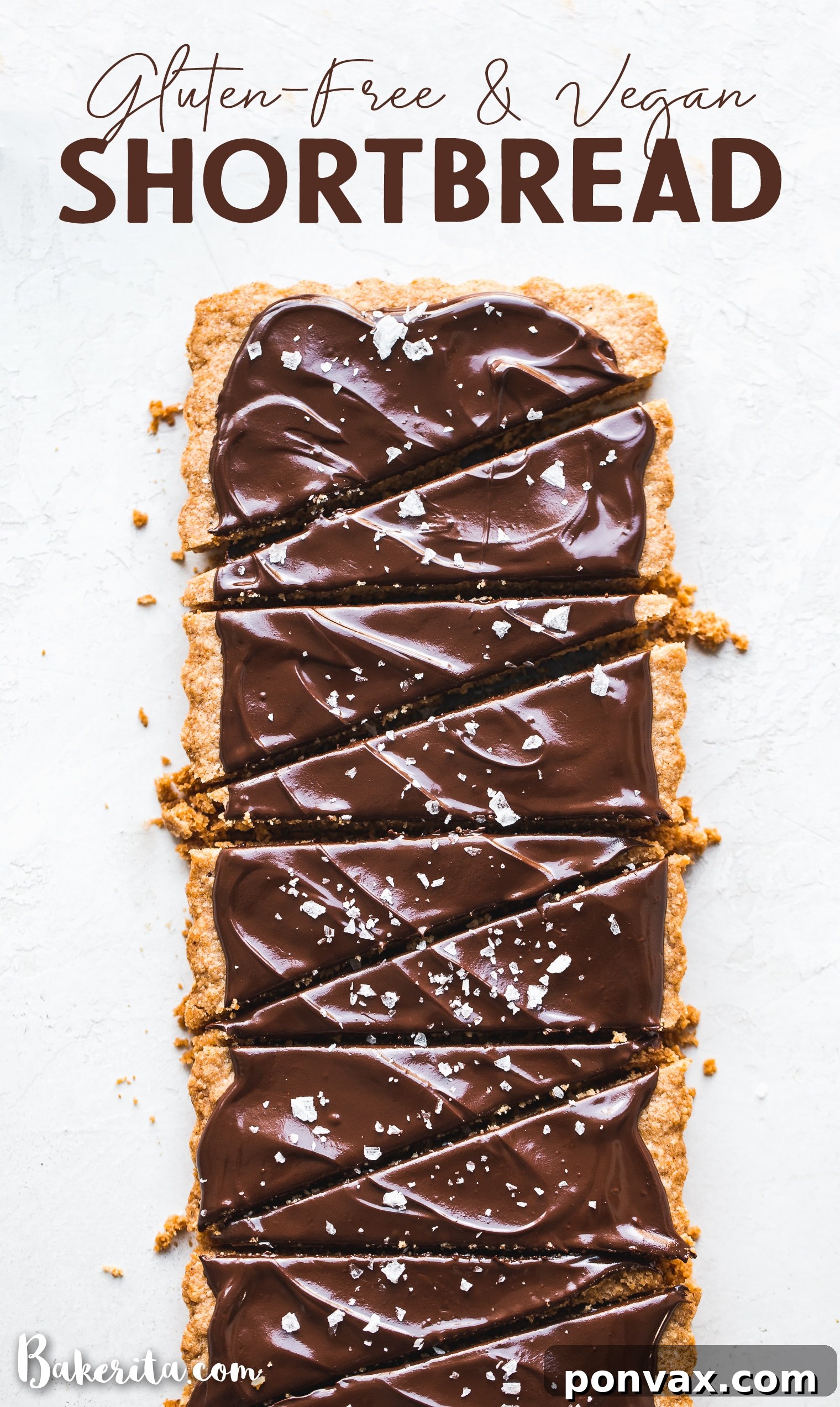
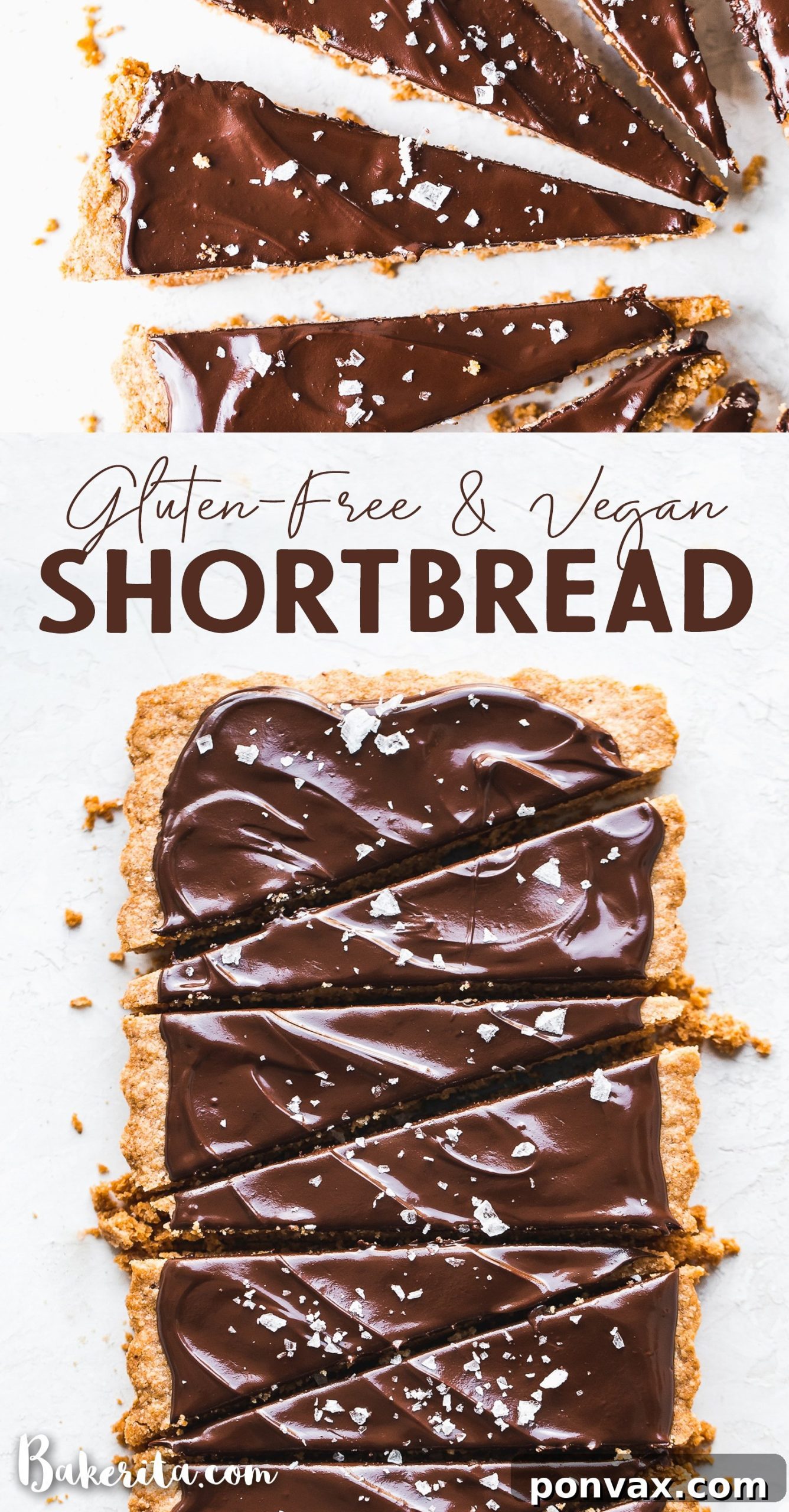
This Gluten-Free Vegan Shortbread is incredibly rich and buttery in flavor and texture, yet completely dairy-free. Made with just four main ingredients, it’s a simple recipe perfect for any occasion, especially when topped with decadent chocolate for a special holiday treat.
Author: Rachel Conners
Prep Time: 1 hr
Cook Time: 40 mins
Total Time: 1 hr 40 mins
Ingredients
- ½ cup (100g) refined coconut oil or vegan butter, slightly softened
- ½ cup coconut sugar, or maple sugar, or other preferred granulated sweetener
- 1 teaspoon vanilla extract (optional)
- ¾ cup (105g) cassava flour
- ½ cup (48g) blanched almond flour
- Pinch of salt (optional)
- 3 ounces dark chocolate, melted (for topping, optional)
Instructions
- Line an 8×8 square baking pan with parchment paper, or lightly grease a 14″ x 4.5” tart pan with a removable bottom using coconut oil.
- In a mixing bowl, combine the coconut oil or vegan butter with the coconut sugar. Mix until completely smooth and incorporated.
- Add in the vanilla extract, if using, and stir.
- Add the cassava flour, almond flour, and salt. Stir until completely incorporated and a smooth dough forms.
- Press the dough evenly into the prepared pan and smooth out the top.
- Chill the dough for at least 1 hour at room temperature. For chilling longer than one hour, transfer it to the refrigerator.
- When ready to bake, preheat your oven to 325°F (160°C).
- Bake the shortbread in the preheated oven for 30 to 40 minutes, or until cooked through and golden brown around the edges.
- Let the shortbread cool completely in the pan before attempting to remove or cut the cookies.
- Once cool, lift the cookies out of the pan. If serving them plain, cut into your desired shapes.
- If adding the chocolate topping, smooth the melted chocolate evenly over the cooled shortbread. Let it cool slightly, but not completely firm, before cutting. I recommend cutting when the chocolate is cool but still pliable to prevent splintering. Once cut, transfer the chocolate-covered cookies to the fridge to allow the chocolate to firm up completely.
- Store in an airtight container at room temperature or in the refrigerator for a few days, or in the freezer for longer storage.
Share Your Masterpiece!
I genuinely hope you love this tender, flaky, and optionally chocolate-covered gluten-free vegan shortbread recipe as much as I do! It’s truly a delight that proves dietary restrictions don’t mean compromising on deliciousness.
If you try out this recipe, I would absolutely love to see your creations! Please consider tagging me on Instagram @bakeritablog to show me your masterpiece. Your feedback brightens my day, so please also leave a comment below to let me know what you think and how your shortbread turned out. Happy holidays, lovely friends, and happy baking!