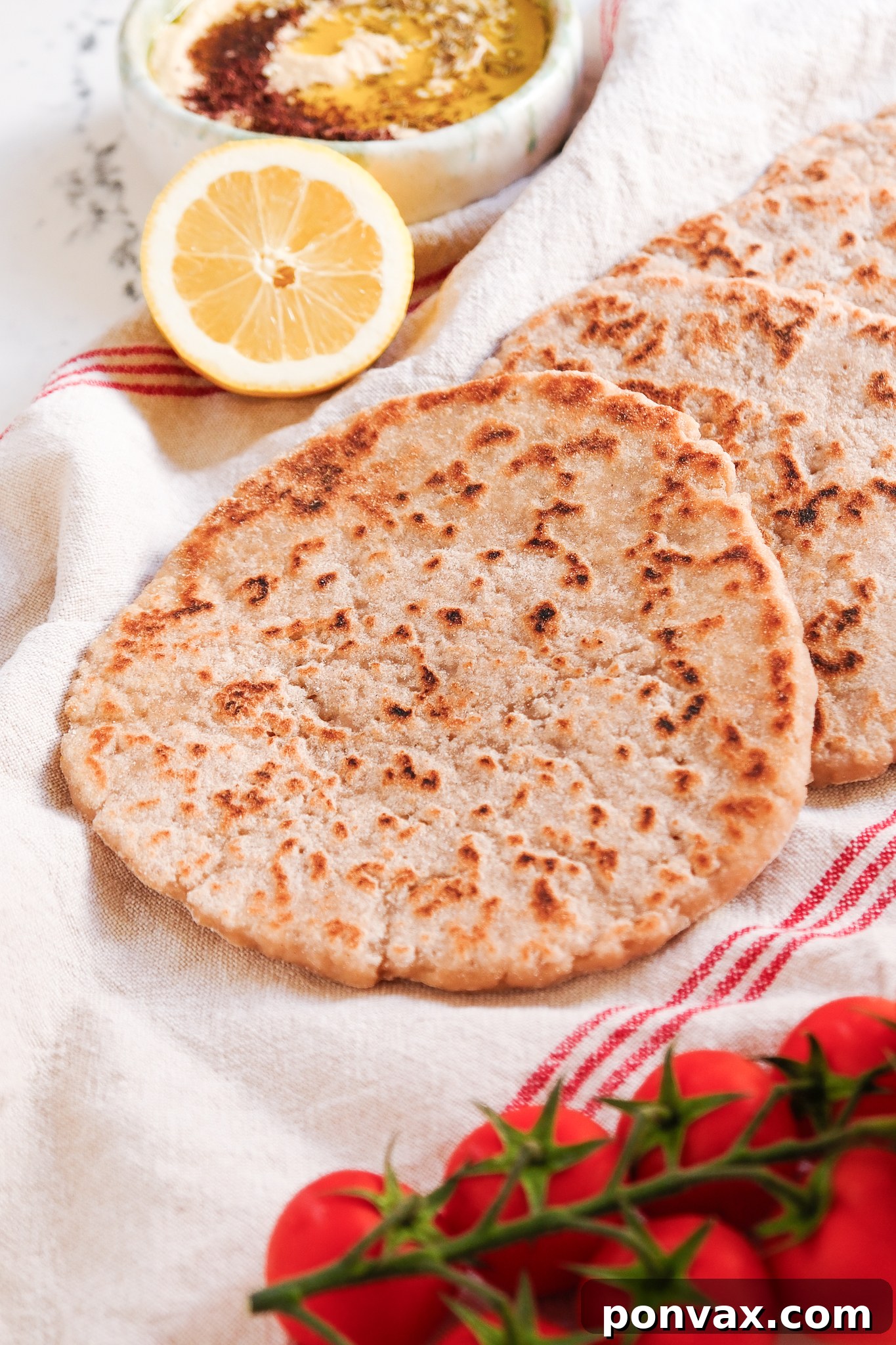
Welcome to the ultimate guide for creating the most delectable gluten-free sourdough flatbread! Imagine a warm, pillowy soft bread, boasting the distinct, delightful tang of traditional sourdough, yet entirely free from gluten. This recipe delivers exactly that – a fluffy, bubbly flatbread that’s incredibly versatile. Whether you’re craving a substitute for naan, a perfect pita for dipping, a pliable base for your favorite wraps, a quick and easy pizza crust, or simply something to scoop up hearty soups and rich dips, these stovetop-made flatbreads are your answer. What’s more, they are completely dairy-free, vegan, and nut-free, catering to a wide range of dietary needs without compromising on flavor or texture.
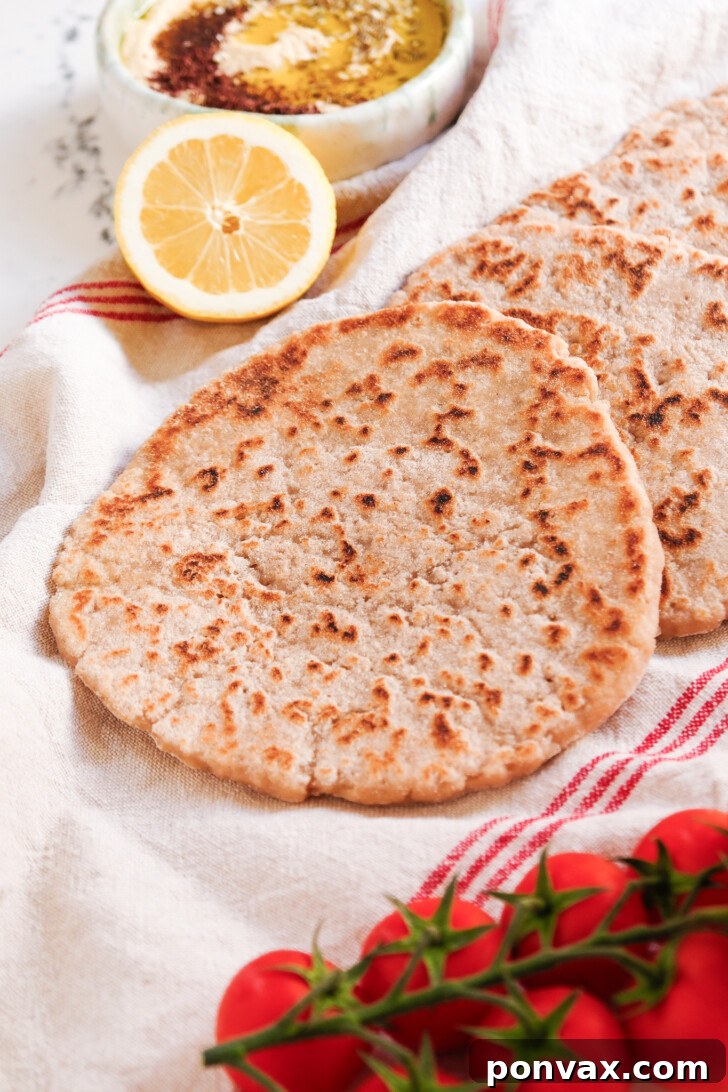
My culinary journey with homemade flatbreads began with my tried-and-true gluten-free flatbread recipe. It quickly became an indispensable staple, perfect for pairing with creamy hummus or a comforting bowl of soup. However, a new challenge emerged: how to infuse these soft, resilient flatbreads with the unmistakable character of sourdough. The goal was a version that was just as fluffy and delicious, but with that deep, tangy flavor profile only a sourdough starter can provide. And now, I can confidently say, this is IT! This recipe makes the process surprisingly simple, allowing you to whip up the dough with ease and even prepare it ahead of time, making it ideal for busy schedules or spontaneous meal planning.
Beyond its incredible taste and texture, this recipe offers another fantastic benefit: it’s an excellent way to utilize your sourdough discard. Giving new life to what might otherwise be thrown away, these flatbreads transform discard into culinary gold. They function beautifully as a gluten-free pita bread, robust enough for generous scoops of velvety hummus, or to create a vibrant wrap filled with fresh ingredients. Serve them alongside rich curries as a flavorful gluten-free naan, or quickly bake them into a crispy, customizable gluten-free pizza crust for a weeknight treat. The possibilities are truly endless, and the satisfaction of making your own versatile, wholesome bread is unparalleled. Let’s delve into the details of this extraordinary recipe and unlock the secrets to perfect gluten-free sourdough flatbread!
Why You’ll Adore This Gluten-Free Sourdough Flatbread Recipe:
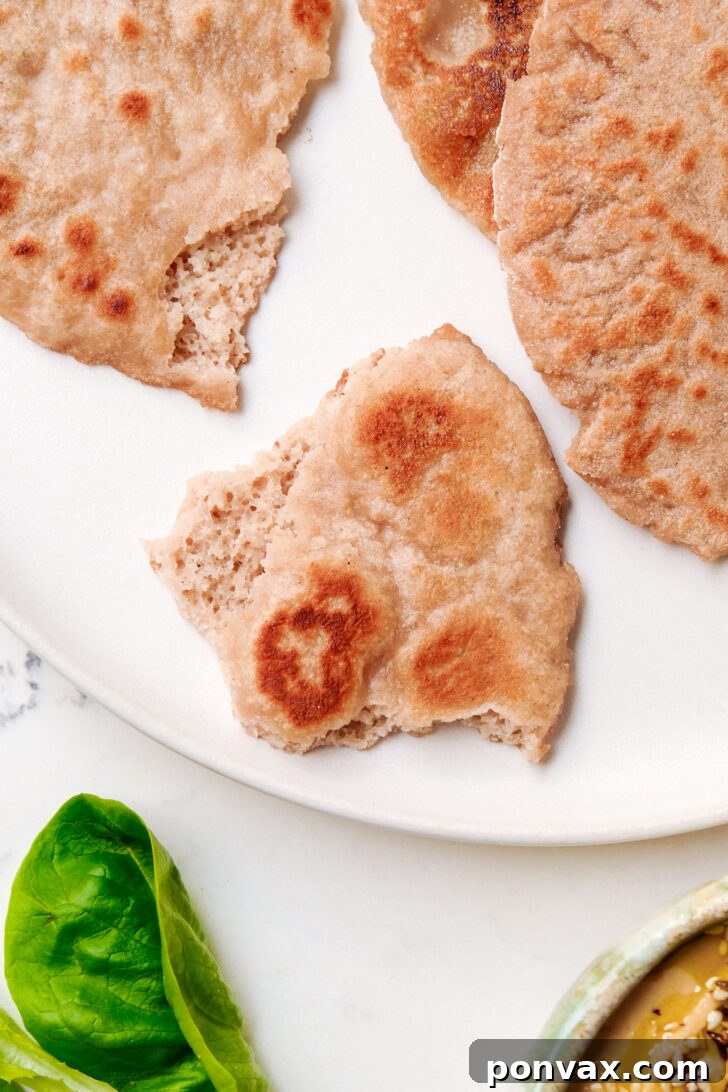
- Unbeatable Texture: Say goodbye to crumbly or dry gluten-free breads. These flatbreads are wonderfully soft, incredibly pliable, and boast a chewy resilience, making them the perfect canvas for homemade wraps, delicate crepes, or sturdy dipping companions. Their flexible nature ensures they hold various fillings without tearing, providing a delightful mouthfeel with every bite.
- Deep Sourdough Flavor: The inclusion of sourdough starter imparts a subtle yet distinctive tang that elevates these flatbreads far beyond a traditional gluten-free version. This unique sourdough flavor adds an incredible depth and complexity, creating an extra special taste experience that will impress even the most discerning palates.
- Effortless Simplicity: Designed with ease in mind, this recipe features straightforward ingredients and uncomplicated steps. Whether you’re a novice baker venturing into the world of gluten-free sourdough or a seasoned expert, you’ll find success with this recipe, yielding consistently delicious results every time.
- Stovetop Convenience: One of the standout features of this recipe is that there’s no need to even preheat your oven! These versatile flatbreads cook quickly and beautifully on a hot pan, griddle, or even a Blackstone grill. This makes them an ideal choice for fast meals, camping trips, or simply when you want to avoid heating up your kitchen.
- Dietary Inclusivity: This recipe is a game-changer for those with specific dietary requirements. Being gluten-free, dairy-free, vegan, and nut-free, it’s a wholesome option that can be enjoyed by almost everyone, ensuring no one misses out on the joy of fresh, homemade bread.
Unlock Culinary Creativity: Versatile Uses for Your Sourdough Flatbreads
Once you’ve mastered these delectable gluten-free sourdough flatbreads, a world of culinary possibilities opens up. Their unique texture and flavor make them incredibly versatile for any meal of the day. Here are some inspiring ideas to get your creative juices flowing:
- Gourmet Wraps and Sandwiches: The inherent flexibility of these flatbreads makes them an unparalleled choice for crafting exquisite wraps. Fill them with an array of vibrant grilled vegetables, succulent lean proteins like chicken or tofu, or a fresh, crisp salad for a nutritious and satisfying meal. The soft, yet sturdy texture, largely due to the marvel of psyllium husk, ensures that your fillings are securely held without any tearing, providing a mess-free and enjoyable eating experience.
- Effortless Personal Pizzas: Transform your flatbreads into quick, personalized gluten-free pizzas. Simply spread a generous layer of rich tomato sauce, sprinkle with your favorite dairy-free or traditional cheese, and adorn with an assortment of toppings – from classic pepperoni and mushrooms to adventurous roasted vegetables and herbs. A short bake until the cheese is bubbling and golden will yield a perfectly crisp yet chewy pizza that’s ready in minutes.
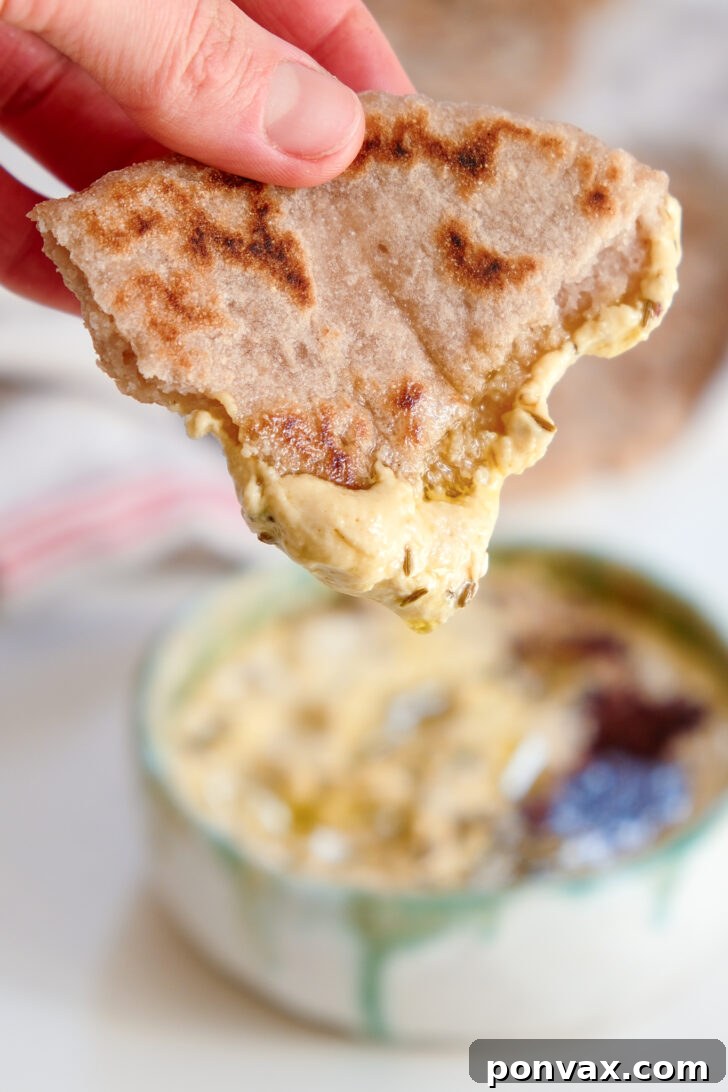
- Perfect Dipping Companion: These flatbreads are an absolute dream for dipping. Serve them alongside creamy hummus, refreshing tzatziki, or a fragrant olive oil infused with garlic and fresh herbs. Their robust yet tender structure is ideal for scooping up generous portions of dips, making them a fantastic appetizer for gatherings or a satisfying snack.
- Soups & Stews Best Friend: Elevate your soup and stew experience by pairing them with these delightful flatbreads. Hearty dishes such as a comforting vegan red lentil soup or a rich creamy vegan tomato white bean stew are always enhanced when served with a complementary carb for dipping. This sourdough flatbread is the perfect companion, soaking up all the delicious broth and adding a wonderful texture contrast.
- Inventive Breakfast Base: Start your day with a creative twist using these flatbreads as your breakfast foundation. Top them with creamy avocado and perfectly poached eggs, a savory tofu scramble, or luxurious smoked salmon with a sprinkle of dill. The flatbread’s subtle sourdough tang beautifully complements a wide array of breakfast flavors, offering a unique and hearty morning meal.
Achieve Perfection: Expert Tips and Tricks for Gluten-Free Sourdough Flatbreads
Crafting the perfect gluten-free sourdough flatbread is an art that becomes effortless with a few key insights. These tips and tricks are designed to guide you towards consistently achieving beautifully textured, flavor-rich results, ensuring your flatbreads are nothing short of culinary masterpieces.
- Ensure an Active Sourdough Starter: The foundation of exceptional sourdough flatbread lies in an active and vibrant gluten-free sourdough starter. Before you begin, confirm that your starter is well-fed, bubbly, and vigorously active. This isn’t just crucial for optimal leavening, which gives your flatbreads their airy texture, but also fundamentally enhances the signature tangy flavor that defines sourdough baking. A strong starter translates directly into a more flavorful and pliable dough.
- Embrace the Resting Period (Fermentation): Patience is a virtue in sourdough baking. Allow your dough to rest for a minimum of 2 hours, or until it has visibly puffed up and become more airy. This fermentation period is vital; it not only allows the sourdough culture to develop a deeper, more complex flavor profile but also significantly improves the dough’s texture and elasticity. For an even more pronounced sourdough tang and enhanced digestibility, consider an extended overnight fermentation in the refrigerator, up to 18 hours. This slow cold ferment truly unlocks the full potential of your sourdough.
- Select the Ideal Cooking Surface: The choice of your cooking vessel plays a pivotal role in achieving that coveted golden-brown crust and perfect puff. A hot, well-seasoned cast-iron skillet or a high-quality non-stick pan is your best friend here. Always ensure your pan is thoroughly preheated over medium-high heat before adding the dough. This consistent, high heat is essential for even cooking, preventing the flatbread from becoming dense and promoting the beautiful blistering and puffing that indicate a perfectly cooked flatbread.
- Optimal Storage for Freshness: To maintain the delightful softness and flavor of your freshly cooked flatbreads, proper storage is key. Once cooled, store them in an airtight container at room temperature for up to two days. When you’re ready to enjoy them again, a quick reheat on a dry skillet over medium heat will restore their original softness and warmth, making them taste freshly made.
- Creative Flavor Variations: Don’t hesitate to experiment and personalize your flatbreads! Infuse extra flavor directly into the dough by incorporating finely chopped fresh herbs such as rosemary, thyme, or oregano. Minced garlic or a sprinkle of your favorite spices like za’atar, cumin, or smoked paprika can add an incredible aromatic dimension. These variations allow you to tailor your flatbreads to complement different cuisines and dishes, making each batch a unique culinary adventure.
Maximizing Sourdough Discard? If you’re using sourdough discard that isn’t particularly active, or if you simply want an extra boost of puff and lightness, add a small sprinkle (about 1-2 grams) of instant yeast to your dry ingredients. This will help kickstart the leavening process, ensuring a fluffy texture even with less active starter.
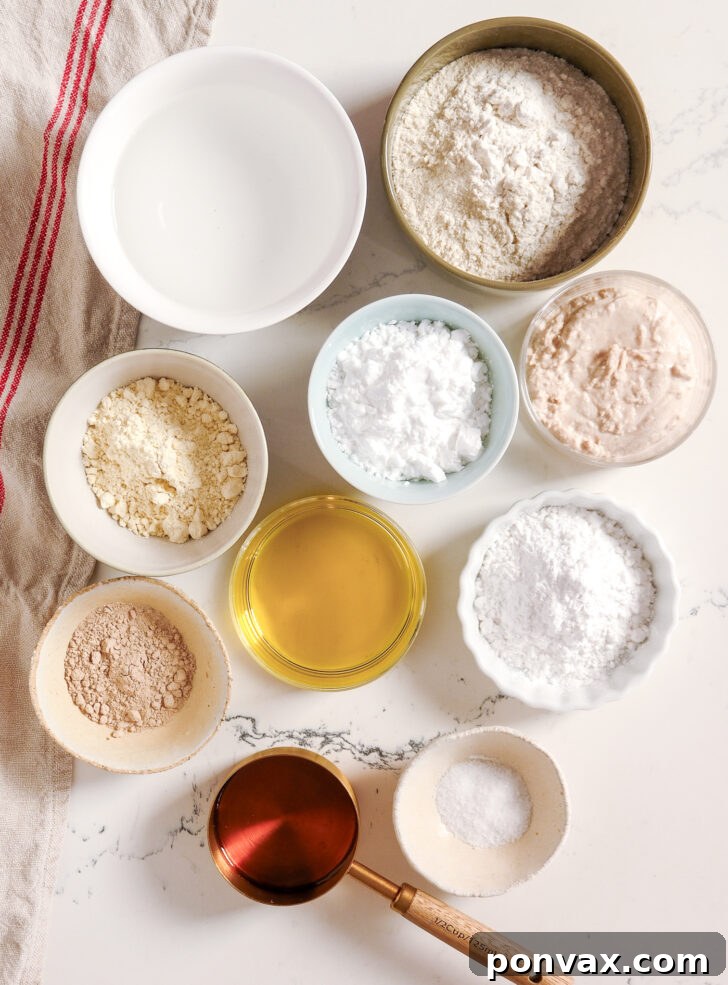
The Foundation of Flavor and Texture: Essential Ingredients for Gluten-Free Sourdough Flatbread
The success of this gluten-free sourdough flatbread lies in the thoughtful selection and combination of its ingredients. Each component plays a crucial role in achieving the desired texture, flavor, and pliability that makes these flatbreads truly exceptional. Understanding their functions will help you appreciate the careful balance within the recipe.
- Custom Gluten-Free Flour Blend: Crafting the ideal gluten-free bread often requires a specific blend of flours and starches. For this recipe, extensive testing revealed that a combination of tapioca starch (also known as tapioca flour), potato starch, brown rice flour, and millet flour yields the best possible texture and flavor profile.
- Simplifying Your Blend: While the recommended combination provides superior results, you can simplify by using one starch and one whole grain flour if preferred. However, be aware that this will alter the final texture and taste. Alternatively, if you frequently bake gluten-free, my premade bread flour blend is a convenient and effective option to keep on hand.
- The Magic of Psyllium Husk: This seemingly humble ingredient is a powerhouse in gluten-free baking. Psyllium husk acts as a vital binder, providing the much-needed elasticity and flexibility to the dough, effectively mimicking the structural properties of gluten that are absent in traditional wheat flours. Furthermore, it excels in moisture retention, which is key to producing soft, tender flatbreads that don’t dry out quickly. We provide precise measurements for both finely ground psyllium husk powder and whole psyllium husks to accommodate what you have available.
- Rich Olive Oil: The incorporation of olive oil serves multiple purposes in this recipe. It infuses the flatbreads with a subtle, delicate richness and contributes significantly to their overall moisture content. This results in a more tender crumb and helps to achieve that desirable pliable texture. Beyond texture, olive oil also enhances the depth of flavor, adding a slight savory note that complements the sourdough tang beautifully.
- Nourishing Maple Syrup: While you might assume maple syrup is added purely for sweetness, its primary role here is as “food” for your sourdough starter. The natural sugars in maple syrup (or honey) provide a readily available energy source for the yeast and bacteria in your starter, encouraging vigorous activity and fermentation. This boost in starter activity is crucial for optimal leavening and flavor development, rather than significantly sweetening the final product.
- Essential Fine Sea Salt: Salt is more than just a seasoning; it is an indispensable ingredient in baking that profoundly impacts flavor and dough structure. A balanced amount of fine sea salt enhances all the natural tastes of the other ingredients, bringing them into harmonious balance without overwhelming the delicate sourdough notes. It also plays a role in controlling fermentation and strengthening the dough.
- Optional Flavorful Add-ins: Don’t be afraid to get creative with additional ingredients! For an extra layer of flavor and texture, consider folding in fresh herbs like finely chopped rosemary or thyme, a touch of minced garlic for aromatic depth, or a sprinkle of seeds such as sesame or Nigella seeds for visual appeal and a slight crunch. Experimenting with these optional additions allows you to customize your flatbreads to perfectly suit your meal or personal preferences.
Understanding Psyllium Husk vs. Psyllium Powder: It’s important to note the distinction between whole psyllium husks and finely ground psyllium powder. Whole husks tend to give the dough a slightly grainier texture, though it’s often barely noticeable in the finished flatbread and perfectly acceptable if that’s what you have on hand. Ground psyllium powder, on the other hand, will result in a much smoother, more uniform dough. Both forms will work effectively in this recipe, and the ingredient list provides precise measurements for each. For an in-depth exploration of this unique ingredient and its baking properties, you can learn all about psyllium husk here.
Mastering the Process: Step-by-Step Guide to Perfect Gluten-Free Sourdough Flatbread
Creating these delightful gluten-free sourdough flatbreads involves a series of simple yet crucial steps. Following this detailed guide will ensure you achieve a consistently soft, tangy, and pliable flatbread every time.
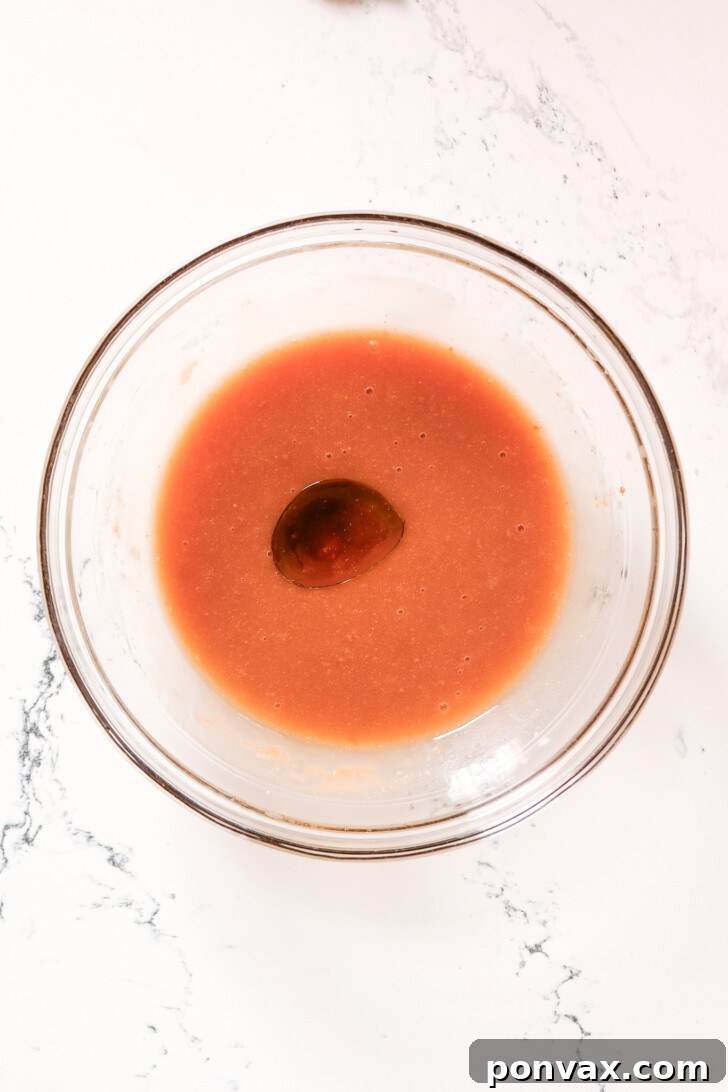
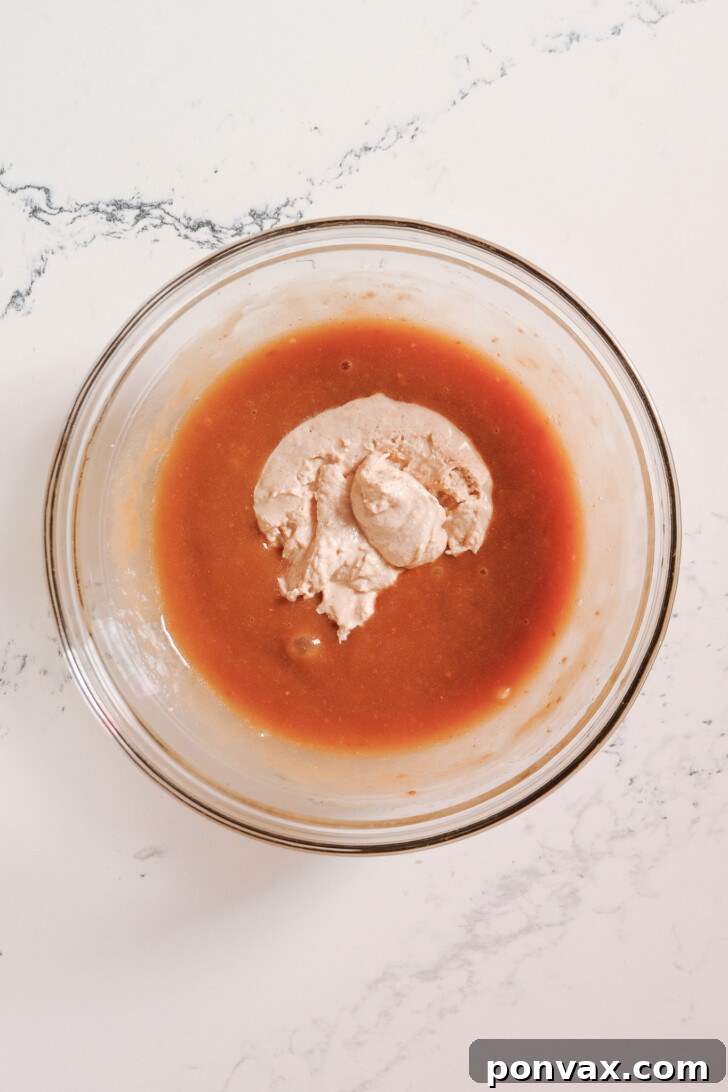
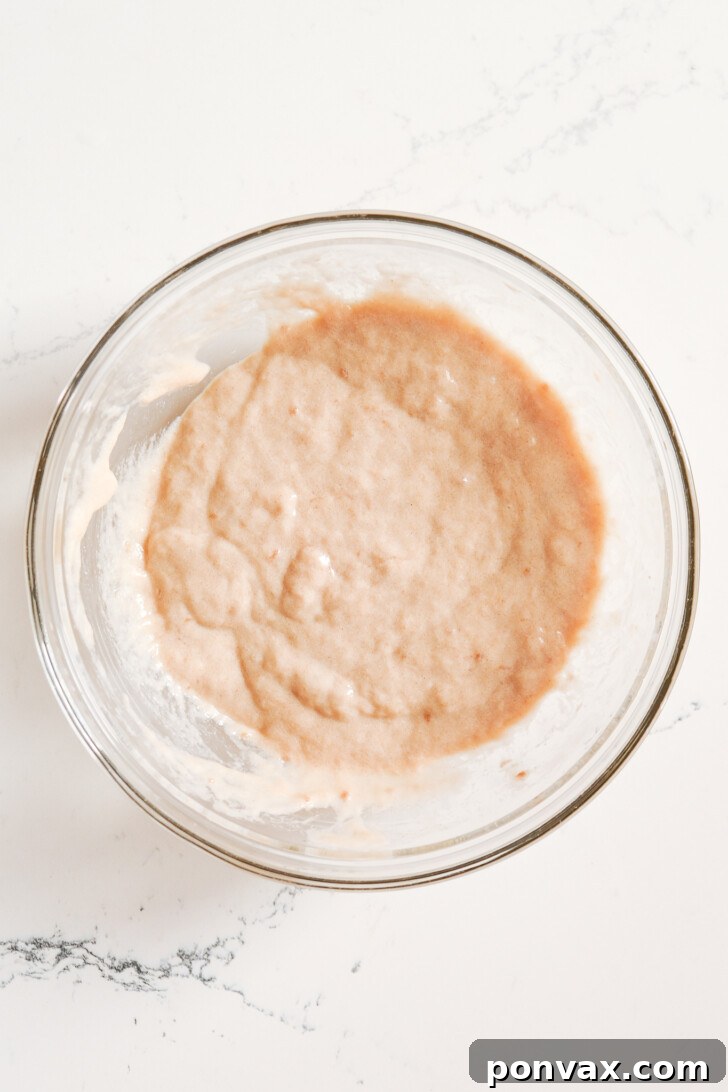
Step 1: Activate the Psyllium Gel. Begin by preparing the psyllium gel, which is essential for providing elasticity to our gluten-free dough. In a large mixing bowl, combine the specified amount of warm water with maple syrup (or honey) and finely ground psyllium husk powder. Whisk these ingredients together thoroughly. Allow the mixture to rest for approximately 2-3 minutes; during this time, it will absorb the liquid and thicken into a viscous, jelly-like gel. If you are using whole psyllium husks instead of powder, remember to increase the quantity as specified in the recipe to achieve the correct consistency. Once the gel has formed, incorporate the olive oil and your active gluten-free sourdough starter, stirring until everything is smoothly and evenly combined.
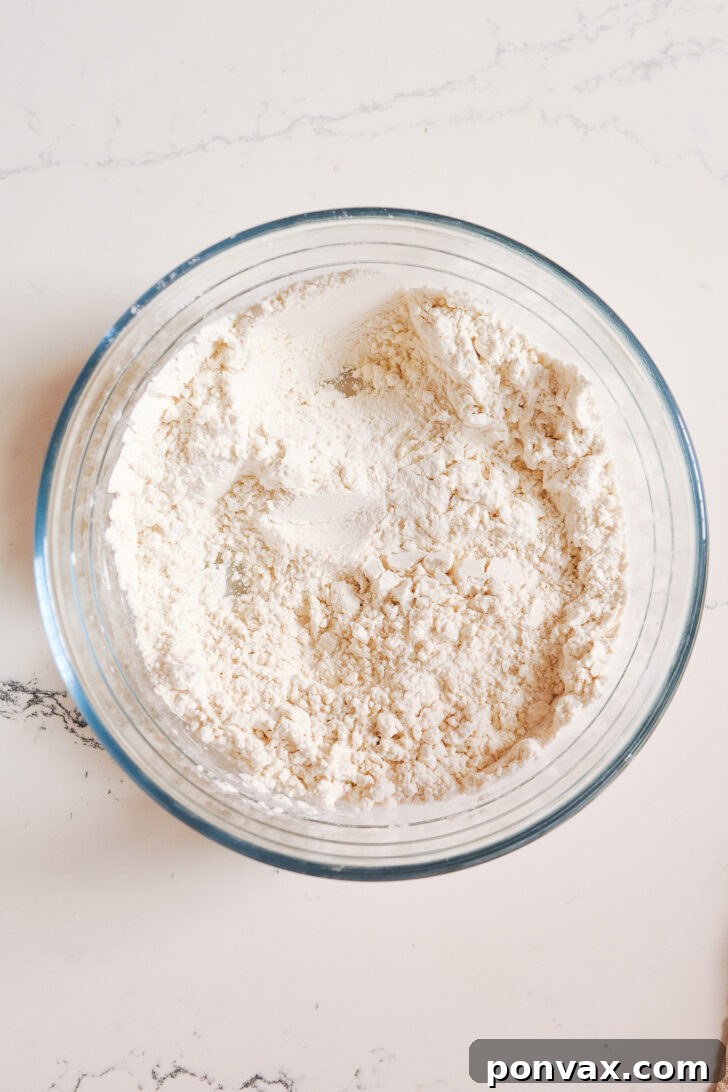
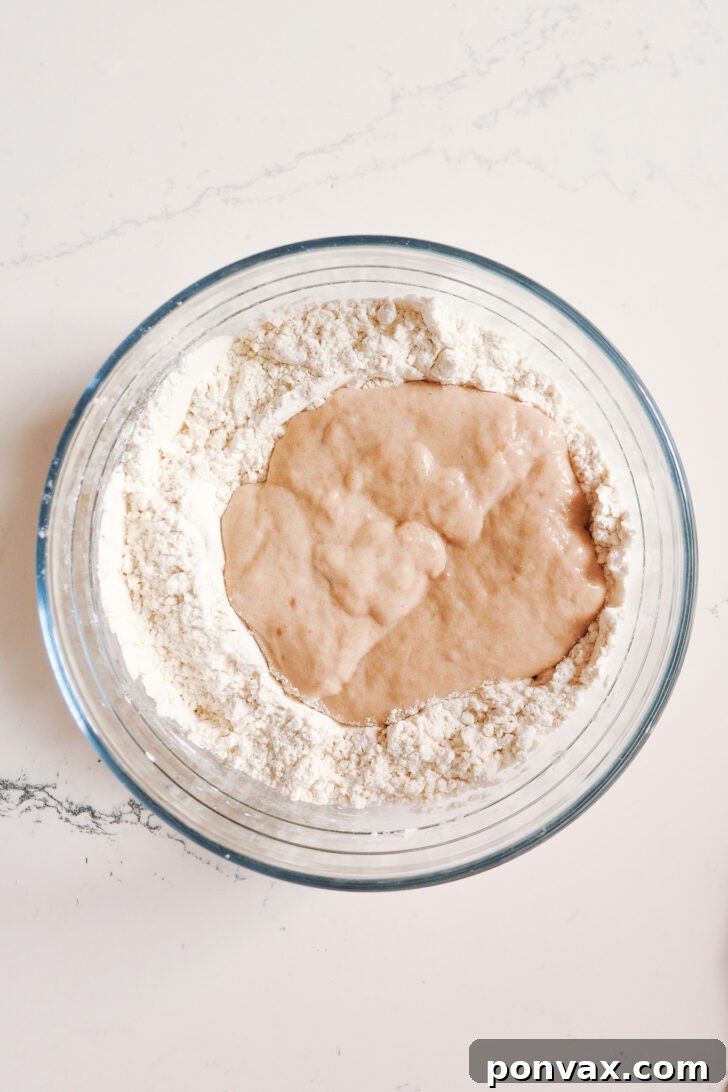
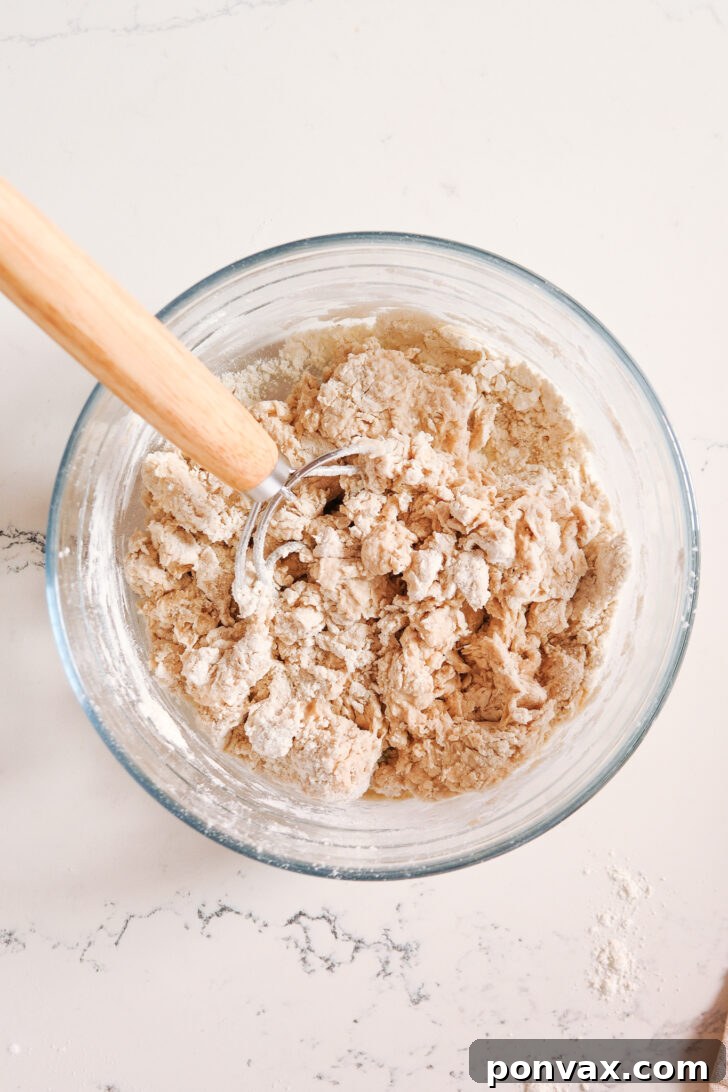
Step 2: Combine Wet and Dry Ingredients. In a separate, medium-sized bowl, thoroughly whisk together all the dry ingredients: potato starch, tapioca starch, brown rice flour, millet flour, and fine sea salt. Ensure these are perfectly blended to avoid pockets of unmixed flour in your dough. If any of the dry ingredients appear clumpy, a quick sift through a fine-mesh sieve can help achieve a uniform texture. Once the dry ingredients are combined, pour the prepared wet mixture (the psyllium gel, olive oil, and sourdough starter) into the bowl with the dry ingredients. Mix vigorously, either by hand or with a stand mixer, until a cohesive dough begins to form. Continue to mix and lightly knead the dough until it becomes smooth, pliable, and uniform in consistency. The ideal dough should be soft to the touch but should not feel excessively sticky.
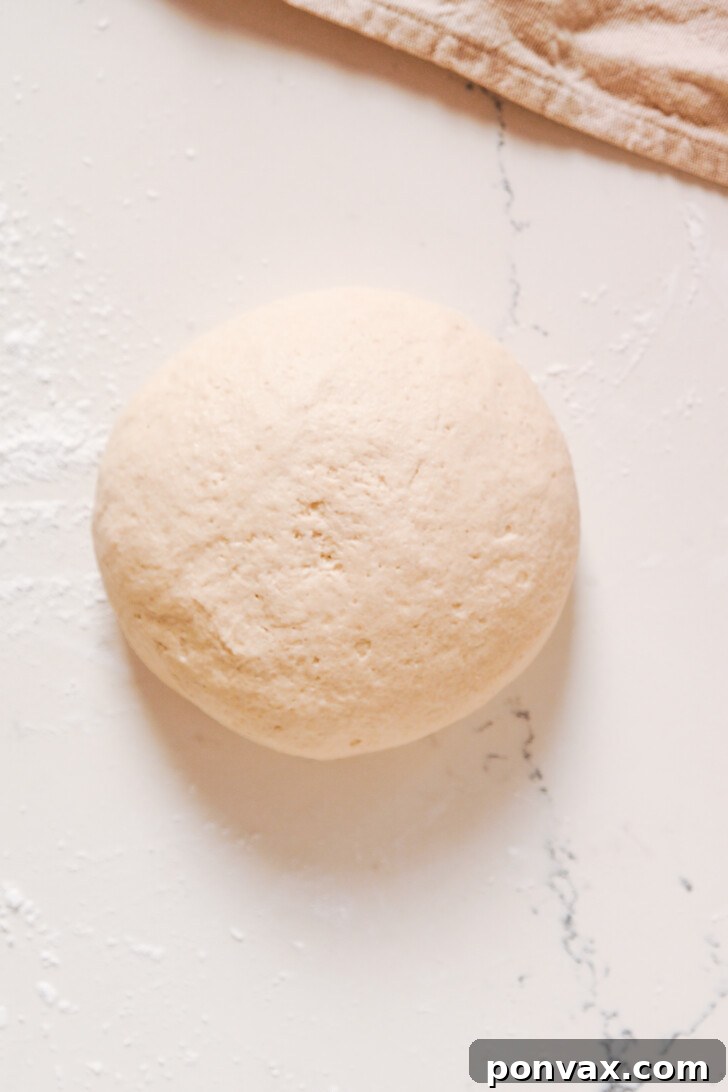
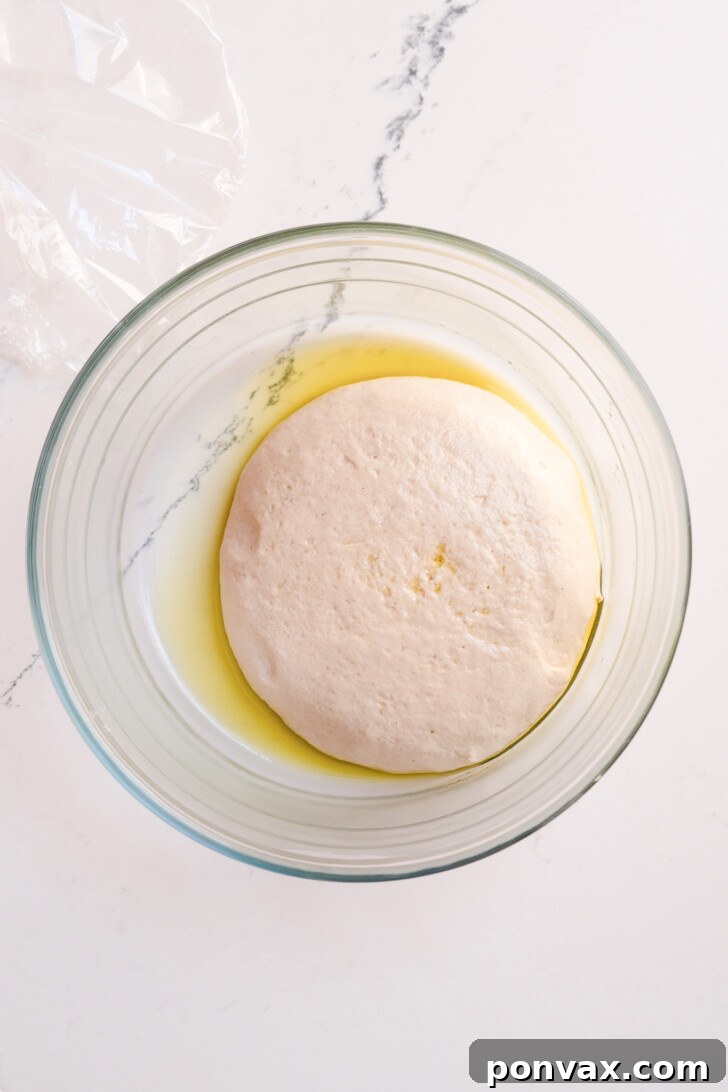
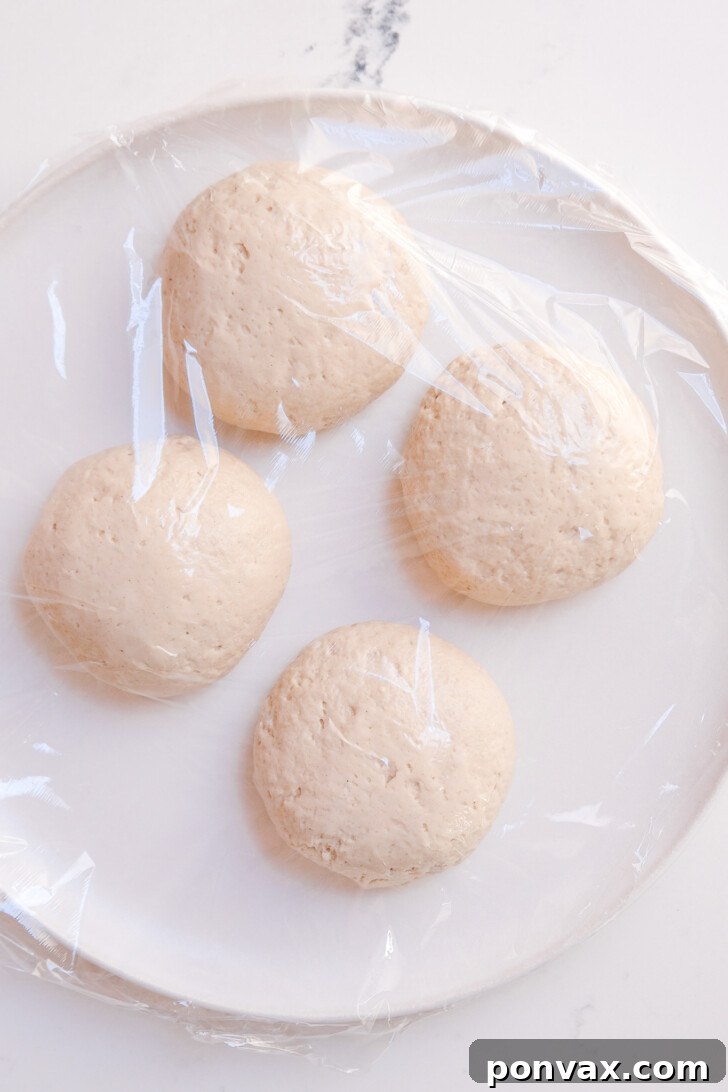
Step 3: Bulk Fermentation and Shaping. Lightly coat your prepared dough with a thin layer of olive oil, then place it back into a clean bowl. Cover the bowl securely with plastic wrap or a damp cloth to prevent the dough from drying out. Allow the dough to undergo its bulk fermentation, rising at room temperature for a minimum of two hours. During this period, the sourdough starter will work its magic, and you should observe the dough becoming noticeably puffier and developing a lighter, more airy texture. For an intensified sourdough flavor and improved hydration, an optional but highly recommended step is to perform a cold ferment. After the initial rise, transfer the covered dough to the refrigerator and let it ferment overnight, or for up to 18 hours. This slow, cool fermentation significantly enhances the dough’s character. Before proceeding to shaping, ensure the dough returns to room temperature for easier handling. Once ready, gently divide the dough into four equal pieces. Roll each piece into a smooth, compact ball, then cover them and let them rest for an additional 15-20 minutes. This brief rest allows the gluten-free flours to relax, making the dough easier to roll out.
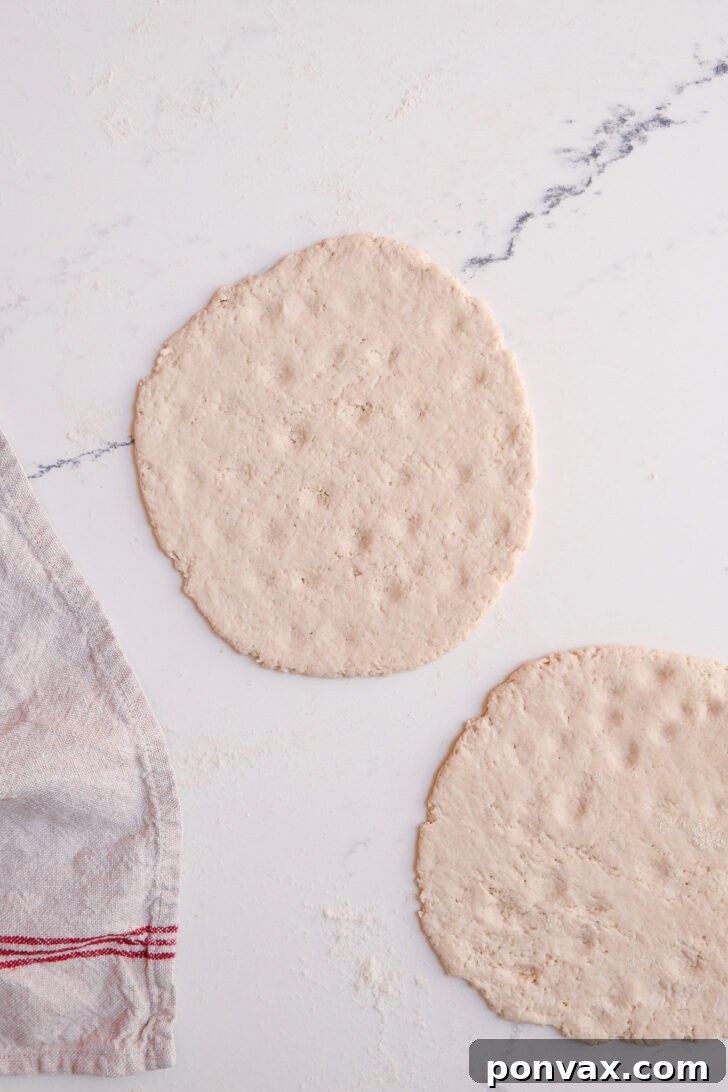
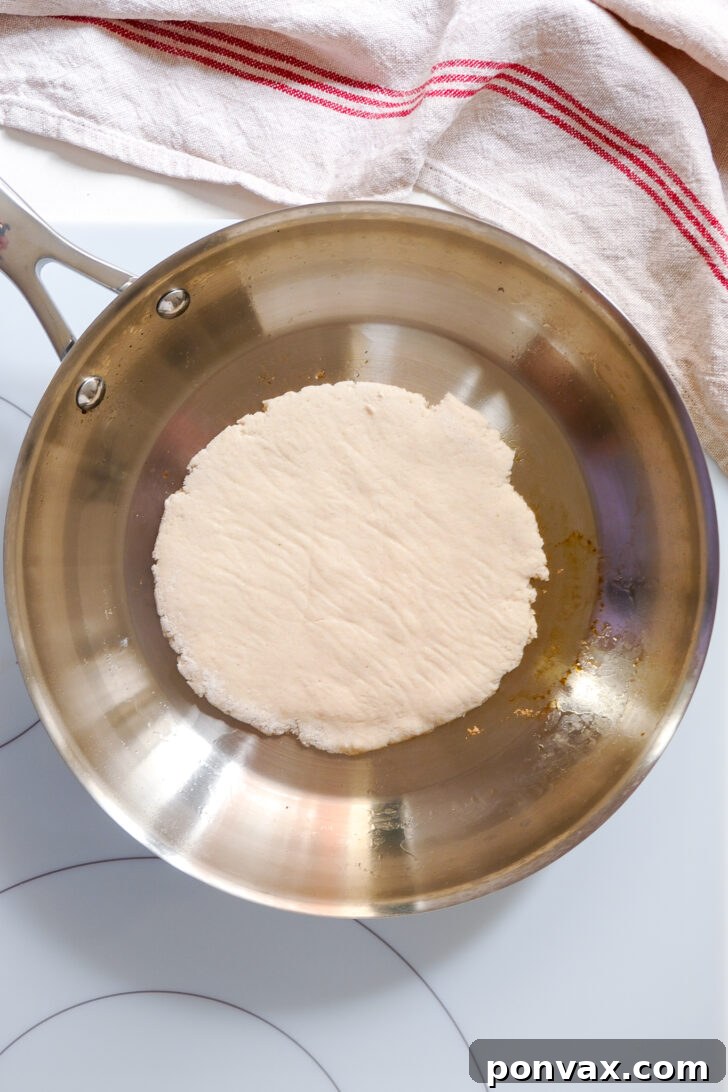
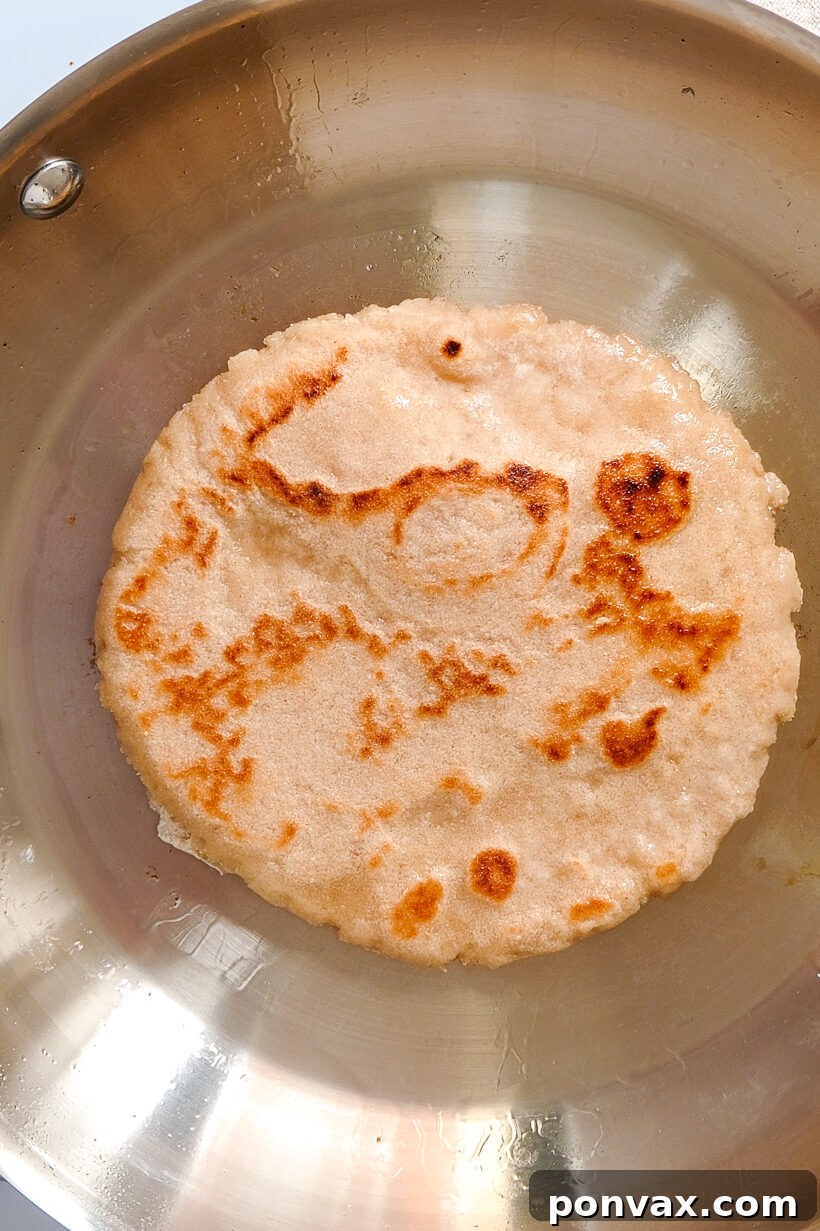
Step 4: Roll and Cook. On a lightly floured surface, take each dough ball and roll it out into a circle, aiming for a thickness of about 1/4 inch (0.5-0.7 cm). If you prefer smaller, individual flatbreads rather than four larger ones, simply divide the dough into more pieces before rolling. Once rolled, gently dimple the surface of each flatbread with your fingertips; this helps to create those characteristic bubbly pockets when cooked. Meanwhile, prepare your cooking surface. Heat a dry cast-iron skillet or a reliable non-stick pan over medium-high heat until it is thoroughly hot. A hot pan is crucial for achieving the desired texture and puff. Lightly oil the hot pan, then carefully place one rolled flatbread onto it. Immediately cover the pan with a lid to trap steam, which encourages the flatbread to puff up beautifully. Cook for 1-2 minutes, or until you see bubbles forming on the surface and the bottom has turned a lovely golden brown. Flip the flatbread and cook the second side for another 1-2 minutes. For an extra puff, you can flip it again briefly. Remove the cooked flatbread from the pan and place it on a paper towel-lined plate to absorb any excess oil, then transfer to a cooling rack to cool slightly while you repeat the process with the remaining dough. Serve warm and enjoy the fruits of your labor!
Preserving Freshness: How to Store Your Gluten-Free Sourdough Flatbread
Ensuring your homemade gluten-free sourdough flatbreads stay fresh and delicious for as long as possible is simple with the right storage techniques. Whether you plan to enjoy them within a few days or save them for future meals, these methods will help maintain their wonderful texture and flavor.
- Short-Term Storage: For immediate enjoyment or consumption within a day or two, store your cooked flatbreads in an airtight container at room temperature. This will keep them soft and prevent them from drying out. When you’re ready to serve, a quick reheat on a dry skillet over medium heat will restore their inherent softness and warmth, making them taste as good as freshly made. Alternatively, you can briefly warm them in a toaster oven.
- Long-Term Freezing: If you’ve made a larger batch or want to keep flatbreads on hand for extended periods, freezing is an excellent option. To prevent them from sticking together, place a piece of parchment paper between each cooked flatbread before stacking them. Then, transfer the stack into a freezer-safe airtight bag or container. Properly stored, these flatbreads will keep beautifully in the freezer for at least three months.
- Reheating from Frozen: When you’re ready to enjoy a frozen flatbread, there’s no need to thaw it beforehand. You can reheat it directly from the freezer on a moderately hot skillet. For best results, place the frozen flatbread on a dry pan, cover with a lid to trap steam, and cook for a few minutes on each side until it’s warmed through and pliable again. A sprinkle of water on the pan before covering can help create a steamy environment, ensuring the flatbread regains its soft texture. You can also reheat them in a preheated oven at a moderate temperature (around 350°F or 175°C) for about 5-7 minutes.
With these storage tips, you can always have a supply of your homemade gluten-free sourdough flatbreads ready to go. Enjoy them as a versatile base for your favorite toppings, a delicious side to hearty soups and vibrant salads, or simply savor them on their own with a drizzle of high-quality olive oil. Happy flatbread making and savoring!
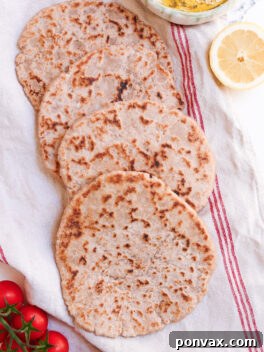
Gluten-Free Sourdough Flatbread
Pin Recipe
Ingredients
- 200 g warm water
- 10 g maple syrup or honey
- 8 g finely ground psyllium husk powder or 12g whole psyllium husks
- 10 g olive oil
- 80 g gluten-free sourdough starter, I like using active starter or fresh sourdough discard, don’t use discard that’s too old or it won’t have enough activity
- 70 g potato starch
- 30 g tapioca starch, you can use any combination of starches that you like, such as tapioca, potato, arrowroot, or cornstarch. The listed combination/amounts was our favorite that we tested.
- 110 g superfine brown rice flour
- 30 g millet flour, you can use any combination of whole grain flours you like, such as brown rice, white rice, oat, teff, buckwheat, sorghum, millet, etc. The listed combination/amounts were our favorite that we tested.
- 5 g fine sea salt
Instructions
-
Activate the psyllium gel. In a large bowl, whisk together the warm water, maple syrup, and finely ground psyllium husk. Let it sit for 2–3 minutes until it thickens into a gel. If using whole psyllium husk (shells) instead of powder, increase the amount to 12g.200 g warm water, 10 g maple syrup or honey, 8 g finely ground psyllium husk powder or 12g whole psyllium husks
-
Add the sourdough starter. Mix olive oil and the active GF starter into the psyllium gel until smooth and well combined.10 g olive oil, 80 g gluten-free sourdough starter
-
Mix dry ingredients. In another bowl, whisk together the potato starch, tapioca starch, brown rice flour, millet flour, and salt. Sift the ingredients together if they’re clumping at all.70 g potato starch, 30 g tapioca starch, 110 g superfine brown rice flour, 30 g millet flour, 5 g fine sea salt
-
Form the dough. Add the dry mixture to the wet and mix well until a soft, pliable dough forms. Knead until it’s smooth and uniform. It should be soft but not sticky.
-
Bulk fermentation. Cover the dough and let it rise at room temperature for 2 hours until it is slightly puffy and airy.
-
Cold ferment (optional, but recommended). After the initial rise, cover the dough in plastic wrap or something similar and refrigerate the dough overnight (up to 18 hours). This step improves flavor, hydration, and overall dough texture. Let the dough come back to room temperature before shaping.
-
Shape the pitas. Divide the dough into 4 equal balls. Cover and let rest for 15–20 minutes. Then, roll each ball into a circle about 1/4 inch (0.5–0.7 cm) thick. If you’d prefer more, smaller flatbreads instead of 4 large ones, divide the dough into small pieces.
-
Preheat your pan. Heat a dry cast-iron or nonstick skillet over medium-high heat until thoroughly hot.
-
Cook the flatbread. Lightly oil the pan. Place a flatbread on the hot pan and cover it with a lid to trap steam. Cook for 1–2 minutes until bubbles appear and the bottom is golden. Flip and cook the second side for another 1–2 minutes. Optional: Flip again briefly to help it puff more. Remove from the pan and let cool on a paper towel-lined plate while you finish cooking the rest of the flatbreads.
-
Prefer the oven? You can also bake the pitas in a preheated oven at 450°F (230°C) for about 5 to 7 minutes, until puffed and lightly golden.
-
Store your flatbreads. Keep pitas in the fridge for 1-2 days, wrapped with a plastic film, or freeze in an airtight container/bag. Reheat them in the oven or on a pan with a sprinkle of water to refresh.
Notes
- Sift dry ingredients to enhance elasticity.
- Fine sea salt improves dough texture.
- Cook on a very hot pan to achieve the best puff and texture.
- Use minimal oil in the pan—too much oil makes the pita gummy.
- Drizzle a little water on the pita while cooking to encourage puffing, and cover the pan with a lid. Gluten-free sourdough dough loves humidity.
- Once cooked, drain excess oil by placing the pita on paper towels, then cool each separately on a cooling rack