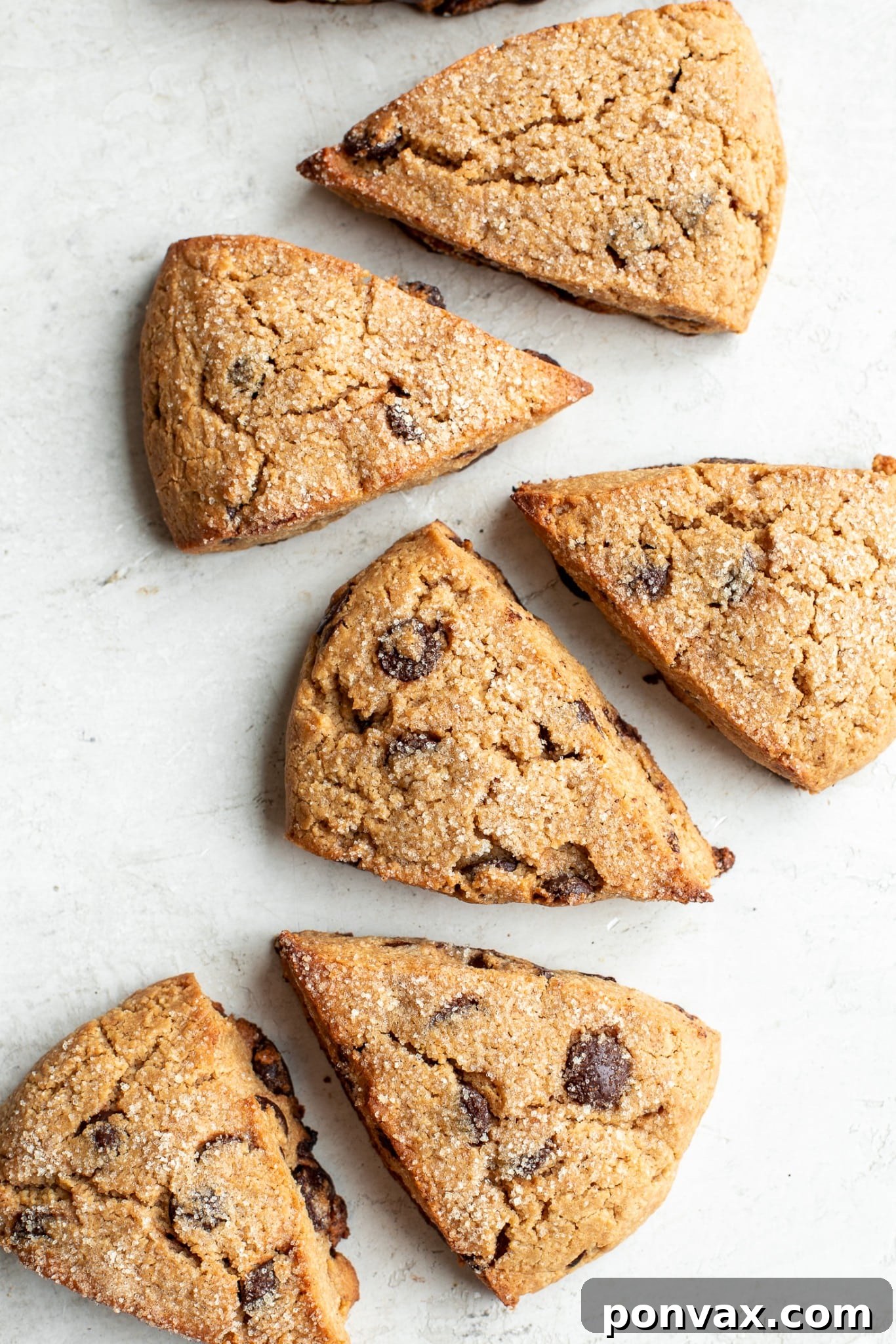
Irresistible Chocolate Chip Gluten-Free Sourdough Discard Scones: Your New Favorite Dairy-Free & Vegan Treat
Transforming your gluten-free sourdough discard into something truly special just got easier and more delicious. These sweet Chocolate Chip Gluten-Free Sourdough Discard Scones are not only the perfect way to utilize your discard, but they’re also entirely dairy-free and vegan, making them an ideal choice for a delightful gluten-free breakfast, a satisfying snack, or a sweet treat any time of day. Prepare to fall in love with their tender crumb and rich chocolatey flavor!
If your palate leans towards the savory, don’t miss our equally fantastic recipe for Savory Gluten-Free Sourdough Scones!
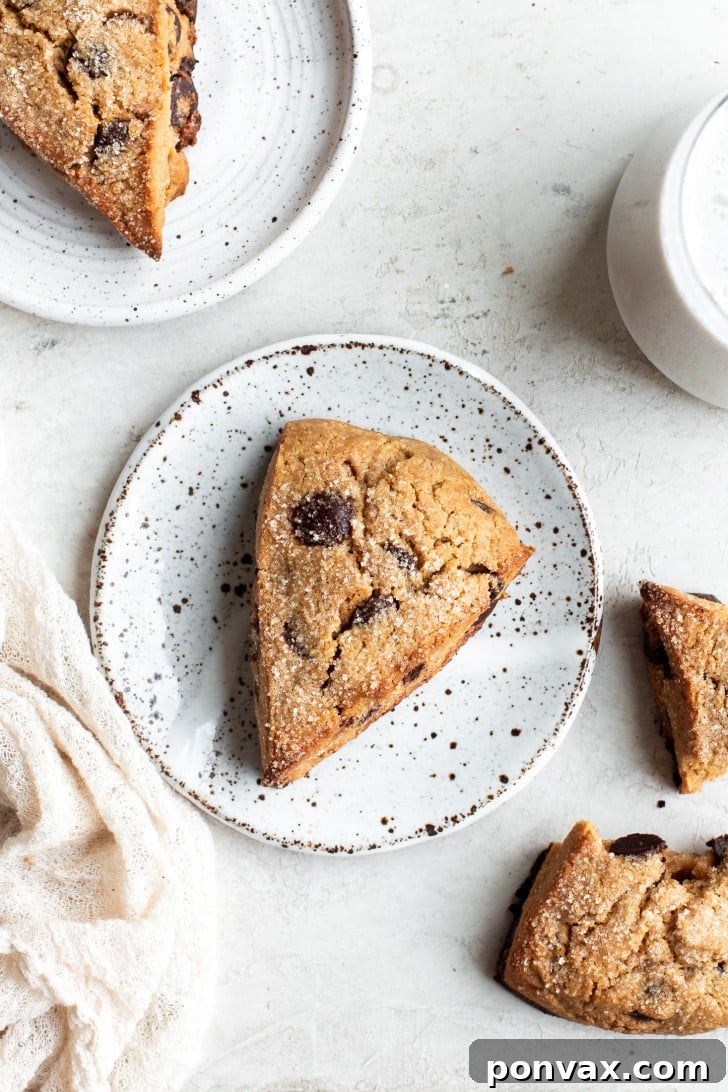
Unlocking the Potential of Gluten-Free Sourdough Discard
Hello to all our sourdough enthusiasts, both seasoned and new! It brings us immense joy to share yet another incredible gluten-free sourdough recipe with you. For anyone who has embarked on the rewarding journey of making gluten-free sourdough bread or has carefully nurtured their own gluten-free sourdough starter, the concept of sourdough discard is a familiar one. It’s an integral part of the sourdough process, but it doesn’t have to be a cast-off ingredient.
What is Sourdough Discard and Why Should You Use It?
Sourdough discard is simply the portion of your sourdough starter that you remove before each feeding. This practice is essential for maintaining your starter’s health, ensuring it doesn’t grow to an unmanageable size, and keeping its ecosystem balanced. While it’s termed “discard” because it’s removed, we firmly believe it should never actually be thrown away! This unfed starter, brimming with latent flavor and beneficial microbes, is a powerhouse ingredient waiting to be transformed into culinary masterpieces.
Baking with sourdough discard offers remarkable advantages:
- Rich Flavor Complexity: The mild tanginess of sourdough discard infuses baked goods with a unique depth and subtle sour notes, elevating the overall taste beyond what conventional recipes achieve. It adds a sophisticated background flavor that beautifully complements both sweet and savory ingredients.
- Enhanced Texture: The acidity in the discard reacts with baking soda and baking powder in recipes, contributing to a lighter, more tender, and often fluffier texture. This is especially beneficial in gluten-free baking, where achieving a desirable crumb can sometimes be a challenge.
- Increased Moisture: Sourdough discard adds vital moisture to doughs and batters, helping to prevent baked goods from drying out too quickly and keeping them fresh for longer. This is particularly valuable for scones, which can sometimes be prone to dryness.
- Waste Reduction: It’s an incredibly sustainable and satisfying way to use a byproduct of your sourdough starter maintenance, minimizing food waste and maximizing the value of your efforts.
- Gentler Digestion: While not a leavening agent in discard recipes, the initial fermentation process involved in creating the starter can predigest some of the starches in the flour, potentially making the final product easier to digest for some individuals.
There are countless delicious ways to use this culinary treasure. Our collection of sourdough discard recipes continues to grow, with some standout favorites including:
- Gluten-Free Sourdough Discard Crackers: A wonderfully crispy and addictive snack perfect for any occasion.
- The Best Gluten-Free Sourdough Pizza Crust: Achieve that authentic pizzeria taste and texture right in your own kitchen.
- Gluten-Free Sourdough Focaccia: A light, airy, and intensely flavorful bread that’s perfect for dipping or sandwiches.
- Cinnamon Sugar Gluten-Free Sourdough Crackers: A sweet and crunchy treat that’s hard to resist.
- Gluten-Free Sourdough Chocolate Chip Cookies: The classic cookie elevated with a subtle sourdough tang.
And the newest, eagerly anticipated addition to this incredible lineup is undoubtedly these divine Chocolate Chip Gluten-Free Sourdough Discard Scones! They embody everything we love about baking with discard: ease, exceptional flavor, and a wholesome, homemade feel.
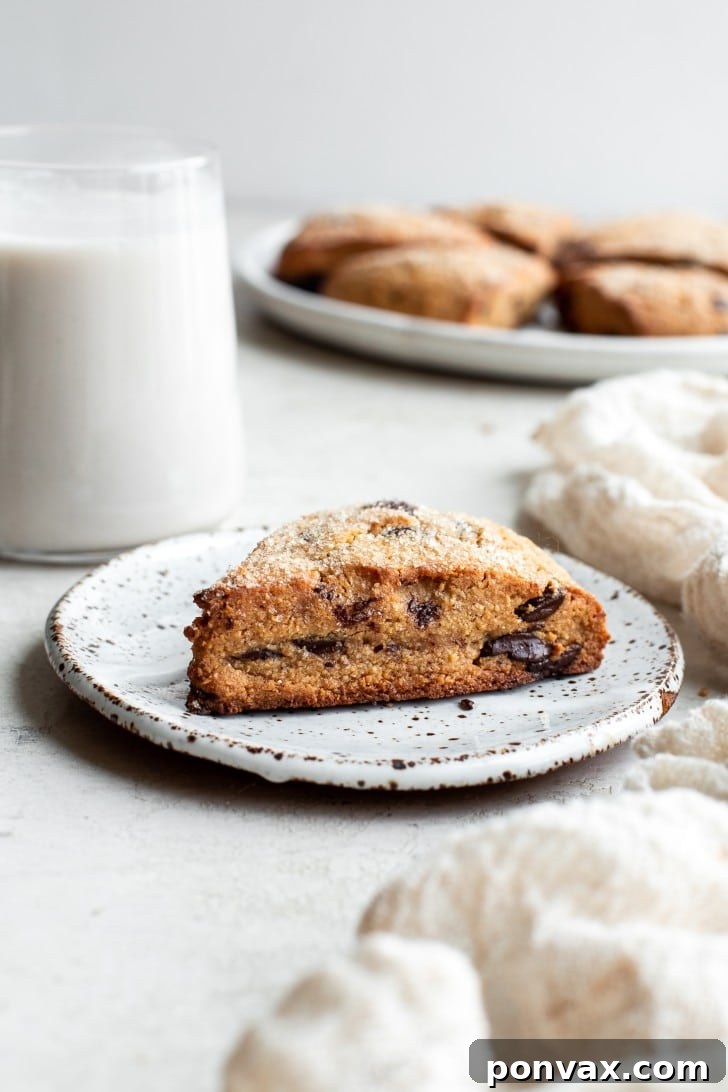
How to Create Fluffy & Flavorful Gluten-Free Sourdough Discard Scones
Making these gluten-free sourdough discard scones is a straightforward and incredibly rewarding process. With careful attention to ingredient quality and a few simple techniques, you’ll achieve perfectly tender and flaky scones every time. Let’s break down the ingredients and the baking steps to ensure your success.
Key Ingredients for Scone Success
The right combination of ingredients is vital for achieving the ideal gluten-free scone texture and flavor:
- Blanched Almond Flour: This forms the base of our gluten-free scone structure. Its fine texture and mild, nutty flavor contribute to a tender crumb and a rich taste, without the heaviness sometimes associated with other gluten-free flours.
- Arrowroot or Tapioca Flour: These starchy flours are indispensable in gluten-free baking. They lend a crucial lightness, airiness, and a delicate crispness to the scones, preventing them from becoming dense or gummy. Either option works beautifully.
- Coconut Sugar: Our preferred granulated sweetener, coconut sugar offers a delightful caramel-like note that enhances the chocolate flavor. Its natural sweetness is less intense than white sugar, providing a balanced profile. Remember to stick to granulated sweeteners; liquid sweeteners like maple syrup or honey will significantly alter the dough’s moisture content and final texture.
- Baking Powder & Sea Salt: Baking powder is the primary leavening agent, creating the necessary lift and fluffy texture. It works synergistically with the slight acidity of the sourdough discard. Sea salt is essential for balancing the sweetness, intensifying the flavors, and preventing the scones from tasting bland.
- Cinnamon (Optional but Recommended): A touch of cinnamon adds a warm, comforting aroma and a subtle spicy note that pairs wonderfully with chocolate. Feel free to experiment with other spices like a pinch of nutmeg, cardamom, or even a mixed spice blend if you’re feeling adventurous, or omit it for a purer flavor focus.
- Refined Coconut Oil or Butter: For a truly tender scone, a cold, solid fat is paramount. Refined coconut oil is an excellent vegan and dairy-free choice, offering a neutral flavor profile. If dairy isn’t an issue, unsalted butter, kept very cold, will also work perfectly. The key is to ensure it’s firm, as this creates pockets of steam during baking, leading to flaky layers.
- Gluten-Free Sourdough Discard: The star of the show! Use unfed discard that is at least a week old and has developed a pleasant, slightly tangy aroma. It should be 100% hydration (equal parts flour and water by weight). Refer to the Notes in the recipe card for more specific guidance on working with discard. Its unique properties will add depth and moisture to your scones.
- Milk of Choice: We’ve found that oat milk provides a creamy consistency and neutral flavor that beautifully complements the other ingredients, keeping the scones dairy-free and vegan. However, feel free to use any plant-based milk or traditional dairy milk that suits your dietary preferences.
- Mix-Ins: While chocolate chips are a beloved classic for their melty goodness, this recipe is highly adaptable. Below, we’ll delve into a variety of other delicious mix-in options to spark your creativity!
Step-by-Step Baking Instructions for Golden Scones
Follow these detailed steps to bake your perfect batch of gluten-free sourdough discard scones:
- Prepare Dry Ingredients: In a large mixing bowl, combine the blanched almond flour, arrowroot (or tapioca) flour, coconut sugar, baking powder, sea salt, and cinnamon. Whisk these ingredients together thoroughly until they are uniformly mixed. This ensures that the leavening agents are evenly distributed, contributing to an even rise.
- Incorporate the Cold Fat: Take your very cold refined coconut oil or butter, cut into small, ½-inch pieces. Add these pieces to the dry ingredients. Using a pastry blender, two forks, or even your fingertips (working very quickly to prevent warming the fat), cut the fat into the flour mixture until it resembles coarse crumbs with visible pea-sized bits of fat. It’s crucial not to fully incorporate the fat at this stage; these small pieces will create steam and flakiness during baking.
- Combine Wet Ingredients and Mix-Ins: In a separate smaller bowl, gently whisk together your gluten-free sourdough discard and the milk of your choice. Gradually add this liquid mixture to the dry ingredients. Mix delicately with a spoon or your hands until the dough just comes together. Overmixing can lead to a tough scone, so stop as soon as it forms a cohesive mass. Gently fold in the chocolate chips or your preferred mix-ins, distributing them evenly throughout the dough without crushing them.
- Shape and Chill the Dough: Line a baking sheet with parchment paper and lightly dust it with a small amount of arrowroot flour to prevent sticking. Transfer the scone dough onto the prepared parchment. Dust your hands lightly with more arrowroot flour and press the dough evenly into an 8-inch round circle, about 1 inch thick. This chilling step is absolutely crucial for the best scone texture. Cover the dough loosely with plastic wrap and refrigerate for at least 1 hour, or up to 24 hours. Chilling allows the flours to fully hydrate and ensures the fat stays cold, contributing to a flaky, tender scone.
- Prepare for Baking: Once the dough is thoroughly chilled, preheat your oven to 375°F (190°C). Using a sharp knife or a pastry cutter, cut the chilled dough circle into 8 equal wedges. Carefully separate the wedges on the baking sheet, ensuring there’s a small space between them to allow for even baking and browning. For a beautiful golden finish and a delightful crunch, brush the tops of each scone lightly with a touch of milk (dairy-free if preferred) and sprinkle generously with coarse sugar, such as turbinado sugar.
- Bake to Golden Perfection: Place the baking sheet with the scones into the preheated oven. Bake for approximately 20 to 25 minutes, or until the scones are beautifully golden brown on top and feel firm to the touch. The enticing aroma will fill your kitchen, signaling their readiness.
- Serve and Savor: Remove the scones from the oven and let them cool for a few minutes on the baking sheet before transferring them to a wire rack. These scones are truly best enjoyed warm, when the chocolate chips are perfectly melted and gooey.
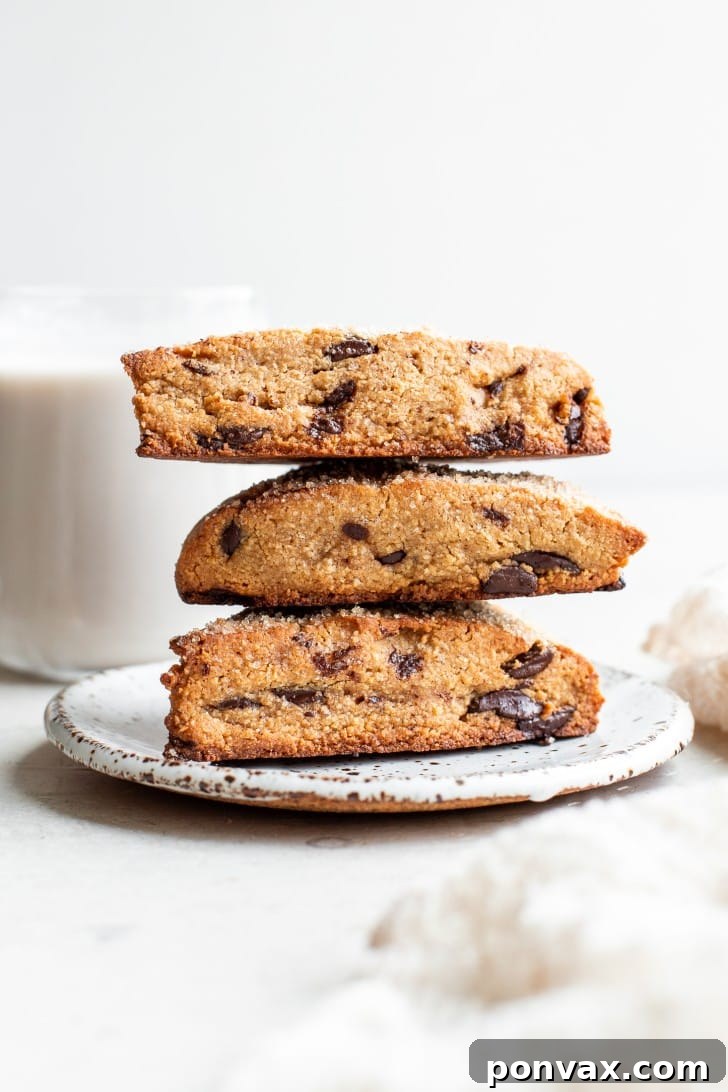
Beyond Chocolate: Creative Mix-In Ideas for Your Sourdough Discard Scones
While chocolate chips hold a special place in our hearts (and bellies!), the beauty of these gluten-free sourdough discard scones lies in their incredible versatility. Don’t feel limited to just chocolate; these scones are a blank canvas for a myriad of delicious additions! The key is to keep the total amount of mix-ins around ½ cup to ensure the scones hold their shape and bake properly. Here are some fantastic ideas to inspire your next batch:
- Nuts for Texture and Flavor:
- Pecans: Chopped pecans add a buttery, rich crunch. Toasting them lightly before adding will deepen their flavor even further.
- Walnuts, Almonds, or Pistachios: Any of your favorite chopped nuts will introduce a pleasant textural contrast and unique nutty notes.
- Fruity Additions:
- Blueberries: Fresh or frozen blueberries are wonderful for creating luscious sourdough blueberry scones. A touch of lemon zest added to the dough pairs exquisitely with the blueberries.
- Dried Fruit: Incorporate chewy dried cranberries, golden raisins, chopped apricots, or even finely diced candied ginger for concentrated bursts of sweetness and a delightful chew.
- Aromatic Extracts: A small amount of extract can entirely transform the flavor profile. Consider pure vanilla, invigorating mint, zesty orange, bright lemon, or delicate almond extract.
- Citrus Zest: Finely grated zest from lemons, oranges, or limes adds a vibrant, fresh aroma and a subtle tangy lift that complements the sourdough perfectly.
- Spice Variations: Beyond cinnamon, explore a pinch of ground cardamom, nutmeg, or a fragrant apple pie spice blend to give your scones a unique character.
- Other Chocolatey Delights: Don’t just stop at semi-sweet chocolate chips! Try white chocolate chips, dark chocolate chunks, or a combination of different chocolate types for varying levels of sweetness and intensity.
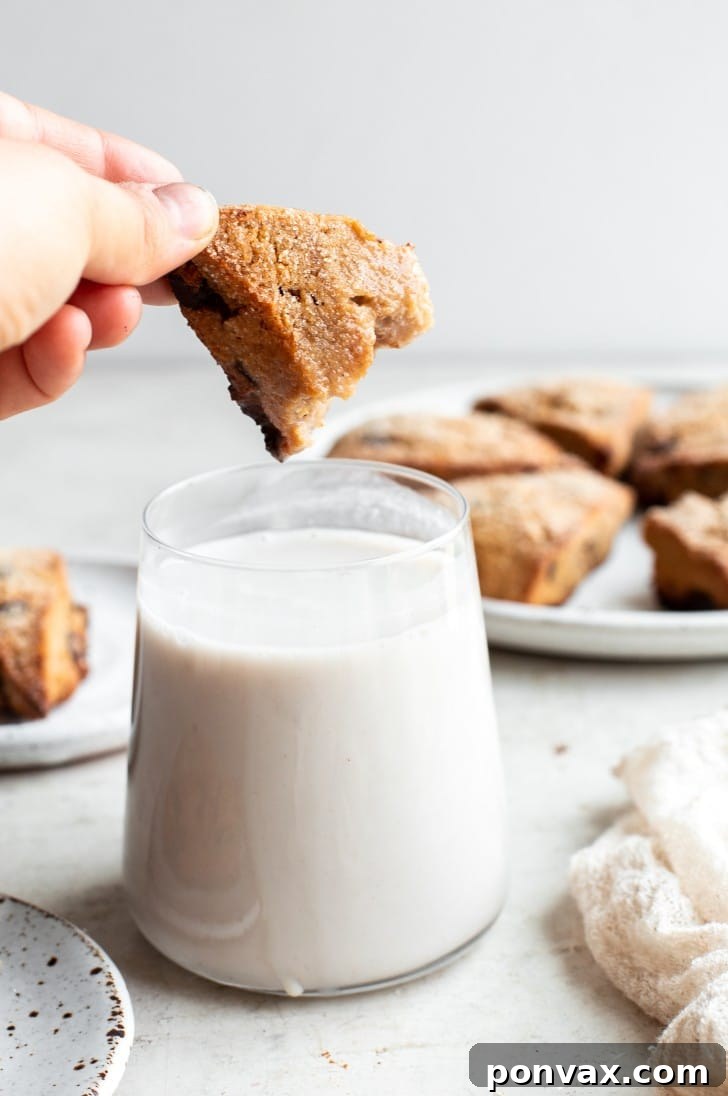
Expert Tips for Baking the Best Gluten-Free Sourdough Scones
Baking truly exceptional gluten-free scones, especially with the added complexity and flavor of sourdough discard, can be incredibly satisfying. Here are our top tips to ensure your scones are perfectly tender, flaky, and consistently delicious:
- Keep Ingredients Cold: This is perhaps the most critical rule for achieving flaky scones. Ensure your coconut oil or butter, sourdough discard, and milk are all very cold. Cold fat creates pockets in the dough that steam in the oven, leading to those desirable flaky layers. If your kitchen is warm or the fat softens, pop the dough into the refrigerator for a few minutes before proceeding.
- Don’t Overwork the Dough: Handle the dough as little as possible. Overmixing can develop any inherent gluten-like proteins in gluten-free flours and lead to tough, dry scones. Mix until the ingredients are just combined and the dough barely forms a cohesive mass. A light touch is essential for tenderness.
- Utilize a Pastry Blender: A pastry blender is your best friend for cutting cold fat into flour. It helps break down the fat into pea-sized pieces quickly and efficiently without warming it with your hands. If you don’t have one, two forks or even your fingertips (working very swiftly) can be used.
- Chilling is Non-Negotiable: The hour-long chill time for the shaped dough is crucial. It allows the gluten-free flours to fully hydrate, which prevents the scones from being crumbly. It also keeps the fat cold and firm, contributing to a better rise and flakiness, and helps the scones maintain their shape during baking.
- Brush and Sprinkle for a Perfect Top: A simple brush of milk (dairy-free, if preferred) and a sprinkle of coarse sugar (like turbinado or sparkling sugar) before baking creates a beautifully golden, slightly crisp, and deliciously sweet crust.
- Measure by Weight for Accuracy: For the most consistent and accurate results in gluten-free baking, always use a kitchen scale to measure your dry ingredients, especially flours. Volume measurements (cups) can vary significantly, impacting the dough’s consistency.
- Adjust Liquid Based on Discard Consistency: Sourdough discard can vary in hydration and consistency. If your discard appears particularly liquidy, start by adding only half of the recommended milk amount. Then, gradually add more, a spoonful at a time, until your dough comes together. You’re looking for a dough that is cohesive and slightly sticky but still manageable, not wet and loose.
- Avoid Overloading Mix-Ins: While mix-ins are delightful, adding too many can make the dough difficult to hold together, potentially resulting in crumbling scones. Stick to the recommended ½ cup amount for the best structural integrity.
- Preheat Oven Fully: Ensure your oven is fully preheated to the specified temperature before placing the scones inside. A hot oven helps the scones rise quickly and evenly, contributing to a light and airy interior.
- Parchment Paper is Your Friend: Always line your baking sheet with parchment paper. This prevents sticking, ensures easy removal, and simplifies cleanup.
Maximizing Freshness: Storage and Freezing Tips for Your Sourdough Scones
Planning ahead or managing delicious leftovers is effortless with these smart storage and freezing tips. You can extend the life of your gluten-free sourdough discard scones, ensuring you always have a delightful treat ready to enjoy.
Freezing Scones Before Baking (Make-Ahead Method)
This method is fantastic for having fresh, warm scones on demand without all the immediate prep. After you’ve made the chocolate chip scone dough and pressed it into an 8-inch round, you have a couple of convenient options for freezing:
- Freeze the Entire Dough Disc: For ultimate convenience, wrap the unbaked dough disc tightly in plastic wrap, and then an additional layer of aluminum foil. Label and freeze for up to 6 months. When you’re ready to bake, remove from the freezer, let it thaw slightly at room temperature for about 15-20 minutes (just enough to make it easier to cut), then cut into wedges, garnish, and bake as per recipe instructions, adding an extra 5-10 minutes to the baking time.
- Freeze Individual Scone Wedges: Once you’ve cut the dough into 8 wedges and, if desired, brushed them with milk and sprinkled with sugar, arrange them on a baking sheet. Freeze them until they are completely firm (this usually takes 1-2 hours). Once solid, transfer the frozen scones into a freezer-safe ziplock bag or an airtight container. They will keep beautifully in the freezer for up to 6 months. To bake, simply place them directly from the freezer onto a parchment-lined baking sheet and follow the baking instructions, adding approximately 3 to 5 minutes to the total baking time, or until they are golden brown and cooked through.
Freezing Scones After Baking (for Later Reheating)
This method is perfect if you’ve already baked a batch and want to save some for quick enjoyment later. After baking, allow the scones to cool completely. If you plan to glaze them, do so after reheating for the best results. Place the cooled scones on a baking sheet and freeze until firm. Once solid, transfer them to a freezer-safe ziplock bag or airtight container. Baked scones can be frozen for up to 6 months. To reheat, simply place them in a preheated oven at 300°F (150°C) for about 10 to 15 minutes, or until they are thoroughly thawed and warmed through. This helps to revive their texture and aroma.
Storing Baked Scones (Short-Term)
For baked scones you intend to enjoy within a couple of days, store them in an airtight container at room temperature. They will retain their freshness and deliciousness for up to 2 days. If you need to keep them fresh for a bit longer, transfer them to the refrigerator, where they can last for up to a week. For the best eating experience, a quick warm-up in the oven or toaster oven will bring back their inviting aroma and tender texture, making them taste almost freshly baked.
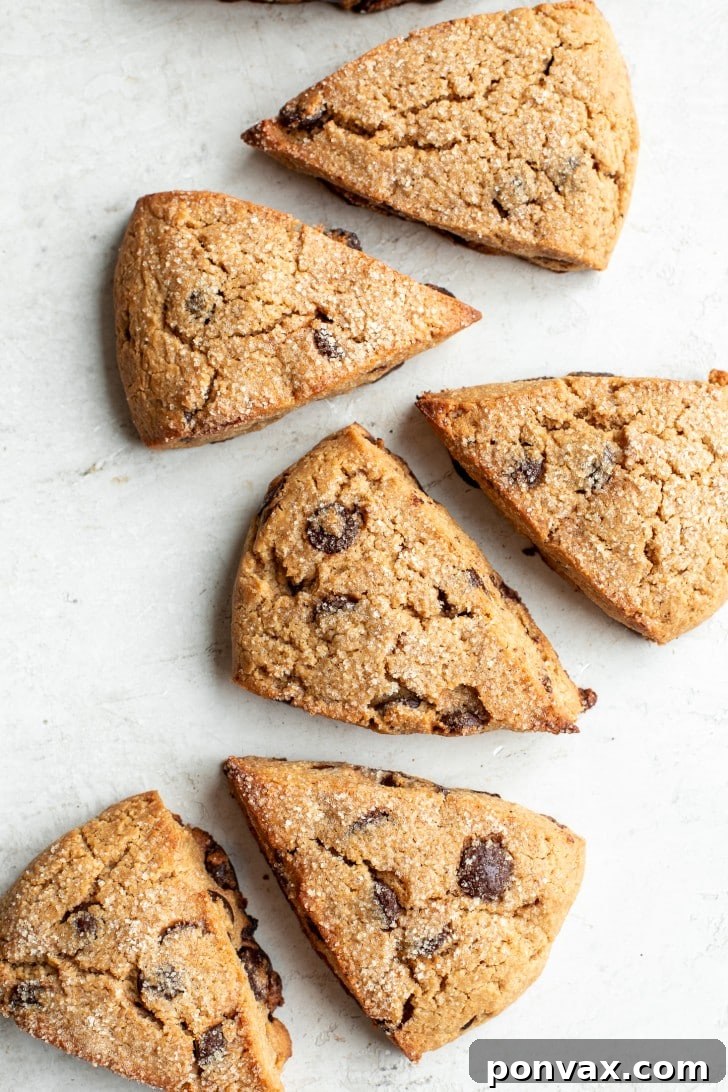
Discover More Fabulous Gluten-Free Scone Recipes
If you’ve thoroughly enjoyed baking and devouring these chocolate chip sourdough discard scones, you’re in for a treat! Our extensive collection of gluten-free scone recipes offers a diverse range of flavors and styles, ensuring there’s always something new and exciting to try. Expand your baking repertoire and find your next go-to recipe:
- Savory Gluten-Free Sourdough Scones: A wonderful option for those who prefer less sweetness, perfect with a meal or as a unique brunch item.
- Gluten-Free Chocolate Chip Scones (Vegan & Paleo): Another fantastic take on the beloved chocolate chip scone, designed to meet even more specific dietary needs.
- Easy Gluten-Free Cinnamon Sugar Scones: Simple, comforting, and always a crowd-pleaser with its warm spice and sweet topping.
- Gluten-Free Lemon Blueberry Scones: A bright, zesty, and fruity combination that’s particularly refreshing for spring and summer.
- Vegan Gluten-Free Pumpkin Scones: Embrace the cozy flavors of autumn with these perfectly spiced and tender pumpkin scones.
- 15+ Gluten-Free Scone Recipes: Dive into our comprehensive guide for an abundance of ideas and endless inspiration to satisfy every scone craving!
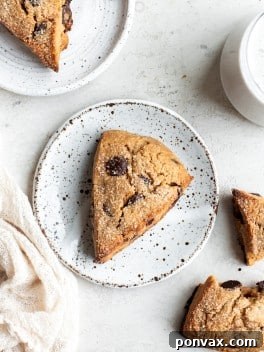
Chocolate Chip Gluten-Free Sourdough Discard Scones
These sweet Chocolate Chip Gluten-Free Sourdough Discard Scones are the perfect use for your gluten-free sourdough discard! They’re dairy-free and vegan, and make for a delicious gluten-free breakfast or snack.
Pin Recipe
Ingredients
- 1¾ cup (174g) blanched almond flour
- ⅔ cup (85g) tapioca flour or arrowroot flour
- ⅓ cup coconut sugar
- 1¼ teaspoons baking powder
- ½ teaspoon sea salt
- ½ teaspoon cinnamon, optional
- ⅓ cup (66g) refined coconut oil, or butter of choice (vegan if needed), firm
- ½ cup (125g) gluten-free sourdough discard, see Notes below
- ¼ cup milk of choice, I used oat milk
- ½ cup chocolate chips, optional, you can substitute with your favorite sweet mix-in!
Instructions
- In a large mixing bowl, combine the blanched almond flour, arrowroot flour, coconut sugar, baking powder, salt, and cinnamon. Whisk together thoroughly to ensure even distribution.
- Add in the very cold coconut oil or butter, cut into small pieces. Use a pastry blender or two forks to work the fat into the dry ingredients until it resembles coarse meal with pea-sized bits of fat. Do not overmix; the fat should not be fully incorporated.
- In a separate small bowl, whisk together the dairy-free milk and gluten-free sourdough discard. Add this liquid mixture to the dry ingredients and stir gently until just combined and the dough comes together. Be careful not to overmix. Gently fold in the chocolate chips or other chosen mix-ins.
- Prepare a baking sheet by lining it with parchment paper and lightly dusting it with arrowroot flour. Transfer the scone dough onto the parchment paper. Dust the top of the dough with a little more arrowroot flour and press it evenly into an 8-inch round circle, about 1-inch thick. Cover loosely with plastic wrap and refrigerate for at least 1 hour, or up to 24 hours. Chilling is essential for firm dough and flaky scones.
- When ready to bake, preheat your oven to 375°F (190°C). Using a sharp knife or pastry cutter, cut the chilled dough circle into 8 equal wedges. Carefully separate the wedges on the prepared baking sheet so they are not touching, allowing for proper air circulation during baking. If desired, brush the tops of the scones with a small amount of dairy-free milk and sprinkle with coarse sugar for a golden, crunchy topping.
- Bake for approximately 20 to 25 minutes, or until the scones are beautifully golden brown on top and cooked through. They should feel firm to the touch.
- Remove from the oven and let cool slightly on the baking sheet before transferring to a wire rack. Serve warm for the best experience.
Notes
Regarding the Gluten-Free Sourdough Discard: This recipe specifically utilizes a sourdough starter as an active ingredient, not just for flavor. If you are not actively maintaining a gluten-free sourdough starter, this recipe might not be suitable for you.
- It’s important to use discard from a starter that is well-established, ideally at least a week old, and has a pleasant, slightly tangy aroma. Do not use discard from a super new or struggling starter, as it may not contribute the desired flavor or texture.
- The starter does not need to be active (bubbly and recently fed) for discard recipes; unfed discard works perfectly. It should be maintained at roughly 100% hydration (equal parts flour and water by weight).
- The consistency of your discard can vary. If your discard appears very liquidy, be cautious when adding the milk to the recipe. Start with less than the recommended amount of milk and add more gradually, only as needed, to achieve a cohesive dough. The dough should be slightly sticky but manageable, not overly wet.
To freeze scones before baking: After preparing the dough and shaping it into an 8-inch round, you can either freeze the entire dough disc (wrapped tightly) or cut the scones into wedges, garnish them, and then freeze individually on a baking sheet until firm. Once firm, transfer them to a freezer-safe ziplock bag or airtight container. They can be stored for up to 6 months. To bake from frozen, simply add about 3 to 5 minutes to the specified baking time.
To freeze scones after baking: Allow the baked scones to cool completely. For best results, freeze them before glazing (if you plan to glaze). Place the cooled scones on a baking sheet and freeze until solid. Then, transfer to a freezer-safe bag or airtight container for up to 6 months. To reheat, warm them in a 300°F (150°C) oven for about 10 to 15 minutes, or until warmed through and thawed.
Storing baked scones: Keep baked scones in an airtight container at room temperature for up to 2 days. For longer storage, refrigerate them for up to a week. Reheat briefly in the oven for optimal enjoyment.
Did you make this recipe?
Please consider leaving a star rating and review!