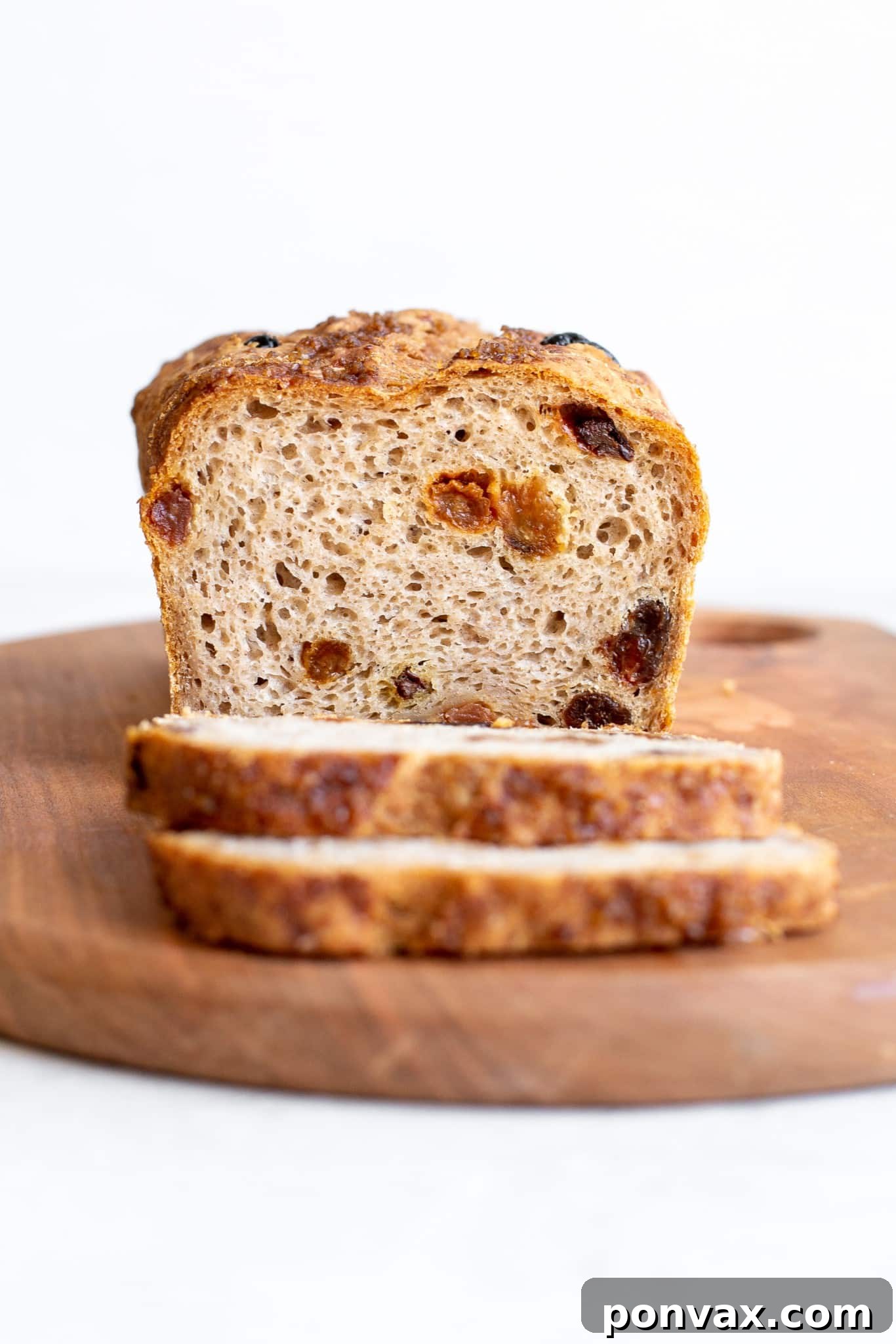
Welcome to the ultimate guide for baking the most delicious Gluten-Free Cinnamon Raisin Bread you’ll ever encounter. This recipe promises a loaf that is exceptionally soft, wonderfully fluffy, and bursts with the comforting flavors of cinnamon and plump raisins in every bite. Whether you’re seeking the perfect slice for your morning toast, a foundation for exquisite French toast, or a base for a decadent bread pudding, this versatile loaf delivers. Beyond its incredible taste and texture, this recipe is thoughtfully crafted to be entirely vegan and free from the top 8 common allergens, making it a truly inclusive treat for everyone.
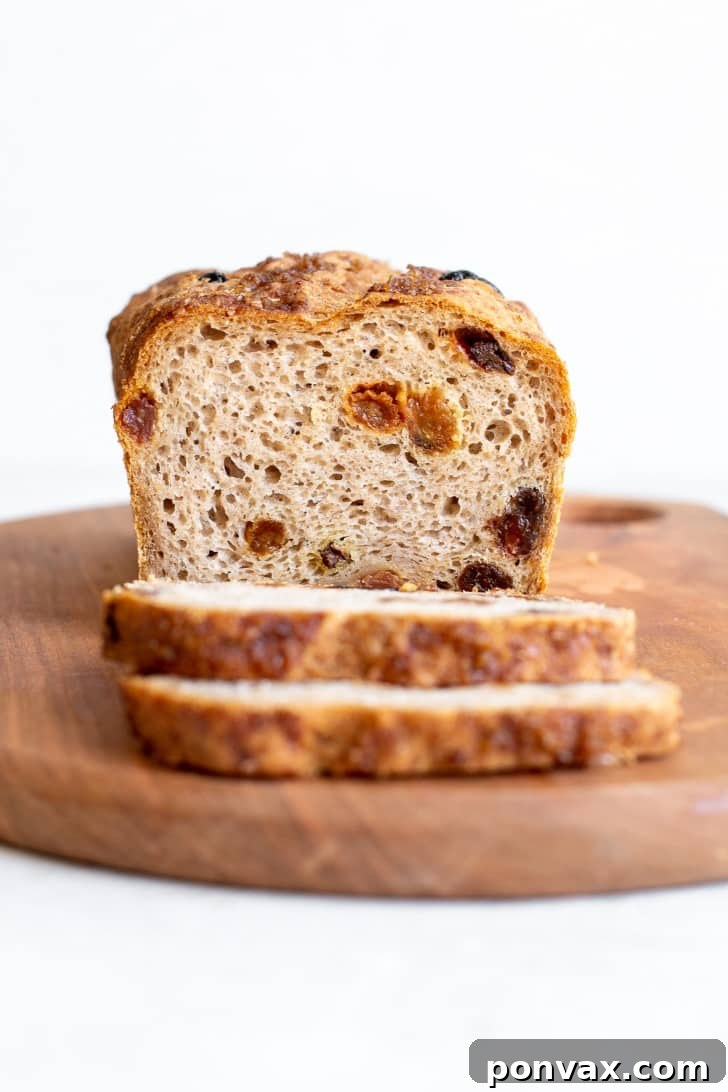
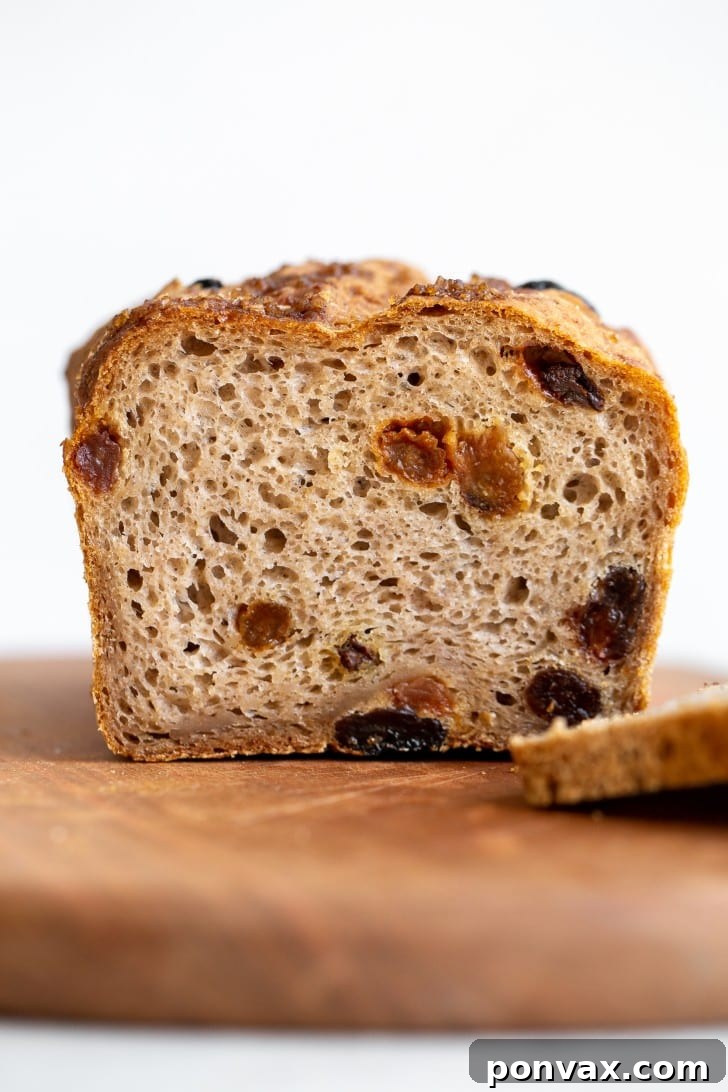
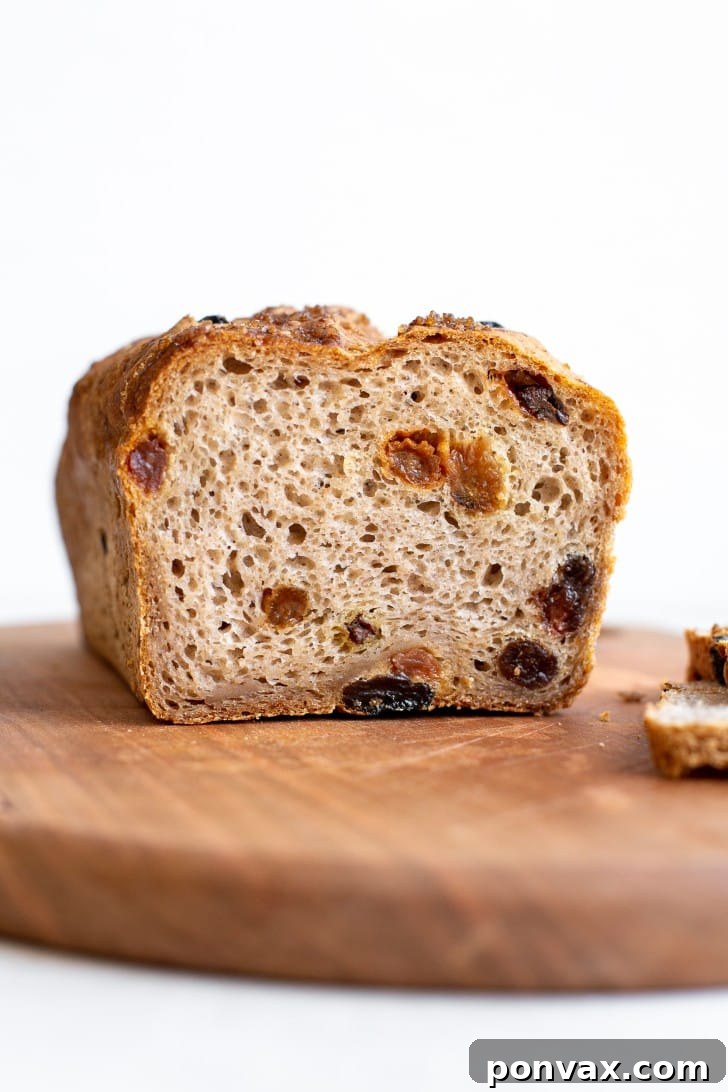
Prepare to fall in love with homemade gluten-free bread all over again. This isn’t just any cinnamon raisin bread; it’s a revelation. Imagine a light, airy loaf that’s surprisingly easy to bake, perfectly sweetened without being overpowering, and infused with the aromatic warmth of cinnamon. Topped with a delicate cinnamon sugar crust, and with juicy raisins distributed throughout, this bread quickly becomes a cherished staple. Its irresistible charm lies in its ability to mimic traditional wheat bread’s beloved characteristics while adhering to strict dietary needs.
This exceptional cinnamon raisin bread recipe builds upon the success of our incredibly popular foundational gluten-free bread recipe. That base recipe is renowned for producing a light and fluffy loaf that consistently delights everyone who tries it, regardless of their dietary preferences. For those who enjoy a bit of tang, adapting this recipe into a sourdough version is also a fantastic option, offering another dimension of flavor and texture to explore.
If you’re eager to expand your gluten-free baking repertoire, be sure to explore our extensive collection of gluten-free bread recipes for more delicious inspiration!
Crafting the Perfect Gluten-Free Flour Blend for Your Bread
Achieving the ideal texture in gluten-free baking often comes down to the right flour combination. Unlike many recipes that rely on pre-made gluten-free flour blends, we advocate for creating your own mix. This approach ensures greater consistency and allows for precise control over the bread’s final structure and flavor, an effort we believe is truly worthwhile. For this particular cinnamon raisin bread, our carefully selected blend includes tapioca flour, potato starch, brown rice flour, sorghum flour, and millet flour.
This specific combination is not arbitrary; it’s designed to strike a perfect balance between starchy flours and nutrient-dense whole-grain flours. Tapioca flour and potato starch contribute to the bread’s desirable chewiness and tenderness, while brown rice, sorghum, and millet flours add structure, a subtle nutty flavor, and essential fiber and nutrients. The result is a loaf that is wonderfully light and fluffy, yet boasts the depth and character of a whole-grain bread.
Should you prefer to use a pre-mixed option, we highly recommend our homemade gluten-free bread flour blend, specifically formulated for optimal bread-making. Alternatively, for a convenient store-bought choice, the multi-flour blend from Vitacost is an excellent contender. It closely mirrors the individual flours used in this recipe and is free from unwanted additives or gums, ensuring a clean and reliable outcome.
Selecting the Right Yeast for Optimal Gluten-Free Rise
Yeast is a living organism, and its quality and type play a crucial role in the success of any bread, especially gluten-free varieties. For this delightful cinnamon raisin bread, we exclusively use active dry yeast. It’s imperative to verify that your chosen active dry yeast is certified gluten-free, as not all brands maintain this standard. We’ve found Bob’s Red Mill active dry yeast to be a consistent and reliable option.
Active dry yeast requires activation, a vital step that ensures its viability and prepares it to leaven your dough effectively. This process involves dissolving the yeast in warm water (ideally between 100-110℉) with a touch of sugar or, in our case, maple syrup, which acts as fuel for the yeast. Within 5 to 10 minutes, you should observe the mixture becoming bubbly and foamy, a clear indication that the yeast is alive and ready to work its magic. If no activity occurs, it’s likely your yeast is either expired or the water temperature was incorrect – too hot will kill the yeast, while too cold will prevent activation. Precision in this step is key to a successful rise.
While instant yeast offers a quicker alternative, this recipe has not been tested with it. Therefore, we cannot guarantee comparable results or provide specific instructions for its use in this context.
Unlocking the Power of Psyllium Husk in Gluten-Free Bread
In the realm of gluten-free baking, where the elasticity and structure typically provided by gluten are absent, a powerful substitute is needed. This is where psyllium husk shines. Derived from the husks of plantain seeds, psyllium is widely recognized for its high fiber content and numerous digestive health benefits. However, in our bread recipe, it’s its remarkable gelling and binding properties that make it indispensable.
Think of psyllium husk as the “gluten” of our gluten-free bread. When combined with water, it forms a viscous gel that effectively mimics gluten’s network. This unique property is what gives the dough its essential binding characteristics and elasticity, allowing it to be kneaded, shaped, and handled much like traditional wheat dough. Furthermore, psyllium husk is crucial for providing the internal structure and support necessary for the bread to achieve a significant rise, resulting in a light, airy, and well-formed loaf.
Understanding Psyllium Husk Substitutions: Why It’s Unique
Through extensive experimentation in gluten-free bread making, we’ve unequivocally concluded that whole psyllium husk is an essential component for achieving truly outstanding results, particularly for breads with a chewy, stretchy texture like this cinnamon raisin loaf. It is truly difficult to find a direct substitute that delivers the same binding, workability, and textural qualities.
Without psyllium, gluten-free dough tends to be sticky, difficult to handle, and lacks the structural integrity required for a good rise and a satisfying chew. It’s the key ingredient that prevents the bread from becoming crumbly or dense, bestowing it with the desirable stretchiness and resilience that mimics traditional bread.
A crucial distinction: It’s important to note the difference between whole psyllium husk and psyllium husk powder. For this recipe, and indeed for all our bread recipes, we specifically call for the whole husks. Whole psyllium husk is less processed and absorbs liquid differently than the finely ground powder. You can typically find whole psyllium husk in the supplement aisle of most grocery stores or health food shops. Psyllium husk powder, being much more absorbent, will require an adjustment in quantity if you choose to use it. While we haven’t extensively tested with powder, general guidance suggests using approximately 75% of the amount specified for whole husks. Therefore, if our recipe calls for 20g of whole psyllium husk, you would use about 15g of psyllium husk powder.
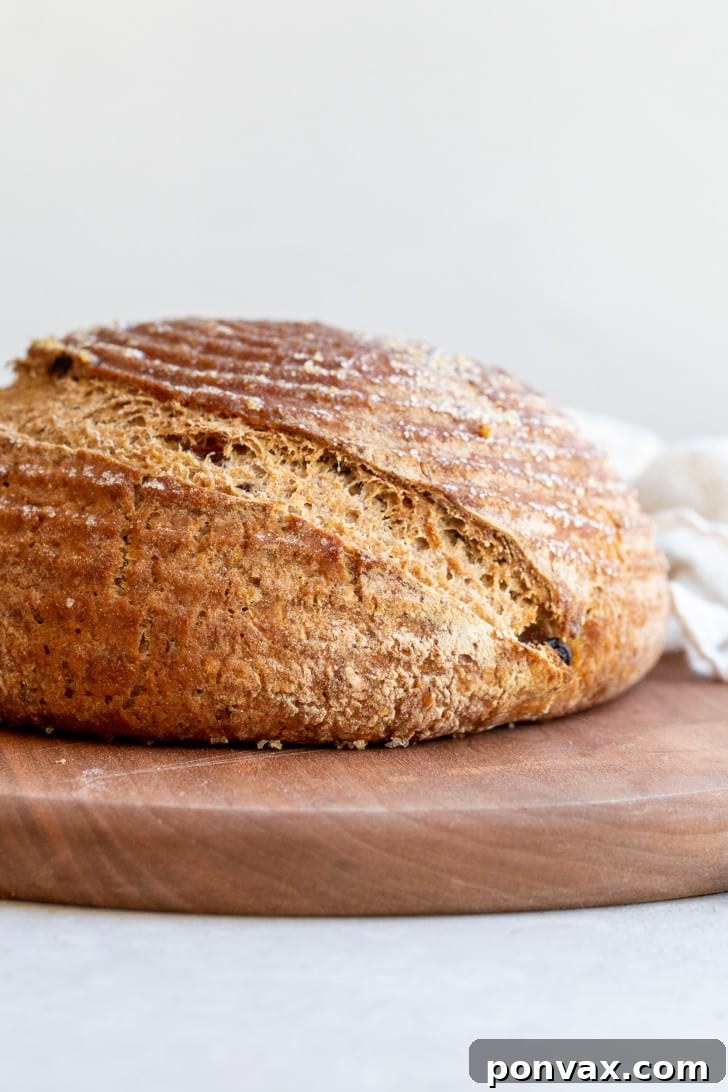
Step-by-Step Guide: How to Bake Gluten-Free Cinnamon Raisin Bread
Baking this delightful gluten-free cinnamon raisin bread is a rewarding process, and following these steps carefully will ensure a perfect loaf every time. Let’s walk through it:
- Activate the Yeast: Begin by combining your active dry yeast with warm water and a touch of maple syrup. This step is crucial; the maple syrup provides a food source for the yeast, encouraging it to bubble and foam, signaling its readiness. Ensure your water is warm, not hot, to avoid killing the yeast.
- Prepare the Psyllium Gel: In a separate bowl, whisk together the whole psyllium husk and filtered water. Continue whisking until the psyllium is fully hydrated and the mixture thickens into a gel-like consistency. This “psyllium gel” is your gluten substitute, vital for the dough’s structure and elasticity.
- Combine Dry and Wet Ingredients: In a large mixing bowl (or the bowl of your stand mixer), thoroughly whisk together all your gluten-free flours, starches, and sea salt. Once combined, pour in the activated yeast mixture and the psyllium gel. Mix using a stand mixer with a dough hook or by hand until a cohesive, smooth dough forms, ensuring there are no dry pockets remaining. Scrape down the sides of the bowl as needed.
- Incorporate the Raisins: Gently fold in the pre-soaked and drained raisins until they are evenly distributed throughout the dough. Soaking the raisins beforehand helps them remain plump and juicy during baking.
- First Rise and Shaping: Allow the dough to undergo its first rise in a warm, draft-free place for about one hour, or until it has visibly increased in size. After the first rise, gently deflate the dough, shape it into a loaf, and place it into your prepared loaf pan or banneton (seam-side up for a banneton, seam-side down for a loaf pan) for the second rise.
- Second Rise, Scoring, and Baking: Cover the loaf and let it rise again for approximately an hour, or until it has nearly doubled in size. While it’s rising, preheat your oven. Just before baking, gently score the top of the bread with a sharp knife or bread lame. For an extra touch of sweetness and a beautiful crust, consider brushing the top with oil and sprinkling with cinnamon sugar. Bake until the crust is a rich golden brown and the loaf sounds hollow when tapped.
- Crucial Cooling Step: This is arguably the most challenging but most important step: allow the bread to cool completely on a wire rack before attempting to slice it. Cooling prevents the internal structure from becoming gummy and ensures a perfect, non-dense crumb. Ideally, let it cool for at least four to five hours, or even overnight, until it’s cool to the touch.
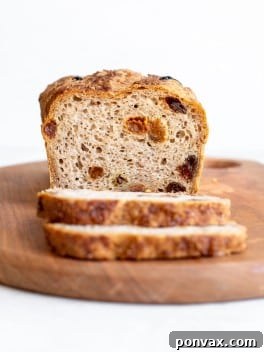
- Enjoy! Once fully cooled, slice your homemade gluten-free cinnamon raisin bread and savor its wonderful flavor and texture. It’s fantastic plain, toasted, or as the star of your favorite breakfast or dessert dishes.
Explore More Delicious Gluten-Free Bread Recipes
If you’ve enjoyed baking this cinnamon raisin bread, you’ll be thrilled to discover more gluten-free baking adventures. Here are some other popular recipes from our collection:
- Our Classic Homemade Gluten-Free Bread
- Easy Gluten-Free Pizza Crust for Weeknights
- Simple Gluten-Free Sourdough Focaccia
- The Ultimate Gluten-Free Sourdough Pizza Crust
- Homemade Gluten-Free Bagels for Breakfast
Gluten-Free Cinnamon Raisin Bread
Pin Recipe
Ingredients
To activate the yeast
- 7 g 2.5 tsp active dry yeast
- 100 g warm filtered water
- 40 g maple syrup, honey or cane sugar
For the loaf
- 20 g whole psyllium husk
- 355 g filtered water
- 480 g homemade gluten-free bread flour blend or, 80g potato starch, 60g tapioca flour or arrowroot flour, 125g sorghum flour, 125g brown rice flour and 90g millet flour
- 12 g sea salt
- 4 g cinnamon
- 55 g raisins, soaked in hot water for 10 minutes and then drained
Instructions
-
In a small bowl, combine the yeast with the sweetener of your choice (maple syrup, honey, or cane sugar) and warm water, between 100-110℉. It should feel warm, but not hot, to the touch. Let it sit to activate for about 10 to 15 minutes. You should notice it start to bubble, and then it will get nice and foamy on top.
-
In a bowl or liquid measuring cup, mix together the psyllium husk and water. Whisk together, breaking up the psyllium, and let it set for a few minutes until it’s thickened and gel-like.
-
In a large mixing bowl or the bowl of your stand mixer, mix together all of your flours, starches, and salt. Whisk to combine.
-
Add the psyllium gel and the activated yeast mixture to your dry ingredients. If using a stand mixer, fit it with the dough hook and let it mix up the dough until combined and smooth, scraping down the sides a few times during the process, and flipping the dough around to make sure it’s fully mixed on the bottom too. You can also do this by hand. If doing it by hand, I like using a dough whisk to get it mostly combined. Then, turn it out onto the countertop and use your hands to knead the rest of the flour in. Once it’s mostly combined, mix in the raisins.
-
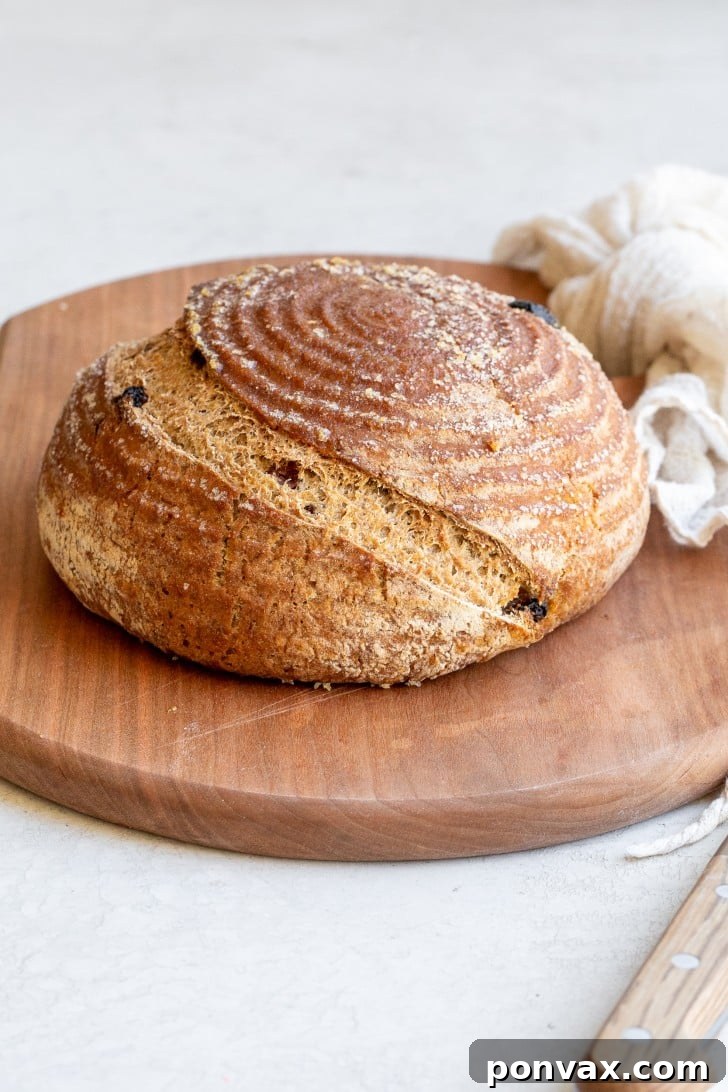
Knead and shape it into your desired shape. Then, place it in the banneton (seam side up) – I like a 7″ banneton, or a loaf pan (seam side down – mine was 8.5 x 4.5″) for the proof.
-
Cover with a tea towel and let the loaf rise for one hour in a warm place. It should just about double in size again. Preheat the oven to 425℉ while the Dutch oven rises, if using.
-
Once it’s risen, score the bread (carefully flipping it out of the banneton onto parchment or a silicone sling if baking in a Dutch oven). If you’re baking in a loaf pan, you may want to brush the top with oil to get a nice golden crust. You can also sprinkle with cinnamon sugar, if desired. It makes a delicious sugary crust!
-
Place into your baking vessel if using a Dutch oven. If using a loaf pan, just place right into the oven. Bake for 1 hour and 15 minutes, removing the lid for the last 15 minutes if baking in a Dutch oven. It should be golden brown and crusty.
-
Remove from the baking pan and set on a cooling rack to cool completely. This is definitely the hardest part, but you really need to let the loaf cool completely so the inside can set. I try to let it cool overnight, but you’ll want to let it cool for at least four to five hours. It should be fully cool to the touch before cutting into your loaf.
-
Slice and eat. This bread is great raw, toasted, or however else you want to enjoy it!