Indulge Guilt-Free: The Ultimate Homemade Peanut Butter Cups Recipe
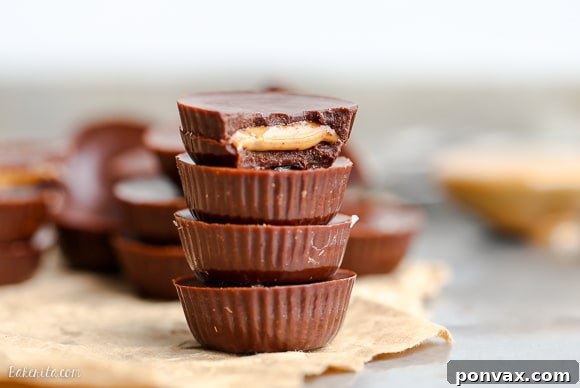
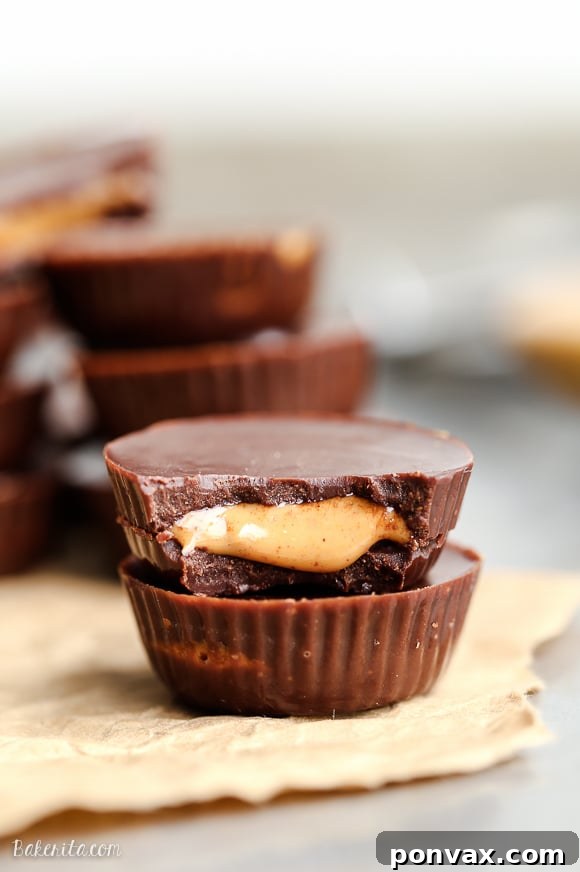
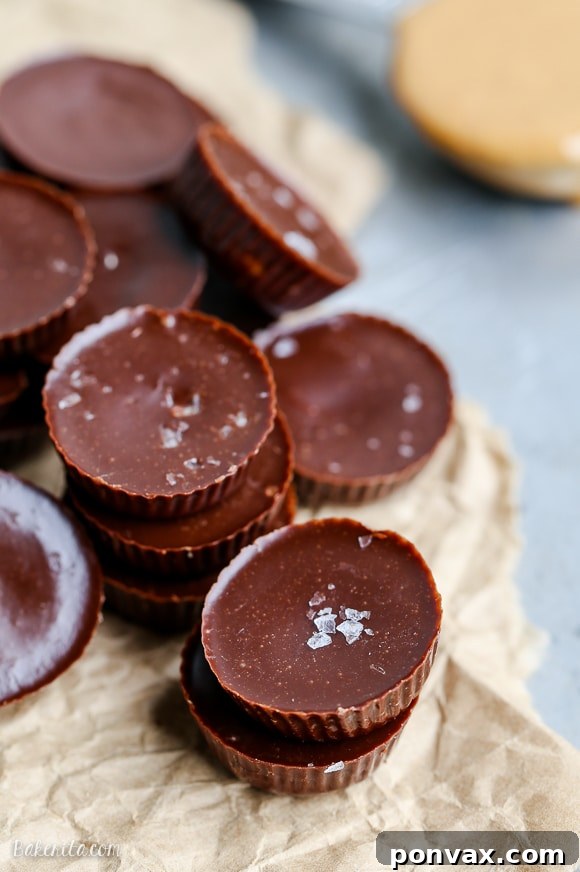
These homemade Peanut Butter Cups are not just a treat; they’re a healthier revolution of your favorite classic candy. Crafted with a mere four essential ingredients, they boast a refined sugar-free and vegan chocolate base, perfected with a delightful sprinkle of flaky sea salt. Prepare to fall in love with a confection that delivers all the nostalgic joy without any of the guilt.
In recent times, my kitchen has become a laboratory for transforming beloved, often indulgent, treats into significantly healthier yet equally delicious versions. This culinary adventure began with a yearning to recreate childhood favorites, but with an adult’s understanding of wholesome ingredients. My journey started with these incredible homemade Twix Bars, a revelation featuring a lusciously rich vegan caramel and a perfectly crisp coconut flour shortbread base. The success of that recipe, free from refined sugars and gluten, yet bursting with authentic flavor, truly ignited a passion for guilt-free indulgence.
The exhilaration from perfecting the Twix Bar replica propelled me forward. My next challenge? Tackling another iconic favorite: Girl Scout Samoa Bars. Imagine that same decadent vegan caramel, now generously topped with perfectly toasted coconut, all enrobed in a dark chocolate shell. Each bite of these bars was a testament to how incredible healthy eating can taste. These early triumphs cemented my commitment to crafting confections that satisfy the deepest cravings while aligning with a more mindful approach to ingredients.
With a renewed sense of purpose, I knew I couldn’t stop there. The quest to make my favorite candy bars healthier and more accessible continued. My sights were set on the ultimate classic: homemade peanut butter cups. The beauty of this particular recipe lies in its sheer simplicity and minimal ingredient list. Requiring only four ingredients, these cups banish any excuses for not making them from scratch. Furthermore, they demand incredibly little active prep time – we’re talking about 10 minutes, perhaps even just 5 if you’re efficient in the kitchen. This makes them an ideal candidate for a quick, wholesome dessert fix anytime the craving strikes.
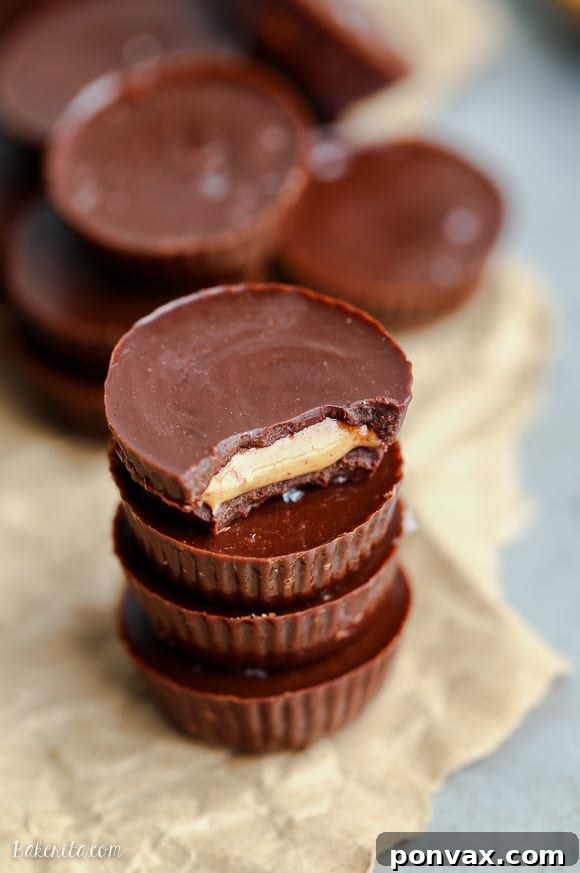
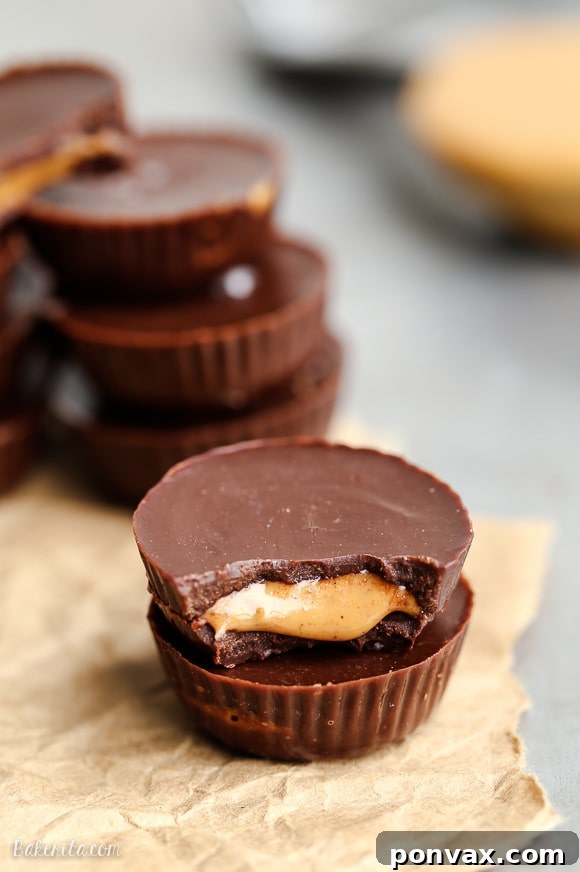
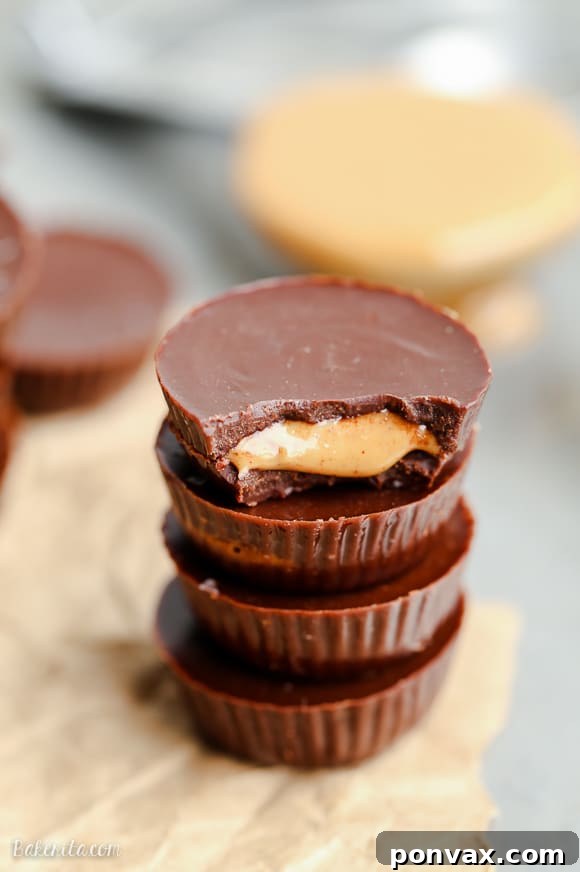
The foundation of these magnificent peanut butter cups is my signature homemade chocolate recipe. It’s a marvel of simplicity itself, coming together in less than a minute by merely whisking together melted coconut oil, rich cocoa powder, and natural maple syrup. That’s it – pure, unadulterated chocolate goodness. This silky mixture forms the base, poured into mini muffin liners or a dedicated peanut butter cup mold. A generous dollop of creamy peanut butter follows, creating that iconic core, before being lovingly topped with more of our homemade chocolate. The result is a stunningly simple yet profoundly satisfying treat that rivals any store-bought version.
Coconut Oil vs. Cacao Butter: Choosing Your Chocolate Base
While coconut oil has long been my reliable choice for crafting these irresistible peanut butter cups, I’ve recently delved into the world of cacao butter as an alternative, and the results have been nothing short of transformative. Each option offers a distinct experience, allowing you to tailor your homemade chocolate to your preference.
- Coconut Oil: The Melty Marvel
Coconut oil yields a chocolate that melts beautifully and quickly on your tongue, delivering that immediate, satisfying sensation we all crave from a classic candy. It’s wonderfully approachable, widely available, and typically more budget-friendly. However, it’s worth noting that chocolate made with coconut oil is quite sensitive to temperature and will soften rapidly at room temperature, especially in warmer climates. This means these cups are best stored in the refrigerator for optimal firmness. - Cacao Butter: The Stable & Sophisticated Choice
In contrast, cacao butter creates a significantly more stable chocolate that maintains its structure much better at room temperature. Its subtle, luxurious aroma and flavor elevate the chocolate to a gourmet level, reminiscent of premium artisanal confections. The texture is firmer, offering a satisfying snap when you bite into it, much like traditional store-bought peanut butter cups. While cacao butter is generally pricier and may require a bit more effort to source, it’s an investment worth making for those looking to “level up” their homemade candy game. You can easily find it online, for instance, on Amazon. It’s also superb for making homemade chocolate bars. When working with cacao butter, it’s best to melt it gently using a double boiler to prevent burning, which helps preserve its delicate flavor and ensures a smooth, glossy finish. Trust me, once you experience the cacao butter version, you might find it hard to go back!
Ultimately, the choice between coconut oil and cacao butter depends on your priorities: ease and quick melt-in-your-mouth indulgence versus stability, sophisticated flavor, and a firmer bite. Both will yield delicious results, so feel free to experiment and discover your favorite.
Easy Substitutions for Your Perfect Peanut Butter Cups
One of the most remarkable aspects of this recipe is its incredible adaptability, allowing you to customize your peanut butter cups to suit various dietary preferences and flavor profiles. Don’t hesitate to experiment and make them uniquely yours!
- Delightful Add-ins: Elevate the chocolate’s complexity by introducing a tiny pinch of cinnamon or a drop of pure vanilla extract into the mixture. For an exciting textural contrast, consider folding some finely chopped peanuts, toasted pecans, or even mini chocolate chips into your peanut butter filling. These small additions can dramatically enhance the overall experience.
- Nut Butter Options Galore: If peanut butter isn’t your preference or you’re navigating allergies, this recipe gracefully accommodates alternatives. Almond butter offers a slightly more sophisticated and subtle flavor, while sunflower seed butter is an excellent nut-free option that maintains a similar creamy texture. For an extra indulgent twist, try using cookie butter – it transforms these cups into a truly decadent dessert!
- Sweetener Swaps: While maple syrup provides a wonderful, rich sweetness, you have other options. Honey works beautifully as a direct substitution, though it will make the recipe non-vegan. For those seeking a lower-glycemic alternative, a monk fruit maple syrup alternative is an excellent choice. I’ve also enjoyed using date syrup, which imparts a lovely, nuanced caramel undertone to the chocolate.
- Chocolate Variations: The type of cocoa powder you choose can subtly alter the flavor and color of your chocolate. Raw cacao powder, for example, is rich in antioxidants and delivers a more intense, slightly fruitier chocolate flavor. Dutch-processed cocoa powder, on the other hand, is treated to reduce acidity, resulting in a smoother, darker, and less bitter chocolate. Experimenting with these variations can lead to exciting new flavor discoveries.
How to Store Your Homemade Peanut Butter Cup Stash
Once you’ve crafted your batch of these delightful peanut butter cups, proper storage is key to maintaining their perfect texture and extending their shelf life. While they’re incredibly tempting to devour instantly, a little planning ensures you can savor them over time.
If you opted for the coconut oil base, remember that these cups are quite sensitive to warmth and will soften considerably at room temperature, especially during the warmer months. The cacao butter version offers more resilience against melting, but I still prefer storing them in the refrigerator to guarantee maximum freshness and firmness. Here are my top storage recommendations:
- Refrigerator Storage: For best results, transfer your finished peanut butter cups to an airtight container and store them in the refrigerator for up to 2 weeks. This ensures they remain perfectly firm and provide that satisfying snap when you bite into them. In my experience, they rarely last this long before being happily consumed!
- Freezer Option: These homemade treats freeze beautifully, making them an excellent candidate for meal prep or simply having a stash ready for future cravings. Arrange them in a freezer-safe container with layers separated by parchment paper to prevent sticking. They can be stored in the freezer for up to 3 months. The best part? You can enjoy them straight from the freezer for a wonderfully refreshing, extra-firm chocolate treat, or let them thaw for about 5-10 minutes for a softer, more traditional texture.
- On-the-Go Tips: If you plan to pack these in a lunchbox, for a picnic, or as a snack for travel, it’s wise to include a small ice pack, especially if you used coconut oil. The cacao butter version will naturally hold up much better at room temperature for short periods, making it the superior choice for portability.
The good news is, since they are so incredibly easy and quick to make, running out is never a real problem – you can always whip up another batch in minutes! That convenience truly adds to their appeal. If you’re a devoted peanut butter cup enthusiast like I am, you’ll undoubtedly become obsessed with this recipe. Enjoy every single bite!
Rachel Conners
Homemade Peanut Butter Cups
These homemade Peanut Butter Cups are a healthier version of your favorite candy, made with only four ingredients! They are crafted with refined sugar-free, vegan homemade chocolate, and finished with a sprinkle of flaky sea salt.
Pin Recipe
Prep Time: 20 mins
Total Time: 20 mins
Ingredients
- ½ cup coconut oil or cacao butter, melted
- ½ cup cocoa powder
- 3-4 tablespoons maple syrup, to taste
- About ⅓ cup peanut butter
- Flaky sea salt, optional
Instructions
- Line a mini muffin tin with small cupcake liners. Alternatively, you can use a peanut butter cup mold for classic shapes.
- In a liquid measuring cup, whisk together the melted coconut oil (or cacao butter), cocoa powder, and 3 tablespoons of maple syrup until smooth. Taste the mixture and add more maple syrup if you prefer a sweeter chocolate.
- Pour a small amount of the chocolate mixture into the bottom of each liner or mold cavity, just enough to thinly cover the bottom. Use no more than half of the chocolate mixture for this step. Place the cups in the refrigerator for about 10 minutes to allow the chocolate to harden.
- Once the bottom chocolate layer is firm, place approximately ½ teaspoon of peanut butter over the hardened chocolate in each cup. Carefully pour enough of the remaining chocolate mixture over the peanut butter to completely cover it. If your chocolate mixture starts to thicken, gently warm it in the microwave for 10-15 seconds to remelt. Repeat until all cups are filled. If desired, sprinkle the tops with flaky sea salt for an extra touch of flavor and texture. Return the cups to the refrigerator to harden completely, typically for another 15-20 minutes.
- Store your finished peanut butter cups at cool room temperature if using cacao butter, or in the refrigerator if you used coconut oil or live in a warm climate, to maintain their firm texture.