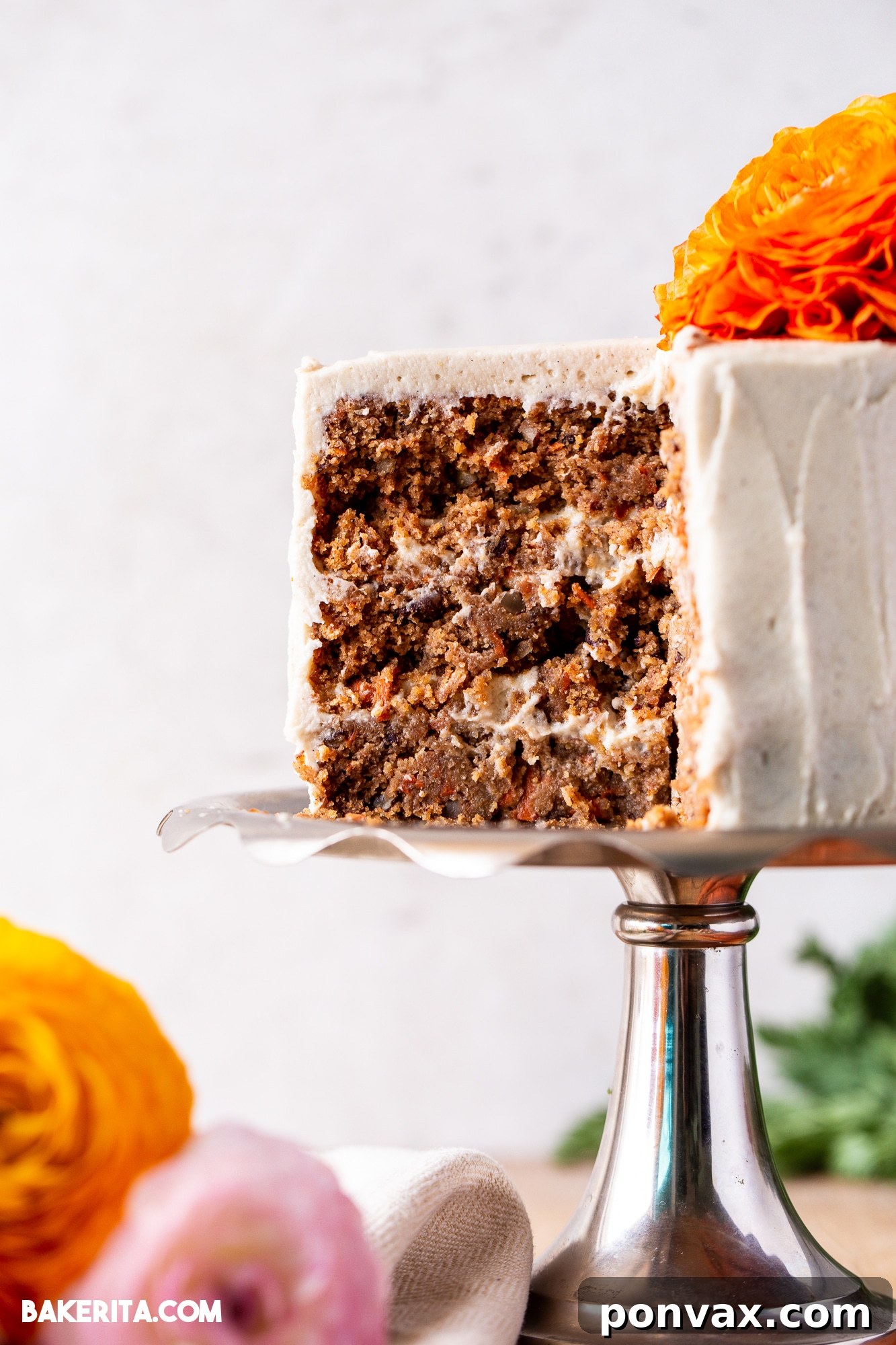
Welcome to your new favorite dessert sensation: the **Gluten-Free Vegan Carrot Cake!** This isn’t just any cake; it’s a testament to how utterly delicious and surprisingly simple plant-based, gluten-free baking can be. Crafted with ease in mind, the vibrant batter comes together in a single bowl, requiring a mere 15 minutes of your time before it’s ready for the oven. But the magic doesn’t stop there. Each moist, perfectly spiced slice is crowned with an irresistible, velvety vegan cream cheese frosting that’s entirely refined sugar-free. Prepare to be amazed by a cake that caters to dietary needs without compromising on flavor or texture, making it a standout star for any occasion. A special thanks to Bob’s Red Mill for their support in making this incredible recipe possible.
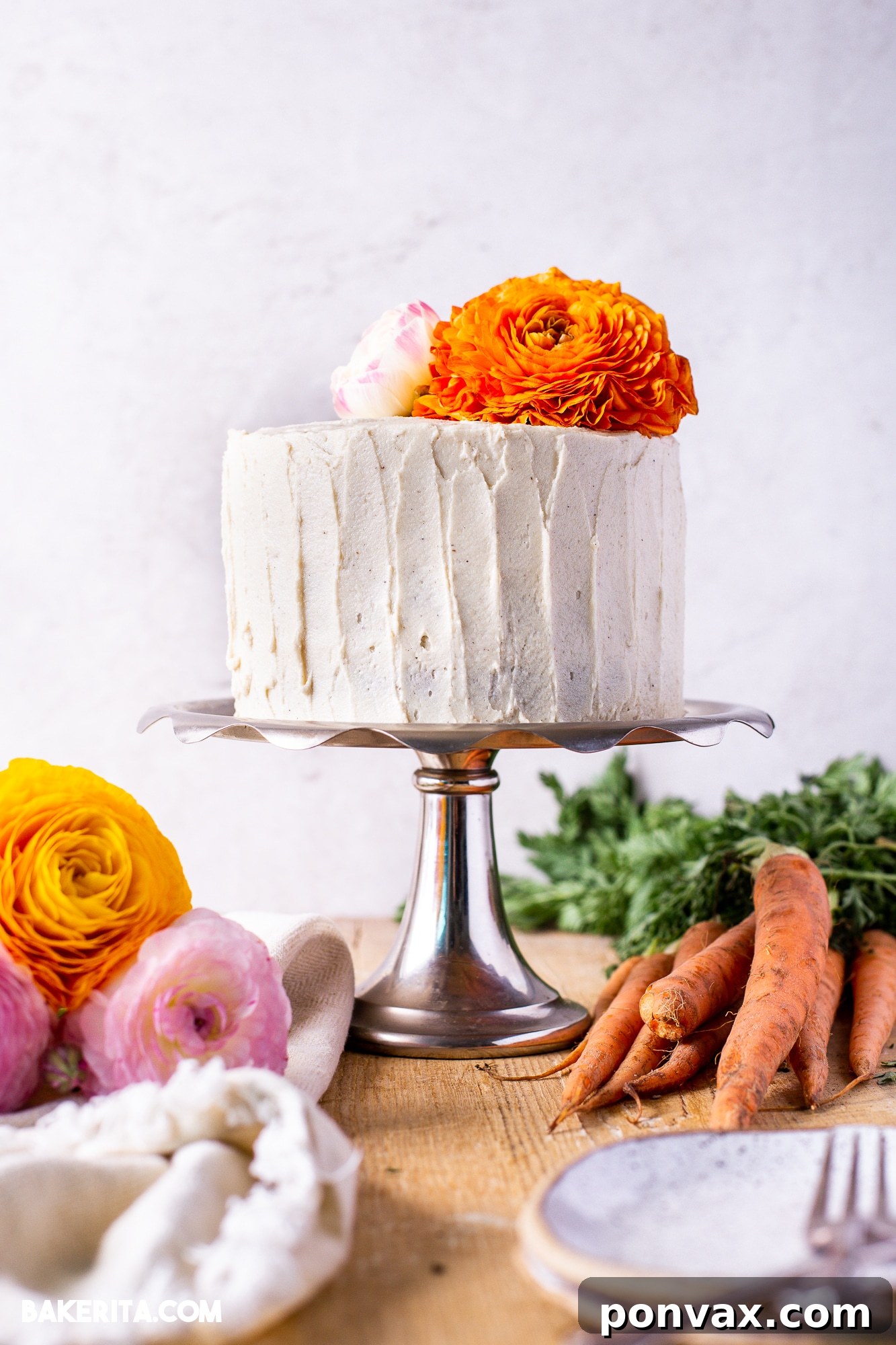
Here in our kitchen, we have a profound appreciation for a truly exceptional cake, whether it’s the rich decadence of a tender Chocolate Cake or the bright, zesty delight of a Lemon Cake. However, there’s a new contender for the coveted title of “best vegan cake,” and it’s making a grand entrance: the **Gluten-Free & Vegan Carrot Cake!** This cake transcends expectations, proving that mindful eating doesn’t mean sacrificing the joyous indulgence of dessert. It’s perfect for those with allergies, dietary preferences, or simply anyone seeking a healthier, yet utterly delightful, treat.
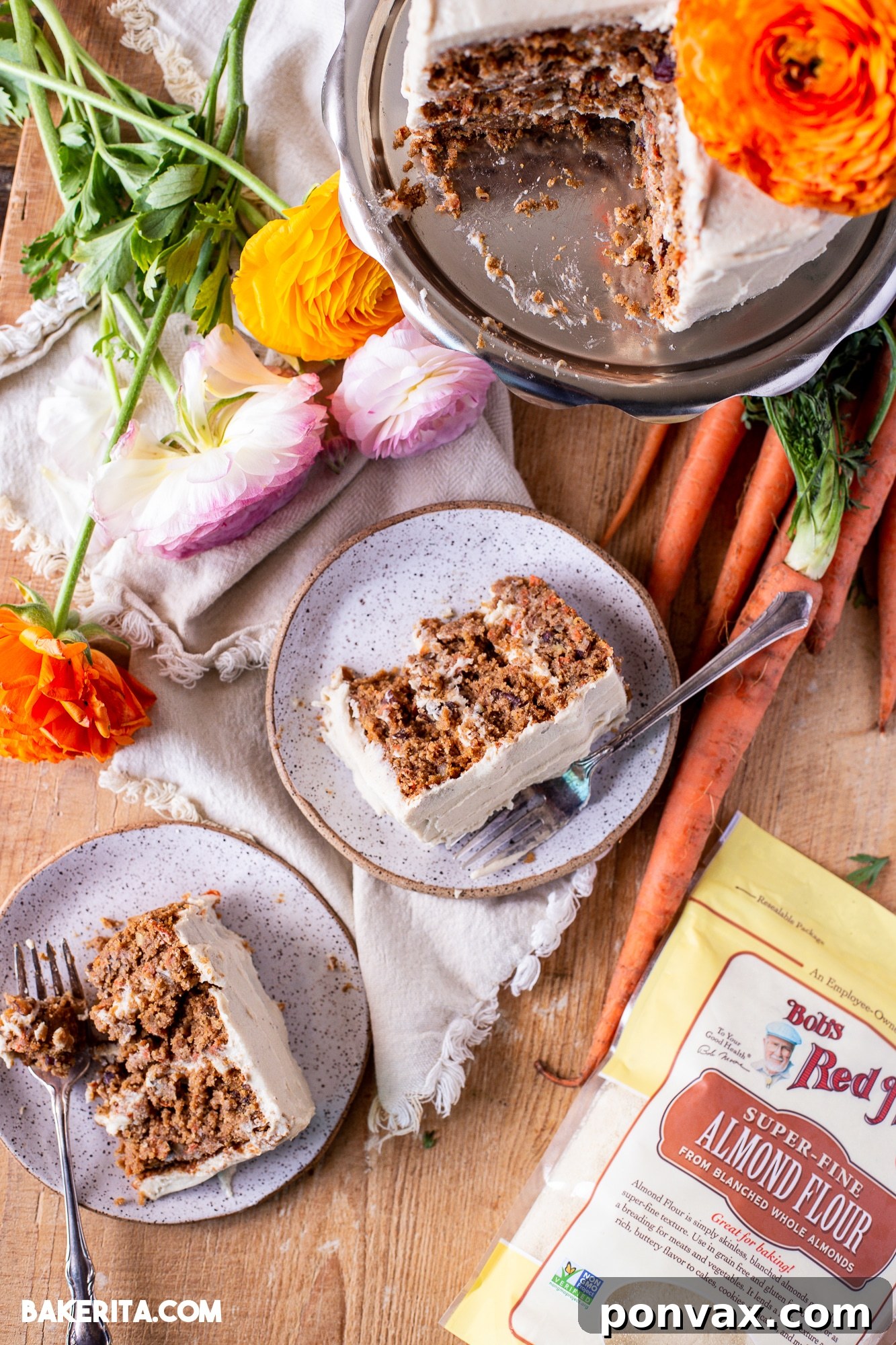
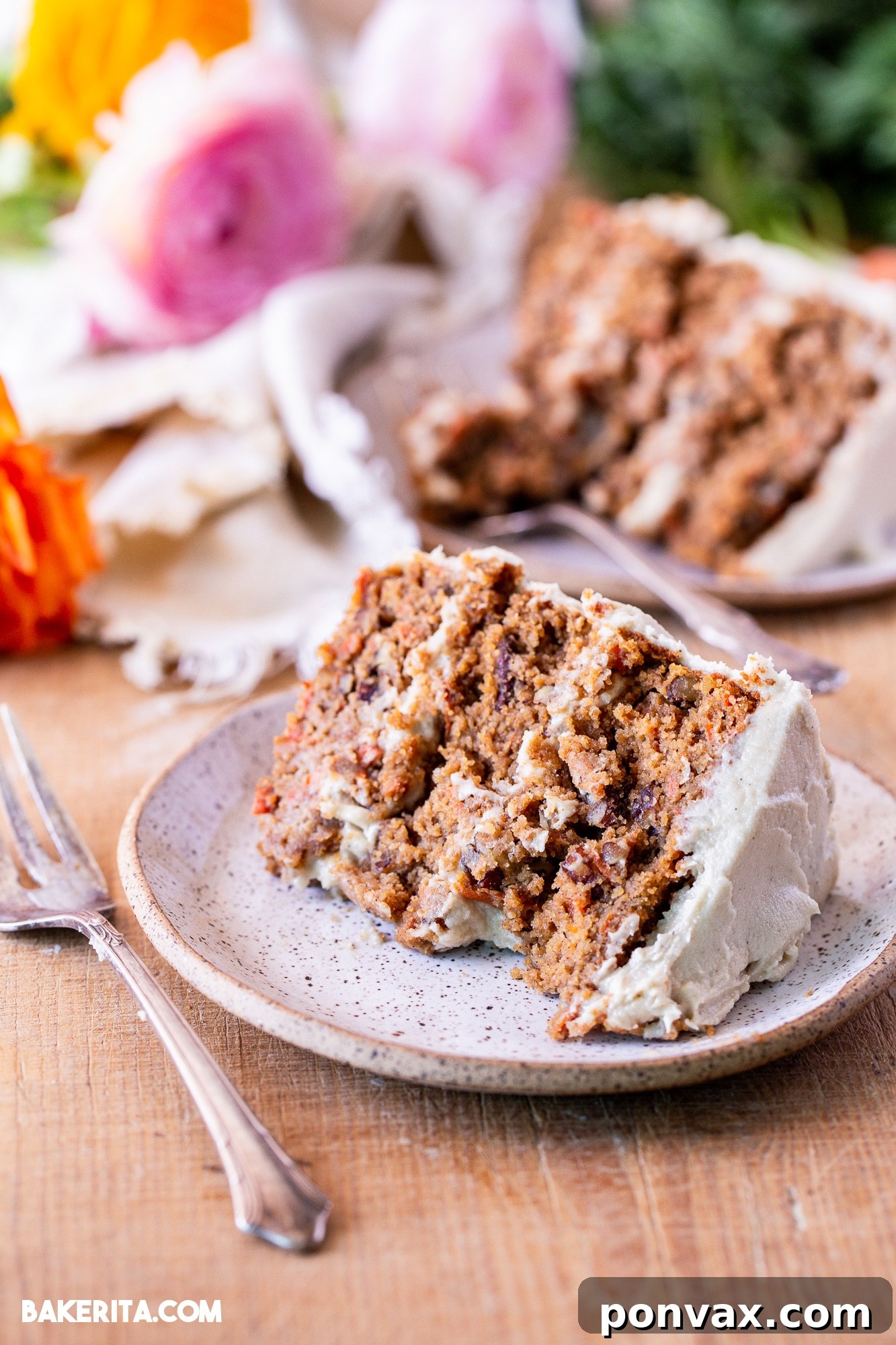
This exquisite carrot cake is a harmonious blend of nature’s finest ingredients. It features an abundance of freshly grated carrots, delivering natural sweetness and unparalleled moisture. Complementing this are crunchy pecans (or your preferred nuts), adding a delightful textural contrast with every bite. The cake is warmly spiced with classic favorites like cinnamon and nutmeg, which infuse it with that comforting, nostalgic carrot cake aroma and taste. For its incredibly light and fluffy texture, we rely on the high-quality, certified gluten-free flours from Bob’s Red Mill. The result is a carrot cake so remarkably delicious and authentic that, as my non-vegan grandfather eloquently put it, “You’d never guess that this was a vegan schmegan cake!” – a true testament to its universal appeal.
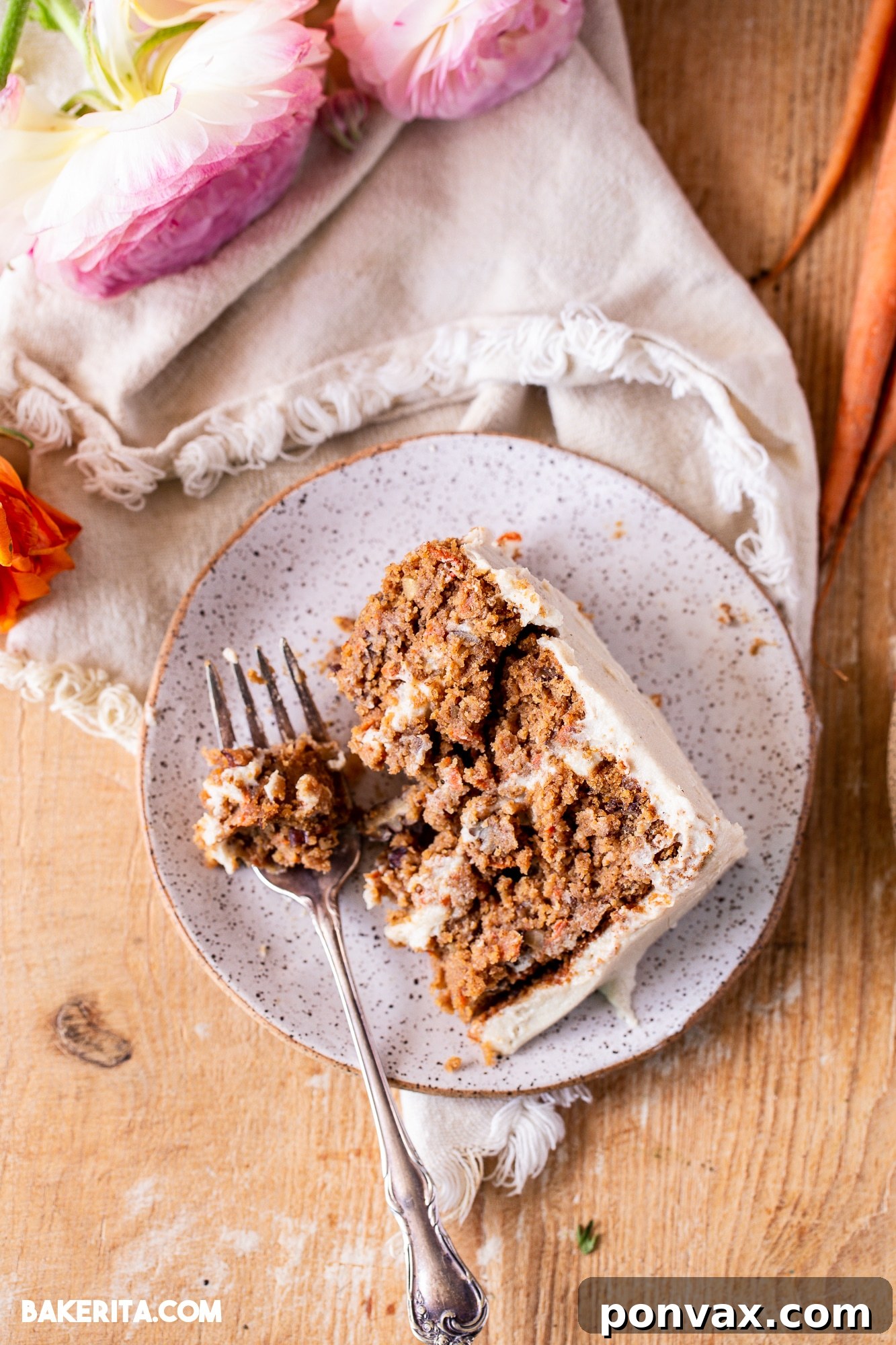
Essential Ingredients for a Perfect Gluten-Free Vegan Carrot Cake
Crafting this delightful vegan carrot cake requires a thoughtful selection of ingredients, each playing a crucial role in achieving its perfect flavor and texture. Here’s a detailed look at what you’ll need, along with some helpful substitution suggestions to fit your pantry and preferences:
- **Unsweetened Almond Milk:** This provides the liquid base for our cake. Feel free to use any other unsweetened dairy-free milk, such as soy, cashew, or oat milk, for a similar result.
- **Apple Cider Vinegar:** When mixed with the dairy-free milk, apple cider vinegar curdles it, creating a fantastic vegan buttermilk substitute. This acidity is vital for activating the baking soda, resulting in a tender, moist crumb. Lemon juice or white vinegar can also be used as alternatives.
- **Unsweetened Applesauce:** This ingredient acts as a natural sweetener, adds moisture, and helps bind the cake together, replacing eggs. Pumpkin puree or even finely pureed steamed carrots can work well as substitutes, adding slightly different flavor nuances.
- **Coconut Sugar:** Our choice for a refined sugar-free sweetener. It offers a caramel-like flavor that complements the carrot cake spices beautifully. If you don’t mind refined sugar, organic cane sugar can be used.
- **Almond Butter:** Adds richness, moisture, and a subtle nutty flavor. Any creamy nut or seed butter (like cashew butter or sunflower seed butter for a nut-free option) will work as a substitute, ensuring a wonderfully moist cake.
- **Refined Coconut Oil:** We recommend refined coconut oil to ensure a neutral flavor profile, preventing any unwanted coconut taste in your carrot cake. However, if you enjoy the subtle tropical notes, virgin coconut oil can certainly be used. Melt it gently before incorporating.
- **Vanilla Extract:** Essential for enhancing all the other flavors and adding a hint of comforting sweetness.
- **Bob’s Red Mill Gluten-Free Oat Flour:** This flour contributes to a wonderfully tender texture. It’s crucial to use certified gluten-free oat flour to avoid cross-contamination if gluten intolerance is a concern. Bob’s Red Mill clearly labels their products as gluten-free, ensuring safety and quality. Alternatively, you can easily make your own oat flour from gluten-free rolled oats (see next section).
- **Bob’s Red Mill Blanched Almond Flour:** This finely ground flour is key to achieving an incredibly light and airy cake crumb. Always opt for blanched almond flour over coarser almond meal, which can result in a denser cake.
- **Flax Meal:** Mixed with liquid, flax meal creates a “flax egg” that acts as a binder, replacing traditional eggs in this vegan recipe, while also adding healthy omega-3s.
- **Cinnamon & Nutmeg:** These warm spices are the heart of any good carrot cake, providing its signature comforting aroma and deep, delicious flavor.
- **Baking Powder & Baking Soda:** These leavening agents work in conjunction with the apple cider vinegar to give the cake its beautiful rise and airy texture.
- **Sea Salt:** A pinch of salt is crucial for balancing the sweetness and enhancing the overall flavor profile of the cake.
- **Shredded Carrots:** The star of the show! For the best flavor and texture, always opt for freshly shredded carrots. Pre-shredded varieties tend to be drier and coarser, which can negatively impact the cake’s moisture and overall taste.
- **Chopped pecans or walnuts:** These add a wonderful crunch and nutty depth. If nuts aren’t your preference, feel free to omit them – the cake will still be fantastic!
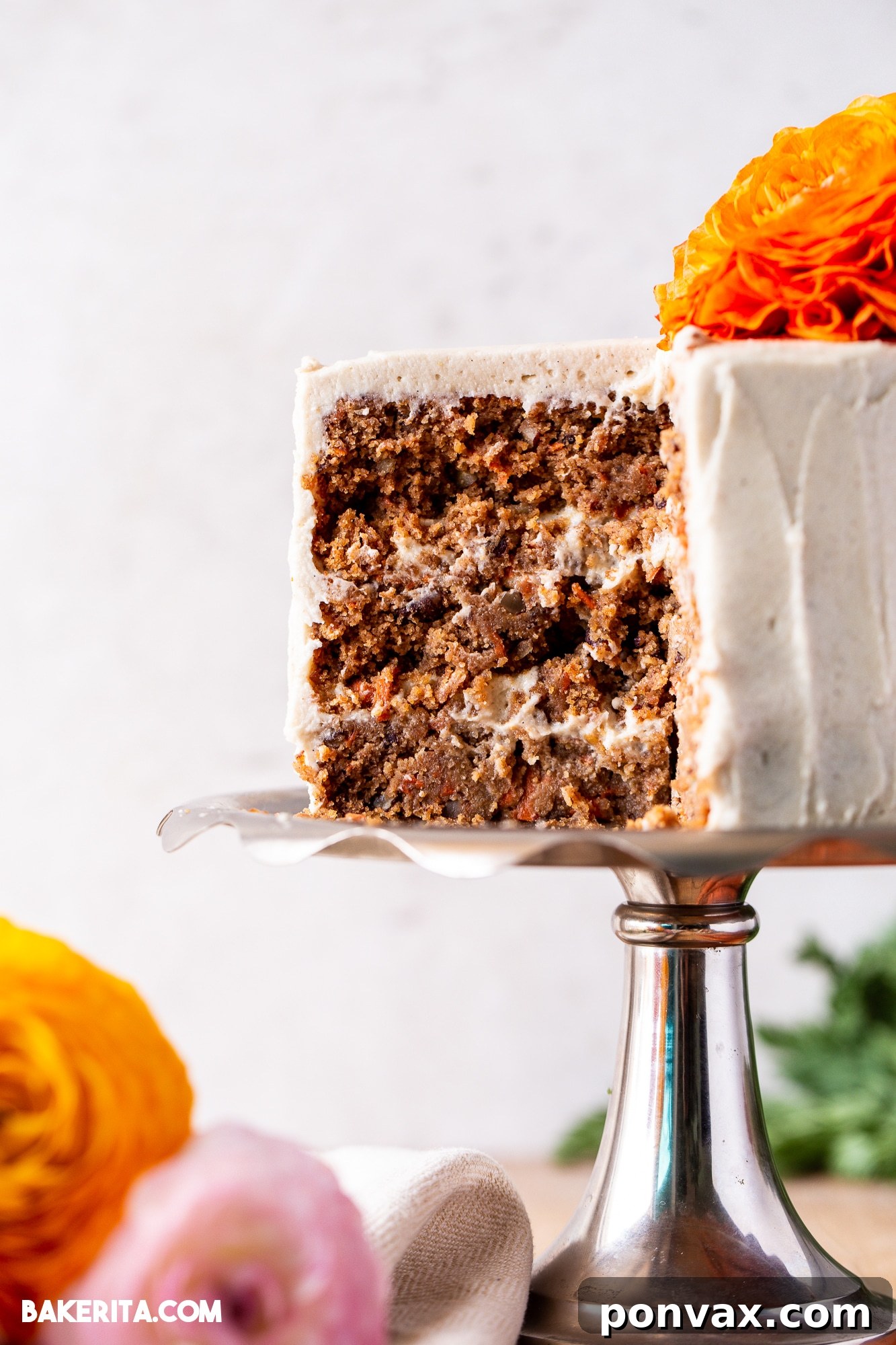
Can I Make My Own Gluten-Free Oat Flour at Home?
Absolutely, making your own oat flour is incredibly simple and a great option if you can’t find it pre-packaged or prefer to use oats you already have at home. This is also a cost-effective way to ensure freshness and control over your ingredients.
**To make homemade oat flour:** Simply add your certified gluten-free rolled oats (we highly recommend Bob’s Red Mill oats for their consistent quality) to a high-speed blender or food processor. Blend for a few minutes, pausing to scrape down the sides as needed, until you achieve a super-fine, powdery consistency similar to regular flour. It’s important to blend until there are no visible flakes, as this will ensure the lightest and fluffiest cake texture. Once blended, your fresh oat flour is ready to use in this recipe or stored in an airtight container for future baking endeavors.
Efficiency in the Kitchen: How Long Does This Recipe Take?
One of the many wonderful aspects of this gluten-free vegan carrot cake recipe is its incredible efficiency. We know your time is precious, and this cake is designed to deliver maximum flavor with minimal effort. The actual cake batter preparation is remarkably quick, utilizing just **one bowl** for mixing. This significantly cuts down on cleanup and streamlines the entire process. You can expect to have the batter ready and poured into your pans in approximately 10 to 15 minutes.
While the mixing itself is speedy, the total prep time can vary slightly depending on a couple of factors. These include how quickly you can shred your carrots, chop your chosen nuts, and prepare your cake pans (greasing and lining with parchment paper). However, even with these considerations, this recipe remains a super simple and relatively quick bake, perfect for both seasoned bakers and beginners alike looking for a delicious, homemade treat.
Customizing Your Carrot Cake: Delicious Mix-In Ideas
While I often prefer to keep my carrot cake simple, allowing the classic flavors to shine, this recipe is incredibly versatile and welcomes your favorite mix-ins! Adding extra goodies can elevate your cake and tailor it perfectly to your taste. Here are some of the best additions to consider for this carrot cake:
- **Shredded Carrots:** Of course, these are non-negotiable! The fresh, natural sweetness and moisture from the carrots are fundamental to any great carrot cake.
- **Nuts:** I have a soft spot for pecans, which offer a buttery crunch that perfectly complements the cake’s moist texture. Walnuts are another classic choice and work wonderfully. Feel free to experiment with other favorites like chopped almonds or even sunflower seeds for a nut-free option. If you’re simply not a fan of nuts in your cakes, you can absolutely leave them out!
- **Raisins:** A traditional addition that brings a chewy texture and concentrated bursts of sweetness. I find that rehydrating them briefly in hot water or a little fruit juice before adding can make them extra plump and juicy in the cake.
- **Coconut:** Shredded or flaked coconut adds a lovely tropical hint and textural interest. Toasted coconut can offer an even deeper flavor dimension.
- **Pineapple Chunks:** For those who love a Hawaiian-style carrot cake, small, well-drained pineapple chunks can add incredible moisture and a tangy sweetness. If you’re using pineapple, be sure to drain it thoroughly and pat it dry with paper towels to avoid altering the liquid ratio of the batter too much. Too much liquid can make the cake dense or soggy.
Versatile Baking: Can I Make Cupcakes or a Bundt Cake?
Absolutely! While I personally love the elegance and celebratory feel of a small three-layer, 6-inch cake, this versatile gluten-free vegan carrot cake batter can be adapted to various baking forms. This is fantastic news if you’re baking for a crowd, a smaller gathering, or simply prefer a different presentation. The approximate baking times for each alternative are conveniently provided in the recipe card for your guidance:
- **Two 8-inch Cake Pans:** Opting for two 8-inch cake pans will yield a slightly shorter, wider cake, perfect for a more traditional two-layer presentation. Ensure your pans are well-greased and floured (with gluten-free flour) or lined with parchment paper for easy release.
- **A Bundt Cake:** This stunning shape requires a longer bake time due to its thicker structure but results in a beautiful, impressive cake that needs minimal frosting for decoration. Just ensure your Bundt pan is thoroughly greased and dusted to prevent sticking.
- **Cupcakes:** If you’re serving a larger number of people, or simply prefer individual portions, cupcakes are an excellent choice. They’re fun, easy to serve, and perfect for parties or potlucks. Line your muffin tins with cupcake liners and fill them about two-thirds full for best results.
No matter which form you choose, the delicious flavor and moist texture of this gluten-free vegan carrot cake will shine through!
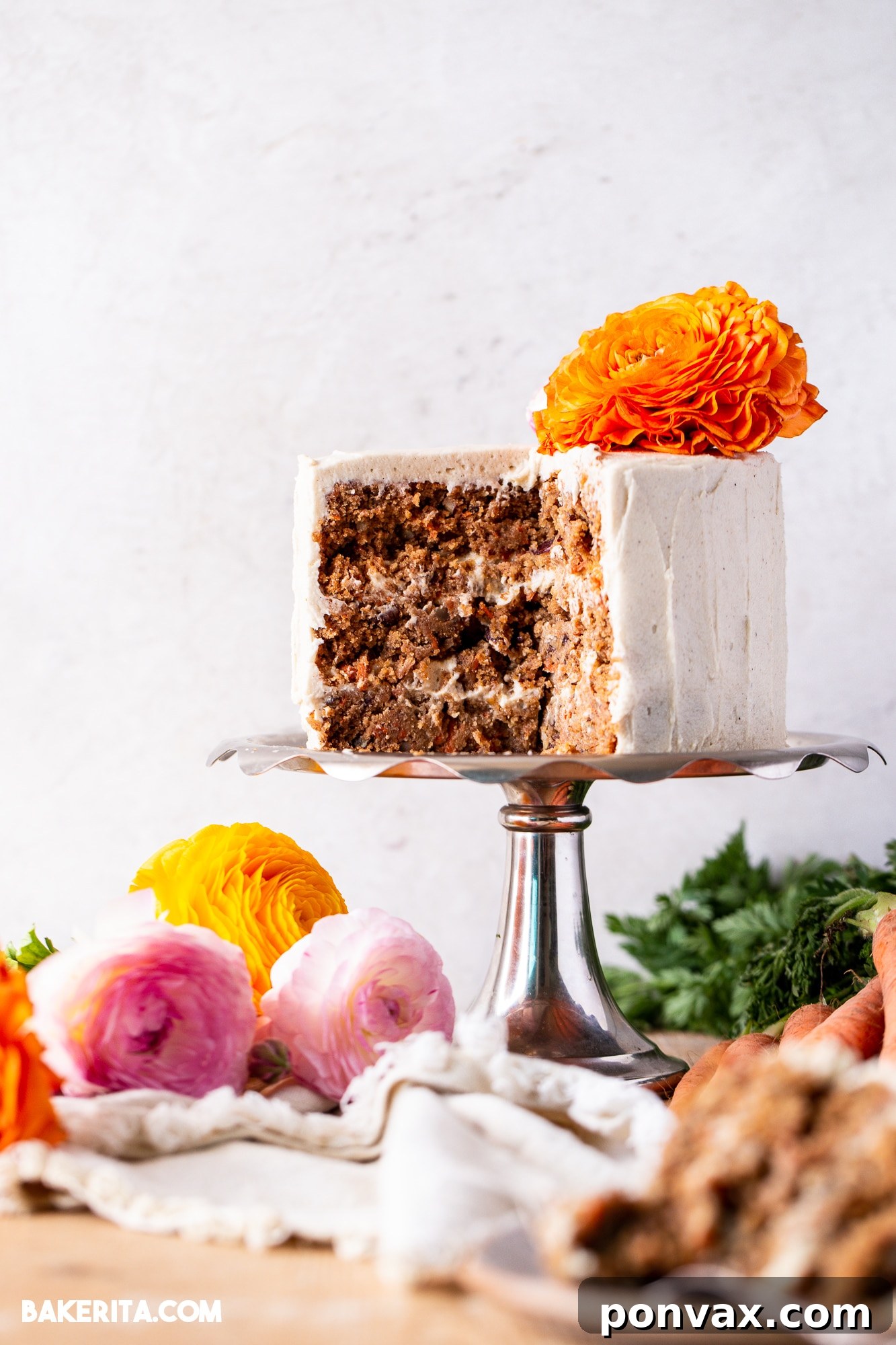
Crafting the Perfect Refined Sugar-Free Vegan Cream Cheese Frosting
This “cream cheese” frosting is a revelation – a truly incredible vegan alternative that requires no actual cream cheese, nor does it rely on store-bought processed vegan cream cheese substitutes. Our aim was to create a frosting that is both incredibly delicious and wholesome, adhering to a refined sugar-free philosophy, unlike many traditional vegan cream cheese frosting recipes that often call for significant amounts of powdered sugar.
Our secret lies in a rich, creamy cashew base. Raw cashews, once properly soaked, blend into an unbelievably smooth canvas. We then combine them with full-fat coconut cream, which adds a luscious richness and helps create that signature velvety texture. To achieve the beloved tang of cream cheese, we incorporate a touch of fresh lemon juice and a hint of apple cider vinegar. A dash of vanilla bean powder (or vanilla extract) rounds out the flavors, adding warmth and depth. The blending process transforms these simple ingredients into a smooth, decadent cashew cream cheese frosting.
For the best results and that desired light and fluffy texture, I highly recommend chilling the blended frosting completely. This allows it to firm up perfectly. Once chilled, whip it vigorously with a stand mixer fitted with a whisk attachment, or use a hand mixer. This aeration step is crucial for achieving that airy, pipeable consistency that rivals any traditional cream cheese frosting. This versatile frosting recipe is not only perfect for generously coating your carrot cake layers but also holds up beautifully when piped onto cupcakes, offering a professional finish.
However, if you’re pressed for time or simply prefer a simpler approach, there are delightful alternatives to garnish your cake. Consider a dollop of creamy coconut yogurt, a luscious drizzle of homemade coconut butter, a simple vanilla glaze, or your favorite go-to vegan frosting recipe. The key is to enjoy the cake in a way that brings you the most joy!
Storing Your Delicious Gluten-Free Vegan Carrot Cake
Ensuring your leftover cake stays as fresh and delightful as the day it was baked is simple with a few storage tips. On the day it’s prepared and frosted, the cake can comfortably remain at room temperature, making it perfect for immediate serving and enjoyment. However, for any duration longer than that, refrigeration is essential to maintain its freshness, especially with the cashew-based frosting.
For optimal preservation, store your frosted cake in an airtight container in the refrigerator. This will keep it wonderfully fresh and delicious for up to a week. To prevent any cut portions from drying out, gently press a piece of parchment paper or plastic wrap against the exposed cake surfaces before sealing the container. This creates a barrier against air, locking in moisture and flavor.
If you’re looking to enjoy this incredible treat even further into the future, this cake also freezes beautifully! Simply transfer individual slices or the entire cake (if unfrosted, or gently wrapped if frosted) into an airtight, freezer-safe container. When properly stored, it can last for several weeks in the freezer. Thaw it in the refrigerator overnight before serving. You are truly going to adore this gluten-free vegan carrot cake recipe – savor every bite!
Explore More Amazing Vegan Cake Recipes!
If you’ve fallen in love with this Gluten-Free Vegan Carrot Cake and are eager to discover more delectable plant-based desserts, you’re in luck! Our collection of vegan cake recipes is designed to delight every palate, proving that vegan baking is anything but restrictive. Explore these other fantastic options to expand your repertoire:
- **Vegan & Paleo Chocolate Layer Cake:** A rich, decadent chocolate cake that’s not only vegan but also paleo-friendly, making it a dream come true for chocolate lovers with specific dietary needs.
- **Gluten-Free Vegan Lemon Cake:** Bright, zesty, and incredibly refreshing, this lemon cake is perfect for spring and summer gatherings, or whenever you crave a burst of citrus flavor.
- **15+ Vegan Cake Recipes**: Dive into our comprehensive collection featuring a wide variety of flavors and styles, ensuring there’s a perfect vegan cake for every occasion and every craving.
Gluten-Free Vegan Carrot Cake
Pin Recipe
Ingredients
For the cake
- 1 cup 8 ounces unsweetened almond milk or other dairy-free milk
- 1 tablespoon apple cider vinegar
- ½ 122g cup unsweetened applesauce
- ⅔ cup coconut sugar
- ⅓ cup 85g creamy almond butter or other nut or seed butter
- ⅓ cup 67g refined coconut oil melted
- 1 teaspoon vanilla extract
- 1½ cup 144g gluten-free oat flour (see Notes if you don’t need this recipe to be gluten-free)
- 1½ cup 144g blanched almond flour
- 3 tablespoons flax meal
- 1¼ teaspoon cinnamon
- ¼ teaspoon nutmeg
- 2 teaspoons baking powder
- 1 teaspoon baking soda
- ¾ teaspoon sea salt
- 1 cup shredded carrots
- ⅔ cup chopped pecans or walnuts
For the frosting
- 2 cups raw cashews, soaked in water for at least an hour and then drained and rinsed
- ½ cup full-fat coconut milk
- ⅓ cup maple syrup
- 1 teaspoon fresh lemon juice
- 1 teaspoon apple cider vinegar
- ¼ teaspoon vanilla bean powder or 1 teaspoon vanilla extract
- ⅛ teaspoon kosher salt
Instructions
For the cake
-
Preheat oven to 350°F (175°C). Prepare your cake pans by lining them with parchment paper if necessary and generously greasing them with coconut oil or avocado oil to prevent sticking.
-
In a measuring cup, combine the dairy-free milk and apple cider vinegar. Stir gently and allow the mixture to sit for 5 minutes. This will create a vegan “buttermilk” which adds tenderness to the cake.
-
In a large mixing bowl, whisk together the unsweetened applesauce, coconut sugar, the prepared almond milk mixture, almond butter, melted refined coconut oil, and vanilla extract. Stir well until all wet ingredients are thoroughly combined and smooth.
-
To the wet ingredients, add the gluten-free oat flour, blanched almond flour, flax meal, cinnamon, nutmeg, baking soda, baking powder, and sea salt. Stir gently until just combined. Be careful not to overmix the batter. Finally, fold in the shredded carrots and chopped nuts until evenly distributed.
-
Divide the batter evenly between two 8-inch cake pans, or three 6-inch cake pans. (Refer to the Notes section for alternative baking options like Bundt cakes or cupcakes). Bake for 18 to 22 minutes for the 6-inch pans, or between 24-28 minutes for the 8-inch pans. The cakes are done when a toothpick inserted into the center comes out clean and the tops spring back lightly when gently pressed with a fingertip. Note that these cakes will have a relatively flat top.
-
Once baked, remove the cakes from the oven and let them cool completely on a wire rack before attempting to assemble and frost them. Cooling completely is crucial to prevent the frosting from melting.
-
Store any leftover cake, once frosted, in an airtight container at room temperature for up to one day, or in the refrigerator for up to a week for extended freshness.
For the frosting
-
In a high-powered blender, combine the soaked and thoroughly rinsed raw cashews, full-fat coconut milk, maple syrup, fresh lemon juice, apple cider vinegar, and vanilla bean powder (or vanilla extract).
-
Blend for 3-5 minutes, periodically scraping down the sides of the blender, until the mixture is exceptionally smooth and creamy with no grit remaining. Taste the frosting and adjust the sweetness or tanginess levels to your preference, if desired.
-
Transfer the blended frosting to an airtight container and refrigerate until it is firm, which usually takes about 2 hours. Once firm, whip the frosting until it becomes light and fluffy using a stand mixer fitted with the whisk attachment, or a hand mixer. This step significantly improves the texture.
To assemble
-
Set aside approximately 1½ cups of the prepared frosting; this portion will be used for the top and sides of the cake.
-
Place one completely cooled cake layer onto your chosen cake stand or serving plate. Spread half of the remaining frosting evenly over this layer.
-
Carefully place the next cake layer (or the second of two layers) on top of the frosted layer. Spread the remaining frosting meant for the middle layers over this second layer. If you are making a three-layer cake, place the third layer on top and then generously cover the top and sides of the entire cake with the reserved frosting. Smooth with an offset spatula. Garnish your beautiful cake as desired with extra nuts, carrot curls, or edible flowers.
-
Store the assembled and covered cake at room temperature for up to 2 days, or covered in the refrigerator for up to 5 days for optimal freshness.
Notes
- For a Bundt cake, increase the baking time to approximately 50 to 60 minutes, or until a wooden skewer or toothpick inserted into the thickest part comes out clean and the cake springs back when gently pressed.
- If you prefer a single 9×13 inch sheet cake, bake for about 40 minutes, or until a toothpick comes out clean and the cake feels springy to the touch.
- To make cupcakes, fill each muffin liner about two-thirds full with batter and bake for approximately 17 to 20 minutes, or until golden brown and a toothpick comes out clean.
- If you do not require this cake to be gluten-free, you can substitute the oat flour and almond flour with 3 cups of regular all-purpose flour for a non-gluten-free version.