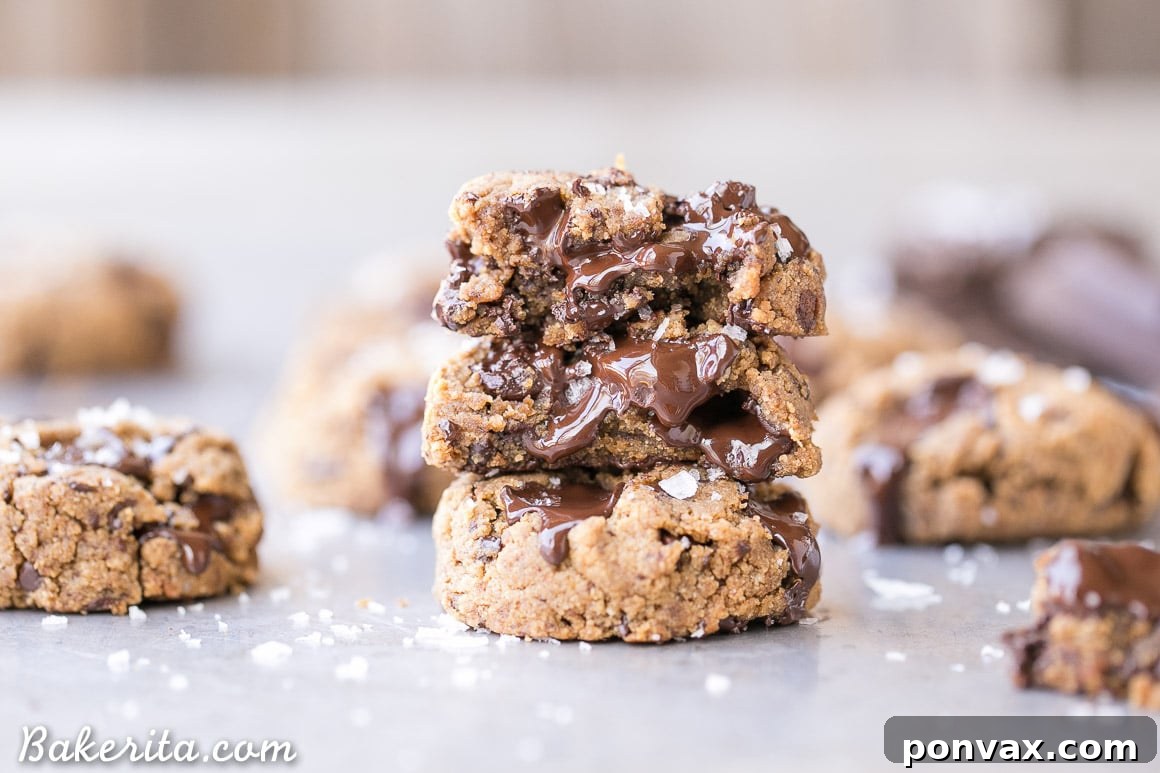
Indulge in the Ultimate Gluten-Free Coconut Flour Chocolate Chip Cookies (Vegan, Paleo, Nut-Free!)
Imagine sinking your teeth into a cookie that’s perfectly gooey, wonderfully thick, and bursting with rich chocolate flavor. Now, imagine it’s also entirely gluten-free, vegan, Paleo-friendly, and completely nut-free. Sound too good to be true? Not with this incredible recipe for Coconut Flour Chocolate Chip Cookies! These delectable treats are not just delicious; they are crafted to accommodate a wide range of dietary preferences and allergies, making them a true crowd-pleaser. Best of all, they come together in a flash, ready to emerge from your oven in just 20 minutes.
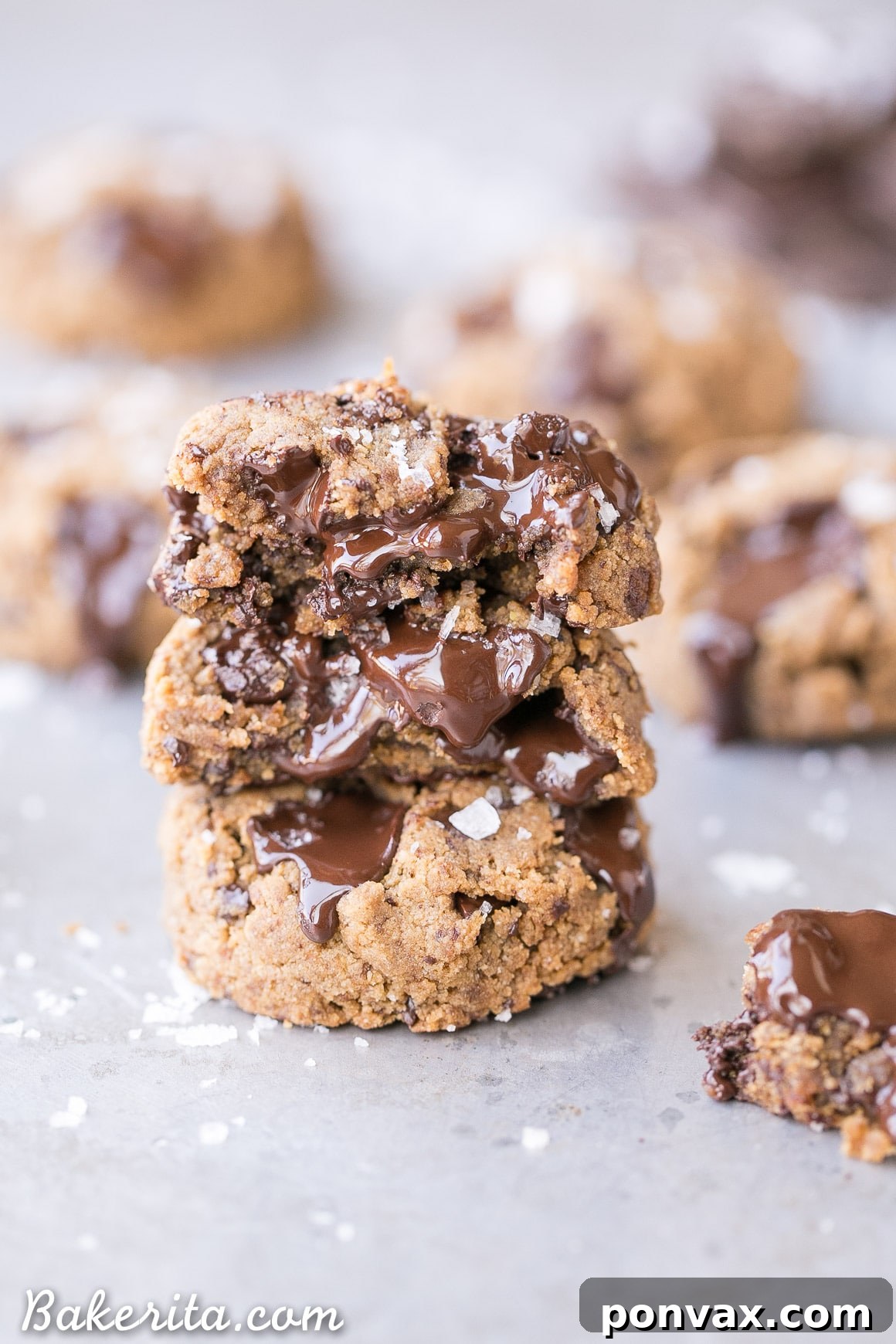
Sometimes, the best recipes simply can’t wait. That’s exactly what happened with these much-anticipated vegan chocolate chip cookies! After a sneak peek on Instagram sparked an overwhelming demand for the recipe, I knew I had to share it immediately. Your enthusiasm for delicious, allergy-friendly baking is clear, and chocolate chip cookies — especially ones as good as these coconut flour wonders — always deserve top priority. So, I shuffled my schedule to bring you this recipe sooner rather than later. Prepare to fall in love!
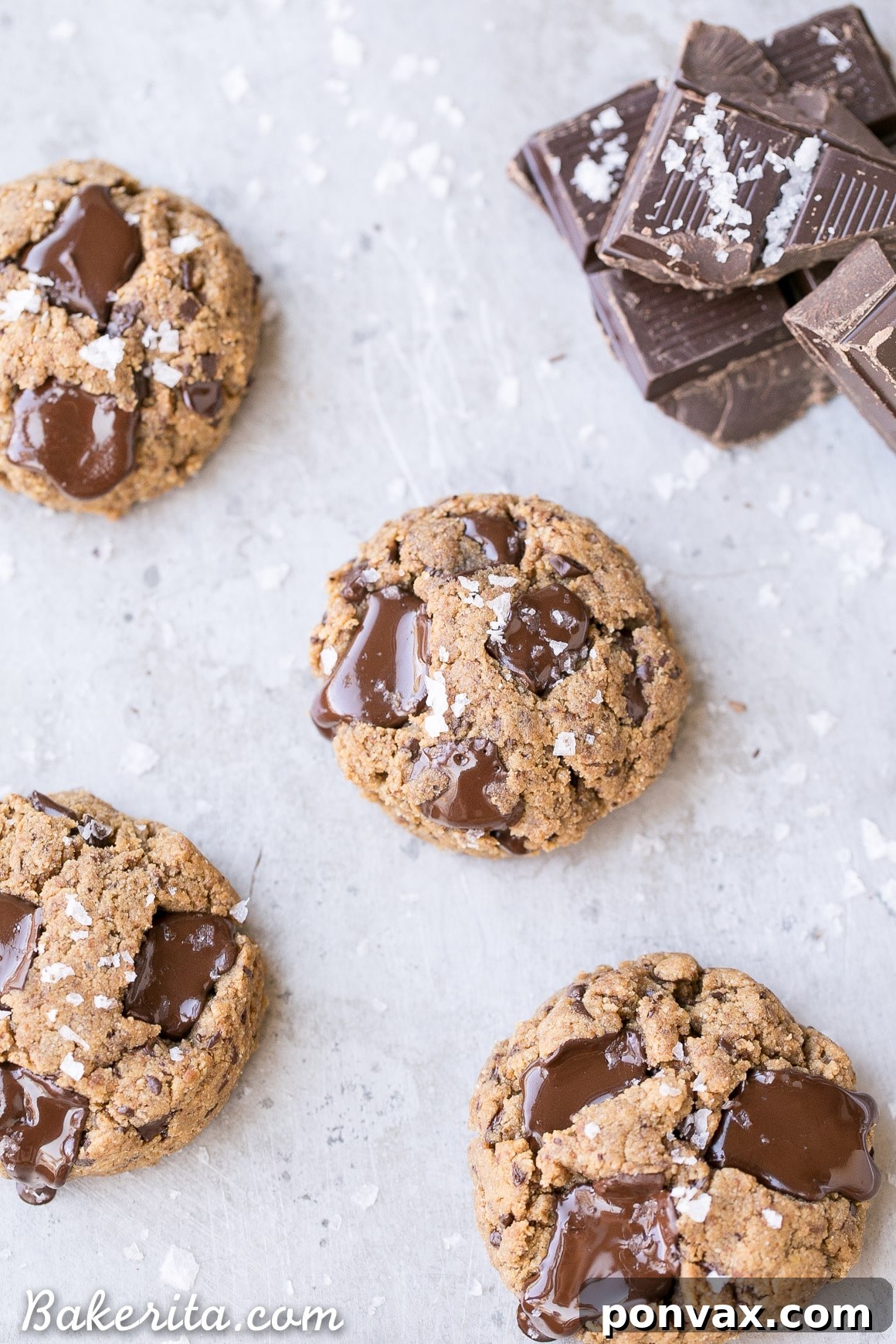
Why These Coconut Flour Chocolate Chip Cookies Are a Game Changer
Creating a truly exceptional chocolate chip cookie that caters to multiple dietary needs is no small feat. I recently re-shared my beloved Paleo chocolate chip cookie recipe, and the outpouring of love for it was immense. Those cookies, like these, are wonderfully sweetened with coconut sugar, a staple in my collection of refined sugar-free cookie recipes. However, that particular recipe calls for a substantial amount of almond flour, which can become quite costly if you’re not buying in bulk. My sister, for instance, adored the cookies but lamented the price of a $12 bag of almond flour just to make a batch. This feedback sparked the inspiration for a new mission: to create a similarly delicious cookie using a more accessible and often more affordable alternative – coconut flour.
If you’re looking for another unique spin on the classic, don’t miss these amazing vegan miso chocolate chip cookies!
Coconut Flour vs. Almond Flour: A Detailed Look
Is coconut flour or almond flour better for cookies? The answer isn’t about one being inherently “better,” but rather about suitability for specific recipes and dietary goals. Both flours are excellent gluten-free options, but they possess vastly different properties, meaning they are generally not interchangeable without significant recipe adjustments. Coconut flour stands out for its incredible absorbency, which allows a much smaller quantity to be used compared to almond flour. This characteristic not only makes it a more economical choice but also a fantastic option for those seeking nut-free alternatives. Given its unique nature, successful baking with coconut flour requires recipes specifically developed to harness its power, and this cookie recipe does just that.
With my sister’s feedback in mind, a recipe for coconut flour chocolate chip cookies quickly moved to the top of my list. My goals were clear: utilize coconut flour, keep the recipe entirely nut-free, and ideally, make them vegan too, thereby maximizing their allergy-friendly appeal. What typically requires extensive testing surprisingly came together almost perfectly on the first attempt. After just a few minor tweaks, the result was a batch of truly outstanding chocolate chip cookies. These aren’t just “good for being” nut-free, Paleo, and vegan; they are simply *good*, period. Even my aunt and uncle, who don’t follow specific dietary restrictions, couldn’t get enough of them, which is the ultimate seal of approval!
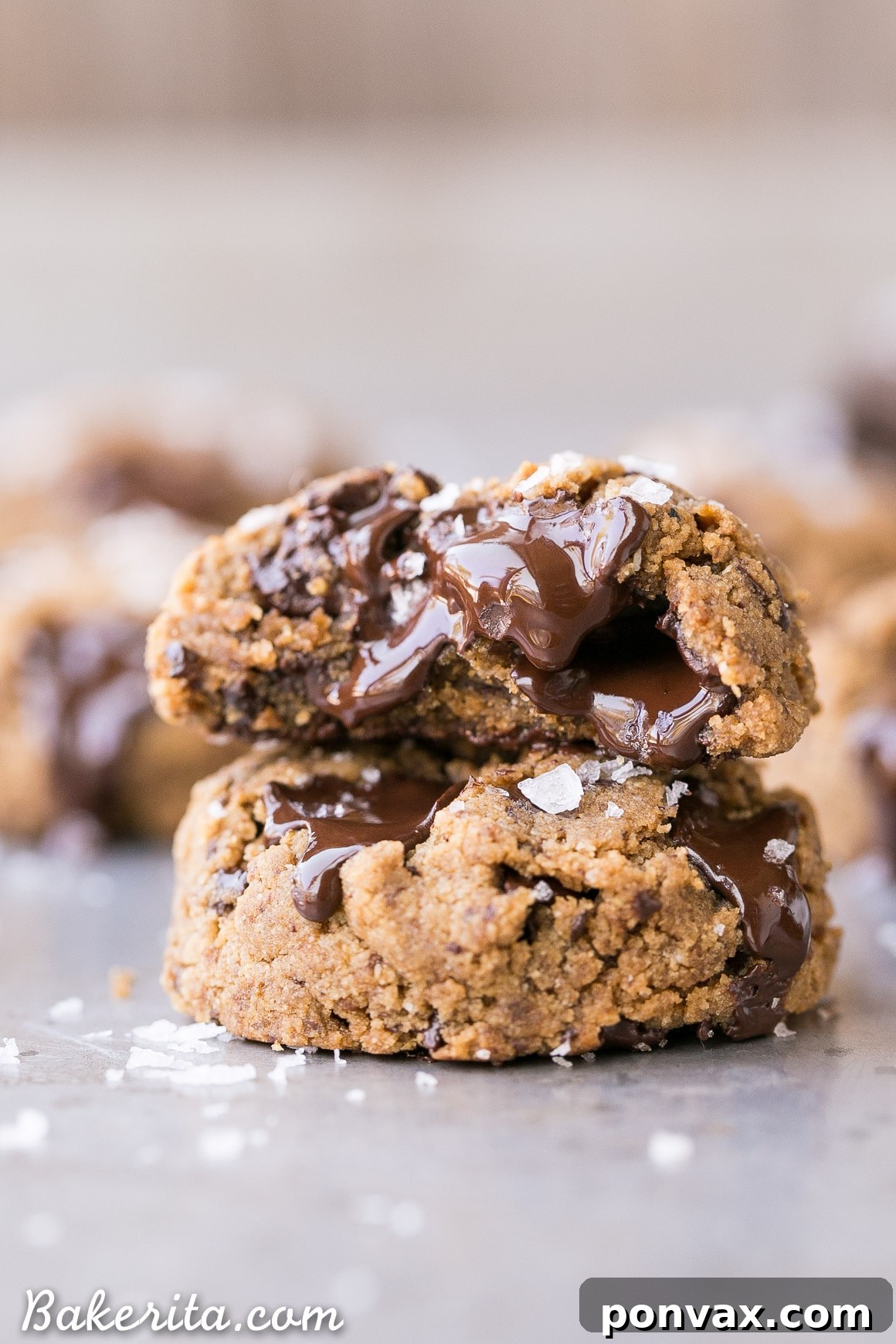
Understanding Coconut Flour: Tips for Baking Success
Is coconut flour a substitute for all-purpose flour? Absolutely not, and understanding why is key to successful gluten-free baking. Coconut flour is exceptionally absorbent – approximately three times more absorbent than traditional all-purpose flour. This unique property means that substituting it directly in recipes designed for other flours will almost certainly lead to dry, crumbly baked goods. Many coconut flour cookie recipes struggle with this issue, but not ours! By carefully balancing the moisture content and utilizing just 1/3 cup of coconut flour in this specific recipe, we achieve a wonderfully rich, chewy, and perfectly textured dough. This precise measurement is what prevents that dreaded crumbly outcome, ensuring every bite is moist and satisfying. Always remember, when working with coconut flour, a little goes a long way!
Choosing Your Seed Butter: Sunflower Seed Butter vs. Tahini
A crucial component of these nut-free chocolate chip cookies is the seed butter. This recipe offers the flexibility of using either sunflower seed butter or tahini, both of which I thoroughly tested to ensure delicious results. Your choice will depend on your preference for flavor and appearance.
- Sunflower Seed Butter: This option tends to have a more neutral, less dominant flavor in the final cookie. However, a common characteristic of baking with sunflower seed butter is its tendency to cause baked goods to develop a greenish hue, especially after cooling. This is a completely harmless chemical reaction between the chlorophyll in the sunflower seeds and baking soda, and it doesn’t impact the taste or texture whatsoever. Some people might find the color off-putting, but rest assured, it’s purely cosmetic.
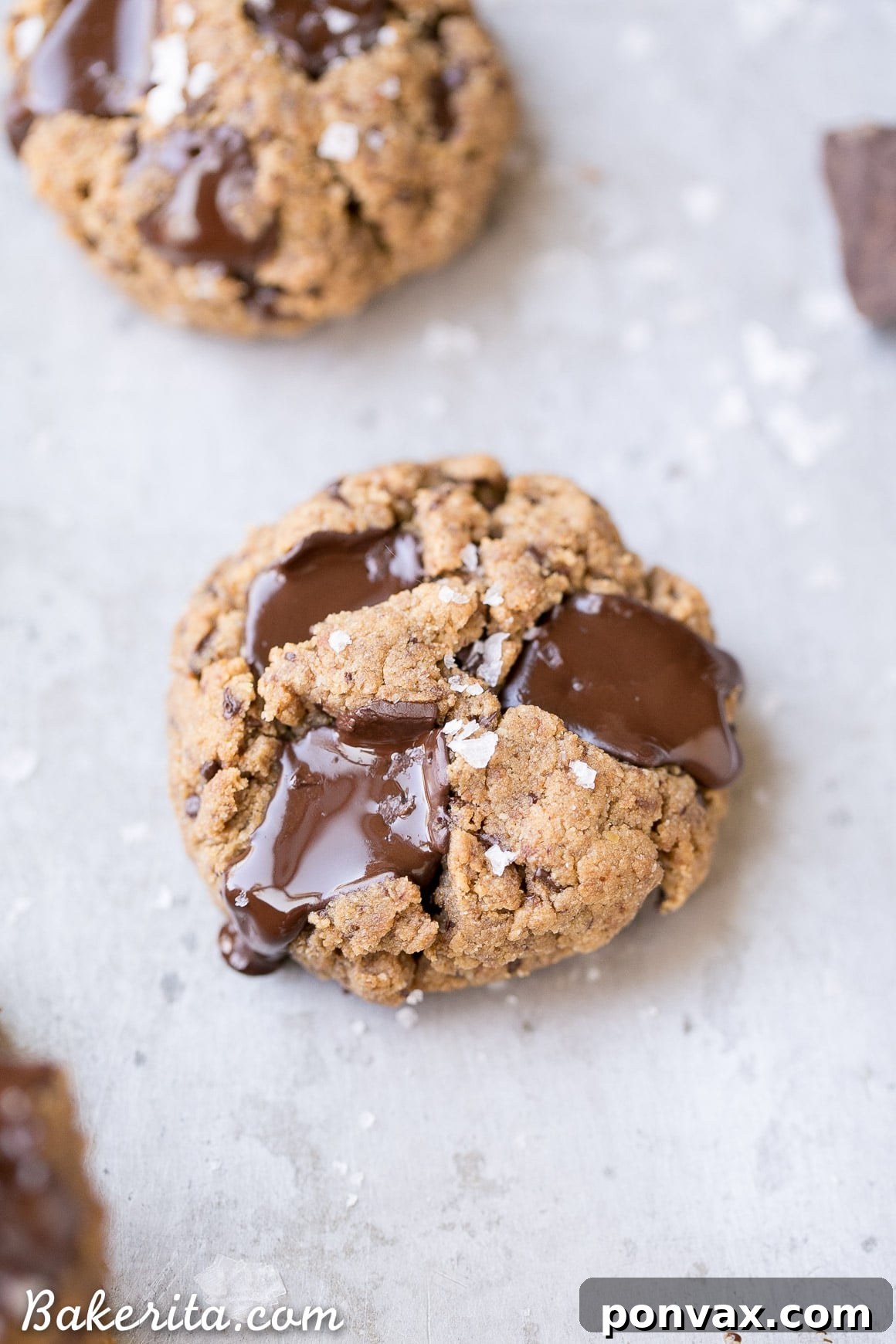
- Tahini: As depicted in the recipe photos, using tahini results in cookies with a subtle, slightly nutty tahini flavor. I personally enjoy this hint of unique nuttiness, which adds depth without being overpowering. Interestingly, none of my taste testers even commented on the tahini flavor, suggesting it blends beautifully into the overall profile. When choosing tahini, I recommend tasting it beforehand. Some brands can be more bitter than others, and that bitterness will translate to your cookies, so opt for a brand you already enjoy plain.
If you’re not sensitive to nuts or aren’t baking for someone with a nut allergy, feel free to use your favorite nut butter, such as almond butter or cashew butter, for a different flavor profile.
Batch Size and Effortless Preparation
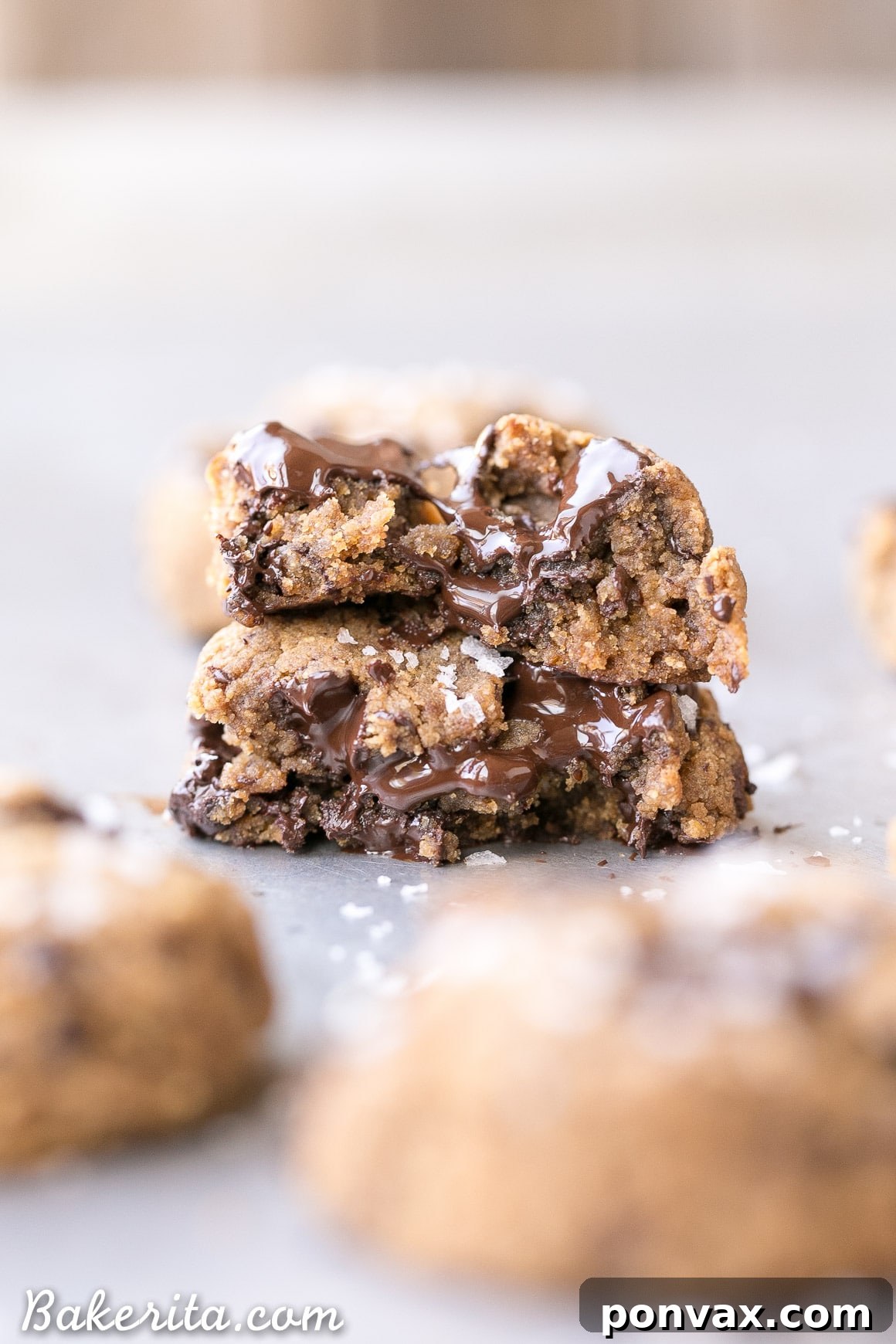
This coconut flour chocolate chip cookie recipe is designed for a perfect small batch, yielding approximately 10 to 12 cookies, depending on the size you scoop them. This modest yield is ideal for personal indulgence, small gatherings, or simply when you want freshly baked cookies without being left with an overwhelming amount. However, if you’re baking for a larger crowd or simply want more of these irresistible treats, the recipe can be easily doubled or even tripled without issue. For someone living alone, a small batch is perfect for enjoying a few fresh cookies without the temptation of having too many around!
Beyond their incredible taste and dietary benefits, these Gluten-Free Coconut Flour Chocolate Chip Cookies are remarkably easy to prepare. Whether you prefer the convenience of a stand mixer for a truly hands-off approach or a simple bowl and whisk for a quick mix, the dough comes together in under 5 minutes. This makes them an excellent choice for a last-minute craving or a quick dessert when time is of the essence. Effortless preparation combined with phenomenal results? That’s always a win in my cookbook!
Freezing and Storing Your Coconut Flour Cookies
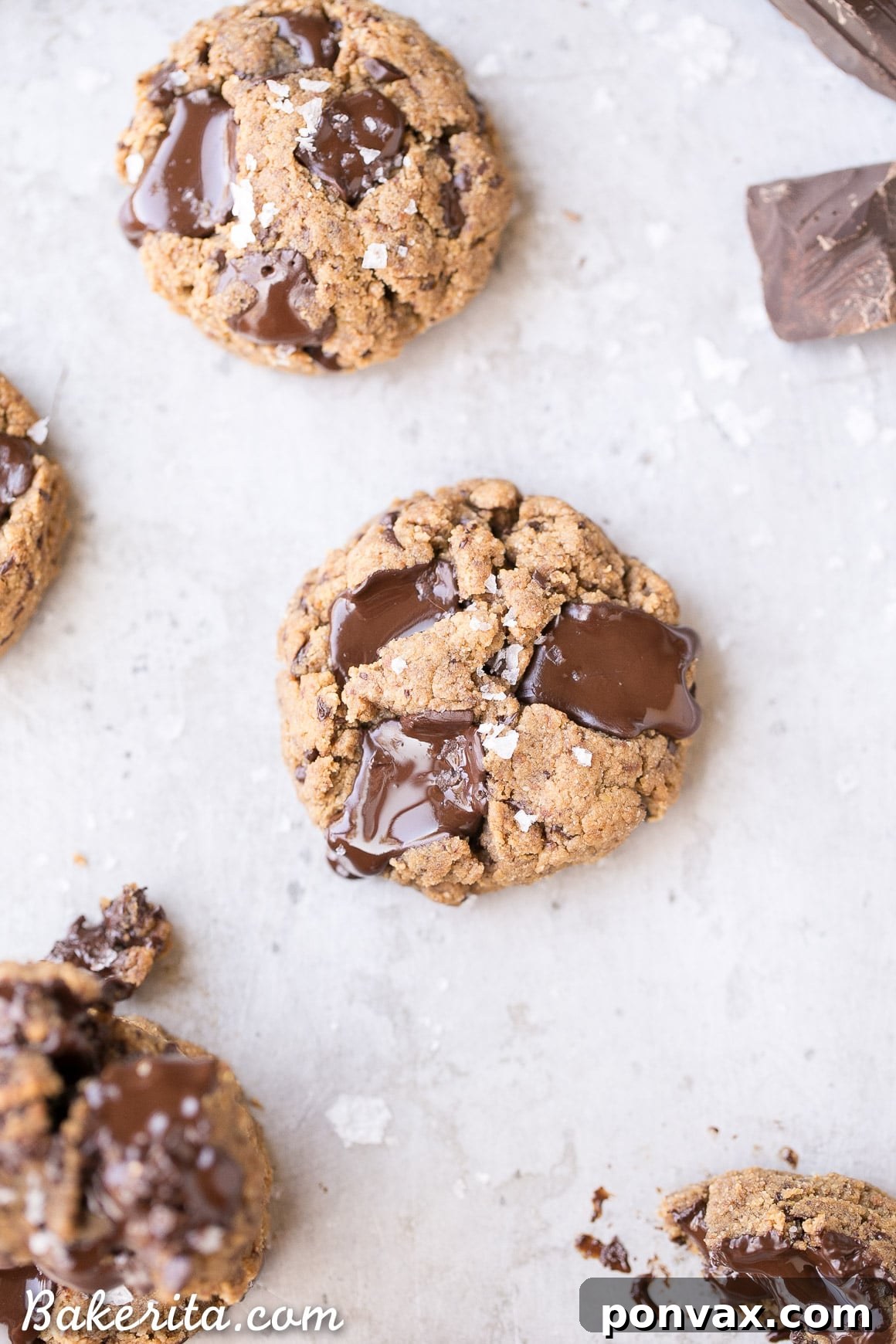
One of the best features of these versatile cookies is their freezer-friendly nature. You can easily freeze both the raw cookie dough and the baked cookies, ensuring you always have a stash of these delightful treats on hand for future cravings or unexpected guests. This is a fantastic way to enjoy fresh-baked goodness whenever the mood strikes, with minimal effort.
- To Freeze Cookie Dough: Simply scoop the dough into individual cookie balls, just as you would for baking. Place these dough balls on a baking sheet lined with parchment paper and freeze until they are firm. Once solid, transfer the frozen cookie dough balls to a freezer-safe zip bag or airtight container for long-term storage. When ready to bake, you can often bake them directly from frozen, adding a few extra minutes to the baking time.
- To Freeze Baked Cookies: Allow the baked cookies to cool completely on a wire rack. Once fully cooled, transfer them to a freezer-safe airtight container, separating layers with parchment paper to prevent sticking. They will keep well for several weeks. Thaw at room temperature or gently warm in the oven for a “freshly baked” experience.
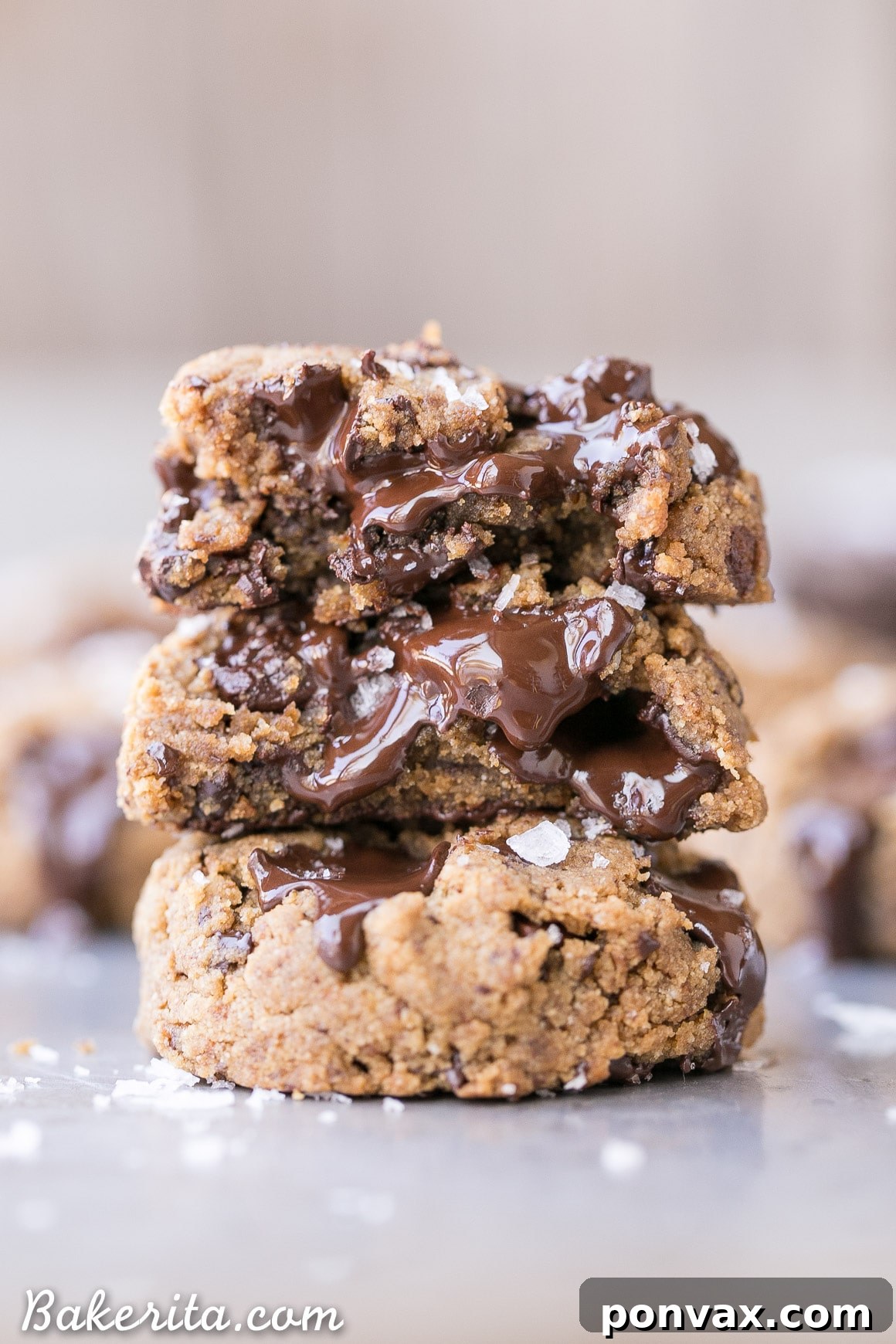
I am confident that you and everyone you share these cookies with will absolutely adore them, regardless of their dietary needs. Their incredible taste and perfect texture truly transcend any specific dietary label. Enjoy every single gooey, chewy bite!
Explore More Delicious Allergy-Friendly Cookie Recipes
If you’ve loved these coconut flour chocolate chip cookies and are eager to expand your repertoire of delicious, diet-friendly treats, explore some of my other favorite cookie recipes:
- Paleo Chocolate Chip Cookies
- Gluten-Free Peanut Butter Cup Cookies
- Vegan Miso Chocolate Chip Cookies
- Gluten-Free Peppermint Chocolate Chip Cookies
- Double Chocolate Hazelnut Cookies
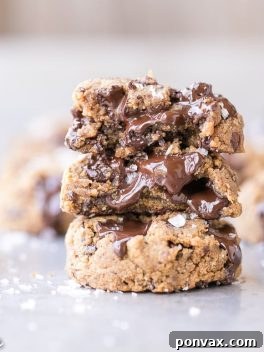
Gluten-Free Coconut Flour Chocolate Chip Cookies (Vegan + Nut-Free)
Pin Recipe
10 minutes
10 minutes
20 minutes
10
cookies
Ingredients
- ¼ cup virgin coconut oil, solid and slightly softened, similar to softened butter
- ⅓ cup sunflower seed butter or tahini, see Notes
- ⅔ cup coconut sugar
- 2 flax eggs, 2 tablespoons flax meal + 5 tablespoons water – whisk them together and let sit for 5 minutes to gel – see Notes for info about using real eggs
- 1 teaspoon vanilla extract
- ½ teaspoon baking soda, use ¼ teaspoon if using sunflower seed butter – helps prevent the cookies from turning green when they cool!
- ½ teaspoon salt
- ⅓ cup 43g coconut flour
- ⅔ cup 4 oz. chopped dark chocolate
- Flaky sea salt, to sprinkle on top, optional
Instructions
-
Preheat the oven to 350ºF (175ºC) and line a cookie sheet with parchment paper. This prevents sticking and ensures even baking.
-
In a large mixing bowl or the bowl of a stand mixer fitted with the paddle attachment, beat together the solid, slightly softened virgin coconut oil, sunflower seed butter or tahini, and coconut sugar. Mix until the mixture is smooth and well combined. Then, add the prepared flax eggs and vanilla extract, mixing again until everything is thoroughly incorporated and smooth.
-
To the wet ingredients, add the baking soda, salt, and coconut flour. Mix on low speed until the dry ingredients are just combined with the wet, being careful not to overmix. Gently fold in the chopped dark chocolate chunks until they are evenly distributed throughout the cookie dough.
-
Using a 1.5-tablespoon cookie scoop or by hand, form the dough into uniform balls and place them about 2 inches apart on the prepared baking sheet. If desired, sprinkle a pinch of flaky sea salt on top of each cookie for an enhanced flavor contrast. Bake for 10 minutes, or until the edges are just beginning to turn a light golden brown. The centers may still appear soft, which is perfect for gooey cookies.
-
Allow the cookies to cool on the baking sheet for at least 5 minutes before carefully transferring them to a wire cooling rack to cool completely. This cooling time on the hot sheet helps them firm up and prevents them from breaking. Enjoy your warm, fresh-baked cookies!
Notes
- Seed Butter Choices: For those not avoiding nuts, feel free to use your preferred nut butter (e.g., peanut butter, almond butter). For a nut-free option, sunflower seed butter offers a milder flavor but can cause a harmless green tint in baked goods due to a reaction with baking soda. Tahini (as pictured) provides a subtle, pleasant nutty flavor. Always taste your tahini before use, as bitterness varies by brand, which will affect the cookie’s final taste.
- Egg Substitution: If you don’t require flax eggs, substitute them with 1 large egg plus 1 egg yolk for a similar binding and richness.
- Baking Soda Adjustment: If using sunflower seed butter, reduce the baking soda to ¼ teaspoon to help minimize the green discoloration when the cookies cool.
- Coconut Oil Consistency: Ensure your virgin coconut oil is solid but softened, similar to room-temperature butter, for proper mixing and cookie texture.
- Chocolate Quality: Using high-quality chopped dark chocolate or chocolate chips will significantly enhance the flavor and gooey texture of your cookies.
Did you make this recipe?Please consider leaving a star rating and review!