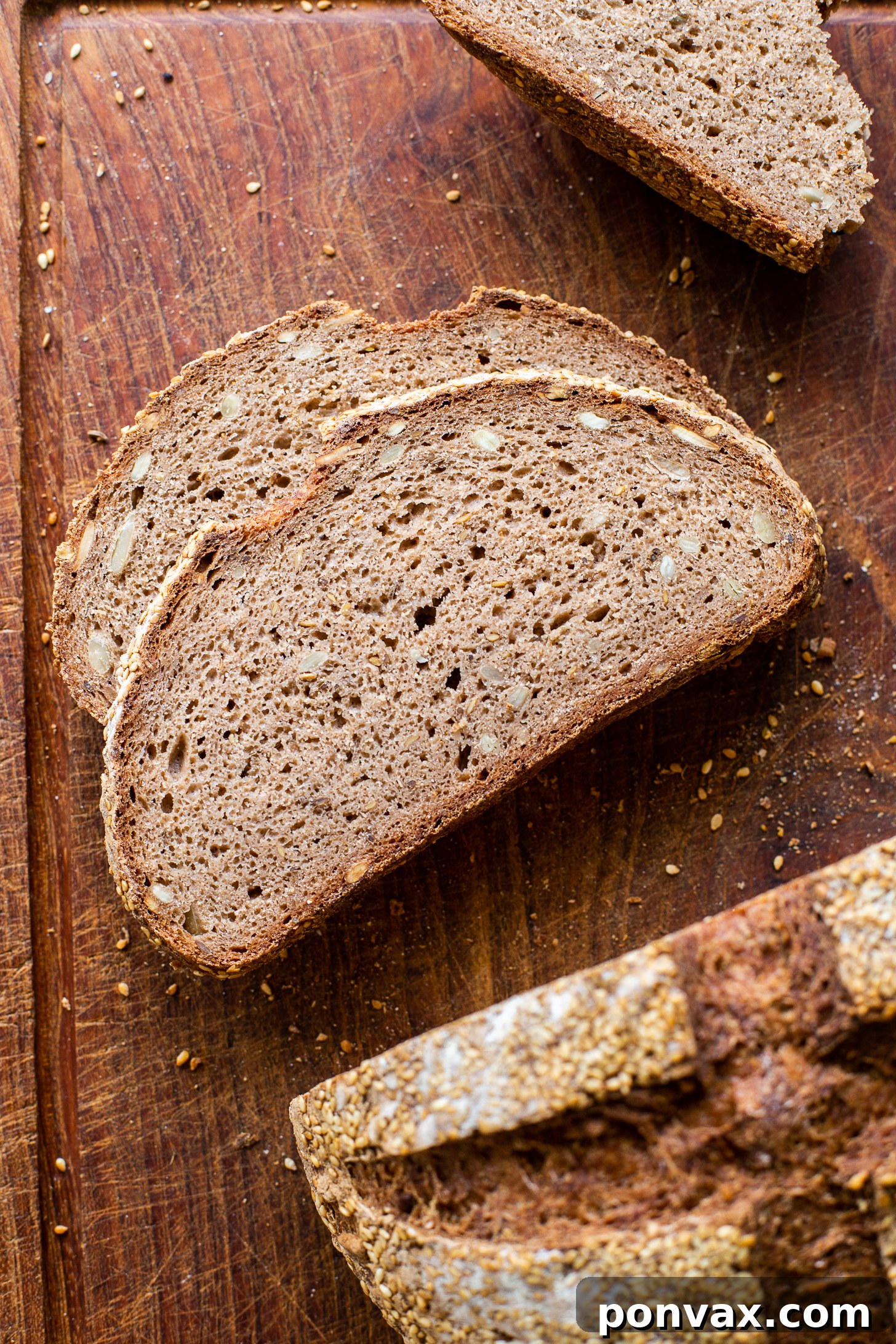
Welcome, fellow bread enthusiasts! If you’ve been yearning for the distinctive taste and hearty texture of rye bread but navigate a gluten-free lifestyle, your search ends here. We understand the deep connection many have to this classic loaf, and the challenge of recreating its iconic profile without gluten-containing grains. That’s why we dedicated ourselves to perfecting this Gluten-Free Rye Bread recipe – a truly special creation designed to bring those beloved flavors and textures back to your table.
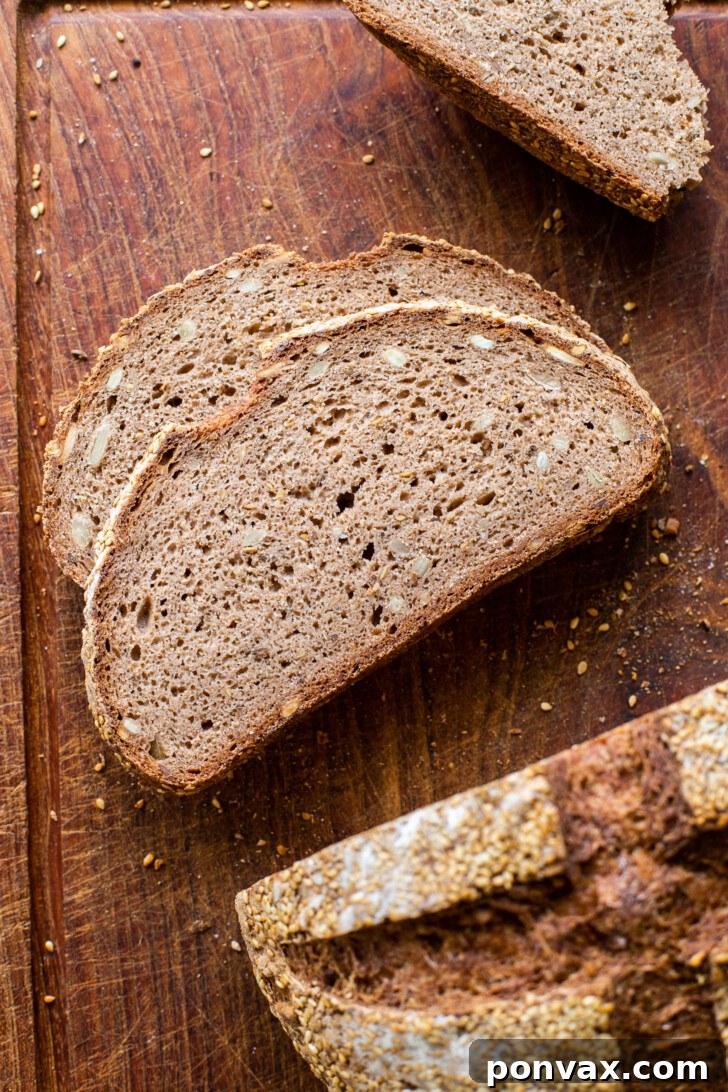
The journey to developing a truly satisfying gluten-free rye bread began with a heartfelt request from my dad, echoing a sentiment shared by many in our gluten-free community. After years of enjoying homemade gluten-free sourdough bread, he longed for the specific taste of rye, a bread that, by its very nature, contains gluten. I knew this wouldn’t be a simple substitution; it would require a thoughtful re-engineering of flavor and texture, a culinary quest to capture the essence of rye without a single trace of the problematic protein.
This wasn’t just any recipe for me; it was a matter of family legacy. My great-grandparents once owned a renowned bakery in New York, celebrated for its legendary rye bread. Their bread was a staple, a point of pride, and its memory lived on through stories and cherished traditions. To truly “nail” this gluten-free version, I knew it needed to earn the approval of my grandpa, who grew up savoring those authentic loaves. After countless experiments and refinements over two dedicated years, this recipe has finally received not just one, but two enthusiastic thumbs-up from him. Now, both my dad and grandpa are requesting fresh loaves of this gluten-free rye weekly, a testament to its success! If you, like my family, have been missing the distinctive character of rye bread, I am confident this recipe will satisfy all your cravings.
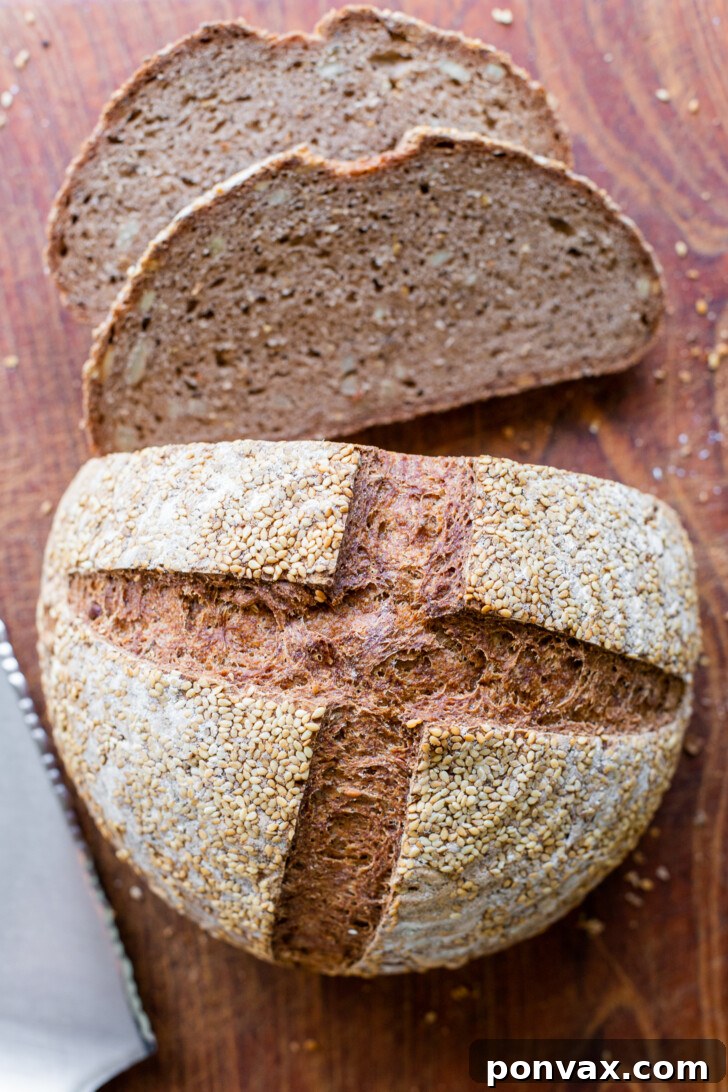
Unlocking the Authentic Rye Experience: The Key Ingredients
The magic of this recipe lies in its ability to replicate the signature characteristics of traditional rye bread – not just its rich, deep brown color, but also its complex flavor profile and unique texture. Achieving this without actual rye flour required a careful selection of ingredients that work in harmony. Here’s a closer look at the stars of this gluten-free show:
- Date Syrup: This natural sweetener plays a dual role in our gluten-free rye. Beyond providing a subtle, nuanced sweetness, its inherent caramel notes contribute significantly to the bread’s desired darker hue. While maple syrup or cane sugar can be used as alternatives, date syrup enhances the overall complexity, adding a depth of flavor that complements the other ingredients beautifully. Its viscosity also aids in the dough’s texture, ensuring a moist and tender crumb.
- Cocoa Powder: To mimic the slightly bitter, earthy undertones often found in traditional rye bread, a touch of cocoa powder is essential. It not only deepens the bread’s color to that characteristic rich brown but also adds a layer of sophisticated bitterness that rounds out the flavor profile. For those seeking an even more dramatic appearance, similar to a “black rye,” black cocoa powder works wonderfully, creating an intensely dark loaf with a comparable flavor impact. This ingredient is crucial for that authentic “rye” depth.
- Caraway Seeds: There’s simply no substitute for caraway seeds when crafting a truly authentic rye experience. These aromatic seeds are the undisputed hallmark of rye bread, imparting a distinctive peppery, slightly anise-like flavor that is instantly recognizable. Skipping them would mean missing the very essence of rye, regardless of whether the bread contains gluten or not. Their inclusion is non-negotiable for that classic, beloved taste.
- Buckwheat Flour: This is our gluten-free hero for replicating rye’s earthy, nutty essence. Despite its name, buckwheat is not related to wheat and is naturally gluten-free. Its robust, slightly savory flavor and hearty texture make it an excellent stand-in for rye flour. While my versatile gluten-free bread flour blend also yields fantastic results, incorporating buckwheat flour (when available) has consistently produced one of the most authentic rye-like iterations of this bread. It contributes to both the flavor and the characteristic dense yet tender crumb structure that rye bread is known for.
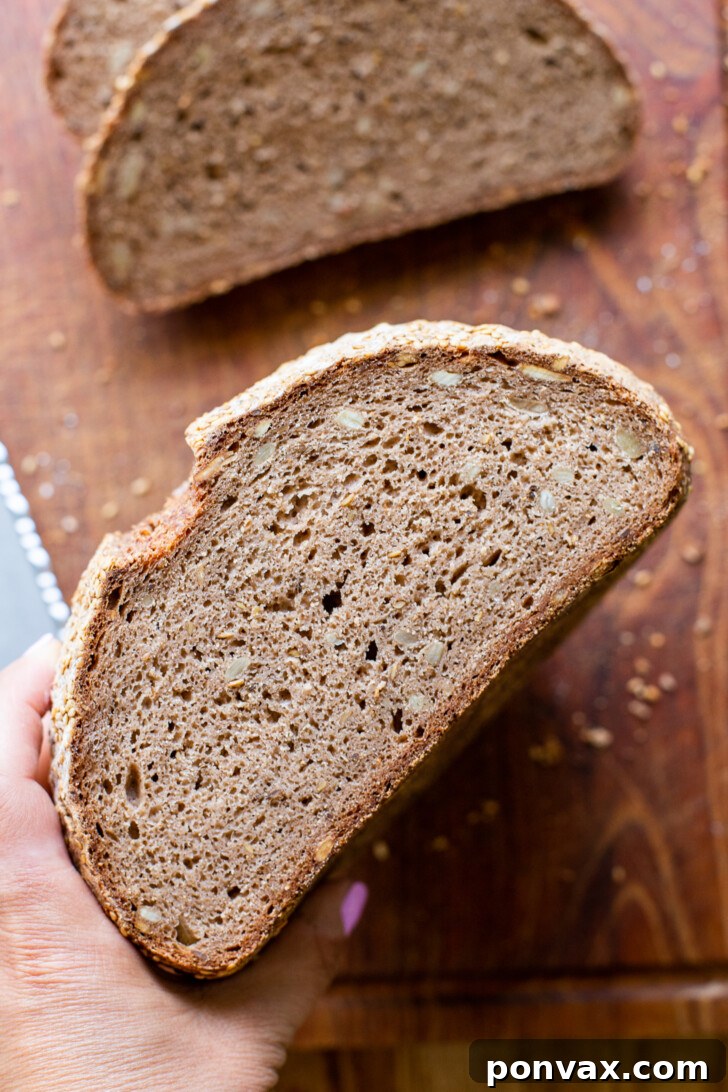
Crafting Your Gluten-Free Rye Bread: A Step-by-Step Guide
Baking this gluten-free rye-style bread is a rewarding process, yielding a loaf that will impress even the most discerning rye connoisseurs. Follow these clear steps to achieve a perfectly textured and flavored bread:
1. Prepare the Psyllium Gel: In a medium bowl or liquid measuring cup, combine the psyllium husk, your chosen sweetener (date syrup, maple syrup, cane sugar, or honey), and hot water. Whisk thoroughly until the psyllium is fully incorporated and there are no lumps. Set this mixture aside for a few minutes. During this brief resting period, the psyllium husk will absorb the liquid and transform into a thick, gel-like consistency. This gel is vital for gluten-free baking, acting as a binder and providing elasticity that gluten-free flours naturally lack.
2. Combine the Dry Ingredients: While the psyllium gel is setting, take a large mixing bowl or the bowl of a stand mixer. Add all the dry ingredients: your gluten-free bread flour blend (or the recommended individual flours: potato starch, tapioca starch, buckwheat flour, sorghum flour), sunflower seeds, sea salt, flax seeds, instant yeast, cacao powder, and caraway seeds. Whisk these ingredients together meticulously to ensure an even distribution of all components, especially the yeast and spices. Proper mixing here prevents pockets of unmixed flour or uneven rising.
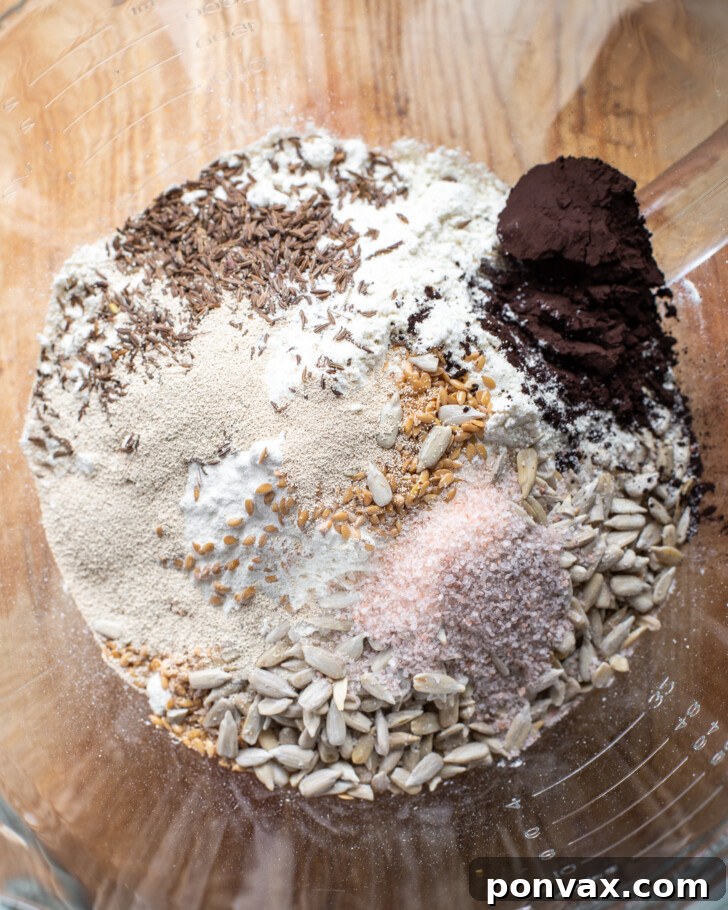

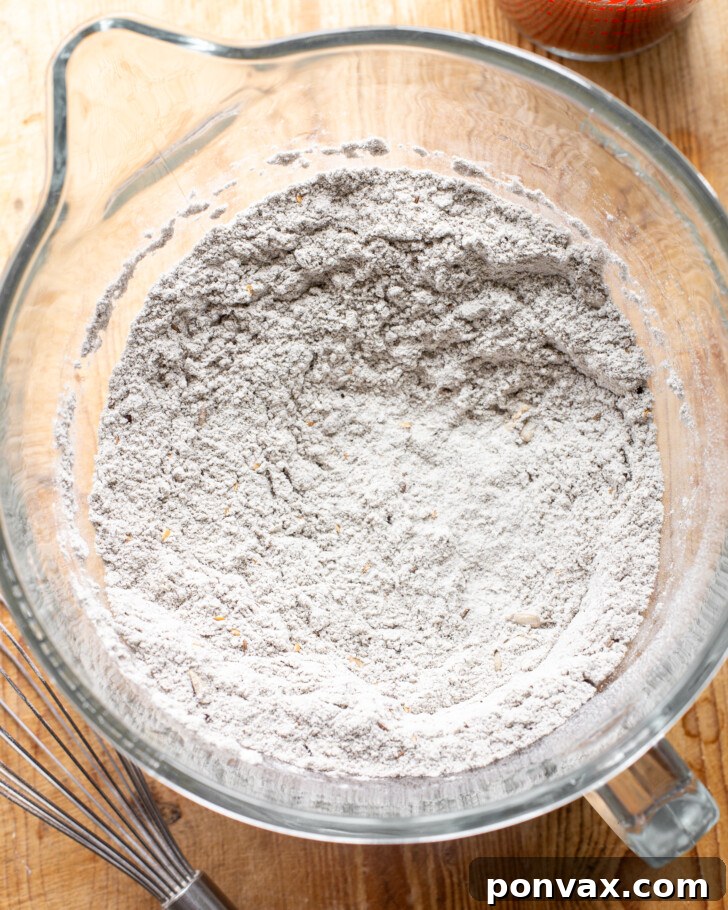
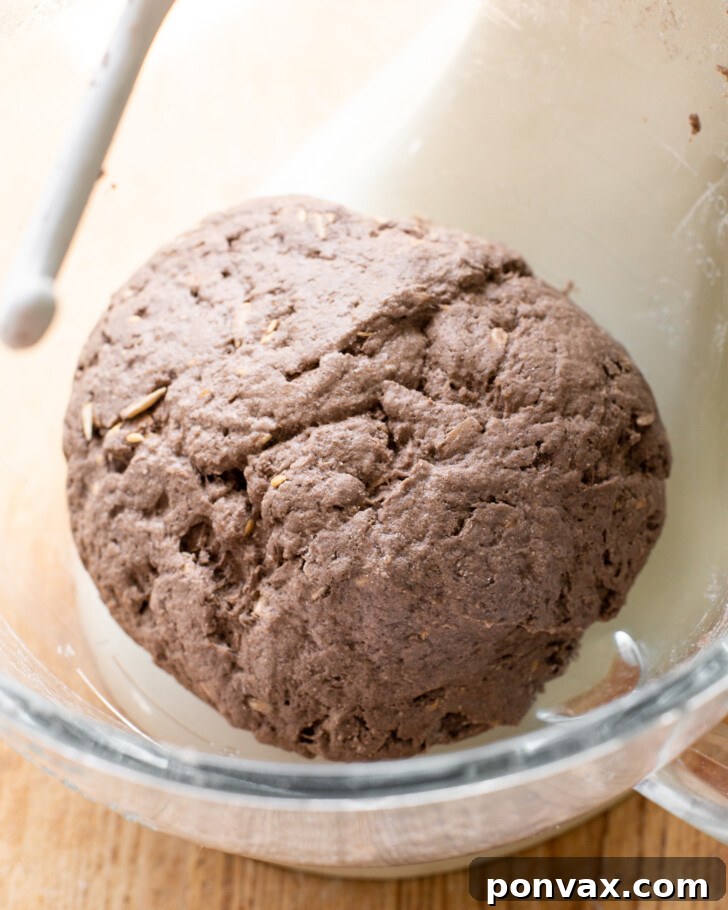
3. Incorporate Wet into Dry Ingredients: Pour the thickened psyllium gel into the bowl with your dry ingredients. If using a stand mixer, attach the dough hook and mix on a medium speed until a cohesive, smooth dough forms. You may need to stop occasionally to scrape down the sides of the bowl and ensure all dry pockets are thoroughly hydrated. If mixing by hand, start with a Danish dough whisk to combine the ingredients, then turn the mixture out onto a lightly floured countertop. Knead by hand until the dough is uniformly smooth and pliable. Gluten-free dough can be a bit stickier than traditional wheat dough, so don’t be alarmed by its slightly different texture.
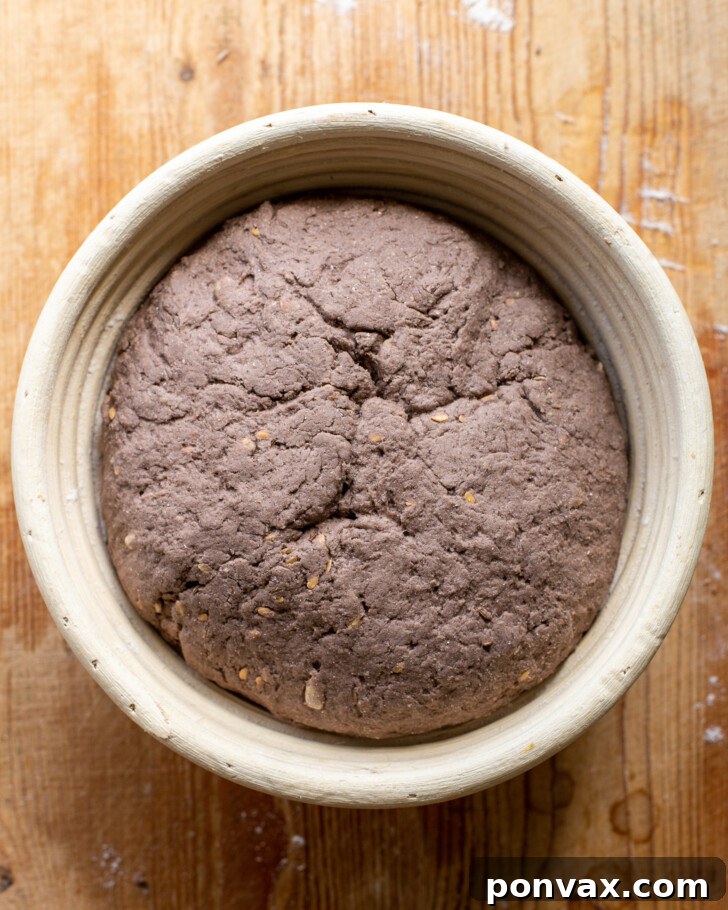
4. Shape and Prepare for Rising: Gently knead the dough just enough to shape it into a neat round (boule). If you desire a garnish, sprinkle sesame seeds or other seeds over the surface and lightly press them into the dough. Carefully transfer the shaped dough, seam-side up, into a generously floured banneton basket or a cloth-lined bowl. A banneton helps the bread maintain its shape during rising and creates a beautiful pattern on the crust.
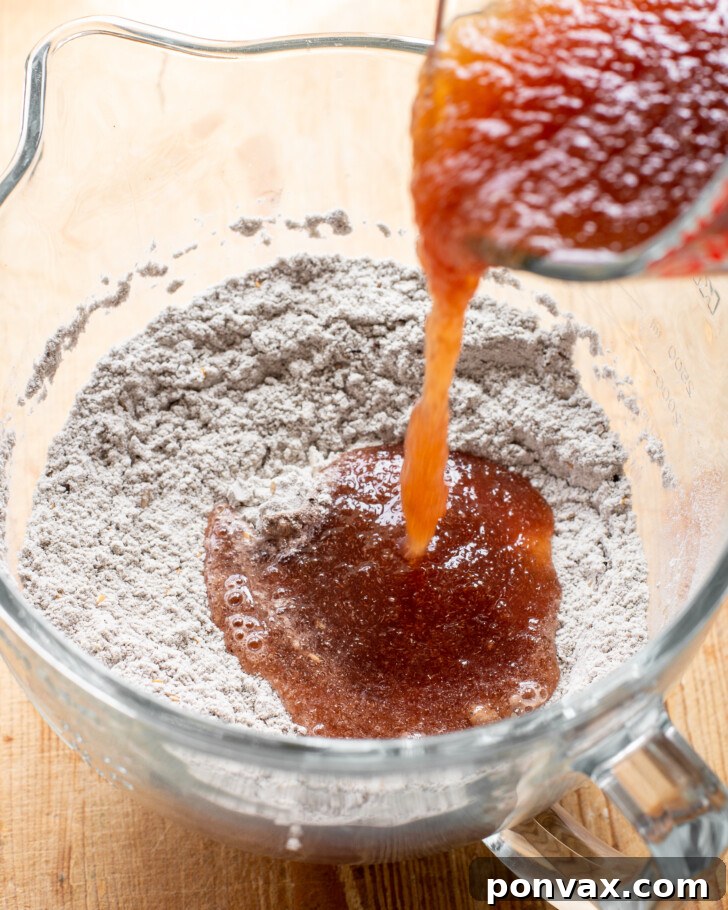
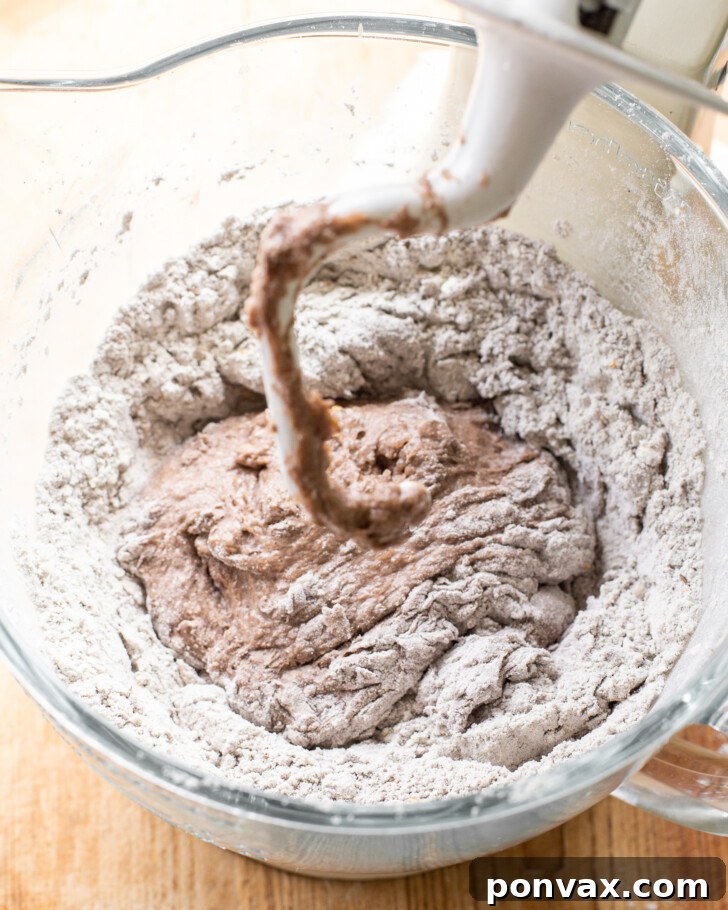
5. Allow to Rise: Cover the banneton or bowl with a clean tea towel and place it in a warm, draft-free spot for approximately one hour. The dough should visibly expand, becoming puffy and light to the touch. During this time, preheat your oven to 425°F (218°C) with a Dutch oven inside, if you plan to use one. Preheating the Dutch oven is crucial for creating a crisp crust and optimal oven spring.
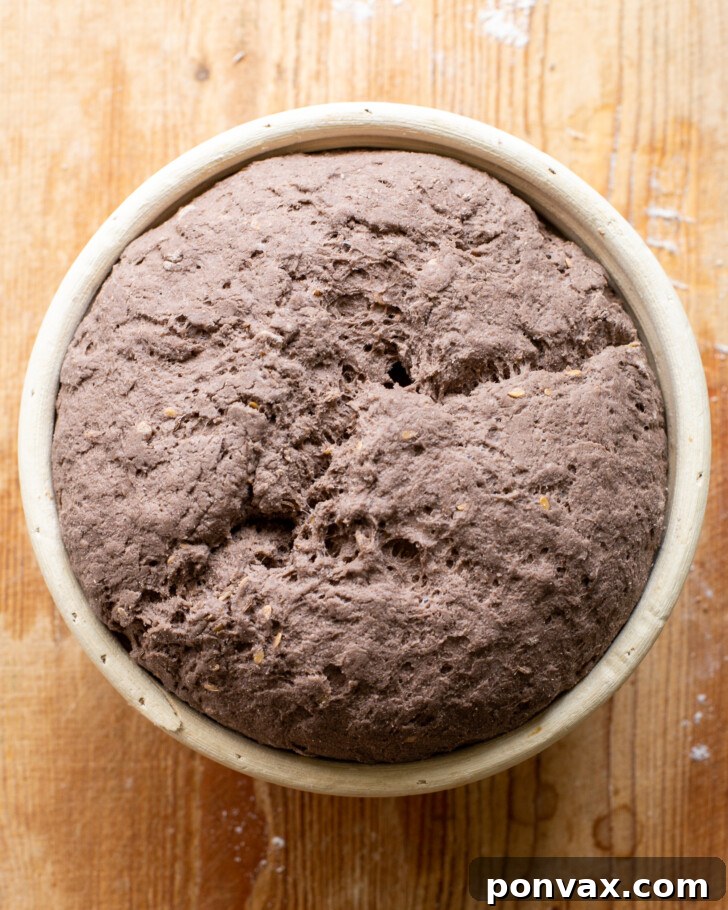
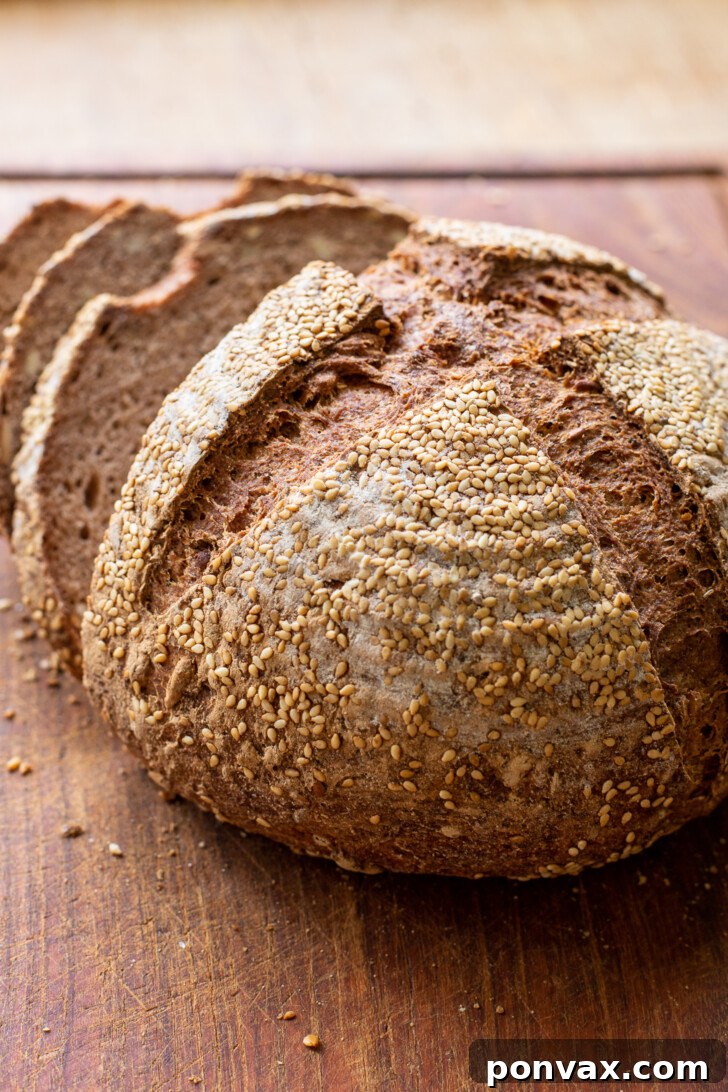
6. Bake to Perfection: Once the dough has risen, carefully score the top with a sharp blade or lame. This allows the bread to expand predictably during baking and creates a beautiful design. If using a Dutch oven, gently invert the dough onto a piece of parchment paper or a silicone bread sling, then carefully lower it into the preheated Dutch oven. Bake with the lid on for 1 hour, allowing the steam to create a wonderful crust. Then, remove the lid and continue baking for another 20-ish minutes, or until the loaf is deeply golden brown and sounds hollow when tapped on the bottom. For bread baked in a loaf pan, refer to the detailed instructions below.
7. Crucial Cooling Step: This step is arguably the most important for achieving the perfect crumb. Once baked, immediately remove the loaf from its baking vessel and place it on a wire cooling rack. Allow the bread to cool completely – ideally overnight, or for a minimum of four to five hours – before slicing. Cutting into a warm gluten-free loaf will release steam too quickly, resulting in a gummy, dense texture. Patience is key here; a fully cooled loaf will have the best internal structure and flavor. Once cooled, slice and enjoy your homemade Gluten-Free Rye Bread!
Baking Your Gluten-Free Rye Bread in a Loaf Pan
While a Dutch oven yields a beautifully rustic round loaf with an excellent crust, baking this bread in a traditional loaf pan is an equally fantastic and often more practical option, especially when you envision perfect slices for sandwiches or toast. The good news is, this recipe adapts wonderfully to a loaf pan, offering a different but equally delicious result.
For best results, I highly recommend using an 8.5″ x 4.5″ metal bread pan. Metal pans are superior for bread baking because they conduct heat more efficiently and evenly, ensuring your loaf bakes through properly and develops a good bottom crust. Avoid glass or ceramic loaf pans, as they can sometimes lead to uneven baking and a less desirable crust in gluten-free recipes.
To bake your gluten-free rye bread in a loaf pan, follow the same initial instructions for preparing the psyllium gel and mixing the dry ingredients, and then combining them to form the dough. The deviation occurs when it’s time to shape the dough. Instead of forming a round boule for a banneton, gently shape the dough into a longer, oval or rectangular shape that fits snugly into your chosen metal loaf pan. Place the dough seam-side down into the prepared pan. This ensures a smooth top surface for your finished loaf.
Cover the loaf pan with a clean tea towel or a piece of plastic wrap, and allow the dough to rise in a warm spot for about one hour, or until it looks visibly puffy and has nearly doubled in size. During the last 20-30 minutes of this rise, preheat your oven to 425°F (218°C). When ready to bake, place the loaf pan directly into the preheated oven. Bake for approximately 1 hour. After this initial hour, carefully check on your loaf. If it appears firm and golden brown on top, you can carefully remove it from the loaf pan and place it directly on the oven racks to continue baking for another 20 minutes. This extra time baking out of the pan helps the sides and bottom of the loaf develop a crispier crust and ensures it is fully baked through. The bread should sound hollow when tapped on the sides or bottom, indicating it’s done.
One notable difference with loaf pan baking, compared to a Dutch oven, is the lack of internal steam, which often results in a slightly crustier exterior. If you prefer a softer crust, there are a couple of tricks you can employ: lightly brush the top of the dough with a neutral-flavored oil (like olive or avocado oil) both before and after baking. Additionally, once the baked loaf is removed from the oven and is still warm, you can wrap it in a clean tea towel as it cools. The bread’s own residual steam will be trapped by the towel, helping to soften the crust considerably. Regardless of the method, always remember the crucial cooling step for the best internal texture.
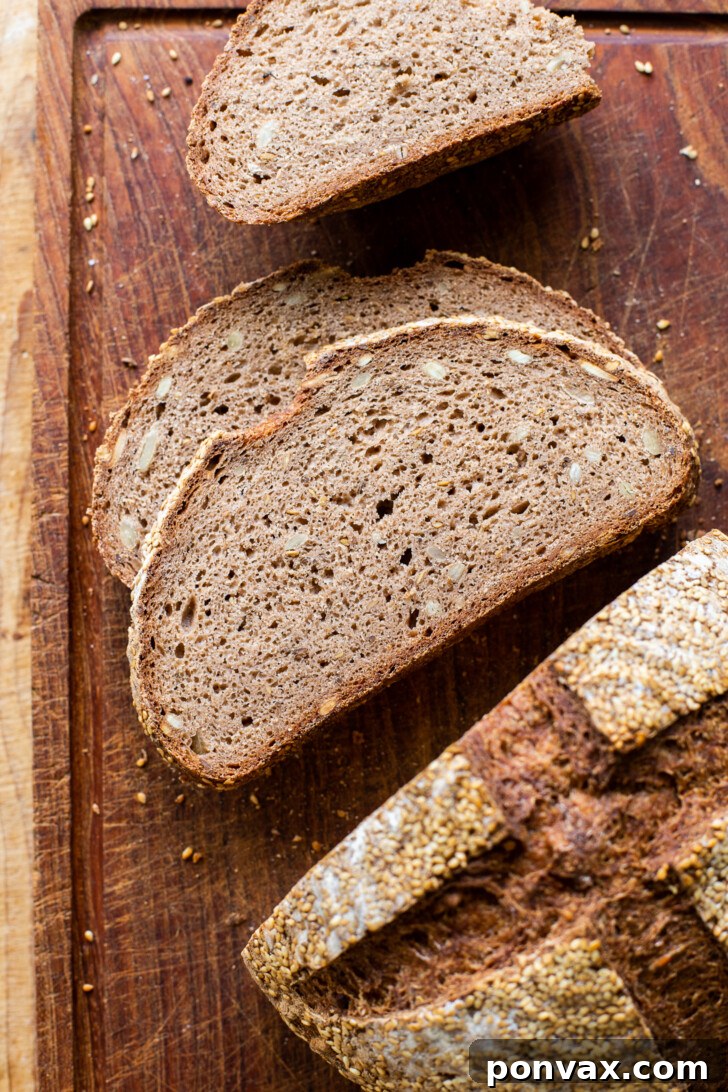
Storing and Enjoying Your Gluten-Free Rye Bread
Proper storage is key to maximizing the freshness and enjoyment of your homemade Gluten-Free Rye Bread. Like most homemade breads, it’s at its absolute best when fresh from the oven, but with a few simple techniques, you can savor its deliciousness for days.
For immediate consumption within 2 to 3 days, store the loaf in a breathable bread bag or a dedicated bread box at room temperature. This method is ideal if you plan to enjoy the bread untoasted, perhaps for classic sandwiches or open-faced bites, where a soft, fresh crumb is desired. Keeping it sealed will prevent it from drying out too quickly, while a breathable container helps avoid excessive moisture and mold growth.
If you’ve baked a larger loaf or want to extend its life, slicing the bread and storing it is an excellent strategy. Place individual slices in an airtight plastic bag or container and keep them in the refrigerator for up to a week. For longer storage, the freezer is your best friend. Sliced portions can be kept in a freezer-safe bag or container for up to two months. Freezing in slices is particularly convenient, as you can simply grab a piece or two as needed without thawing the entire loaf.
Whenever you’re ready to enjoy a refrigerated or frozen slice, simply pop it into a toaster, toaster oven, or even a regular oven for a few minutes. Reheating will restore its delightful texture and aroma, making it perfect for breakfast toast, a hearty sandwich, or as an accompaniment to soups and stews. This versatile bread is a fantastic addition to any gluten-free kitchen, offering endless possibilities for delicious meals.
More Delicious Gluten-Free Bread Recipes to Explore
If you’ve enjoyed the process and the results of baking this Gluten-Free Rye Bread, you’ll be thrilled to discover other wonderful gluten-free bread recipes that bring joy back to your kitchen. Here are a few more favorites from my collection:
Homemade Gluten-Free Bread
Discover a classic Gluten-Free Bread boule, made with yeast and ready in just a few hours! It’s light, fluffy, and perfect for sandwiches, toast, and anything else you’d use bread for. This gluten-free loaf is also vegan and free of the top 8 food allergens.
Fluffy Stovetop Gluten-Free Flatbread
You can make this Gluten-Free Flatbread Recipe quickly with just seven ingredients! This recipe works well as a replacement for gluten-free naan bread, gluten-free pita bread, or any other kind of flatbread.
Easy Gluten-Free Focaccia Bread
This Easy Gluten-Free Focaccia Bread Recipe has just eight ingredients and the dough comes together quickly and easily! This fluffy focaccia can be made with a wide variety of toppings and is ready in under two hours, including the rise time. Vegan & Top-8 allergen-free.
Gluten-Free “Rye” Bread
Pin Recipe
Ingredients
Liquid ingredients
- 18 g psyllium husk
- 20 g date syrup or other sweetener of choice, like maple syrup, cane sugar, or honey
- 460 g hot water
Dry ingredients
- 460 g gluten-free bread flour blend (I like the combination of 100g potato starch, 100g tapioca starch, 120g buckwheat flour, 140g sorghum flour if not using my homemade pre-mixed blend)
- 30 g (3 tablespoons) sunflower seeds
- 12 g sea salt
- 12 g (1 tablespoon) flax seeds
- 7 g (2¼ teaspoons) instant yeast
- 7 g (1 tablespoon) cacao powder (in the process photos, I used black cocoa, and in the final loaf photos I used regular cacao powder)
- 7 g (1 tablespoon) caraway seeds
Equipment
-
7″ Banneton Basket
-
Danish Dough Whisk
-
Loaf Pan
-
Silicone Bread Sling
-
Cast Iron Dutch Oven
-
Dough Hook
Instructions
-
In a bowl or liquid measuring cup, mix together the psyllium husk, date syrup or other sweetener, and water. Whisk together, breaking up the psyllium and making sure it’s fully incorporated, and let it set for a few minutes while you mix up the dry ingredients, until it’s thickened and gel-like.18 g psyllium husk, 20 g date syrup or other sweetener of choice, 460 g hot water
-
In a large mixing bowl or the bowl of your stand mixer, mix together the flours, salt, seeds, instant yeast, and cacao powder. Whisk to combine.460 g gluten-free bread flour blend, 30 g (3 tablespoons) sunflower seeds, 12 g sea salt, 12 g (1 tablespoon) flax seeds, 7 g (2¼ teaspoons) instant yeast, 7 g (1 tablespoon) caraway seeds, 7 g (1 tablespoon) cacao powder
-
Add the thickened psyllium gel to your dry ingredients. If using a stand mixer, fit it with the dough hook and let it mix up the dough until combined and smooth, scraping down the sides a few times during the process, and flipping the dough around to make sure it’s fully mixed on the bottom too. You can also do this by hand. If doing it by hand, I like using a dough whisk to get it mostly combined. Then, turn it out onto the countertop and use your hands to knead the rest of the flour in.
-
Use your hands to knead the dough and shape it into your desired shape. Cover with sesame seeds or other garnish, if desired. Then, place it in the banneton (seam side up) or loaf pan (seam side down) for the final proof.
-
Cover with a tea towel and let the loaf rise for one hour in a warm place. It should just about double in size, and it will feel light and puffy to the touch when it’s ready. Preheat the oven to 425℉ while it rises with a Dutch oven inside, if using.
-
Once it’s risen, score the bread (carefully flipping it out of the banneton onto parchment or a silicone bread sling if baking in a Dutch oven). If you’re baking in a loaf pan, you may want to brush the top with oil to get a nice golden crust and help soften it slightly.
-
Place into your baking vessel if using a Dutch oven. I like using a silicone sling for easy removal. If using a loaf pan, just place right into the oven. Bake for 1 hour and 20 minutes, removing the lid for the last 20 minutes if baking in a Dutch oven. It should be golden brown and crusty.
-
Remove from the baking pan and set on a cooling rack to cool completely. This is definitely the hardest part, but you really need to let the loaf cool completely so the inside can set. I try to let it cool overnight, but you’ll want to let it cool for at least four to five hours. It should be fully cool to the touch before cutting into your loaf.
-
Slice and eat. This bread is great raw, toasted, or however else you want to enjoy it!
Storing gluten-free rye bread
-
To store this bread, I recommend keeping it in a bread bag or box for 2 to 3 days at room temperature. It’s best to use it fresh if you plan on eating it untoasted, for things like sandwiches.
-
You can also slice the loaf, and keep it in a plastic bag in the refrigerator for up to a week, or in the freezer for up to 2 months. Place your slices into the toaster to reheat whenever you’re ready to enjoy them!
Notes
- Yes, for sure. I often make this bread in a loaf pan when I know it will be used for sandwiches. This 8.5″ x 4.5″ bread pan is my favorite for baking bread loaves in.
- To bake your gluten-free rye bread in a loaf pan, follow the same instructions up until you’re placing the dough in the banneton. Instead, shape the dough to a longer oval shape and place the dough seam side down in the metal loaf pan you’ll be baking in. Metal will help conduct the heat more efficiently to help your bread bake through – I don’t recommend using another material.
- Cover with a tea towel or plastic wrap, and allow the dough to rise in the pan until puffy, about an hour. When you’re ready to bake, bake for an hour. Check on the loaf and if it’s firm enough, remove it from the pan and bake directly on the oven racks for another 20 minutes or so, until golden all around and hollow-sounding when you knock on the sides or bottom.
- Since you’re baking without steam when baking a loaf, the crust will be a bit crustier. To prevent this, you can brush the top with oil before and after baking, and/or wrap the warm loaf in a towel as it cools to help soften the crust with the bread’s own steam.