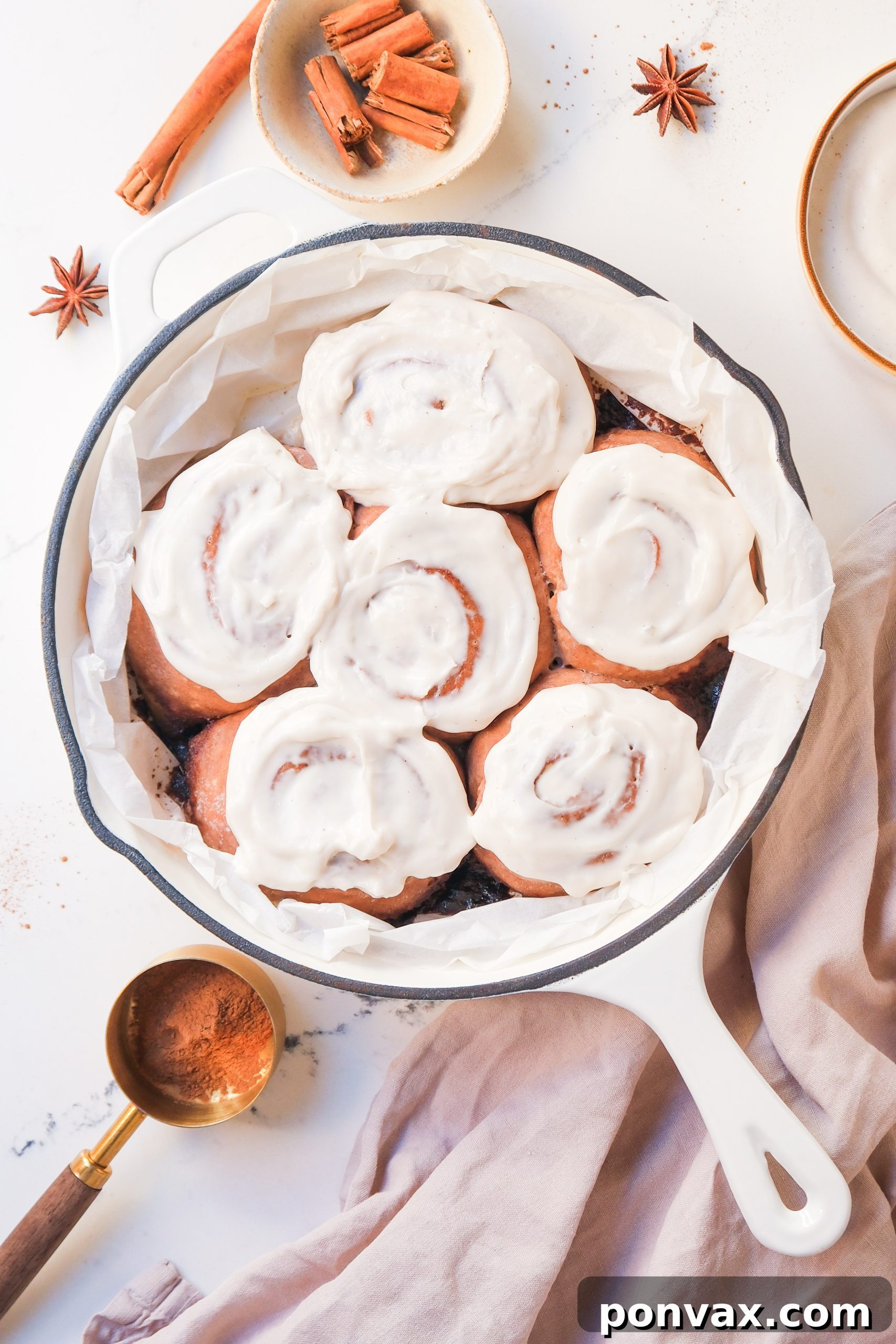
Indulge in the ultimate comfort food with these homemade gluten-free sourdough cinnamon rolls. Crafted to be incredibly soft, irresistibly fluffy, and naturally leavened without the need for commercial yeast, these rolls are a true baking triumph. Our unique dough, featuring vital psyllium husk and an active gluten-free sourdough starter, is remarkably easy to handle and transforms into tender, bakery-quality buns. Whether you opt for a rich, deep flavor achieved through an overnight fermentation or a convenient same-day option, these dairy-free cinnamon rolls promise to elevate any brunch or holiday gathering into a truly special occasion.
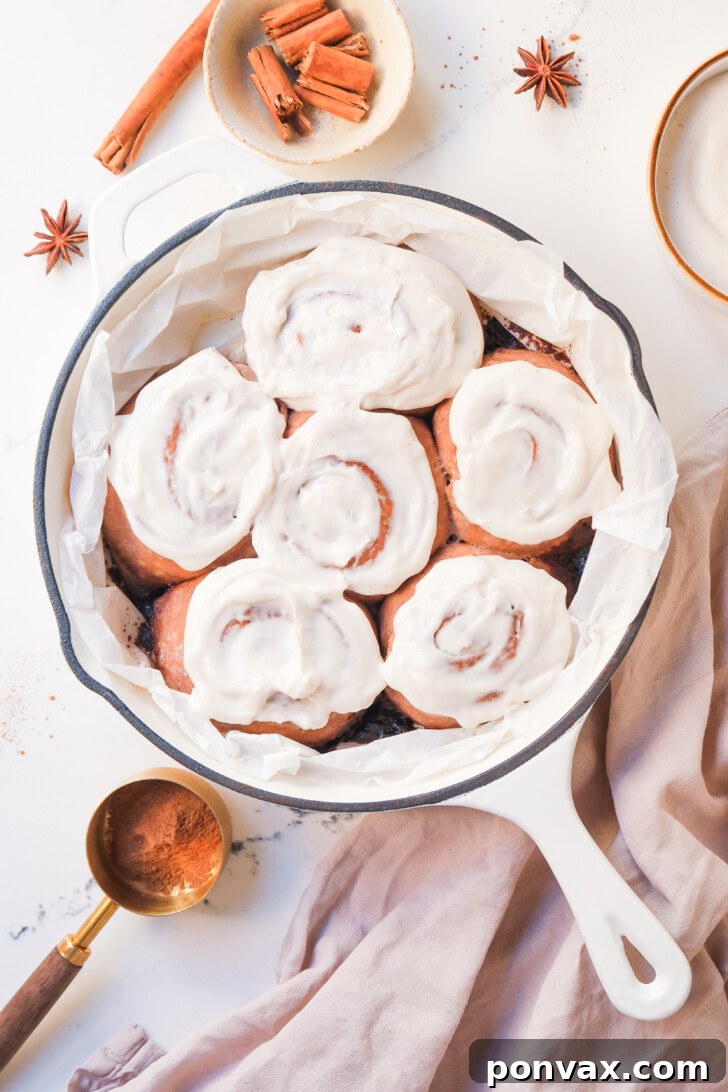
Imagine starting your day by tearing into a warm, gooey, and sticky cinnamon roll – a moment of pure bliss that makes any morning, especially a holiday one, feel extraordinary. For years, the request for a truly exceptional gluten-free sourdough cinnamon roll recipe has echoed through my kitchen, right alongside my popular gluten-free sourdough bread. Crafting these rolls has been a delightful journey, one that required patience and countless taste tests (a delicious challenge for self-control!). But the wait is over, and I can confidently say this version sets a new standard for gluten-free baked goods.
These aren’t just any cinnamon rolls; they are a labor of love, perfected by extensive testing to ensure every bite is soft, tender, and utterly scrumptious. The secret to their unparalleled moistness and rich flavor lies in a simple yet revolutionary step: pouring full-fat coconut milk over the rolls just before baking. This technique creates a steamy environment in the oven, preventing dryness and infusing the rolls with an incredible tenderness that is truly irresistible. It’s a game-changer for gluten-free baking, ensuring your homemade treats are always moist and delectable.
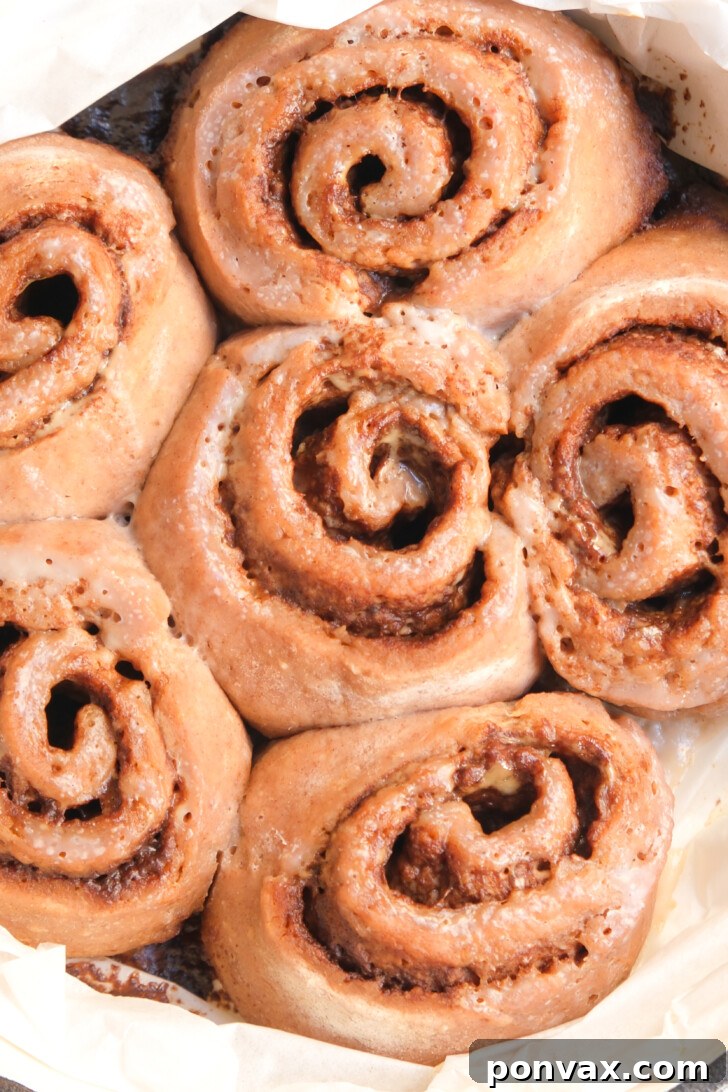
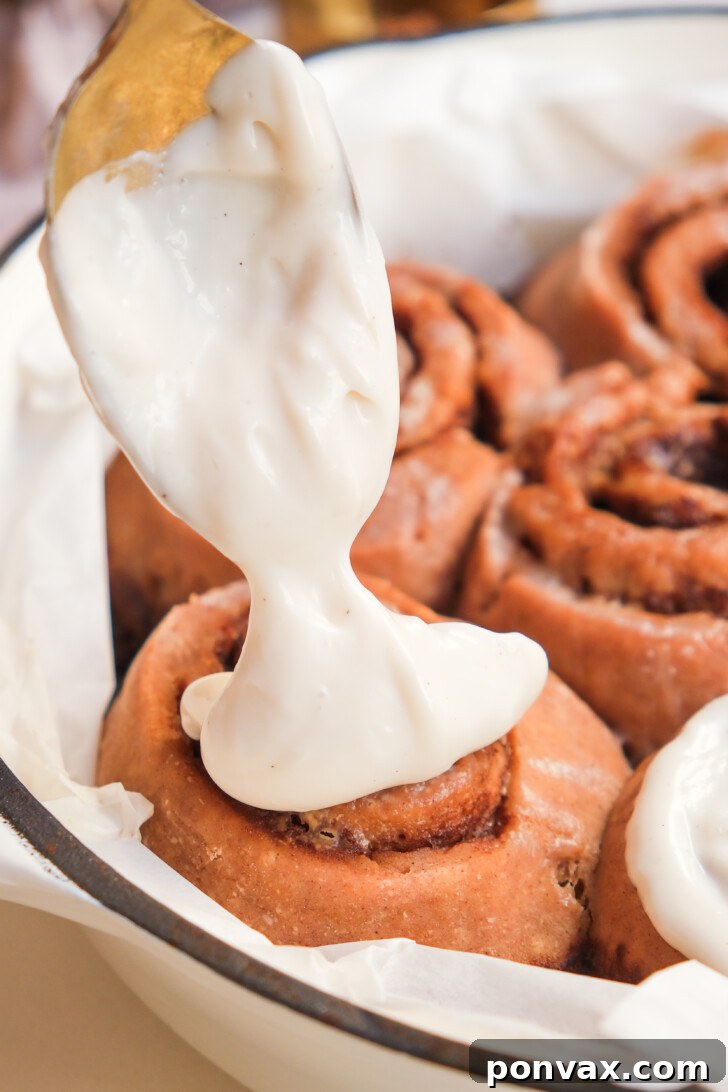
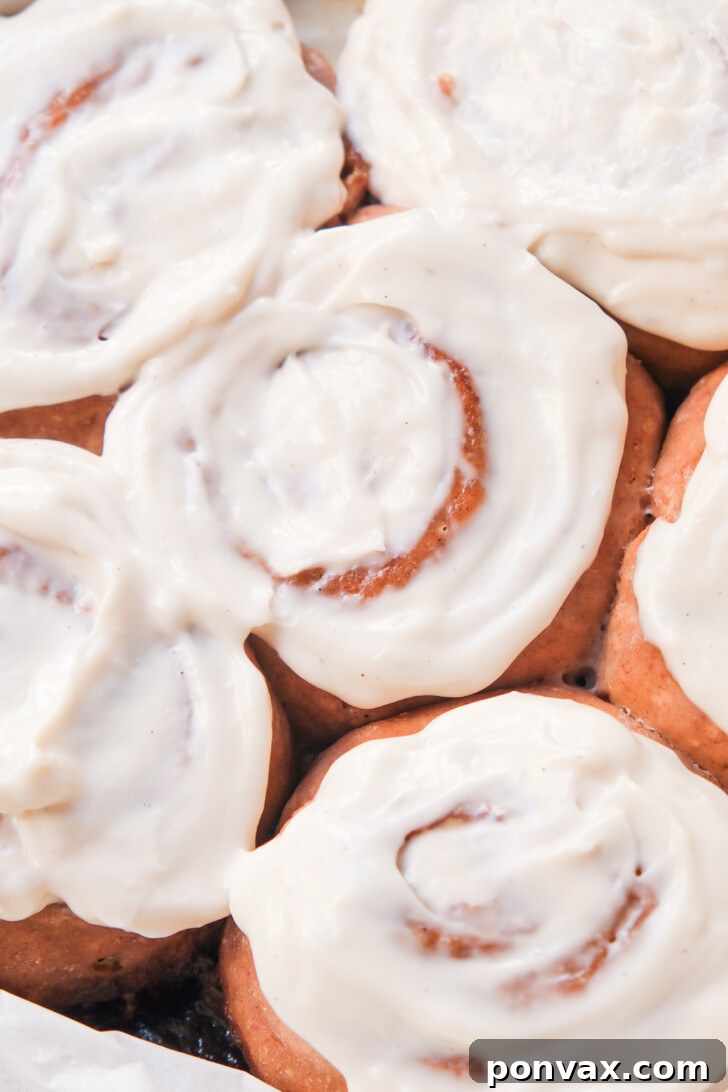
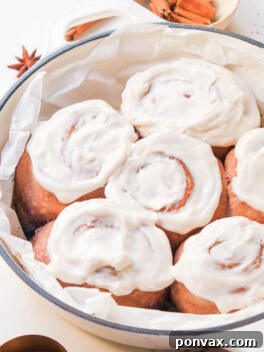
Crowning these magnificent rolls is a simple, easy-to-make glaze that elevates their deliciousness to new heights. Applied while the cinnamon rolls are still warm from the oven, the glaze melts beautifully, cascading into every swirl and crevice, creating a sweet, sticky finish that’s pure perfection. This recipe doesn’t just deliver a treat; it delivers an experience, a delightful moment of pure indulgence that you’ll want to savor again and again. For those seeking even more gluten-free baking inspiration, remember that my cookbook also features a fantastic traditional, yeast-free gluten-free cinnamon roll recipe that has been a long-time favorite for many years.
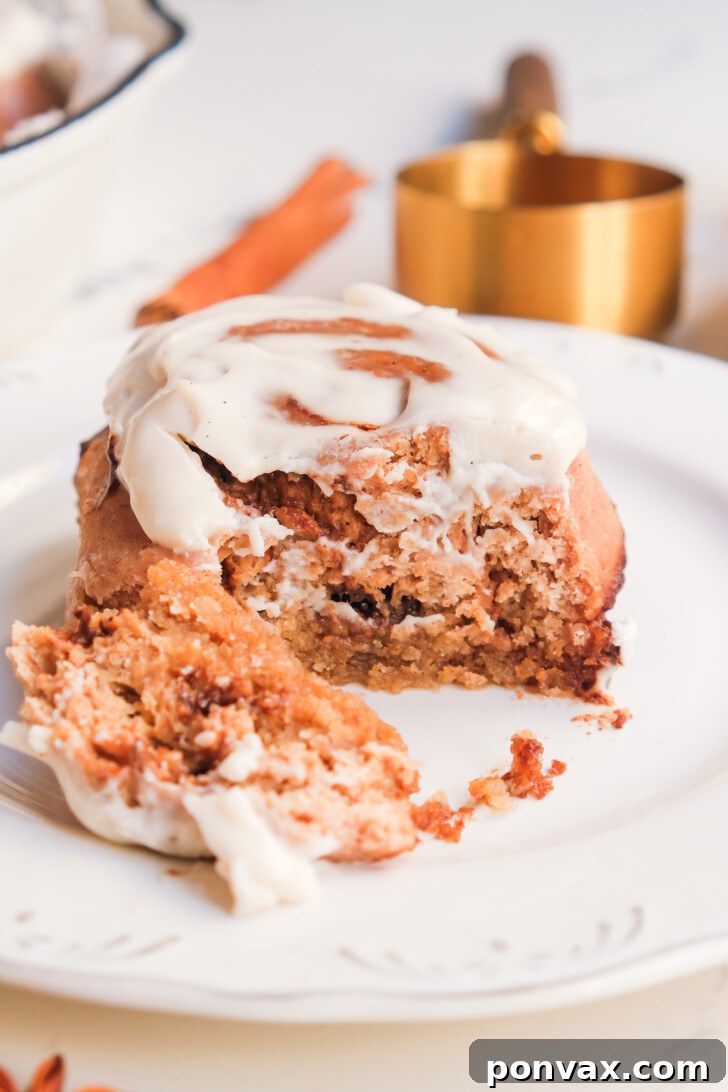
Why These Gluten-Free Sourdough Cinnamon Rolls Are a Must-Try
Creating outstanding gluten-free sourdough recipes requires a deep understanding of ingredients and techniques. These cinnamon rolls are designed to overcome common challenges in gluten-free baking, offering a result that rivals traditional versions. Here’s why this recipe stands out:
- Psyllium Husk for Unrivaled Structure and Elasticity: Unlike traditional dough that relies on gluten for its stretch and chew, our gluten-free dough utilizes whole psyllium husk. This incredible ingredient forms a gel when mixed with water, mimicking gluten’s ability to provide structure and elasticity. It makes the dough surprisingly pliable and easy to roll without tearing, resulting in soft, perfectly shaped rolls that hold their form. This is crucial for achieving that characteristic cinnamon roll swirl.
- Balanced Gluten-Free Flour Blend for Perfect Texture: A carefully selected blend of whole grains and starches is key to avoiding the gummy or crumbly texture often associated with gluten-free baking. Our specific combination ensures a light, fluffy crumb that isn’t dense or heavy. The whole grains contribute flavor and nutrients, while the starches provide the desired tenderness, creating a harmonious balance that makes these rolls truly delectable.
- Naturally Leavened with Gluten-Free Sourdough for Deep Flavor: Moving beyond commercial yeast, these rolls are naturally leavened with an active gluten-free sourdough starter. This not only imparts a subtle, complex tangy flavor that enhances the sweetness of the cinnamon filling but also contributes to a superior rise and an incredibly soft, airy crumb. The slow fermentation process breaks down starches, making the rolls easier to digest and giving them a unique depth of taste.
- Flexible Fermentation: Overnight or Same-Day Options: We understand that life can be busy, which is why this recipe offers both an overnight fermentation option for maximum flavor development and a convenient same-day preparation. The overnight cold proofing deepens the sourdough tang and improves the rolls’ texture, making them perfect for preparing ahead for a special morning. The same-day option ensures you can enjoy freshly baked rolls even when time is short, without compromising on quality.
- Coconut Milk Boost for Unbeatable Moisture and Tenderness: The innovative step of drizzling full-fat coconut milk over the rolls just before baking is a game-changer. This creates a moist environment in the oven, preventing the rolls from drying out and ensuring they bake up incredibly soft and tender. The coconut milk adds a subtle richness and helps achieve that desirable pull-apart texture, elevating them to bakery-level perfection.
- Steam-Assisted Baking for Optimal Rise and Crumb: Baking these rolls covered initially, then uncovered, combined with the coconut milk, creates a steam-assisted baking environment. This technique is vital for gluten-free dough, promoting a better rise by keeping the crust soft and allowing the internal structure to expand more fully. The result is a lighter, more open crumb that is the hallmark of a truly great cinnamon roll.
How to Make Perfect Gluten-Free Sourdough Cinnamon Rolls
Crafting these cinnamon rolls is a rewarding process, broken down into simple, manageable steps. Follow these instructions to ensure your rolls are nothing short of spectacular:
1. Prepare the Psyllium Gel: The Foundation of Gluten-Free Dough
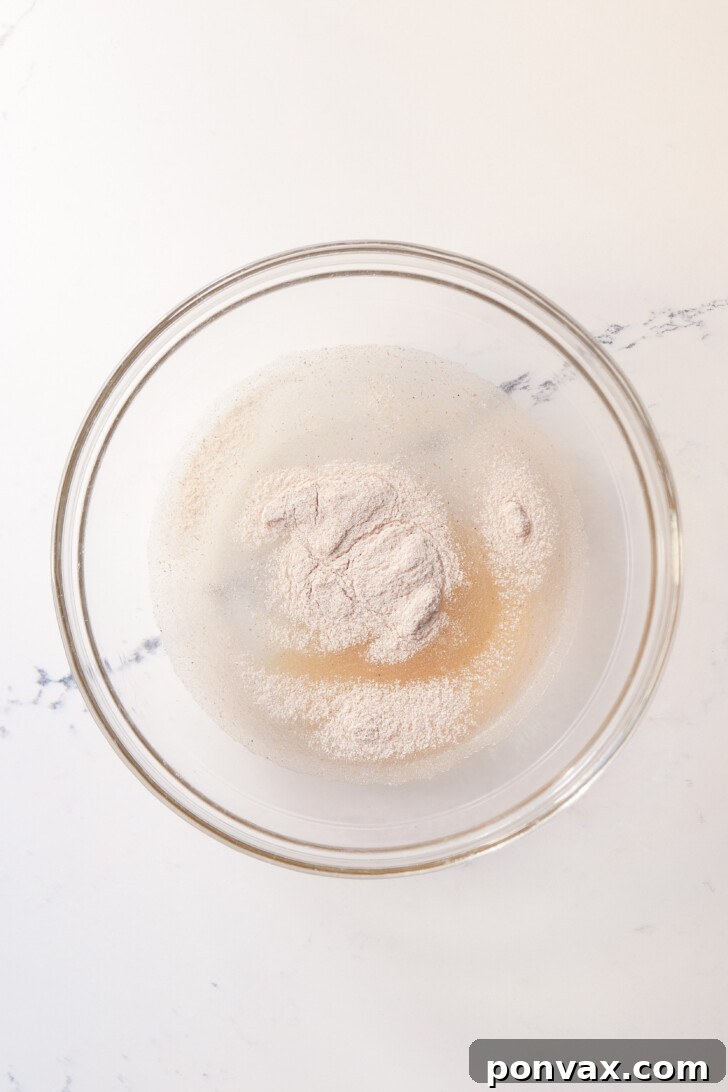
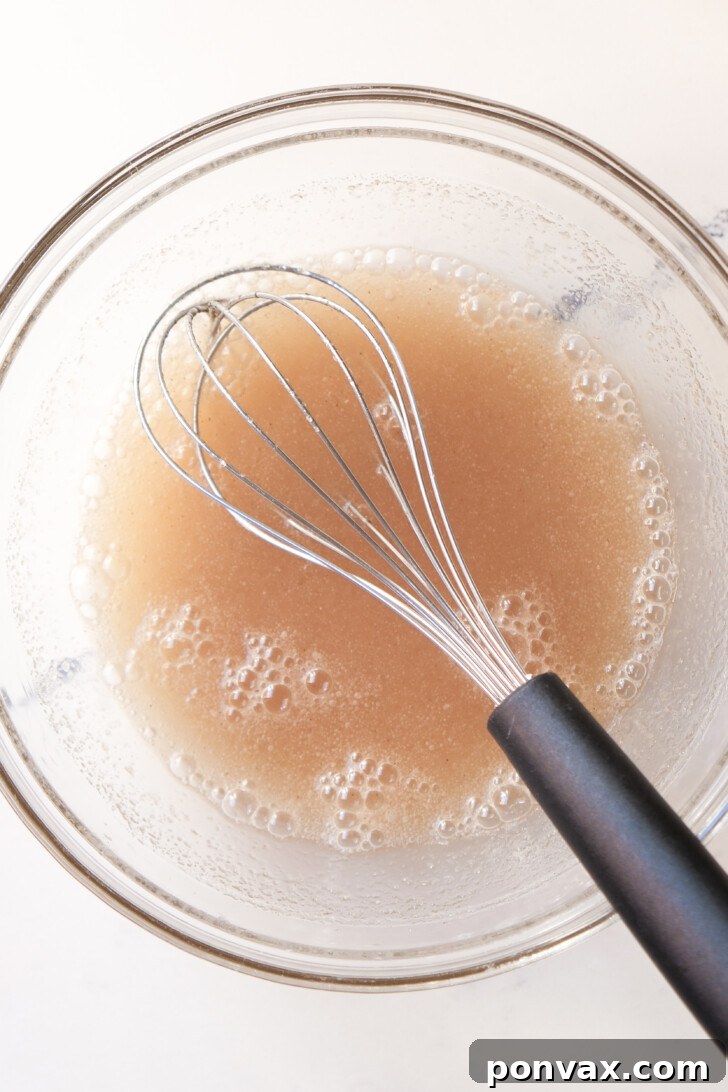
Begin by whisking whole psyllium husk with filtered water. Allow this mixture to sit for 2 to 3 minutes; you’ll observe it transforming into a thick, gelatinous consistency. This psyllium gel is crucial as it acts as the binder and provides the elasticity typically found in gluten. Once thickened, stir in the honey or maple syrup until it is completely dissolved, ensuring even sweetness throughout the dough.
2. Mix the Dough: Combining Wet and Dry Ingredients
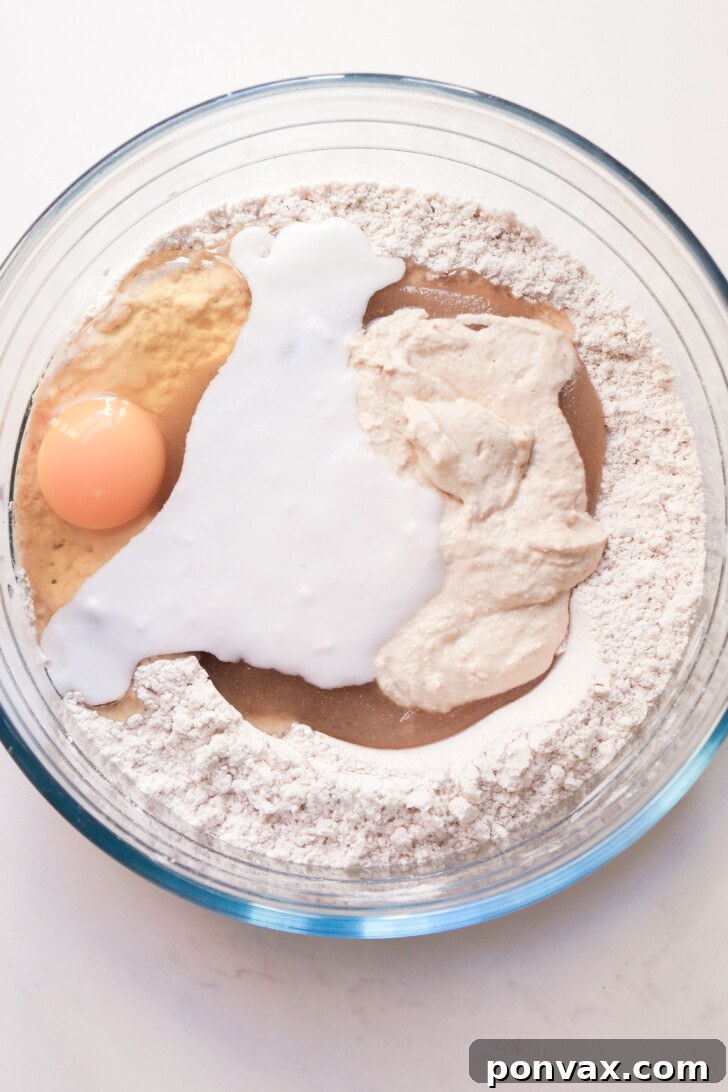
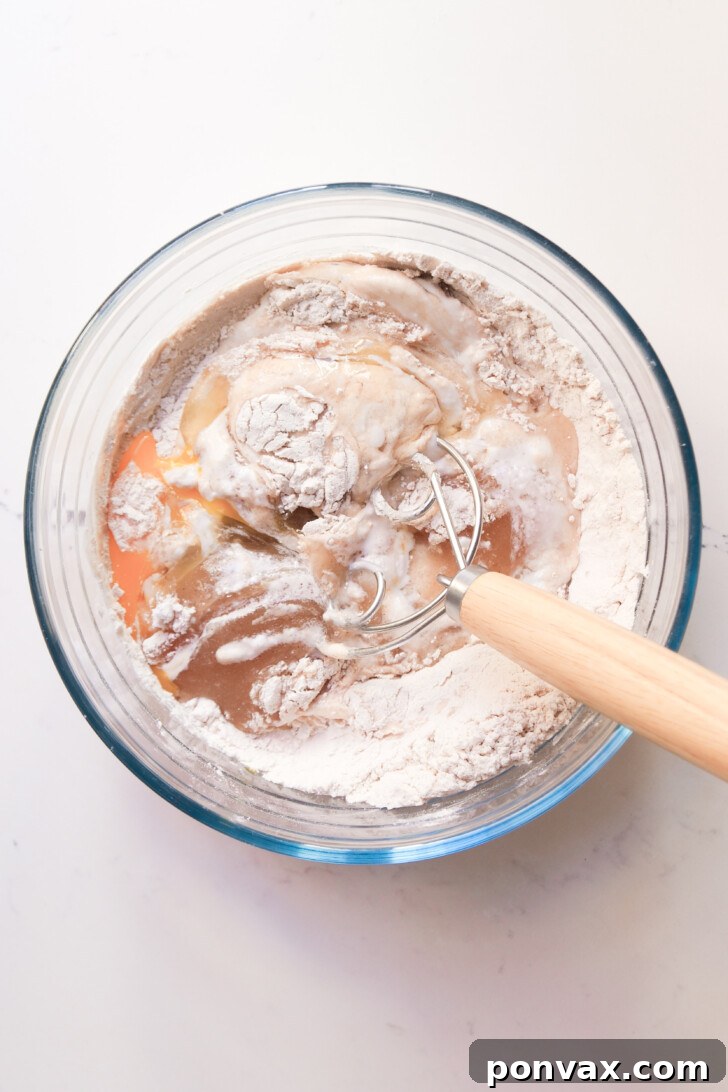
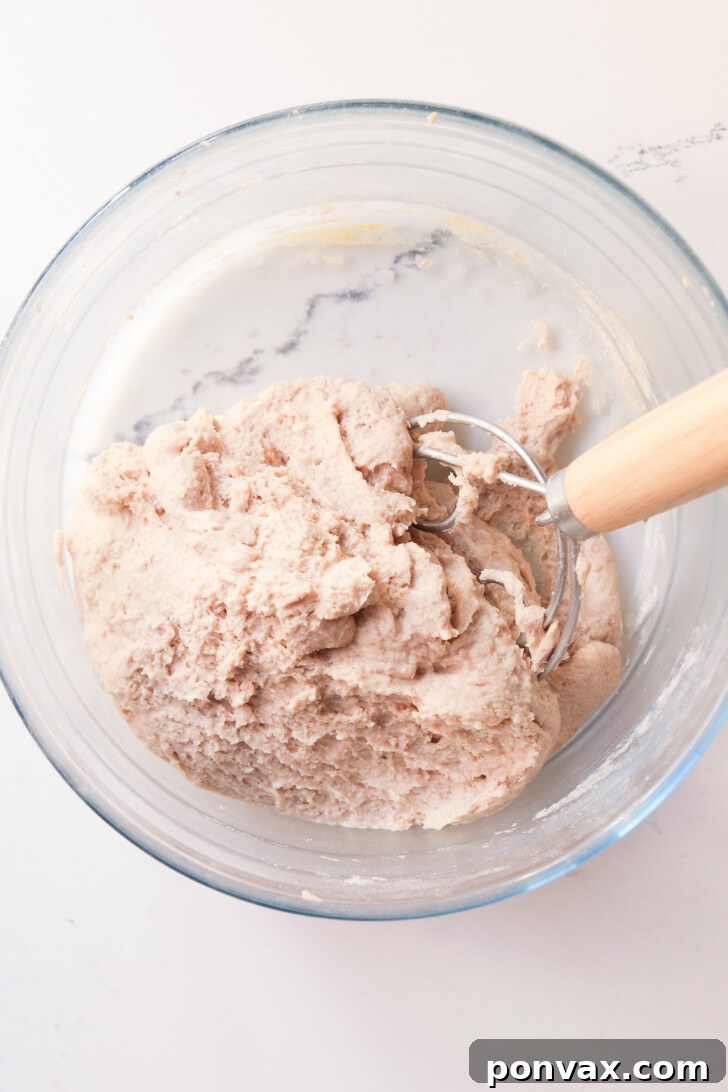
In a large mixing bowl (or the bowl of a stand mixer for convenience), thoroughly whisk together your gluten-free flours (millet, sorghum, tapioca starch, potato starch), baking powder, and sea salt. These dry ingredients form the bulk of your dough. Next, add the prepared psyllium gel, your active gluten-free sourdough starter, a room-temperature egg, and the specified amount of full-fat coconut milk. Begin kneading the mixture, either by hand or using a dough hook attachment. Continue kneading until the dough achieves a smooth, cohesive, and noticeably elastic texture. It might feel different from traditional gluten dough, but it should come together beautifully.
3. Rest the Dough: Hydration is Key
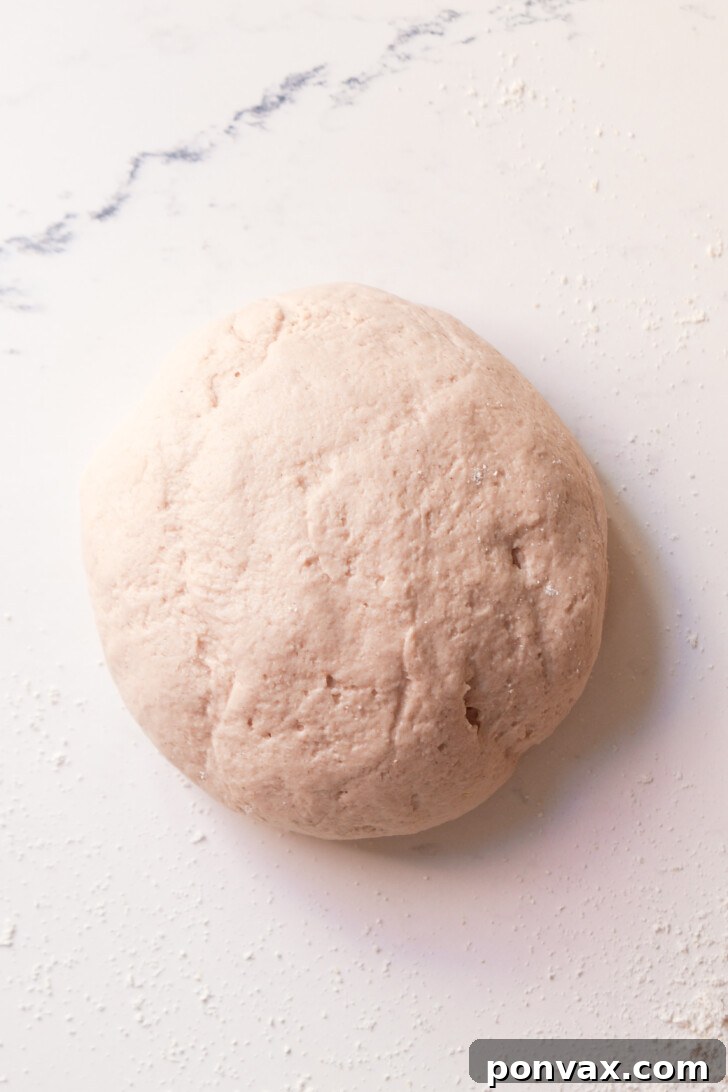
Once mixed, allow the dough to rest at room temperature for a brief period of 5 to 10 minutes. This short rest is essential. It gives the psyllium gel and starches ample time to fully hydrate and absorb the liquids, which will make the dough much easier to roll out without sticking or cracking. This step contributes significantly to the final soft texture of your cinnamon rolls.
4. Roll and Fill: Creating the Cinnamon Swirl
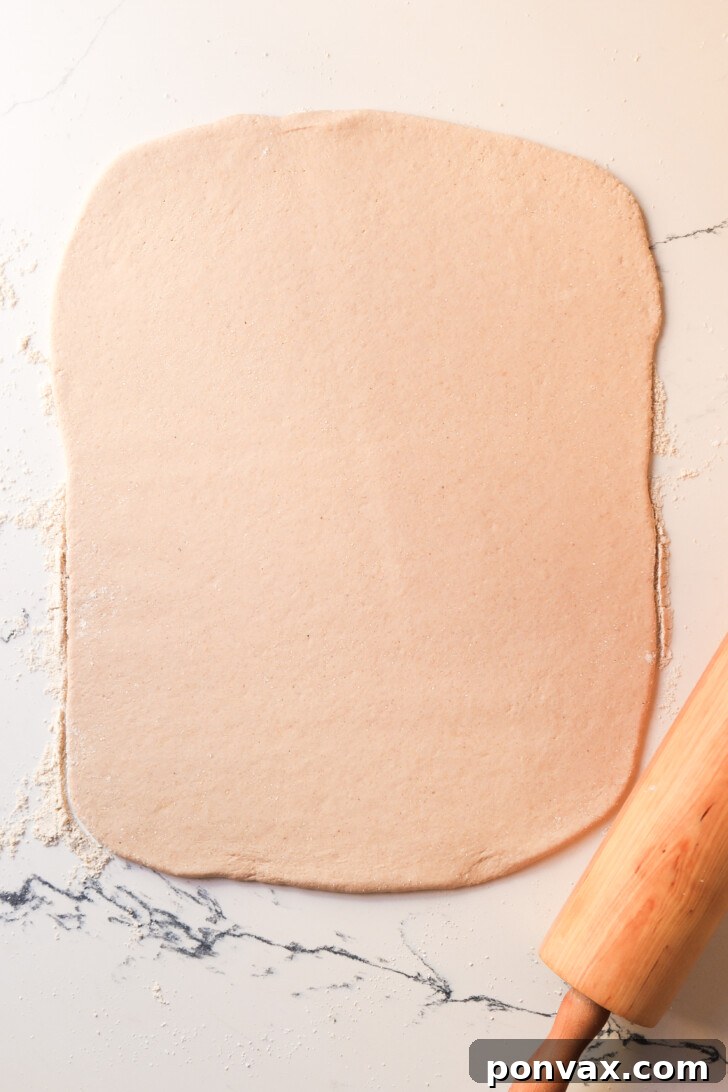
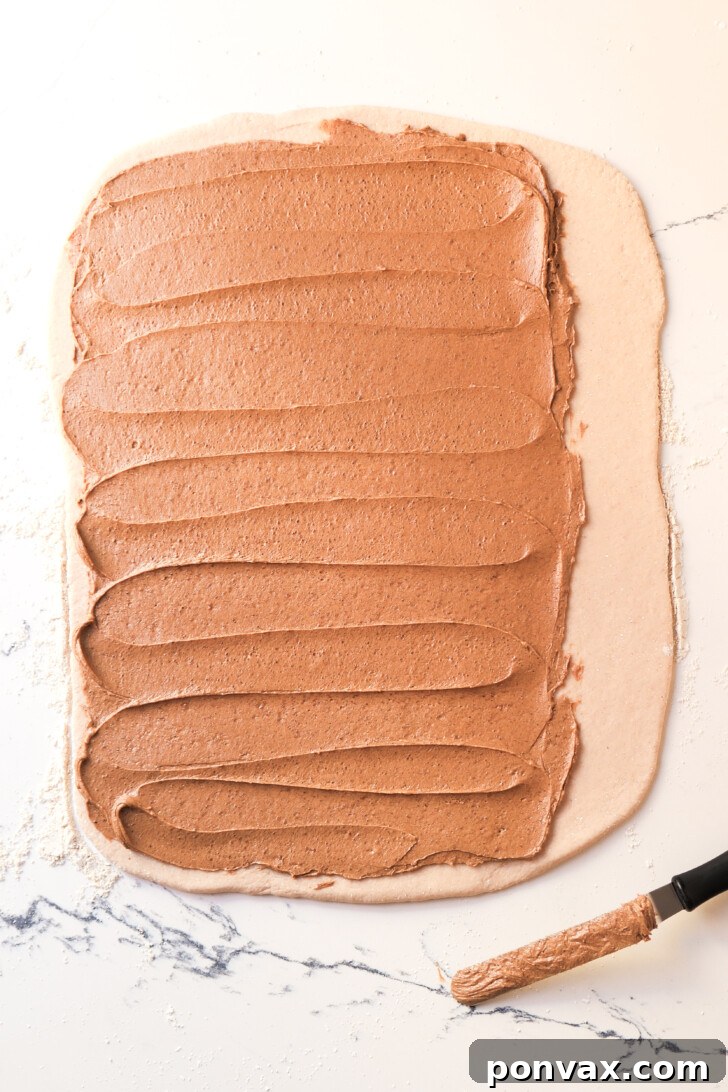
Lightly dust your clean counter or a piece of parchment paper with a little extra gluten-free flour (tapioca starch works wonderfully for this, preventing sticking without adding much texture). Gently roll the rested dough into a large, even rectangle. The parchment paper method is highly recommended as it simplifies both the rolling process and cleanup. In a separate bowl, combine softened vegan butter (or dairy butter, if preferred), coconut sugar, and ground cinnamon to create a rich, aromatic filling. Spread this cinnamon-sugar mixture evenly across the entire surface of your rolled-out dough, ensuring every inch is covered for maximum flavor.
5. Shape the Rolls: Achieving Even Swirls
Carefully and tightly roll the dough, starting from one long end, into a compact log. If you used parchment paper, you can lift it to help guide the rolling. A tight roll ensures beautiful, defined cinnamon swirls in your finished buns. Once rolled, use a sharp knife or even a piece of dental floss (unwaxed, unflavored) to slice the log into 6 equal, generously sized cinnamon rolls. Precision here ensures uniform baking and presentation.
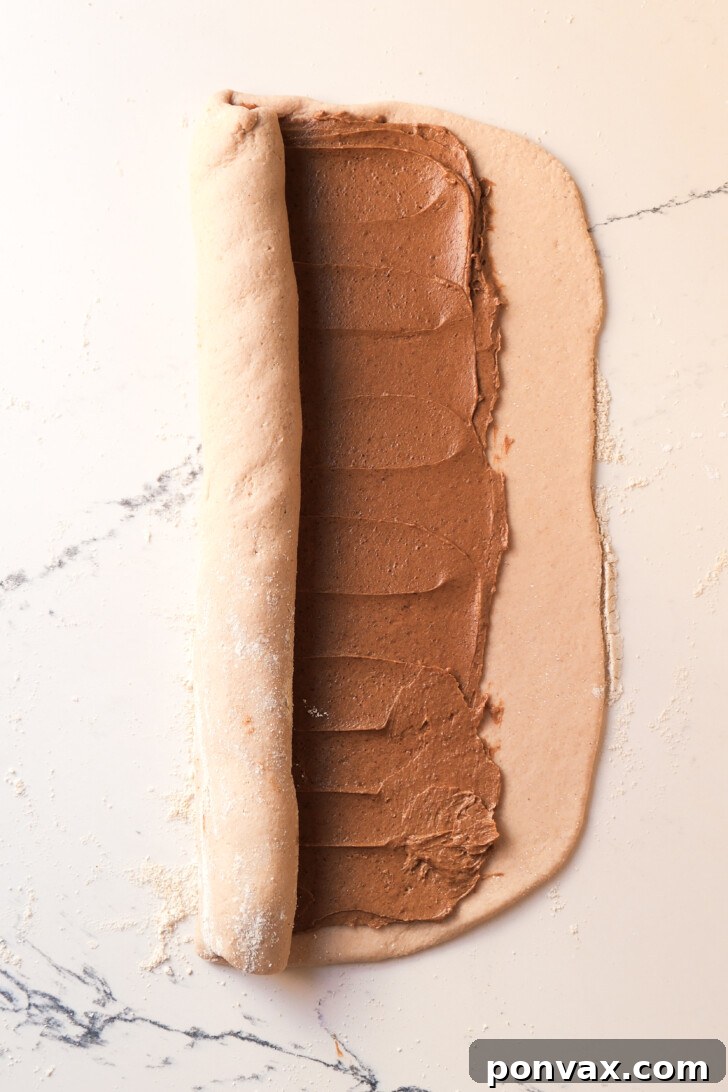
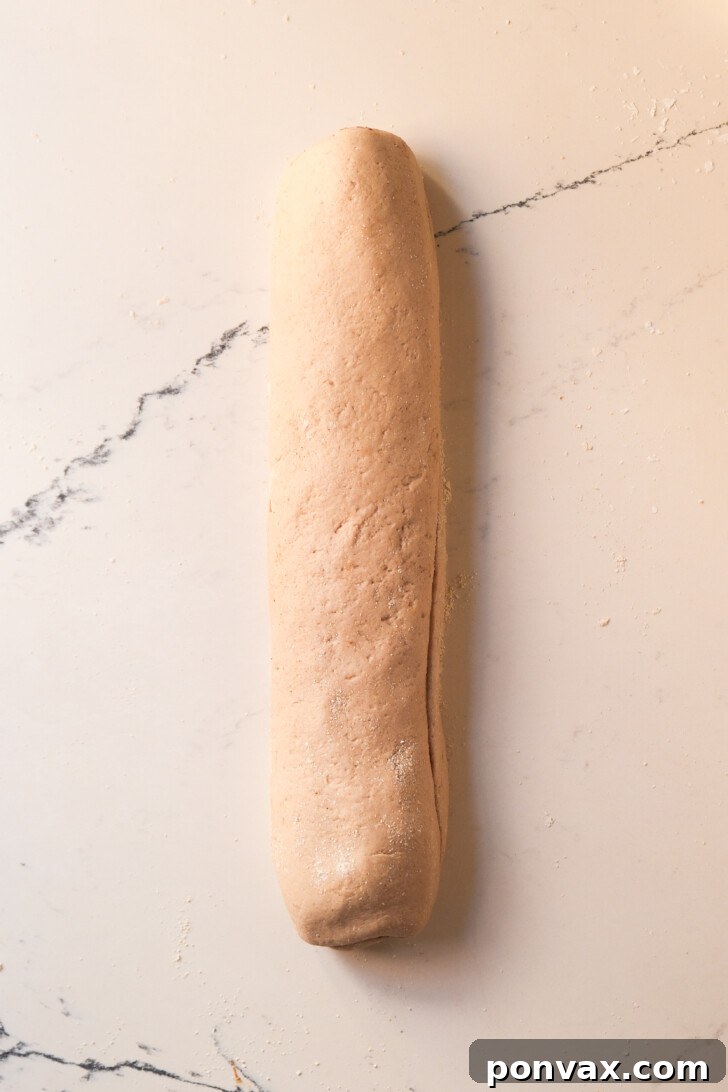
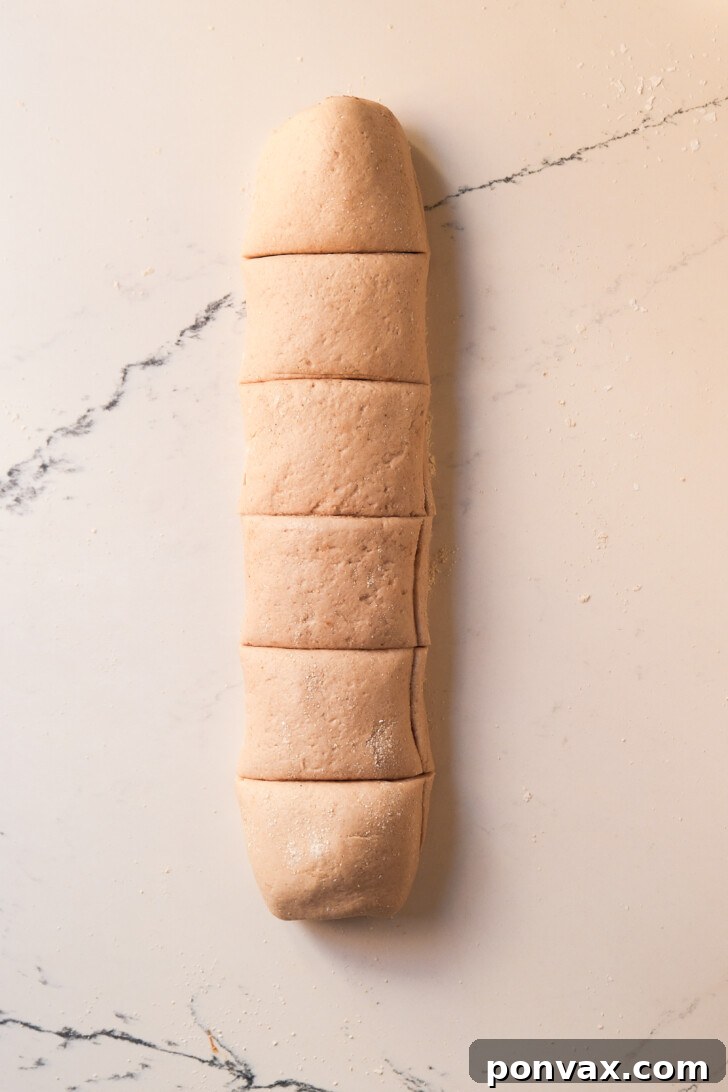
6. Proof the Rolls: Developing Flavor and Texture
Arrange the sliced rolls in a lightly greased baking pan, leaving a small amount of space between each roll to allow for expansion. Cover the pan tightly with plastic wrap to prevent the dough from drying out. You now have two options for proofing: for a richer, deeper sourdough flavor and slightly firmer texture, ferment them overnight in the refrigerator (they won’t double in size in the cold, but the flavor will develop beautifully). Alternatively, for same-day baking, proof them at room temperature until they have visibly doubled in size, which will yield a lighter, fluffier roll.
7. Add Coconut Cream and Bake: The Moisture Secret
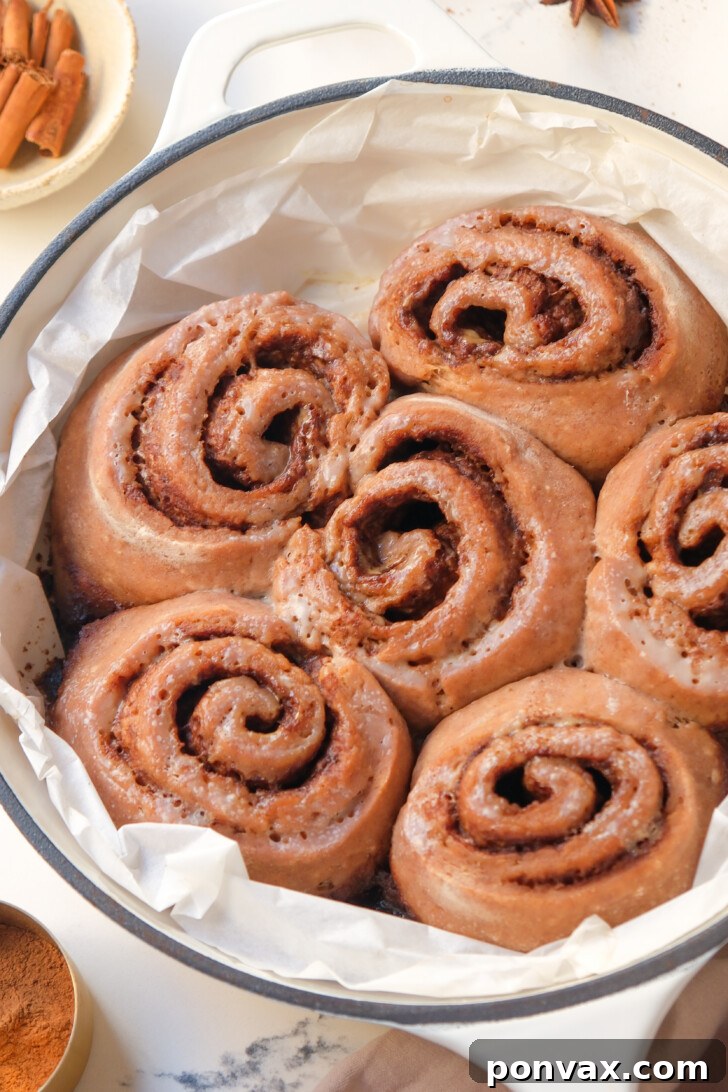
Once proofed, remove the plastic wrap. If your rolls were refrigerated, let them come to room temperature for about 30-60 minutes before baking. Pour 1/2 cup (120ml) of full-fat coconut milk evenly over the top of the rolls in the pan. This is the crucial step for preventing dryness and ensuring maximum tenderness. Cover the baking pan with a lid or aluminum foil and bake in a preheated oven. After the initial covered baking period, remove the lid/foil and continue to bake until the rolls are beautifully puffed up, golden brown on top, and cooked through.
8. Glaze and Serve: The Perfect Finish
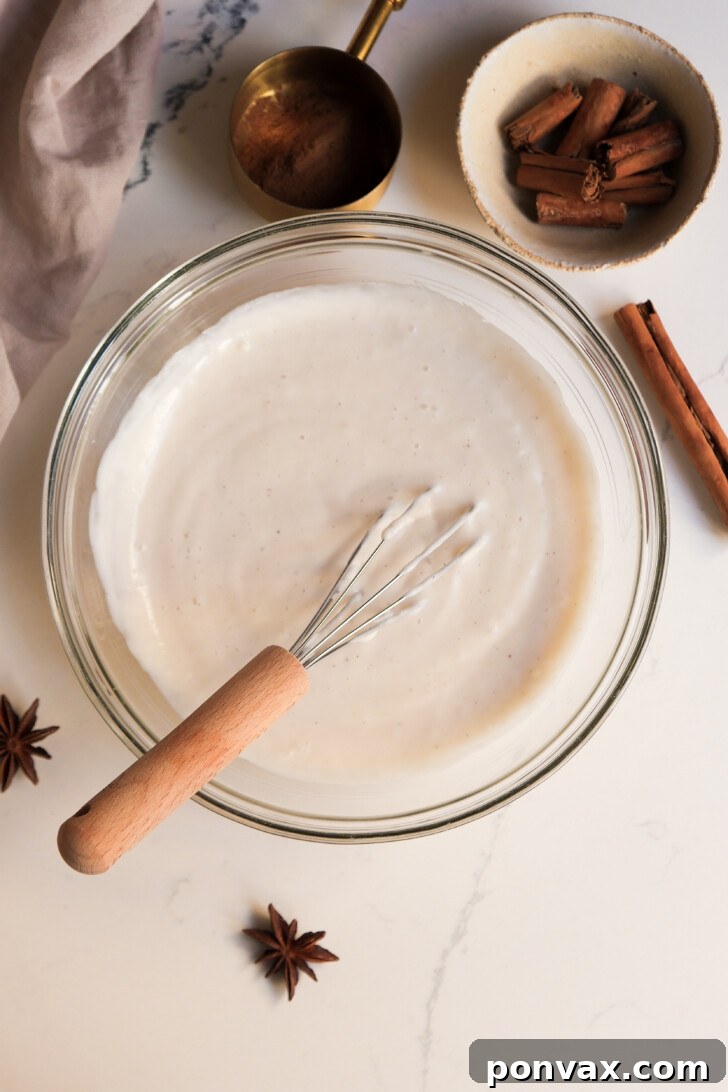
While the cinnamon rolls are baking, prepare your luscious glaze. In a saucepan, whisk together all the glaze ingredients (coconut milk, cornstarch, honey or maple syrup, and vanilla extract). Heat the mixture gently over medium heat, stirring constantly, until it begins to thicken and reaches a gentle boil. Continue to boil for 3 minutes, whisking without interruption, to ensure the cornstarch fully activates. Remove from heat and, for an extra smooth, pourable consistency, blend briefly with an immersion blender. Drizzle the warm glaze generously over the freshly baked, still-warm cinnamon rolls. The warmth of the rolls will allow the glaze to melt and seep into every delicious crevice. If desired, a light sprinkle of extra cinnamon on top can add a final touch. Serve immediately for the most delightful experience!
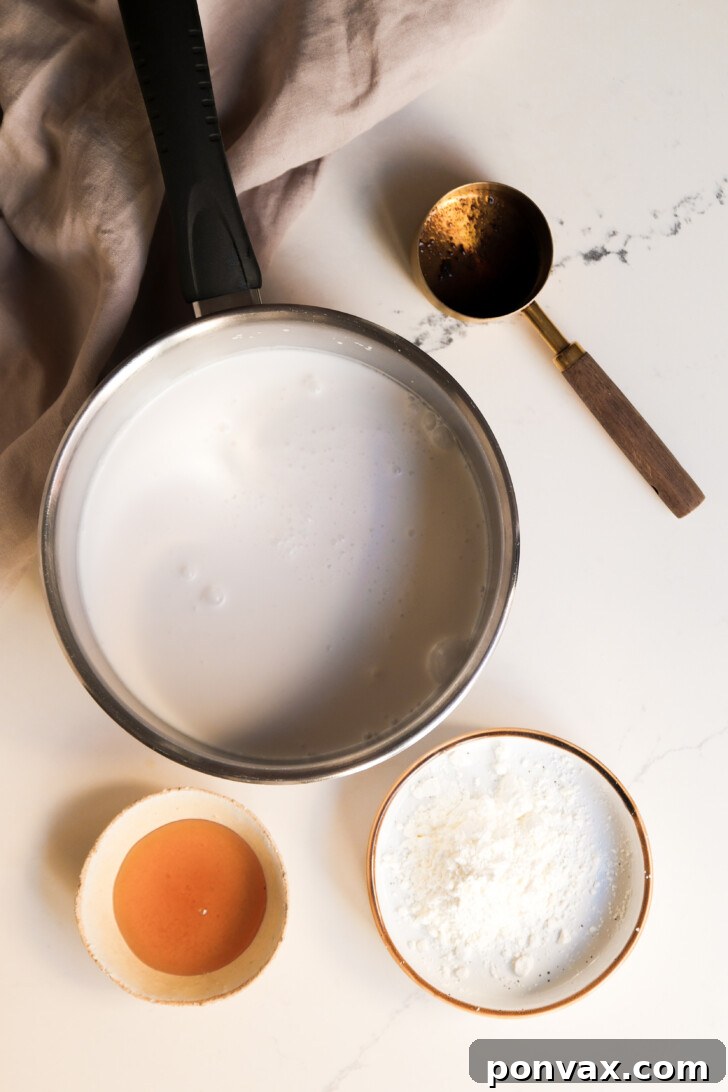
Expert Tips & Tricks for Perfect Gluten-Free Sourdough Cinnamon Rolls
Mastering gluten-free sourdough baking can be a journey, but with these tips, your cinnamon rolls will be a resounding success every time:
- Always Use Whole Psyllium Husk: This is a non-negotiable ingredient for achieving the correct dough structure and elasticity. Whole psyllium husk absorbs liquids differently than psyllium powder; the powder absorbs much more rapidly and can lead to a dense, unworkable dough. Ensure you’re using the whole variety for that characteristic stretch and soft texture.
- Start with a Robust, Active Gluten-Free Sourdough Starter: The vitality of your sourdough starter directly impacts the rise and flavor of your rolls. Use your starter at its peak activity – typically 4-8 hours after feeding, when it’s bubbly, smells pleasant, and has roughly doubled in volume. A weak, sluggish, or over-fermented starter will result in dense, flat cinnamon rolls with an undesirable flavor.
- Prioritize a Short Dough Rest Before Rolling: The short 5-10 minute rest period after mixing the dough is crucial for proper hydration. This allows the psyllium gel and various starches in your gluten-free flour blend to fully absorb the liquid, creating a more pliable and less sticky dough. Skipping this step can make the dough difficult to handle, prone to tearing, and result in a less tender final product.
- Roll Gently and Avoid Overworking the Dough: Gluten-free sourdough dough, while robust due to psyllium, is still more delicate than its gluten-containing counterpart. Use light, even pressure when rolling it out. If you find it sticking, a light dusting of tapioca starch or rolling between two sheets of parchment paper can be very helpful. Overworking the dough can lead to a tougher texture, which we want to avoid for soft cinnamon rolls.
- Embrace Cold Fermentation for Enhanced Texture and Flavor: While same-day proofing is an option, an overnight cold fermentation in the refrigerator is highly recommended. This slow, cool rise allows for a deeper development of the sourdough flavor, creating more complex tangy notes that perfectly complement the sweet cinnamon filling. Moreover, cold fermentation typically results in a softer, more resilient dough that bakes into wonderfully tender and moist rolls. If opting for same-day, ensure the rolls are fully doubled in size at room temperature for the best results.
- Drizzle Coconut Cream Just Before Baking: This technique is a secret weapon for moist gluten-free rolls. Adding full-fat coconut cream (the thick part of canned coconut milk) just before baking traps moisture, preventing the rolls from drying out in the oven. It creates a steamy environment that contributes to an incredibly soft, pull-apart texture and a rich, subtle flavor that elevates the entire experience.
Storage, Reheating, and Make-Ahead Options for Your Cinnamon Rolls
To ensure you can enjoy these delightful gluten-free sourdough cinnamon rolls long after they’ve been baked, here are the best practices for storage and reheating:
How to Store Baked Rolls: For optimal freshness and tenderness, store your baked cinnamon buns in an airtight container. They will keep well in the refrigerator for up to 5 days. If you prefer to store them for a slightly longer period or anticipate a staggered consumption, store the cinnamon rolls without the glaze for up to 7 days. Keep the glaze in a separate airtight container in the fridge for up to 3 days. Before serving, you might want to re-blend the chilled glaze briefly to achieve a smooth, pourable consistency.
To Reheat the Rolls: To bring your stored rolls back to their warm, soft glory, preheat your oven to 325°F (170°C). Place the rolls in the preheated oven for 5 to 10 minutes, or until they are warmed through and tender. If they were stored without glaze, warm them first, then apply the freshly re-blended glaze.
To Freeze for Later Enjoyment: These cinnamon rolls freeze beautifully! For best results, freeze the buns without any frosting or glaze. Once completely cooled, wrap each roll individually in plastic wrap, then place them in a freezer-safe airtight container or heavy-duty freezer bag. They can be frozen for up to 2-3 months. To enjoy, thaw the frozen buns in the refrigerator overnight. Once thawed, reheat them in the oven as described above, and then apply your freshly prepared or re-blended glaze.
We hope you thoroughly enjoy creating and savoring these incredible gluten-free sourdough cinnamon rolls. We would absolutely love to hear about your baking experience! Please feel free to share your preferred proofing method, any ingredient swaps you tried, or any questions you might have in the comments below. Your insights help our baking community learn and grow together. Happy baking!
 Rachel Conners
Gluten-Free Sourdough Cinnamon Rolls
Pin Recipe
Ingredients
For the cinnamon roll dough:
- 12 g whole psyllium husk
- 160 g filtered water
- 25 g honey or maple syrup
- 75 g millet flour
- 75 g sorghum flour
- 45 g tapioca starch
- 65 g potato starch
- 1 teaspoon baking powder
- 4 g sea salt
- 120 g active gluten-free sourdough starter
- 20 g full-fat coconut milk
- 1 egg, room temperature
For the cinnamon roll filling:
- 130 g vegan butter, room temperature, dairy butter is fine as well
- 70 g coconut sugar
- 2 tablespoons cinnamon
- 1/2 cup (120ml) full-fat coconut milk, for pouring on top before baking
For the glaze/frosting:
- 300 g full-fat coconut milk
- 1.5 tablespoon (10-12g) cornstarch
- 30 g honey or maple syrup
- 1 teaspoon vanilla extract
Instructions
For the dough:
-
Mix psyllium husk with water and let it thicken into a gel for 2 to 3 minutes. Stir in the honey or maple syrup.12 g whole psyllium husk, 160 g filtered water, 25 g honey or maple syrup
-
In a separate bowl, whisk together all dry ingredients. You can use the bowl of a stand mixer for easier mixing, or a large bowl if you’re stirring by hand.75 g millet flour, 75 g sorghum flour, 45 g tapioca starch, 65 g potato starch, 1 teaspoon baking powder, 4 g sea salt
-
Add the psyllium gel and your active sourdough starter to the dry ingredients.120 g active gluten-free sourdough starter
-
Add the whole egg and coconut milk.20 g full-fat coconut milk, 1 egg
-
Gradually knead everything together until the dough becomes smooth and elastic. Use the dough hook of your stand mixer if you’re using it.
-
Let the dough rest at room temperature for 5 to 10 minutes before rolling out to help all of the ingredients hydrate.
For the cinnamon filling:
-
In a medium mixing bowl, stir together the softened butter, coconut sugar, and cinnamon until smooth.130 g vegan butter, 70 g coconut sugar, 2 tablespoons cinnamon
-
Lightly dust your counter or a sheet of parchment paper with gluten-free flour (I like using tapioca starch for this). Roll out the rested dough into a large rectangle.
-
Spread the cinnamon filling evenly over the surface.
-
Roll the dough tightly, using the parchment to help if needed, and cut the cinnamon roll log into 6 equal pieces with a sharp knife.
Proofing & Baking:
-
Prepare a baking pan, such as a large skillet or a baking pan (at least 9″ sqaure or circle), by greasing with butter or lining with parchment paper. Place the buns in a greased baking pan, leaving space between them.
-
Cover with plastic wrap and ferment overnight in the fridge, or proof at room temperature until doubled in size. If proofing in the fridge, they won’t rise as much.
-
When ready to bake, preheat the oven to 350°F (180°C).
-
Before baking, drizzle 1/2 cup (120ml) of full-fat coconut milk over the buns. Cover with a lid and bake at 350°F (180°C) for 15 minutes.1/2 cup (120ml) full-fat coconut milk
-
Remove the lid and bake for another 15 to 20 minutes until the cinnamon rolls are puffed and golden.
For the glaze:
-
In a saucepan, whisk together coconut milk, honey or maple syrup, vanilla, and cornstarch.300 g full-fat coconut milk, 30 g honey or maple syrup, 1 teaspoon vanilla extract, 1.5 tablespoon (10-12g) cornstarch
-
Heat gently, stirring, until it begins to thicken and boil.
-
Boil for 3 minutes, whisking constantly.
-
Remove from heat and, if needed, blend with an immersion blender for extra smoothness.
-
Use warm to glaze freshly baked buns, or chill and re-blend before spreading. Sprinkle cinnamon on top before serving if desired. Enjoy warm or on the first day of baking for the most delicious cinnamon rolls!
Notes
- Store baked buns in an airtight container in the fridge for up to 5 days.
- Store buns without glaze for up to 7 days, and keep the glaze separate.
- Reheat buns at 325°F (170°C) for 5 to 10 minutes.
- Freeze buns without the frosting/glaze, well wrapped in an airtight container. Thaw in the fridge, then reheat before glazing.