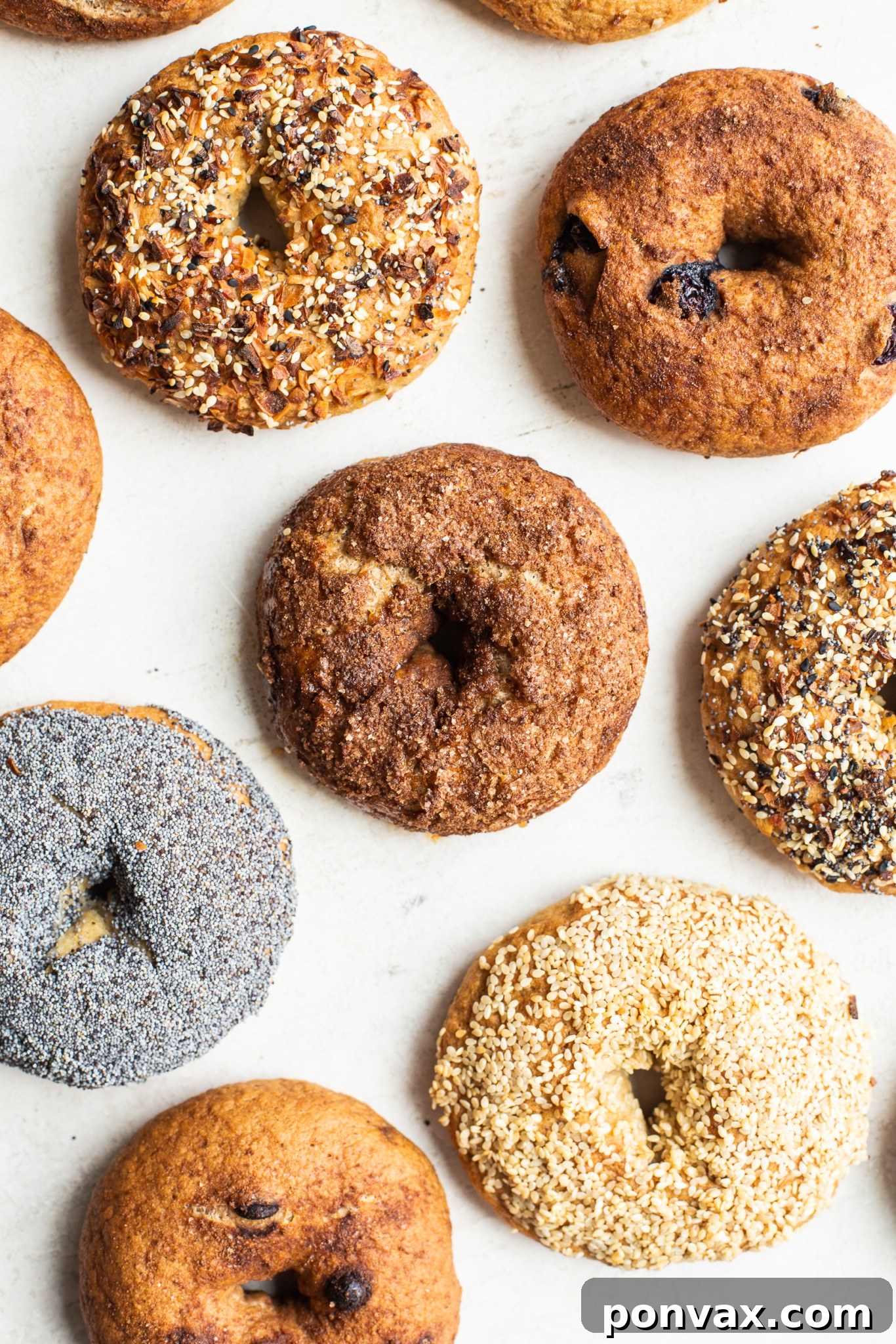
Experience the joy of homemade bagels with this incredible Gluten-Free Bagels recipe! These delightful bagels mimic the classic chewy texture and fluffy interior you’d find at your favorite bagel shop, all while being completely gluten-free and vegan. Customizing your bagels with an array of delicious toppings is effortless, and you can easily freeze any extra bagels to enjoy a fresh treat whenever a craving strikes.
Irresistible Gluten-Free Bagels: Perfectly Chewy, Fluffy, and Vegan Homemade Delights
Welcome to your new gluten-free bagel obsession! I’ve been perfecting these homemade gluten-free bagels, and the results are truly spectacular. There’s nothing quite like biting into a warm, freshly baked bagel, and with this recipe, you don’t have to compromise on flavor or texture. The possibilities for customization are endless, making these a versatile staple in any gluten-free kitchen.
My culinary journey often leads to exciting new creations, and these gluten-free bagels are a testament to that. While I previously shared a recipe for Gluten-Free Sourdough Bagels, I understand that maintaining a sourdough starter isn’t for everyone. Recognizing the popularity of my Homemade Gluten-Free Bread, I set out to combine the best elements of both to craft an equally delicious, non-sourdough gluten-free bagel recipe that’s accessible to all home bakers. If you do happen to have an active sourdough starter and prefer that route, be sure to check out my dedicated sourdough bagel recipe for another fantastic option.
Why These Gluten-Free Bagels Will Become Your Go-To
These aren’t just any gluten-free bagels; they are crafted to deliver an authentic bagel experience. Here’s what makes them truly special:
- Perfectly Baked and Chewy Crust: Achieve that signature exterior chewiness that defines a great bagel, even without gluten.
- Soft, Tender Crumb: Inside, you’ll find a light and tender crumb that’s a delight to bite into.
- A Canvas for Flavor: Whether you prefer savory or sweet, these bagels are the perfect base for any topping or mix-in you can imagine.
- Accessible Homemade Baking: Designed to be made in just a few hours, bringing the joy of fresh bagels into your home without excessive fuss.
- Diet-Friendly: Completely dairy-free and vegan, catering to a wider range of dietary needs without sacrificing taste or texture.
- Freezer-Friendly Convenience: They freeze exceptionally well, allowing you to stock up and have delicious homemade bagels ready whenever the craving strikes.
The Secret to Authentic Bagel Texture: Why Boiling is Essential
Just like their traditional counterparts, these gluten-free bagels require a crucial step before baking: boiling! This isn’t just a traditional quirk; it’s a fundamental part of creating that distinct bagel texture we all love. Boiling bagels before baking them achieves two main objectives:
- The Maillard Reaction and Browning: We boil the bagels in a baking soda bath, which slightly alkalizes the water. This alkaline environment is key to boosting the Maillard reaction – a complex chemical process responsible for promoting rich browning and irresistible caramelization during baking. Without this step, your bagels would bake up more like regular bread rolls rather than developing that characteristic golden-brown, crispy exterior. While baking soda is used here, traditional recipes often use a sugar like honey or molasses in the boiling water. These sugars also contribute to the Maillard reaction, helping the bagels achieve that perfect golden hue in the oven.
- Developing that Signature Chewy Crust: Boiling the bagel dough for a short period gelatinizes the starch on the surface of the dough. This creates a thin, firm skin that locks in moisture, preventing the bagel from drying out during baking and contributing significantly to that sought-after chewy texture. Skipping this step would result in a softer, less satisfying crust. Trust me, the boiling process is non-negotiable for an authentic chewy bagel experience.
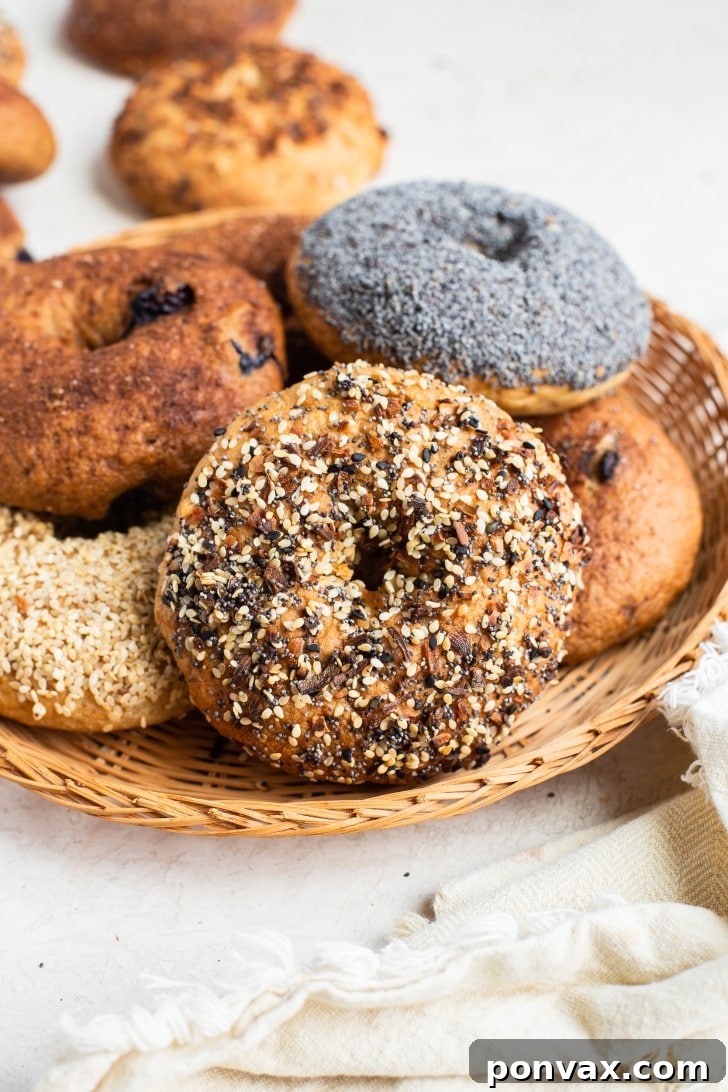
Unleash Your Creativity: Endless Gluten-Free Bagel Flavor Possibilities
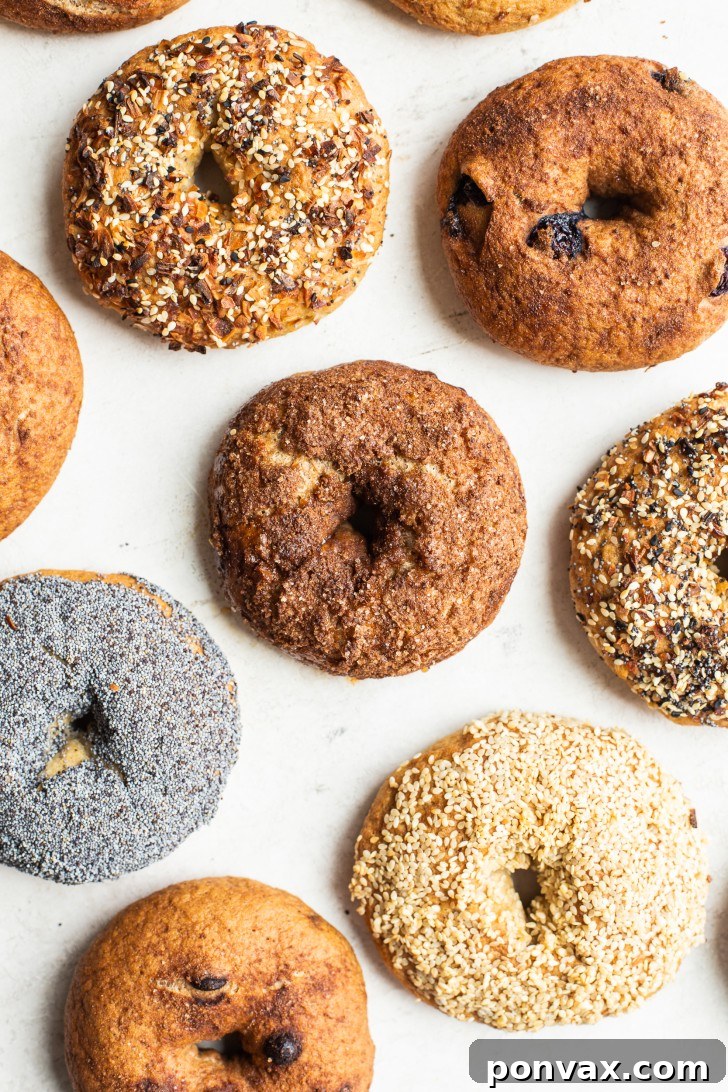
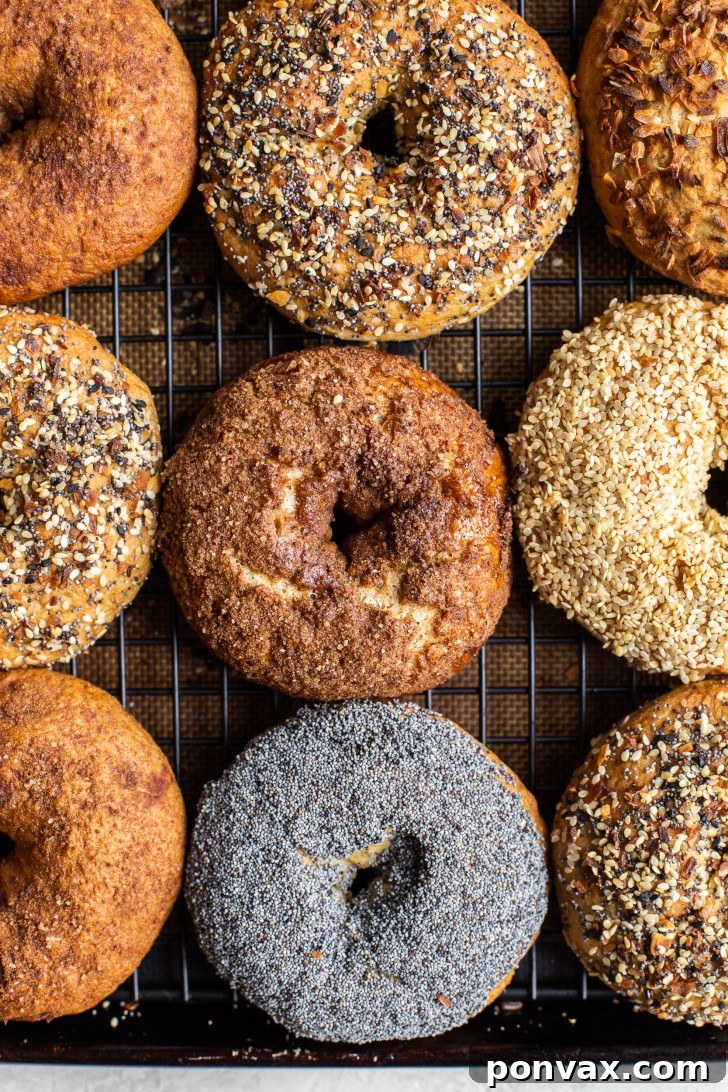
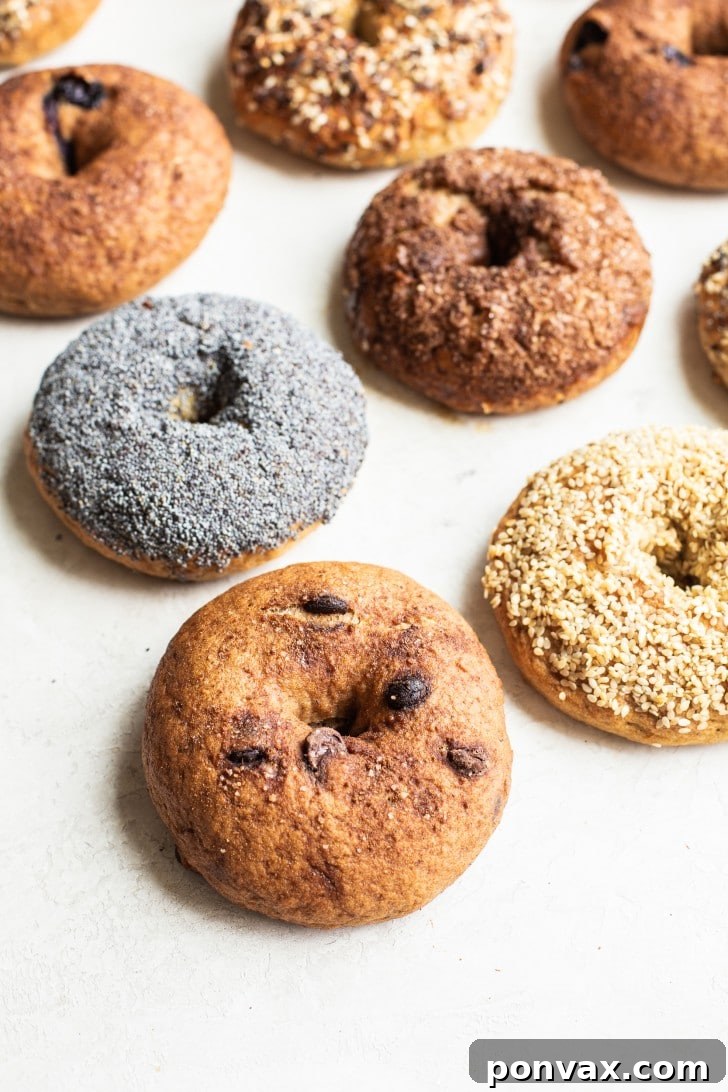
One of the most exciting aspects of making bagels from scratch is the freedom to customize them to your heart’s content. This homemade gluten-free bagel recipe serves as the perfect foundation for recreating all your favorite bagel shop flavors, and even inventing new ones! Here are some popular options, including those you see beautifully captured in the images, plus a few other delicious ideas:
Savory Gluten-Free Bagel Flavors:
- Everything Bagel: A classic for a reason! Top with a blend of poppy seeds, sesame seeds, dried garlic, dried onion, and a sprinkle of flaky sea salt.
- Poppy Seed: Simple yet elegant, offering a subtle nutty crunch.
- Sesame Seed: A delicate flavor and delightful texture that’s always a crowd-pleaser.
- Onion: For those who love a pungent, savory kick. You can use dried minced onion or rehydrated fried onions.
- Cheese: Press shredded dairy-free cheese (or regular cheese if not vegan) onto the top before baking for a gooey, savory delight.
- Jalapeño Cheddar: Combine finely diced fresh or pickled jalapeños with dairy-free cheddar (or regular cheddar) for a spicy, cheesy twist.
- Garlic: Sprinkle with granulated garlic or toasted garlic flakes for an aromatic bagel.
- Salt: A simple, coarse sea salt topping for a rustic, savory touch.
Sweet Gluten-Free Bagel Flavors:
- Cinnamon Sugar: A comforting classic, perfect for a sweet breakfast or snack. Sprinkle with a generous mix of cinnamon and granulated sugar.
- Blueberry: Gently fold in fresh or frozen blueberries (tossed in a little flour to prevent sinking) into the dough before shaping.
- Cinnamon Raisin: A timeless combination of warm cinnamon spice and plump, sweet raisins folded into the dough.
- Chocolate Chip: For the ultimate sweet indulgence, mix in your favorite dairy-free chocolate chips (or regular chocolate chips) into the dough.
- Maple Glazed: After baking, brush with a simple maple syrup glaze for a touch of sweetness.
Don’t be afraid to experiment with other additions like sun-dried tomatoes, herbs, nuts, or different spices. The possibilities are truly limitless once you master this basic gluten-free bagel recipe!
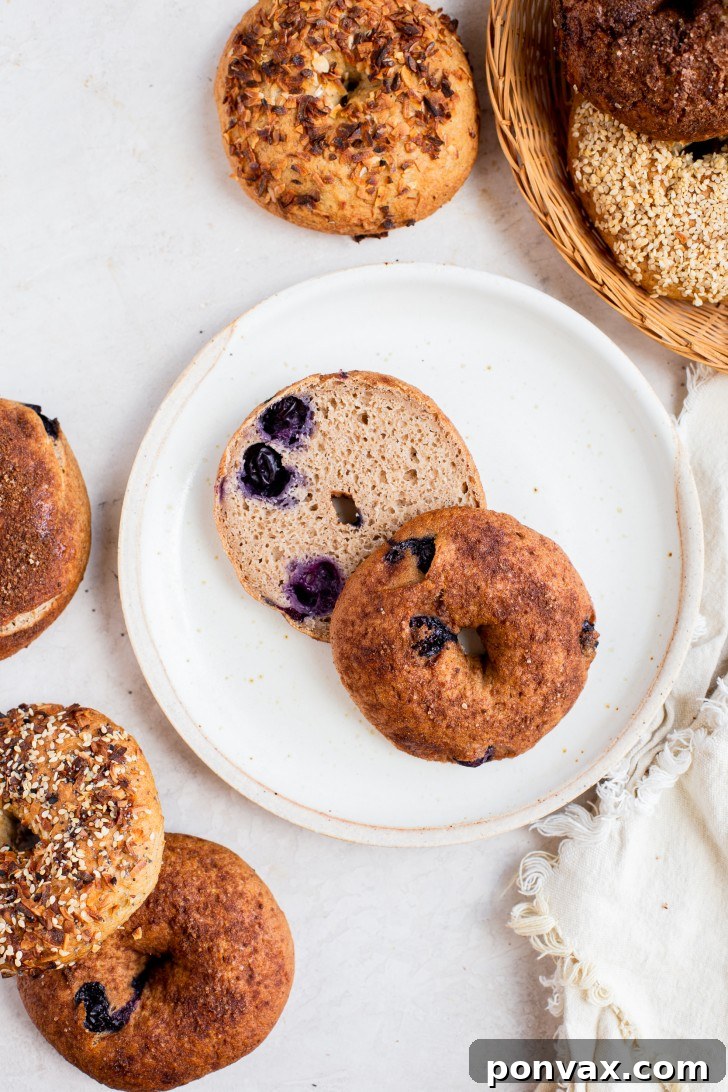
Optimal Storage and Reheating Tips for Your Gluten-Free Bagels
Once you’ve invested time and effort into baking these delicious gluten-free bagels, you’ll want to ensure they stay fresh for as long as possible. Proper storage is key to maintaining their texture and flavor.
- Room Temperature Storage: To enjoy your bagels fresh, store them in an airtight bag or container at room temperature for 2 to 3 days. This prevents them from drying out and keeps the crust perfectly chewy.
- Freezer Storage for Long-Term Freshness: For longer storage, bagels freeze beautifully. I recommend slicing them in half before freezing. Place the sliced bagels in an airtight freezer-safe bag or container, removing as much air as possible to prevent freezer burn. They will keep well in the freezer for up to 6 months. This way, you can grab one whenever you like!
- Reheating Frozen Bagels: When you’re ready to enjoy a frozen bagel, there’s no need to thaw it completely. Simply pop the frozen half into a toaster or toaster oven until warmed through and lightly golden. If reheating a whole bagel, you can microwave it briefly (15-30 seconds) to soften it, then toast for crispness, or bake it in a preheated oven at 350°F (175°C) for about 5-10 minutes until warmed and crisp. This brings them back to life, almost as good as fresh out of the oven!
Tips for Gluten-Free Bagel Baking Success
Baking gluten-free can sometimes be a bit different from traditional baking, but with a few pointers, you’ll be making perfect bagels every time:
- Use a Kitchen Scale: While volume measurements are provided, using a kitchen scale for your ingredients, especially flours and water, will yield the most accurate and consistent results. Gluten-free flours can vary significantly in density, so precise measurements are crucial for the right dough consistency.
- Warm Water for Yeast: Ensure your water for activating yeast is between 100-110°F (38-43°C). Too cold, and the yeast won’t activate; too hot, and you’ll kill it. It should feel comfortably warm, not hot, to the touch.
- Don’t Skip the Psyllium Husk: Psyllium husk acts as a crucial binder in gluten-free baking, mimicking the elastic properties of gluten. It’s essential for the structure and chewiness of these bagels. Make sure to use whole psyllium husk, as ground psyllium can absorb liquids differently.
- Proper Dough Consistency: Gluten-free doughs can feel different from wheat doughs. This dough should be soft, pliable, and slightly sticky, but manageable. If it feels too wet, you can add a tiny bit more brown rice flour; if too dry, a splash of water.
- Gentle Handling: Gluten-free dough can be more delicate. Handle it gently when shaping and transferring to avoid deflating the air pockets created during rising.
- Monitor Rising Times: Gluten-free doughs can sometimes rise faster or slower depending on your environment. Watch the dough, not just the clock. The dough should roughly double in size during bulk fermentation and become slightly puffy during the second rise, but avoid over-proofing.
- Boiling Temperature: Keep the water at a steady simmer, not a rolling boil, when boiling the bagels. This helps them cook evenly without getting too soft or falling apart.
- Parchment Paper is Your Friend: Use parchment paper on your baking sheet to prevent sticking and for easy transfer of the boiled bagels to the oven.
Frequently Asked Questions About Gluten-Free Bagels
Here are answers to some common questions you might have when making these delicious bagels:
Can I use a different gluten-free flour blend?
This recipe is specifically formulated with potato starch, tapioca flour, sorghum flour, and brown rice flour to achieve the perfect texture. Substituting with a general gluten-free all-purpose blend might alter the results significantly, as these blends vary widely in their composition. For best results, stick to the flours specified.
What if my yeast doesn’t foam?
If your yeast doesn’t foam or bubble after 10-15 minutes, it might be inactive or the water temperature was incorrect. Discard the mixture and start again with fresh yeast and properly warmed water. Active yeast is crucial for the bagels to rise properly.
Can I make these bagels ahead of time?
Yes, you can prepare the dough and let it bulk ferment, then shape the bagels and refrigerate them overnight for a slower second rise. Bring them to room temperature for about 30 minutes before boiling and baking. This can be a great option for fresh bagels in the morning!
Is psyllium husk really necessary?
Absolutely. Psyllium husk is a vital ingredient in this recipe, providing the necessary binding and elasticity that gluten offers in traditional bagels. It helps create the chewy texture and structure, so it cannot be omitted or easily substituted.
My bagels are too dense/too soft. What went wrong?
Density can often be linked to under-proofing or incorrect flour-to-liquid ratios. Ensure your yeast is active, your measurements are accurate (especially if using a scale), and the dough has enough time to rise in a warm environment. If they are too soft, it could be insufficient boiling time or an imbalance in flours. Review the recipe steps carefully.
Explore More Gluten-Free Bread Recipes
If you’ve enjoyed making these gluten-free bagels, you’ll love exploring my other popular gluten-free bread and baking recipes:
- Gluten-Free Sourdough Bagels
- Homemade Gluten-Free Bread
- Gluten-Free Sourdough Crackers
- Gluten-Free Sourdough Pizza Crust
- How to Make Gluten-Free Sourdough Bread
- Gluten-Free Sourdough Chocolate Chip Cookies
- Gluten-Free Sourdough Focaccia
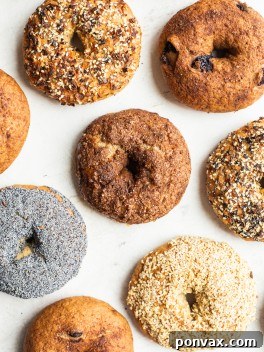
Gluten-Free Bagels Recipe
These homemade gluten-free bagels are fluffy, tender, and perfectly chewy, just like the ones from your favorite bagel shop! Customize them with your preferred toppings and store extras in the freezer for convenience. They’re also vegan!
Note: While volume measurements are provided, using a kitchen scale for ingredients is highly recommended for gluten-free baking to ensure accuracy and the best results.
Prep Time: 30 mins
Cook Time: 30 mins
Rise Time: 2 hrs
Total Time: 3 hrs
Yield: 8 bagels
Ingredients
To activate the yeast
- 7 g (2.5 tsp) active dry yeast
- ¼ cup + 3 tablespoons (100g) warm filtered water
- 1 tablespoon (20g) maple syrup, honey, or cane sugar
For the dough
- ¼ cup (20g) whole psyllium husk
- 1⅔ cup (375g) filtered water
- 1 tablespoon (15g) olive oil
- ½ cup (80g) potato starch
- ¼ cup + 2 tablespoons (60g) tapioca flour or arrowroot flour
- 1 cup (150g) sorghum flour
- 1 cup + 3 tablespoons (190g) brown rice flour
- 2 teaspoons (12g) sea salt
For the sweet version (optional)
- ¼ cup (45g) coconut sugar
- 1 teaspoon (3g) cinnamon
For the boiling mixture
- 1½ tablespoons baking soda
- 6 cups water
Instructions
- Activate the Yeast: In a small bowl, combine the yeast with your chosen sweetener (maple syrup, honey, or cane sugar) and warm water (100-110℉). The water should feel warm, not hot, to the touch. Let this mixture sit for 10 to 15 minutes until it becomes bubbly and foamy, indicating the yeast is active.
- Prepare the Psyllium Gel: In a separate bowl or liquid measuring cup, thoroughly mix together the whole psyllium husk, olive oil, and filtered water. Whisk vigorously to break up any clumps. Allow it to sit for a few minutes until it thickens into a gel-like consistency. This gel is vital for the bagel’s structure.
- Combine Dry Ingredients: In a large mixing bowl or the bowl of a stand mixer, combine all the flours (potato starch, tapioca/arrowroot flour, sorghum flour, brown rice flour) and sea salt. Whisk them together thoroughly. If you are making a sweet batch, incorporate the coconut sugar and cinnamon now.
- Mix the Dough: Add the prepared psyllium gel and the activated yeast mixture to your dry ingredients. If using a stand mixer, attach the dough hook and mix on medium speed until the dough is fully combined and smooth. Scrape down the sides of the bowl periodically and flip the dough to ensure everything is evenly incorporated. If mixing by hand, start with a dough whisk, then turn the dough out onto a clean countertop and knead by hand until all the flour is fully integrated and the dough is smooth.
- Add Mix-ins (Optional): If you’re incorporating any mix-ins like blueberries or chocolate chips, gently knead them into the dough at this stage until evenly distributed.
- First Rise (Bulk Fermentation): Place the dough back into the mixing bowl, cover it with a clean tea towel, and let it rise in a warm place for 1 hour. During this bulk fermentation, the dough should noticeably increase in size, often doubling, and become nice and puffy.
- Shape the Bagels: Gently punch down the dough to release the air bubbles. Divide the dough into 8 equal pieces, each weighing approximately 122g for consistency. Shape each piece into a bagel. A common method is to roll the dough into a smooth ball, then use your thumb to press a hole in the center, gently widening the hole with your fingers. Alternatively, you can roll the dough into a long rope and then connect the ends to form a circle.
- Second Rise (Proofing): Arrange the shaped bagels on a baking sheet lined with parchment paper. Cover them with a clean tea towel and allow them to rise again for 30 minutes to 1 hour, or until they look slightly more puffy. Be careful not to overproof them; watch closely for signs of a slight increase in volume.
- Preheat Oven and Prepare Boiling Water: While the bagels are undergoing their second rise, preheat your oven to 425℉ (220°C). Fill a large pot with 6 cups of water and bring it to a rolling boil.
- Boil the Bagels: Once the bagels have puffed sufficiently and the water is boiling, add the 1½ tablespoons of baking soda to the boiling water. Carefully place the bagels into the boiling water, one or two at a time depending on your pot’s size, and boil for 30 seconds on each side. Use a spider strainer or slotted spoon to gently lower and remove the bagels, allowing excess water to drip off before placing them back onto the parchment-lined baking sheet.
- Add Toppings and Bake: After boiling all the bagels, immediately add your desired toppings, such as everything bagel seasoning, sesame seeds, poppy seeds, or cinnamon sugar. Place the topped bagels into the preheated oven without delay.
- Bake: Bake for 30 minutes, or until the bagels are beautifully golden brown on top and crisp on the bottom.
- Cool and Serve: Allow the bagels to cool slightly on a wire rack before slicing and enjoying.
- Storage: Store leftover bagels in an airtight bag or container at room temperature for up to 3 days. For longer storage, slice them in half and freeze in an airtight container for up to 6 months.