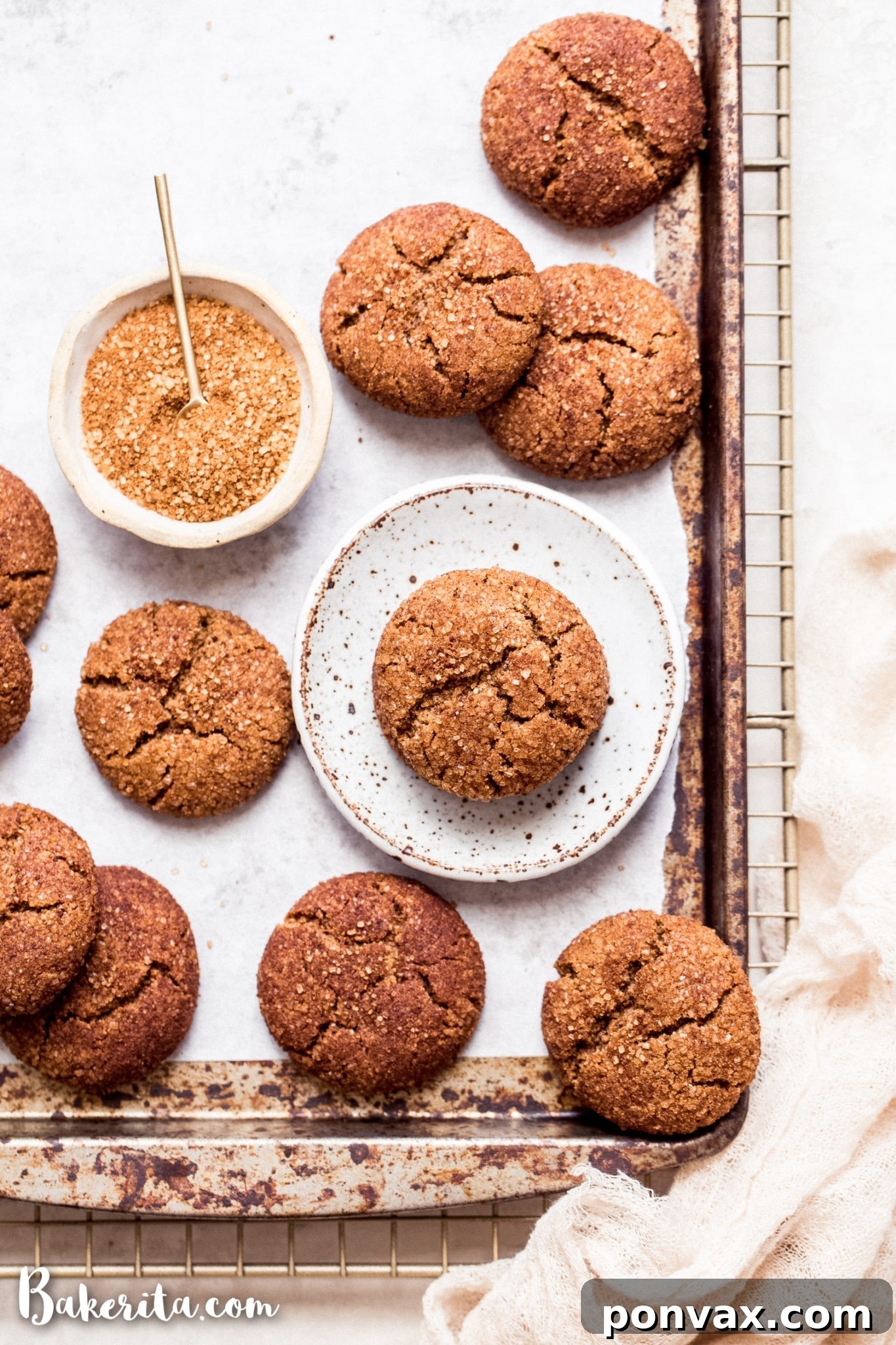
Indulge in the magic of homemade cookies with these delightful Gluten-Free & Vegan Snickerdoodles. Crafted for perfection, they are wonderfully thick, luxuriously chewy, and boast an irresistible pillowy soft texture, all enveloped in that classic, comforting cinnamon-sugar coating. Ideal for wholesome holiday baking or whenever a sweet craving calls, these cookies are a guilt-free pleasure you won’t want to miss!
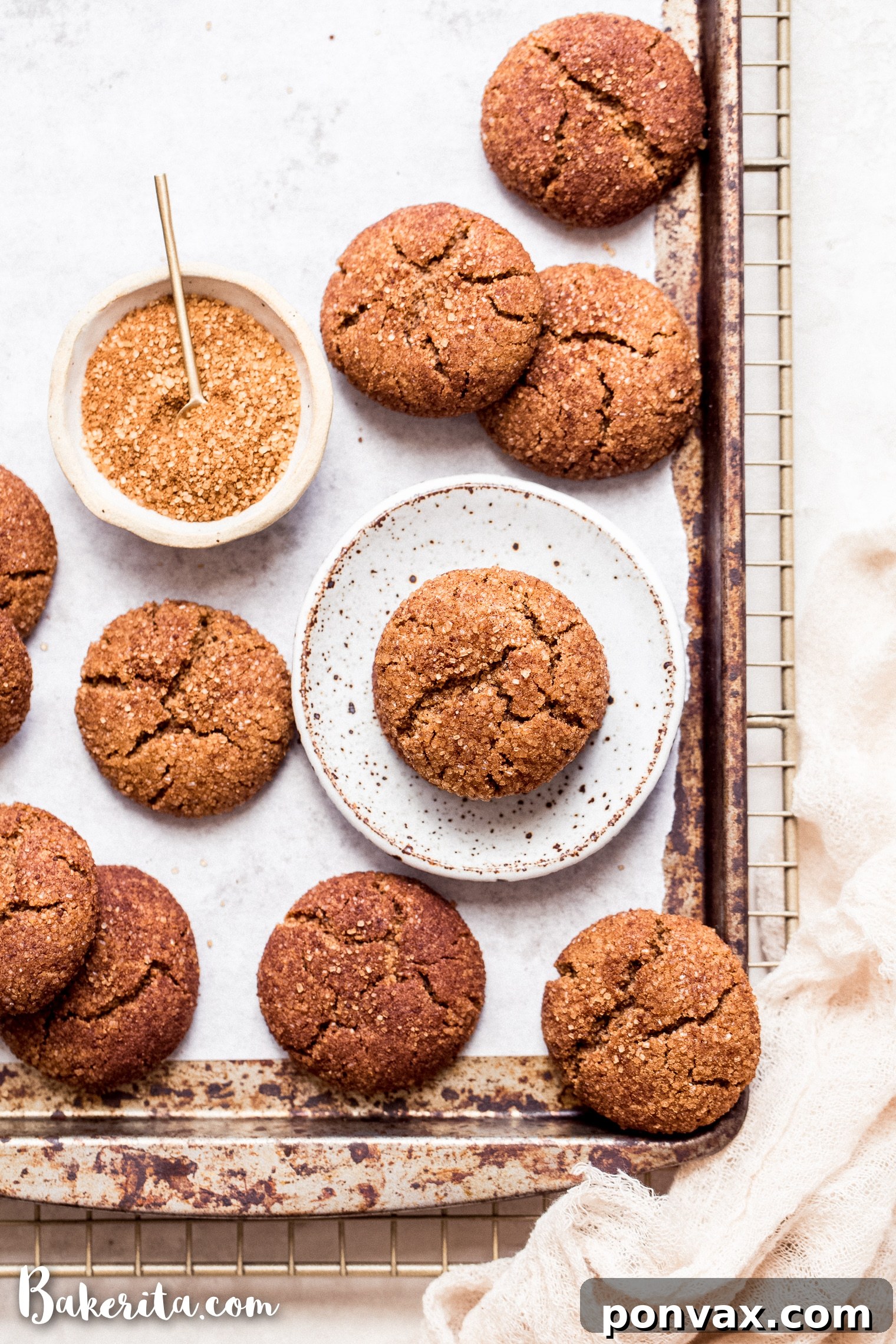
Gluten-Free Vegan Snickerdoodles: The Ultimate Guide to Soft, Chewy Perfection
Prepare to fall in love with what might just be the best gluten-free and vegan snickerdoodle cookies you’ll ever bake. These culinary marvels achieve an extraordinary balance of textures: an extra soft, deeply chewy interior that practically melts in your mouth, perfectly contrasted by a deliciously crunchy cinnamon-sugar edge. What makes them even more remarkable is their foundation of healthy, wholesome ingredients, ensuring a treat that’s both incredibly rich and satisfying.
As we approach the festive season, these snickerdoodles are a must-add to your baking repertoire, offering a dairy-free and egg-free alternative that everyone can enjoy. They stand proudly alongside other amazing gluten-free cookies, promising pure holiday cheer in every bite!
What Makes Our Snickerdoodles Stand Out?
Unforgettable Texture: Pillowy Soft and Gorgeously Chewy
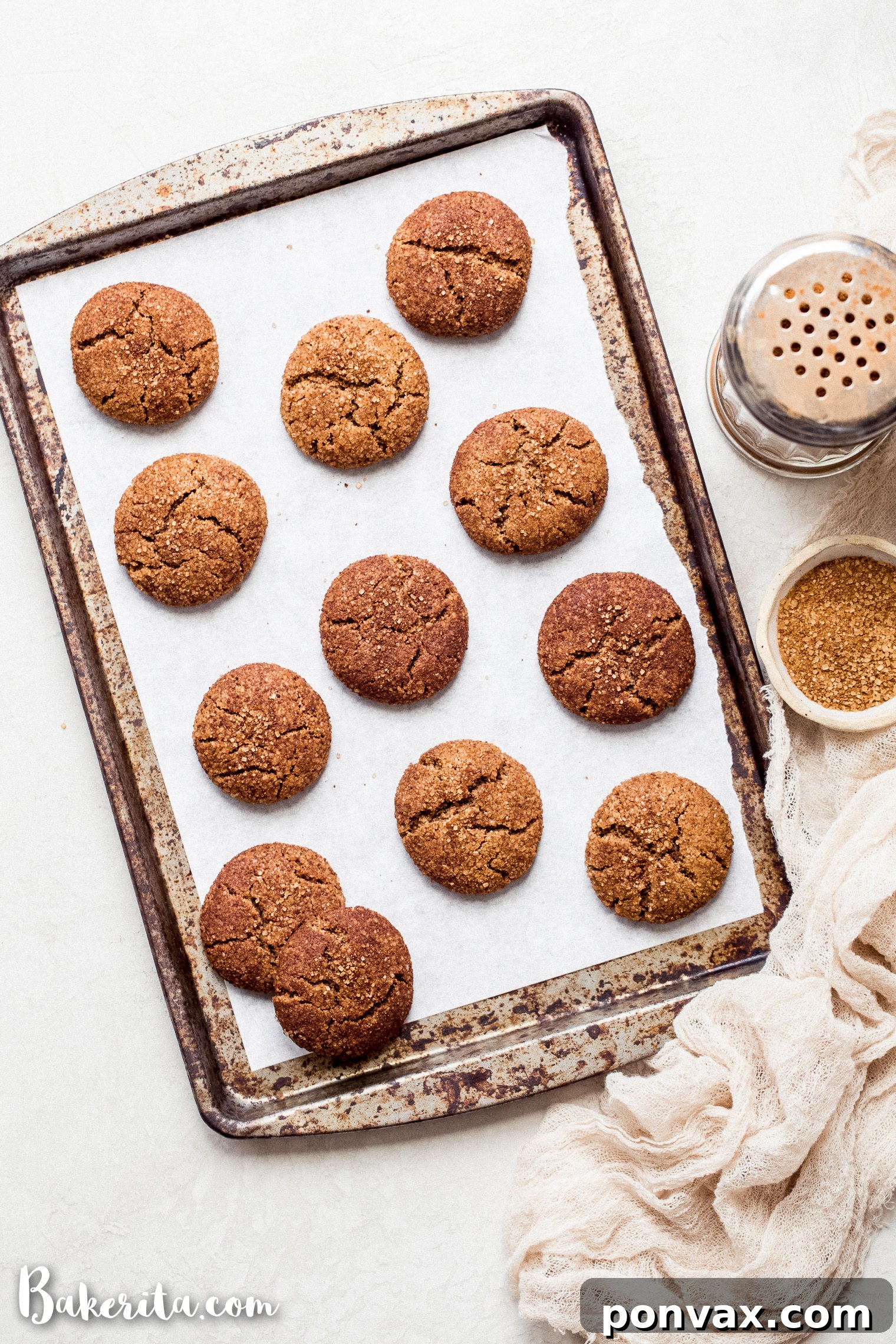
In the realm of gluten-free baking, achieving the perfect texture can often be a challenge. Many gluten-free cookies tend to be dry, crumbly, or overly dense. However, our snickerdoodle recipe defies these common pitfalls. Each cookie emerges from the oven with a truly pillowy soft center that yields to a satisfying chewiness with every bite. This isn’t just a claim; it’s a carefully balanced act of ingredients that work in harmony to mimic the elasticity and tenderness traditionally found in wheat-based cookies. The result is a cookie experience that’s so genuinely soft and moist, you might forget it’s gluten-free and vegan.
Aromatic Cinnamon-Sugar Bliss
A snickerdoodle simply isn’t complete without its iconic cinnamon-sugar coating. For these vegan and gluten-free versions, we’ve perfected this crucial element to deliver an aromatic, slightly crisp exterior that perfectly complements the soft interior. The warmth of the cinnamon combined with the subtle sweetness of the sugar creates a comforting aroma that fills your kitchen and instantly signals a delectable treat. This coating isn’t just for flavor; it provides that delightful textural contrast, turning a simple cookie into an extraordinary indulgence.
Wholesome Ingredients, Incredible Taste
Beyond their sensational taste and texture, these snickerdoodles are crafted with health-conscious individuals in mind. By utilizing gluten-free flours, natural sweeteners like coconut sugar, and plant-based fats, we’ve created a cookie that aligns with various dietary needs without compromising on flavor. You can enjoy these rich, chewy delights knowing they’re made with ingredients that nourish your body, making them a healthier choice for everyday enjoyment or special occasions.
Essential Ingredients for Your Gluten-Free Vegan Snickerdoodles
Crafting these healthy paleo snickerdoodle cookies requires just a handful of straightforward ingredients. Each component plays a vital role in achieving the desired texture and flavor. Here’s a closer look at what you’ll need and why:
- Blanched Almond Flour: This is a cornerstone of our gluten-free base. Be sure to use blanched almond flour, which is made from almonds with their skins removed, resulting in a finer, lighter texture. This fine consistency is crucial for creating a delicate, soft cookie structure. Almond meal, on the other hand, is coarser and would lead to a gritty texture, impacting the final result significantly. Almond flour also adds healthy fats and a subtle nutty flavor.
- Cassava Flour: Another fantastic grain-free flour, cassava flour contributes significantly to the cookie’s soft, chewy texture. It acts as a binder, helping to prevent the cookies from becoming too crumbly. Its neutral flavor makes it versatile for baking. If you don’t have cassava flour on hand, you can substitute it with an equal amount of extra almond flour, though the texture might vary slightly.
- Coconut Sugar: We opt for coconut sugar to keep these cookies refined sugar-free. Coconut sugar offers a caramel-like flavor that beautifully complements the cinnamon, and it’s a more natural alternative with a lower glycemic index compared to granulated sugar. If necessary, brown sugar can be used as a substitute, but it will alter the refined sugar-free aspect.
- Flax Egg: To ensure these snickerdoodles are completely vegan, we use a simple flax egg as a binder. To prepare, combine 1.5 tablespoons of flaxseed meal with 4 tablespoons of water. Whisk thoroughly and allow the mixture to sit for about 10 minutes until it thickens to a gelatinous, egg-like consistency. This helps hold the cookies together and adds moisture.
- Refined Coconut Oil: The choice of refined coconut oil is important because it has a neutral flavor, unlike virgin coconut oil which can impart a distinct coconut taste. Ensure your coconut oil is slightly softened, not completely melted. It should have a creamy, butter-like consistency, which is crucial for the proper blending of ingredients and the final cookie texture.
- Creamy Cashew Butter: Cashew butter is a brilliant addition, providing essential structure to the cookies without the need for traditional dairy butter. Its incredibly creamy texture and neutral, subtly buttery flavor make it an ideal fat binder, contributing to the rich mouthfeel. We highly recommend Artisana Organics brand for its exceptional quality and flavor. While almond butter can be substituted, cashew butter offers a truly unparalleled creaminess.
- Baking Soda: This leavening agent is critical for helping the cookies puff up and achieve their characteristic soft, slightly airy texture. It reacts with other ingredients to create carbon dioxide, which gives the cookies their rise.
- Vanilla Extract: A classic flavor enhancer in almost any cookie recipe, vanilla extract adds depth and warmth, perfectly rounding out the sweet and spicy notes of the snickerdoodles.
- Kosher Salt: Just a touch of kosher salt is essential for balancing the sweetness and enhancing all the other flavors in the cookie. It brings out the best in the cinnamon and coconut sugar.
- Ground Cinnamon: Cinnamon is not just an ingredient; it’s the very soul of a snickerdoodle! It infuses the dough with its warm, comforting spice and is absolutely crucial for the signature outer coating, delivering that unmistakable snickerdoodle aroma and taste.
- Raw Turbinado Sugar (for coating): This coarse sugar is specifically for the delectable outer coating. Turbinado sugar provides a wonderful crunch and sparkling appearance. If you prefer to keep these entirely paleo or only have coconut sugar on hand, feel free to substitute it for the coating as well.
The Cream of Tartar Question: Achieving Tangy Softness Without It
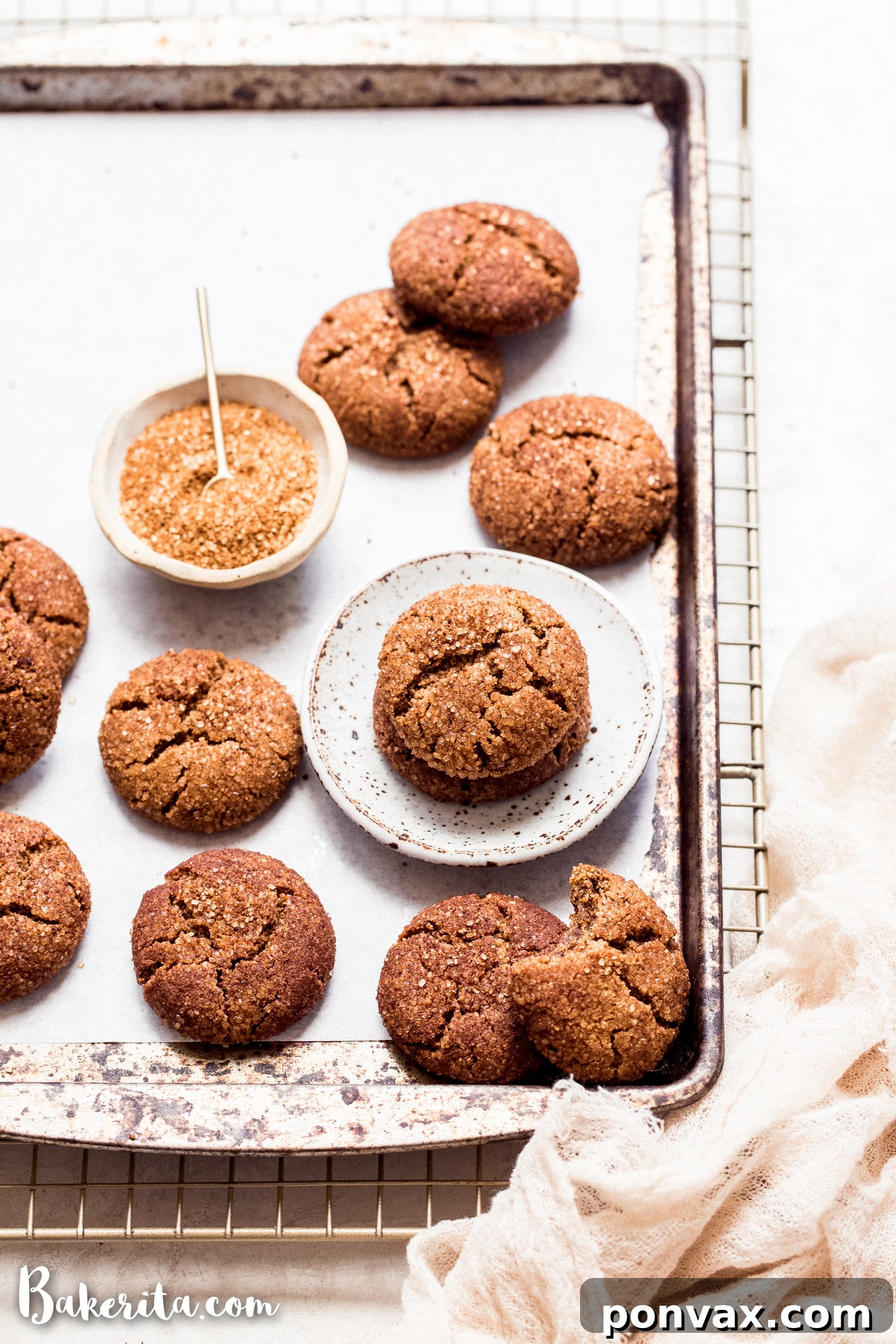
One common question about snickerdoodles is whether they can be made without cream of tartar. The answer for this recipe is a resounding yes! Traditionally, cream of tartar is used in conjunction with baking soda to create the classic soft, slightly crumbly cookie texture with its characteristic tangy flavor.
However, we’ve ingeniously crafted these gluten-free and vegan snickerdoodles to achieve that desirable soft and chewy texture without relying on cream of tartar. The magic happens through the synergistic blend of ingredients like coconut sugar, perfectly softened coconut oil, and creamy cashew butter. These components naturally contribute to a tender crumb and rich mouthfeel, eliminating the need for an additional leavening agent for tanginess. While baking soda is still essential for the cookies to puff up beautifully, you’ll find that cream of tartar is simply not necessary to achieve a truly authentic and incredibly delicious snickerdoodle experience with this recipe.
Mastering the Art of Thick and Soft Snickerdoodles
Achieving those perfectly thick, wonderfully chewy, and irresistibly soft snickerdoodles we all adore isn’t by accident. It’s the result of a few carefully chosen ingredients and techniques working in harmony. Here’s how we ensure every cookie is a masterpiece of texture:
The Power Duo: Coconut Oil & Cashew Butter as Your Fat Binders
In this recipe, the traditional butter is replaced by a powerful combination of softened refined coconut oil and creamy cashew butter. This duo is the secret behind the cookies’ incredible texture. Refined coconut oil, when softened to the consistency of room-temperature butter, provides the richness and structure without imparting a strong coconut flavor. Cashew butter, with its exceptionally smooth and neutral profile, acts as a superb fat binder, contributing to the cookies’ remarkable chewiness and soft interior. This specific blend of healthy fats flawlessly replicates the luxurious mouthfeel of conventional snickerdoodles, all while eliminating the need for cream of tartar to achieve that signature soft and chewy characteristic. While almond butter can be used, cashew butter truly shines for its superior creaminess and neutral taste.
The Perfect Flour Blend: Almond and Cassava for Pillowy Softness
The choice of dry ingredients is equally important. Our recipe utilizes a thoughtful mixture of blanched almond flour and cassava flour. Not only do these flours make the cookies paleo-friendly, but they are also instrumental in creating that desired extra pillowy soft texture. Almond flour provides a delicate base, while cassava flour adds a subtle elasticity that prevents the cookies from being too dense or crumbly, a common issue in many gluten-free baked goods. This combination ensures a tender, moist crumb that holds its shape beautifully. Both almond and cassava flours are staples in my kitchen, used in many successful recipes like this yummy gluten-free vegan shortbread, proving their versatility and effectiveness.
The Importance of Chilling Your Dough
While it might seem like an extra step, chilling the cookie dough is absolutely vital for these snickerdoodles. Refrigerating the dough for at least 30 minutes (and up to 48 hours for even richer flavor development) allows the fats to firm up and the flours to fully hydrate. This process prevents the cookies from spreading too much during baking, ensuring they maintain their thick, uniform shape. Furthermore, chilled dough is significantly easier to handle and roll into perfect balls, making the overall baking process smoother and more enjoyable. Don’t skip this crucial step for the best results!
The Signature Cinnamon-Sugar Coating: A Must-Have Detail
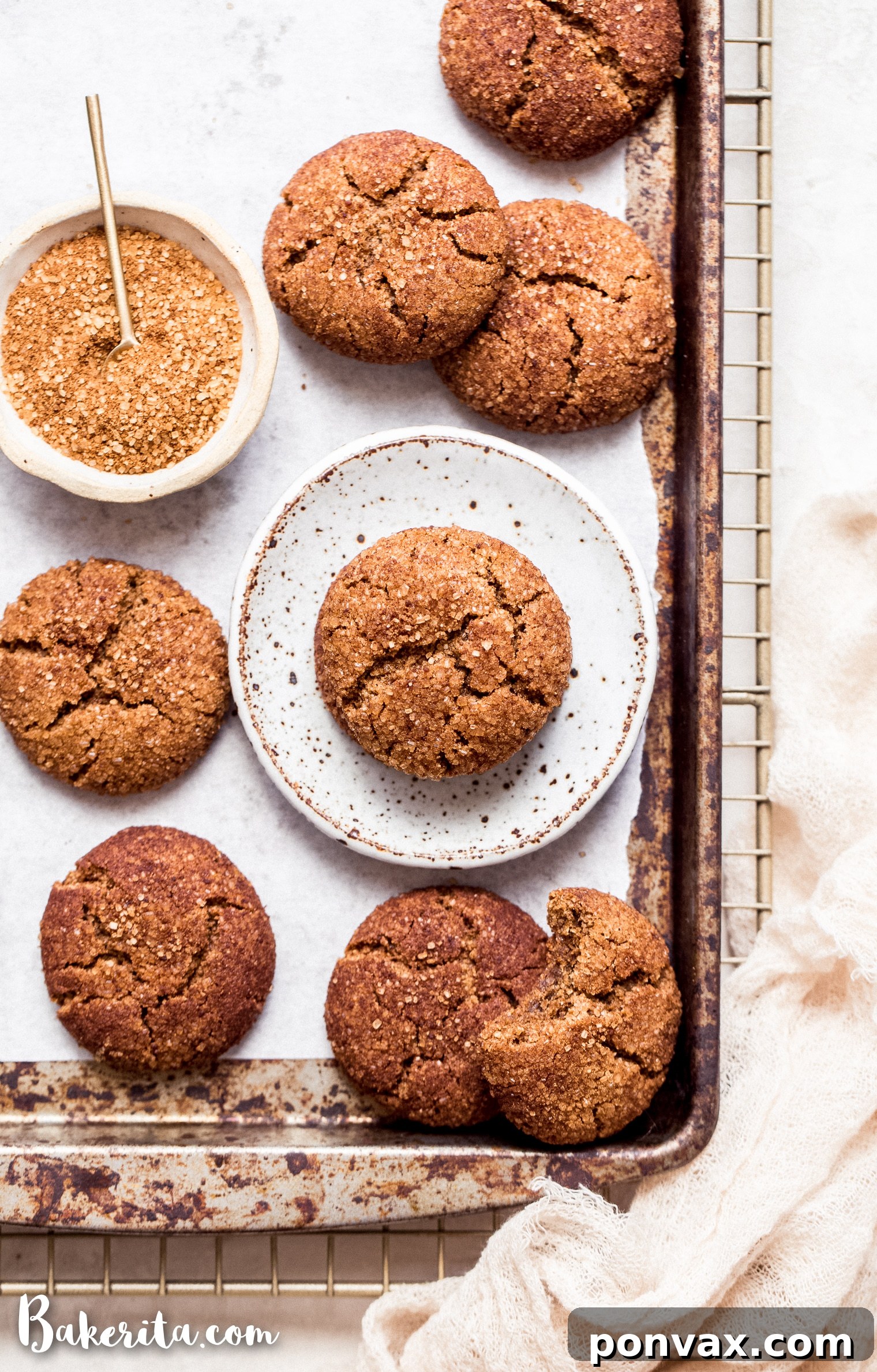
A snickerdoodle without its iconic cinnamon-sugar coating is like a day without sunshine – simply incomplete! This glorious coating is what truly defines a snickerdoodle and can make or break your cookies. While your dough is chilling, take a moment to prepare this magical mixture. You’ll combine fragrant ground cinnamon with raw turbinado sugar. I personally adore using turbinado sugar because its larger crystals create an extra satisfying crunch and a beautiful sparkle on the cookies. However, if you prefer, coconut sugar or raw cane sugar will also work beautifully, offering slightly different textures and sweetness profiles.
Once your dough has had its chill time, roll each perfectly portioned cookie dough ball generously in this cinnamon-sugar mixture before carefully placing them onto your baking sheet. This ensures every nook and cranny is coated, ready to bake into a golden-brown masterpiece. There’s nothing quite like pulling these snickerdoodles straight from the oven and enjoying them while they’re still warm and wonderfully soft. It’s a simple pleasure that truly elevates the experience. What more could one ask for?
Storage and Freezing Tips for Freshness
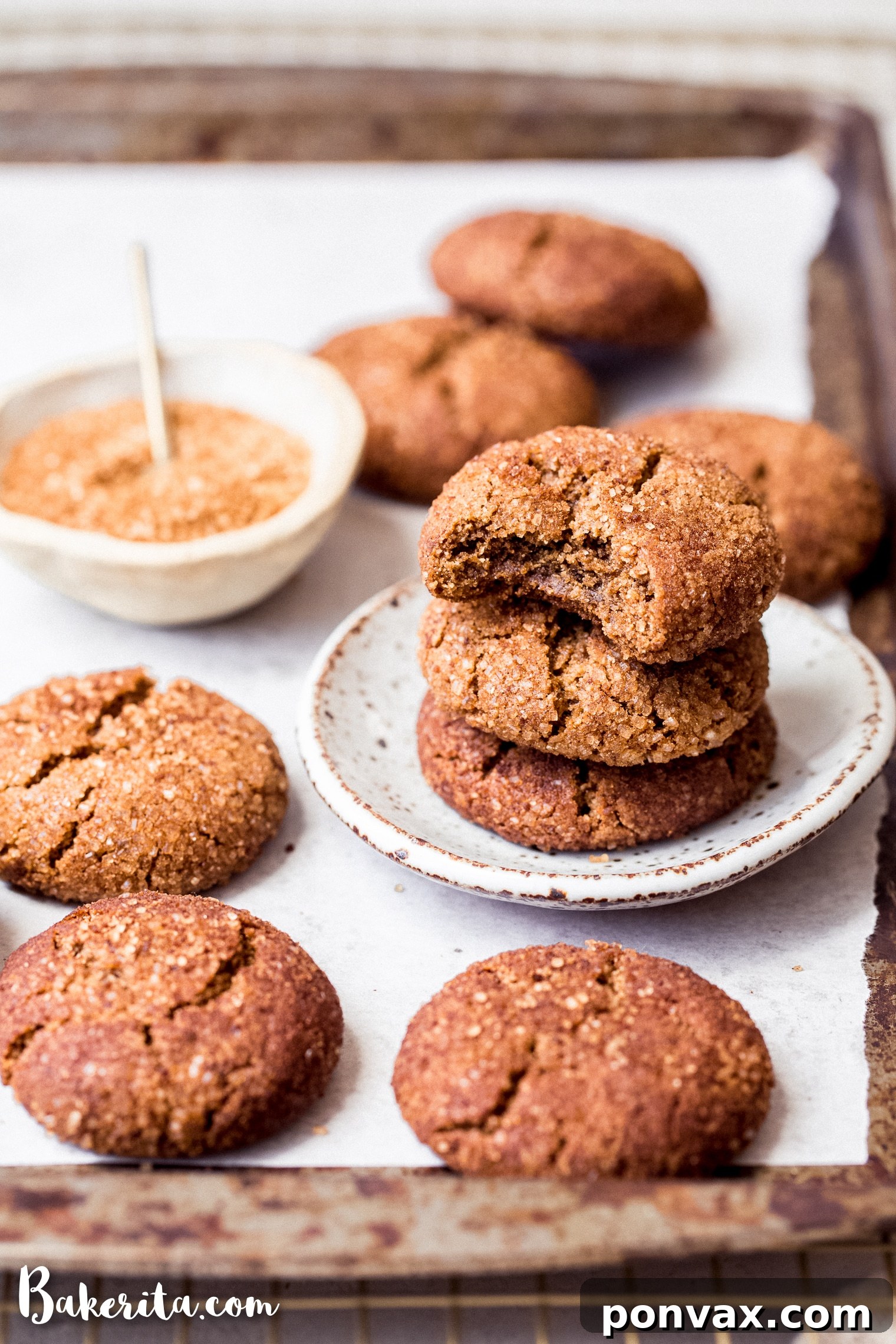
To keep your gluten-free vegan snickerdoodles at their absolute best, proper storage is key. Once baked and completely cooled, store the cookies in an airtight container at room temperature for up to 5 days. They tend to maintain their soft, chewy texture wonderfully. For longer storage, these cookies freeze beautifully! Place cooled cookies in a single layer on a baking sheet to flash freeze for about an hour, then transfer them to a freezer-safe bag or container. They can be stored in the freezer for up to 3 months. Thaw at room temperature or gently warm in the microwave for a fresh-baked feel.
You can also freeze the unbaked cookie dough. Form the dough into balls, roll them in the cinnamon-sugar coating, and then freeze them on a baking sheet. Once solid, transfer to a freezer-safe bag. When you’re ready to bake, simply place the frozen dough balls on a parchment-lined baking sheet and add an extra minute or two to the baking time.
Frequently Asked Questions (FAQs)
- Can I use a different nut butter?
- While cashew butter offers the most neutral and buttery flavor, almond butter can be substituted. Be aware that it may impart a slightly different flavor and potentially a slightly denser texture. Ensure it’s a creamy, unsweetened variety.
- Are these snickerdoodles truly paleo?
- Yes, these snickerdoodles are designed to be paleo-friendly! They use blanched almond flour and cassava flour (grain-free), coconut sugar (refined sugar-free), and plant-based fats. Just ensure you use coconut sugar or raw turbinado sugar for the coating to maintain paleo compliance.
- How long do these cookies stay fresh?
- When stored in an airtight container at room temperature, these snickerdoodles will remain fresh and delicious for up to 5 days. For optimal freshness, you can also refrigerate them or freeze them for longer periods.
- What if my cookies turn out flat?
- Flat cookies can happen for several reasons. Ensure your coconut oil is softened, not melted, as too much liquid can cause spreading. Also, make sure your baking soda is fresh and active. Most importantly, do not skip the chilling step for the dough; this helps the fats solidify, preventing excessive spreading during baking.
- What is “blanched” almond flour?
- Blanched almond flour is made from almonds that have had their skins removed before being ground into a fine flour. This results in a lighter color and a smoother texture compared to unblanched almond flour (or almond meal), which retains the skins and has a coarser texture.
Explore More Healthy Holiday Cookie Recipes
If you’re looking for more delicious, health-conscious treats for the holiday season or any time of year, be sure to check out these other fantastic recipes:
- Gluten-Free Vegan Peppermint Chocolate Chip Cookies
- Paleo Chocolate Chip Cookies (with vegan option)
- Gluten-Free Vegan Chocolate Crinkle Cookies
- Salted Caramel Thumbprint Cookies
Gluten-Free Vegan Snickerdoodles
Pin Recipe
15 mins
10 mins
55 mins
16 cookies
Ingredients
For the cookies
- 3 tablespoons (37g) refined coconut oil, softened with a texture similar to softened butter
- 3 tablespoons (48g) creamy cashew butter
- ½ cup coconut sugar
- 1½ flax eggs (1.5 tablespoon flax meal + 4 tablespoons water, whisk and let set for 10 minutes)
- 1½ teaspoon vanilla extract
- 1⅓ cups (128g) blanched almond flour
- ¼ cup + 2 tablespoons (53g) cassava flour
- 1½ teaspoons ground cinnamon
- ¾ teaspoon baking soda
- ½ teaspoons kosher salt
To roll the cookies in
- 3 tablespoons coconut sugar or raw turbinado sugar
- 1 teaspoon ground cinnamon
Instructions
- In a large bowl, stir together the coconut oil, cashew butter, and coconut sugar until fully combined, about 1 minute.
- Beat in the flax eggs, then stir in the vanilla extract.
- In a separate bowl, whisk together the blanched almond flour, cassava flour, cinnamon, baking soda, and salt. Add the dry ingredients to the wet ingredients and stir together until completely combined.
- Place dough in the refrigerator for at least 30 minutes before forming balls to make it easier to work with – you can leave the dough in the fridge (covered) for up to 48 hours.
- When you’re ready to bake, preheat oven to 350°F.
- Mix together the sugar and cinnamon in a small bowl to roll the cookies in.
- Use a small cookie scoop (mine fits 2 teaspoons of dough) to make cookie dough balls, roll into a ball with your hands, and then roll each dough ball in the sugar mixture. Place the cookies 2 inches apart onto an parchment-lined cookie sheet.
- Bake for about 10 minutes in the preheated oven, or until they’ve puffed and cracked. Let cool completely on the cookie sheet.
- Store in an airtight container for up to 5 days.
Did you make this recipe?
Please consider leaving a star rating and review!