Welcome to the definitive guide on mastering psyllium husk for gluten-free baking! If you’ve ever struggled to achieve that perfect chewy texture and sturdy structure in your gluten-free breads and baked goods, psyllium husk is your secret weapon. This comprehensive guide will demystify everything you need to know: from understanding what psyllium husk is and why it’s indispensable in gluten-free recipes, to distinguishing between whole husk and powder, and even troubleshooting common baking challenges like purple bread. Our goal is to empower you to bake the best gluten-free creations possible, transforming your baking experience with this incredible ingredient.
What Exactly is Psyllium Husk?
Psyllium husk is a natural, soluble dietary fiber derived from the outer husks of the seeds of Plantago ovata, an herb native to parts of Asia, the Mediterranean, and North Africa. Often recognized for its digestive health benefits, psyllium is a bulk-forming laxative, frequently found in supplements like Metamucil, due to its remarkable ability to absorb water and form a gel. This unique gelling property is precisely what makes it an invaluable ingredient in gluten-free baking. Unlike other fibers, psyllium forms a viscous compound that mimics the elastic and binding qualities of gluten, providing structure and workability to doughs that would otherwise be crumbly and difficult to handle.
When hydrated, the psyllium husks swell significantly, creating a mucilaginous gel. This gel acts as a powerful binder, holding ingredients together and preventing gluten-free baked goods from falling apart. It also contributes to moisture retention, resulting in a softer, fresher product with a longer shelf life. For gluten-free bakers, understanding psyllium husk means unlocking the potential to create breads, pizzas, and other baked items that rival their gluten-containing counterparts in texture and appeal.
Why Psyllium Husk is Essential for Gluten-Free Baking
When baking with wheat flour, gluten proteins form a network that gives dough its elasticity, strength, and ability to trap gases, allowing bread to rise and develop its characteristic chewy texture. Without gluten, gluten-free flours often result in dense, crumbly, or dry baked goods. This is where psyllium husk steps in as a true game-changer.
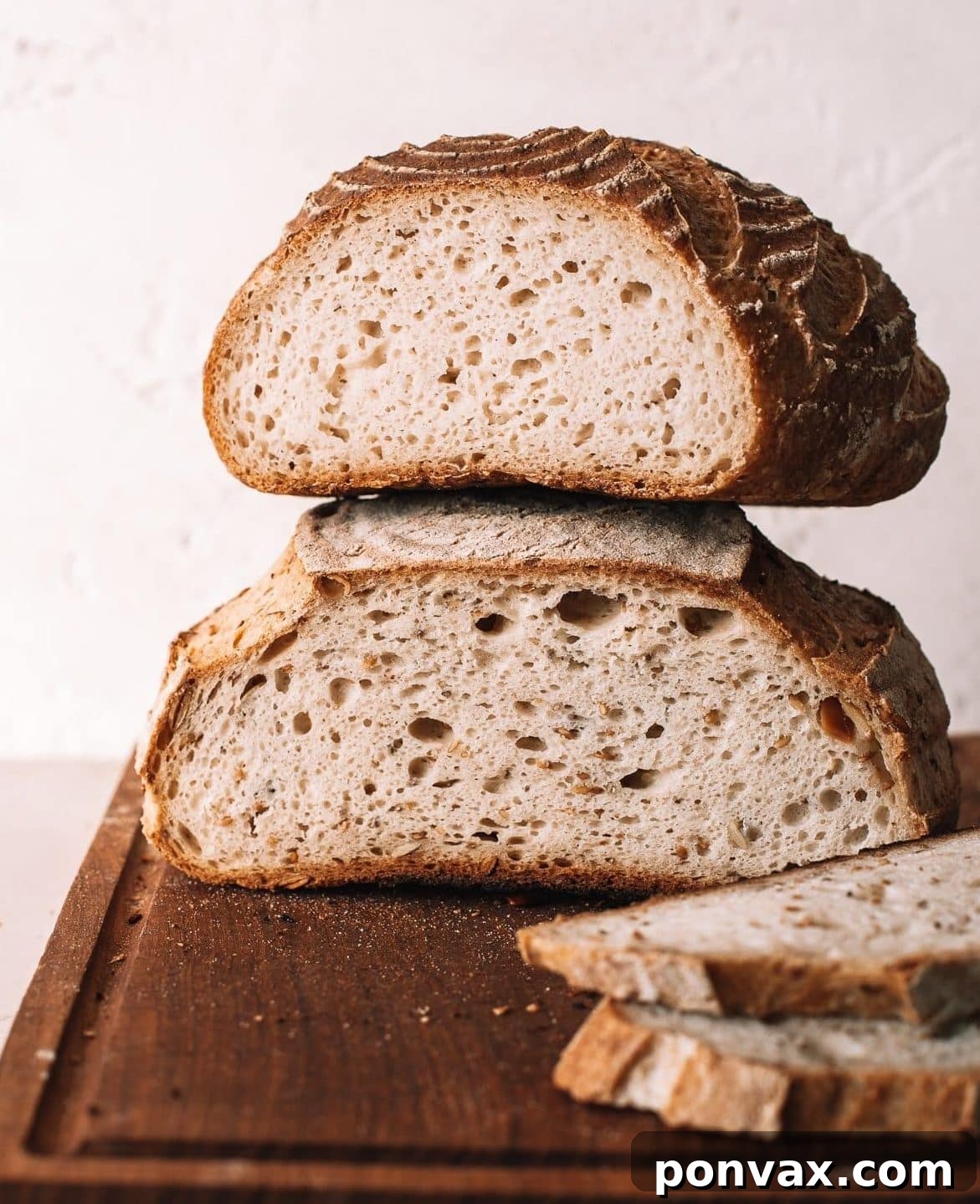
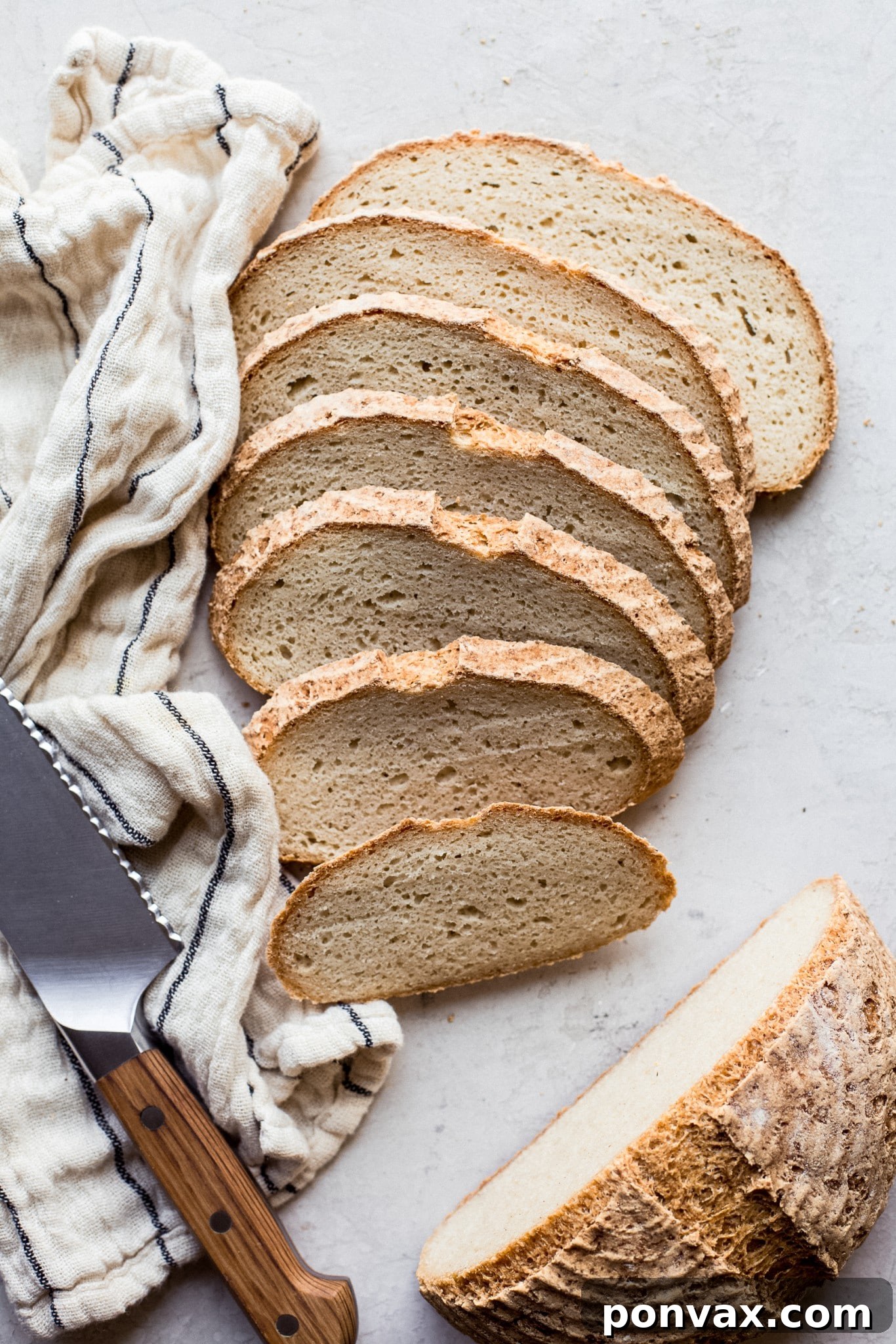
Psyllium husk acts as a remarkable gluten substitute, providing crucial binding properties and elasticity to gluten-free doughs. It transforms an otherwise sticky or unworkable mixture into a pliable, kneadable dough that can be shaped and manipulated much like traditional wheat dough. My extensive experiments have unequivocally shown that psyllium husk is a non-negotiable ingredient for achieving truly exceptional gluten-free bread. It provides the essential structure and support necessary for the bread to rise beautifully, developing an open crumb and a satisfying chewiness that is often missing in gluten-free alternatives.
For my gluten-free bread recipes, I strongly advise against attempting to replace psyllium husk. Its unique ability to create a workable dough that isn’t excessively squishy or sticky is paramount. It allows you to knead, shape, and handle your dough with confidence, replicating the experience of working with gluten-rich dough. Beyond mere workability, psyllium husk is the key to imparting that coveted chewy and stretchy texture that makes a loaf of bread truly delightful.
Psyllium Husk vs. Psyllium Husk Powder: Understanding the Difference
While often used interchangeably in discussion, whole psyllium husk and psyllium husk powder are essentially the same product in different forms. The primary distinction lies in their particle size: psyllium husk powder is simply whole psyllium husk that has been finely ground. This difference in fineness has significant implications for how they behave in recipes, particularly concerning water absorption and overall potency.
Psyllium husk powder, being finer, boasts a much larger surface area. This increased surface area means it can absorb water more rapidly and efficiently than the coarser whole psyllium husk. Consequently, you generally need a smaller quantity of psyllium husk powder to achieve the same gelling and binding effect as whole psyllium husk. Its concentrated nature means that even a slight over-measurement can lead to overly dense or gummy results. Whole psyllium husk, with its larger particles, absorbs water more gradually, making it slightly more forgiving for those new to gluten-free baking.
For my bread recipes and many others, the whole psyllium husk is often specified because that’s how the recipes have been meticulously tested and developed to yield optimal results. It’s also often easier to find in most grocery stores, typically located in the supplement aisle alongside other digestive aids. Always check your recipe carefully to determine which form of psyllium is recommended. If you only have one type on hand and the recipe calls for the other, don’t worry – a simple conversion ensures your baking success.
Precise Conversion: Swapping Husk for Powder
As mentioned, while whole psyllium husk and psyllium husk powder originate from the same plant, their difference in fineness necessitates an adjustment in quantity when substituting one for the other. The powder’s greater surface area and higher density of fiber mean less is required to achieve the desired binding and gelling effect.
To replace whole psyllium husk with psyllium husk powder, use 80% of the amount called for. This means if your recipe specifies 20 grams of whole psyllium husk, you would use 16 grams of psyllium husk powder instead. Similarly, if a recipe calls for 1 tablespoon of whole psyllium husk, you would use approximately 0.8 tablespoons (or just under a full tablespoon) of the powder. Accurate measurement, ideally by weight, is crucial for consistent results when making this substitution.
Remember that this conversion is a general guideline. Some recipes might respond slightly differently, but the 80% rule is a widely accepted and reliable starting point for ensuring your gluten-free baked goods maintain the correct texture and structure when making this swap.
Addressing the Purple Hue: Why Psyllium Husk Can Color Your Bread
One common concern among gluten-free bakers is the perplexing phenomenon of their bread or baked goods turning purple after adding psyllium husk. This happens because psyllium husk contains naturally occurring antioxidants called anthocyanins, which are also responsible for the vibrant colors in blueberries, red cabbage, and other fruits and vegetables. These pigments are primarily concentrated in the outer layer of the psyllium seed’s husk.
The purple discoloration is typically more pronounced, and often only an issue, when using psyllium husk powder. Because the powder is so finely ground, it exposes a larger concentration of these anthocyanins, making them more reactive and likely to leach color into your dough. In my experience using whole psyllium husk, this issue has never arisen, as the pigments are less exposed and diluted within the larger husk particles.
If you find your bread developing an undesirable purple tint when using psyllium husk powder, there are a couple of mitigation strategies you can try. Adding an acidic ingredient can help neutralize the anthocyanins and prevent the color from developing. Approximately 1/4 teaspoon of lactic acid per tablespoon of psyllium husk powder, or an equal amount of lemon juice (reduce the liquid in your recipe accordingly to maintain hydration balance), can often help bleach the color slightly. However, be mindful that introducing acids may subtly alter the flavor profile of your recipe. For this reason, and to completely avoid the purple problem, I personally prefer and recommend using whole psyllium husk whenever possible.
Choosing the Right Psyllium Husk for Your Baking Needs
Selecting the best psyllium husk for your baking endeavors largely depends on what your specific recipe dictates. The golden rule is always to follow the recipe author’s recommendation, whether they specify whole psyllium husk or psyllium husk powder. Recipes are developed and tested with a particular form in mind, and adhering to that choice will invariably yield the most consistent and successful results. If you only have one form available, refer to the conversion guide above to make an appropriate substitution.
Beyond the form (husk vs. powder), there are a few other considerations for selecting a quality product. Look for psyllium husk that is labeled as 99% pure. This purity level ensures that you are getting mostly the husk material and not excessive amounts of seed matter or other plant parts, which can affect both the gelling consistency and potentially introduce off-flavors or colors. Organic certifications can also be a good indicator of quality, suggesting the product has been grown and processed without synthetic pesticides or fertilizers. A high-quality psyllium husk will generally be light in color, ranging from a pale tan to a light brown, and have a neutral aroma. Avoiding darker, more intensely colored husks can also help in preventing the purple discoloration issue sometimes associated with psyllium husk powder.
Top Psyllium Husk Brands for Bakers
When it comes to sourcing reliable and high-quality psyllium husk, consistency is key. Over the years, I’ve had excellent results with several brands that consistently deliver on purity and performance in my gluten-free recipes. My go-to psyllium husk brands include NOW Foods, Organic India, and Anthony’s.
These brands are widely available and trusted by many bakers. I’ve successfully incorporated products from all three into countless gluten-free bread and baked good recipes. NOW Foods and Organic India psyllium husk are often readily found in the supplement sections of larger grocery stores, making them convenient choices. Anthony’s is another fantastic option, widely available online, known for its high-quality organic products. Choosing a reputable brand ensures that you’re using a product with consistent gelling power and minimal impurities, which is crucial for predictable baking outcomes.
Recommended Psyllium Husk Products
Anthony’s Psyllium Husk
Buy Now →
Organic India Psyllium Husk
Buy Now →
Substitutes for Psyllium Husk: A Realistic Look
The question of substituting psyllium husk in gluten-free baking is a frequent one, and my strong recommendation remains: stick with psyllium husk whenever possible. Its unique combination of gelling, binding, and elasticity-mimicking properties is incredibly difficult to replicate with other ingredients, especially in recipes for gluten-free bread where structure is paramount.
While ingredients like xanthan gum, guar gum, or chia seeds can offer some binding, they typically fall short in providing the robust structure and chewiness that psyllium husk imparts. Xanthan and guar gums can create a gummy texture if overused, and chia seeds, while excellent binders, don’t offer the same level of elasticity for a truly kneadable dough. Some people have mentioned acacia fiber as a decent substitute, and while it possesses some gelling properties, my recipes, particularly for bread, are heavily reliant on psyllium for the dough’s workability and the final product’s characteristic chewy texture. Substituting it often leads to a vastly different, and usually inferior, outcome.
Consider that psyllium husk is relatively inexpensive, especially when you factor in how little you use per loaf. A single bag can last a considerable amount of time, depending on your baking frequency. Investing in this specialized ingredient is a small price to pay for consistent, high-quality gluten-free baked goods that truly satisfy. For the best results in gluten-free bread and similar structural bakes, psyllium husk is truly irreplaceable.
Mastering Psyllium Husk Preparation: Creating the Perfect Gel
Proper preparation of psyllium husk is crucial for achieving its full potential in gluten-free baking. The most common and highly effective method involves hydrating it with water to form a gel before adding it to your dry ingredients. This pre-gelling step ensures the psyllium fully absorbs liquid and develops its mucilaginous properties, which are vital for binding and elasticity.
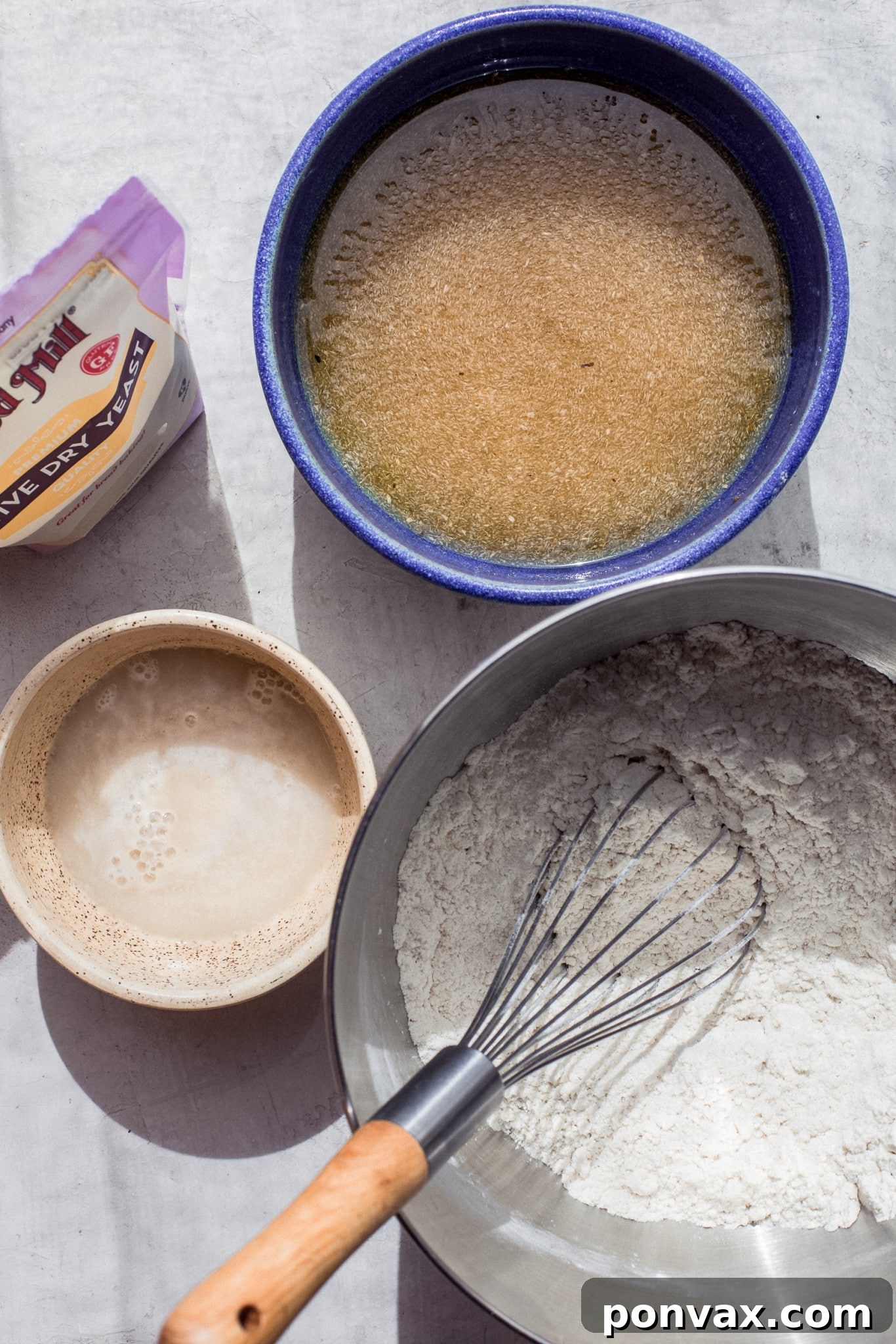
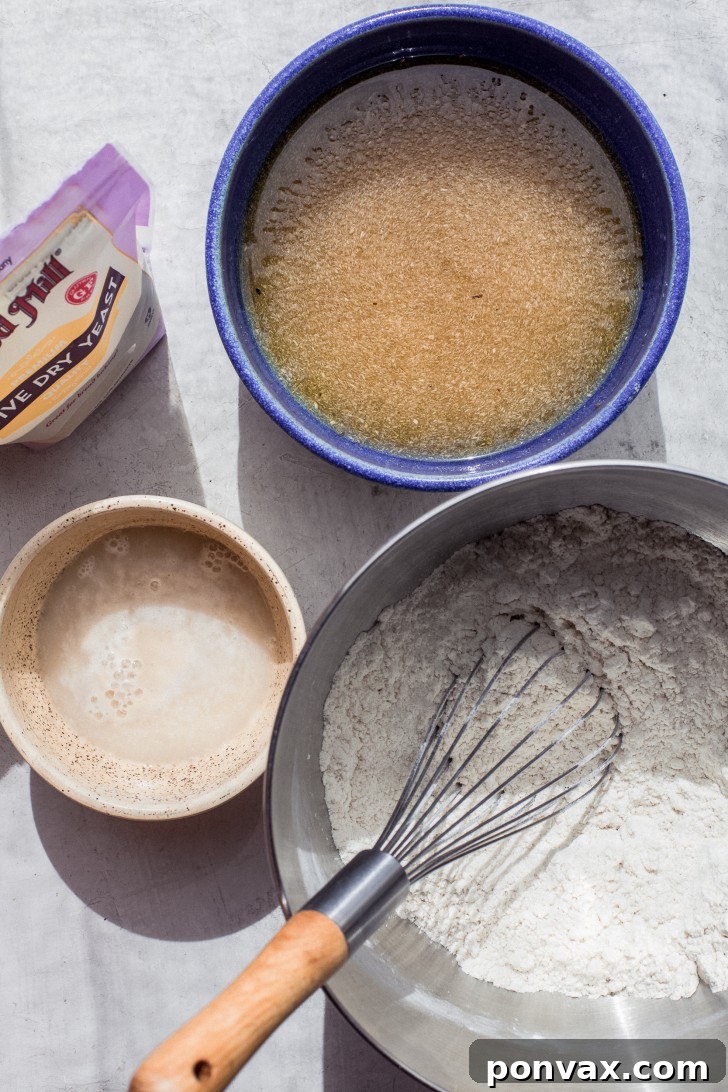
In most recipes, you’ll be instructed to whisk psyllium husk (or powder, with the appropriate conversion) with a specific amount of water. This mixture will begin to thicken almost immediately upon contact. Over the next 5 to 10 minutes, it will progressively transform into a thick, firm, and translucent gel, similar to a soft jelly. This gel is what provides the structural integrity and chewiness to your gluten-free dough. The image above shows a perfect example of this psyllium gel in the blue bowl, ready to be incorporated into the recipe.
While the pre-gelling method is preferred for many bread recipes, some recipes may call for whisking psyllium husk directly into the dry ingredients. If your recipe uses this method, it’s particularly important to allow the dough or batter to rest for a period after mixing the wet and dry components. This resting time gives the psyllium husk an opportunity to fully hydrate and thicken the mixture, ensuring it performs its binding function effectively. Always read your chosen recipe carefully to determine the exact method and timing for adding psyllium husk, as adherence to these instructions is key for optimal results.
Beyond Bread: Other Gluten-Free Applications for Psyllium Husk
While psyllium husk is most celebrated for its transformative role in gluten-free bread, its versatility extends far beyond loaves and boules. Its unique gelling and binding properties make it an invaluable ingredient in a wide array of gluten-free baked goods, significantly improving texture and structure where gluten is absent.
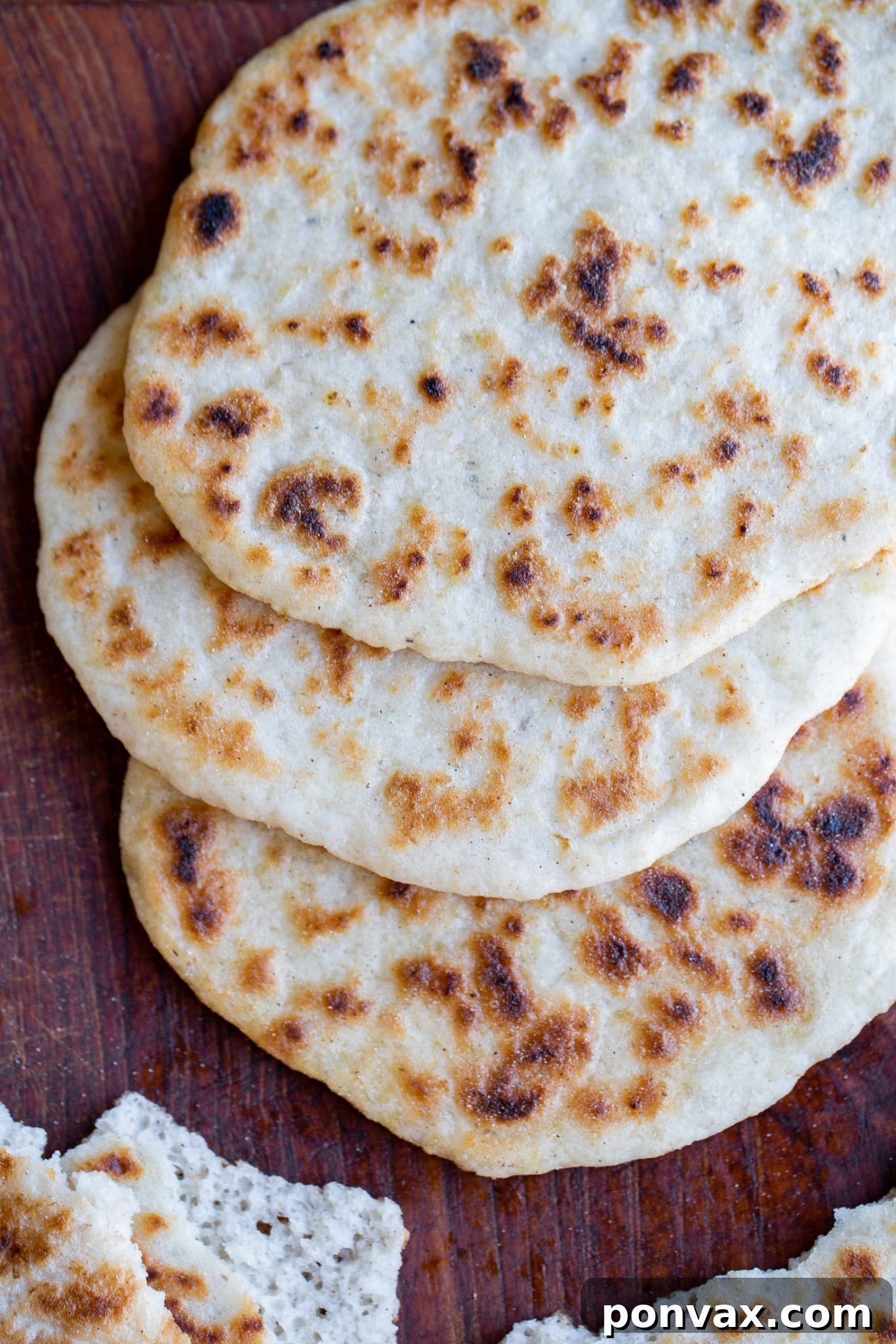
Think about pizza crusts, for instance. Psyllium husk allows for a pliable dough that can be easily stretched and shaped, resulting in a crispy yet chewy crust that holds up to toppings without becoming soggy or crumbly. For flatbreads and naan, it provides the essential elasticity needed to roll them thin and achieve that characteristic soft, bubbly texture. Even in items like gluten-free focaccia, psyllium contributes to a light, airy crumb with a satisfying chew, preventing the dense, heavy outcome often associated with gluten-free versions.
Beyond traditional “bread-like” items, psyllium can also enhance the texture of muffins, cookies, and even some gluten-free pasta doughs, adding a desirable chew and preventing dryness. It contributes to better moisture retention, extending the freshness of baked goods, and ensures that cookies don’t crumble too easily. Experimenting with psyllium husk in various gluten-free recipes can unlock new levels of texture and enjoyment in your baking, proving it to be a truly multipurpose ingredient in the gluten-free pantry.
Frequently Asked Questions About Psyllium Husk
To further enhance your understanding and confidence in using psyllium husk, here are answers to some commonly asked questions:
Is psyllium husk safe to consume in baked goods?
Yes, psyllium husk is widely recognized as safe for consumption and is actually a beneficial source of dietary fiber. When used in appropriate amounts in baking, it not only improves texture but also adds a healthy fiber boost to your gluten-free diet. As with any fiber-rich food, ensure adequate water intake to aid digestion.
Can I use psyllium husk if I’m not gluten-free?
Absolutely! While it’s a staple for gluten-free bakers, psyllium husk can also be used in traditional baking to enhance texture, add chewiness, and increase the fiber content of various recipes. It can contribute to a softer crumb and improved moisture retention in non-gluten-free items as well, although its primary structural role is most evident in gluten-free applications.
How should I store psyllium husk?
To maintain its potency and freshness, store psyllium husk in an airtight container in a cool, dry, and dark place. This prevents it from absorbing moisture from the air and extending its shelf life. Properly stored, it can last for many months.
Does psyllium husk have a taste?
High-quality psyllium husk is generally neutral in flavor, especially when used in baked goods. Any subtle earthy notes it might possess are typically masked by other ingredients in the recipe. However, lower quality or impure psyllium might have a slightly more noticeable taste, which is another reason to opt for reputable brands.
Unleash Your Inner Baker: Recipes Using Psyllium Husk
Now that you’ve become a true psyllium husk expert, armed with a deep understanding of its properties and best practices, it’s time to put your knowledge to delicious use! Get ready to transform your gluten-free baking with these fantastic recipes that brilliantly incorporate psyllium husk to achieve amazing texture and structure. Dive into these favorites and experience the magic for yourself:
- Homemade Gluten-Free Bread: Your staple recipe for soft, fluffy, and truly satisfying sandwich bread.
- The BEST Gluten-Free Pizza Crust: Achieve a chewy, crispy crust that holds up perfectly to all your favorite toppings.
- Gluten-Free Flatbreads/Naan: Enjoy versatile, soft, and pliable flatbreads perfect for dipping or wraps.
- Fluffy Gluten-Free Focaccia: Experience the joy of airy, olive oil-infused focaccia with a delightful chew.
- Gluten-Free Sourdough Bread: Master the art of sourdough with a gluten-free twist, resulting in incredible flavor and texture.
- Gluten-Free Cinnamon Raisin Bread: A sweet and comforting loaf, perfect for breakfast or a snack.
- Crispy Gluten-Free Sourdough Discard Crackers: Don’t let your sourdough discard go to waste; turn it into irresistible crispy crackers.
You can explore ALL of my extensive gluten-free bread recipes here and continue your journey to gluten-free baking excellence!