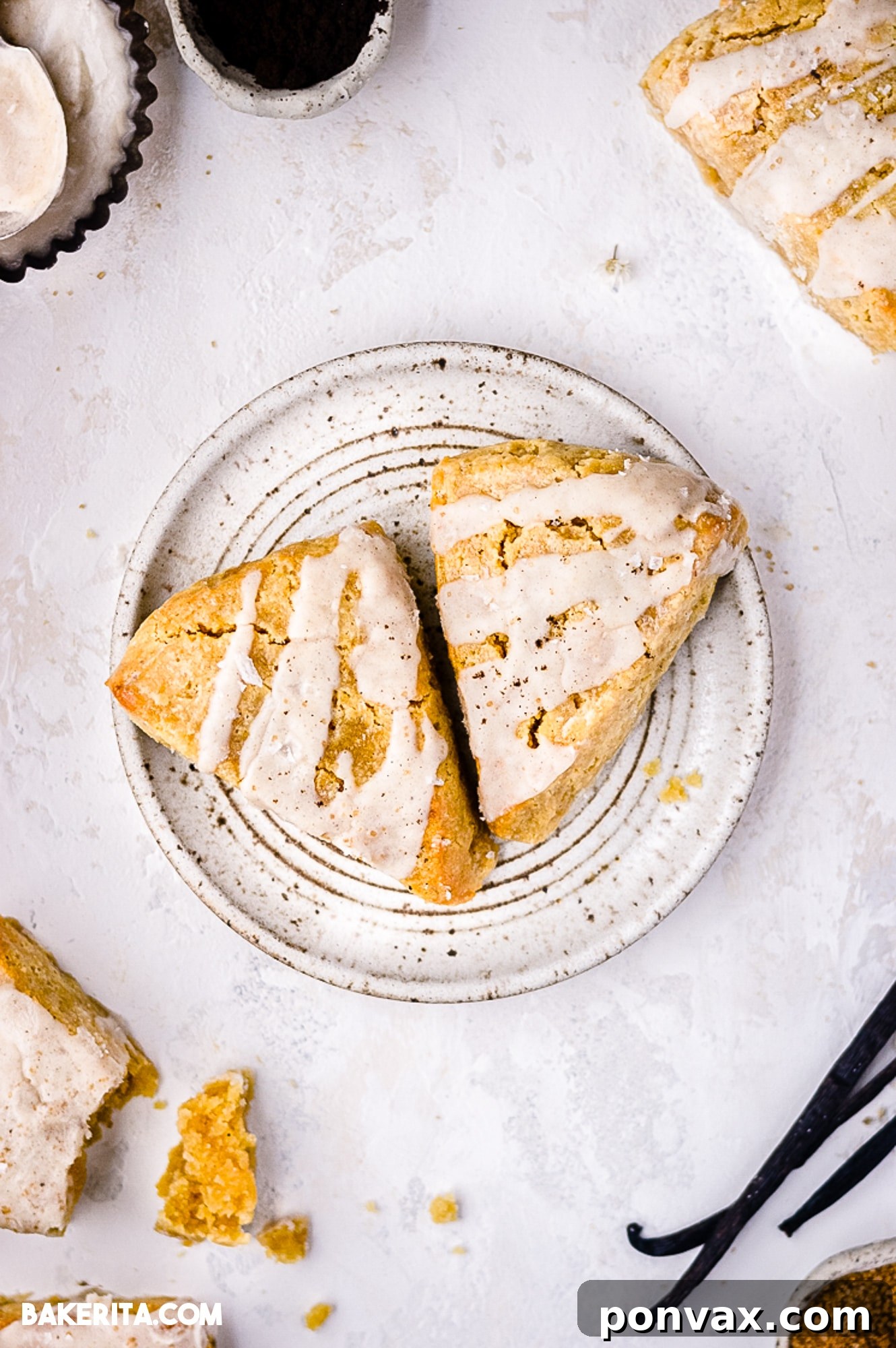
Welcome to the ultimate guide for crafting the most exquisite, melt-in-your-mouth Gluten-Free Vegan Vanilla Scones! Imagine starting your day with a warm, fluffy scone, speckled with fragrant vanilla beans, offering a subtle sweetness that perfectly complements your morning coffee or tea. These aren’t just any scones; they are incredibly easy to make, require minimal effort in just one bowl, and come together in under thirty-five minutes, making them an ideal treat for busy mornings or a delightful weekend project.
Whether you’re following a specific diet, have dietary restrictions, or simply love indulging in wholesome, delicious baked goods, this recipe is designed to impress. These vanilla bean scones are not only gluten-free and vegan but also boast a tender, moist texture that defies the common perception of dry, crumbly scones. They are a versatile delight, equally perfect for a luxurious breakfast, an afternoon pick-me-up, a light dessert, or a satisfying, wholesome snack.
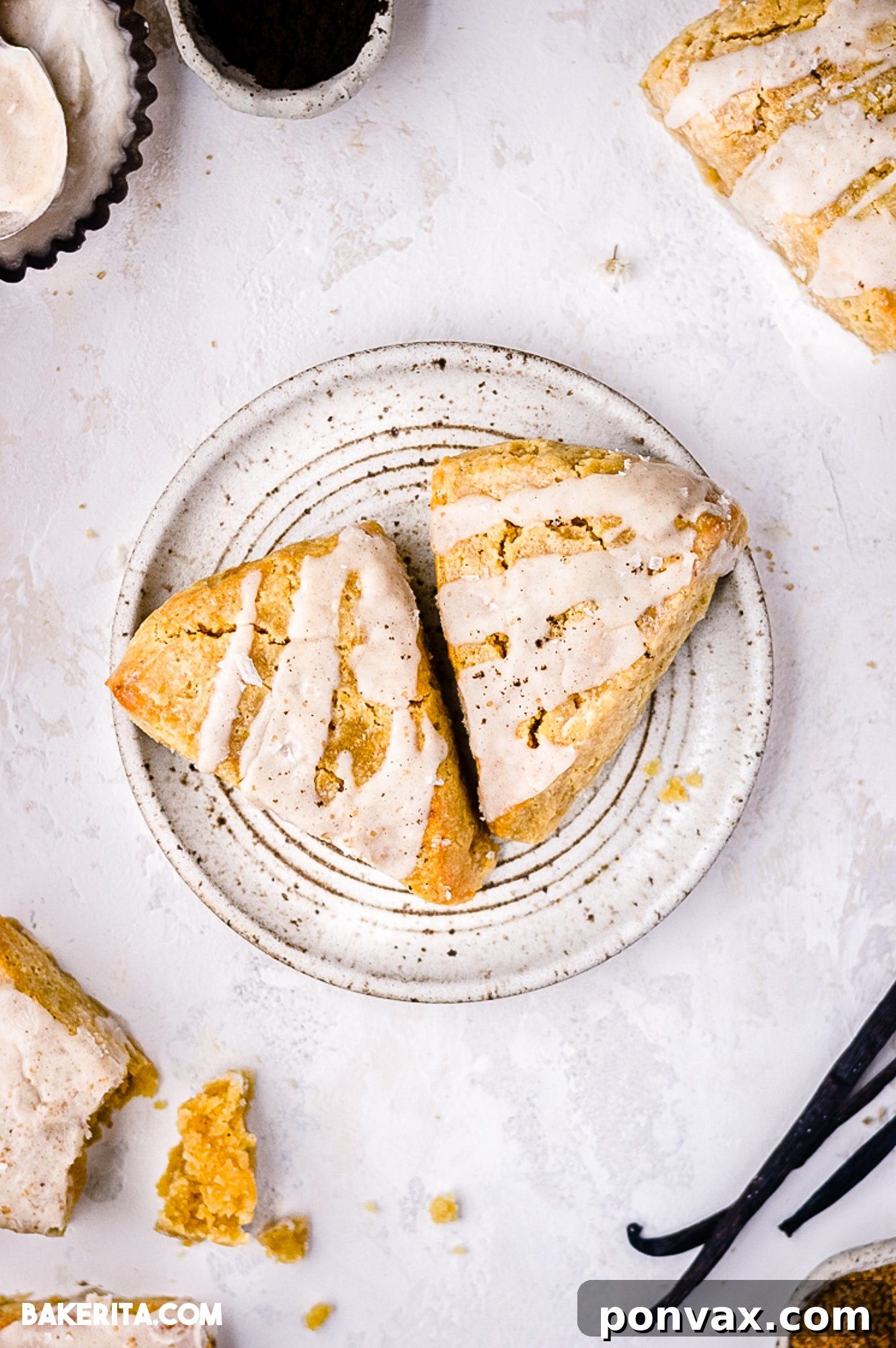
The Scone Obsession: Redefining a Classic Treat
Here at our kitchen, scones are more than just a baked good; they’re a beloved tradition. A fresh batch rarely lasts beyond the day it’s baked, often disappearing within hours of emerging from the oven. While we cherish our diverse scone collection, including our popular Gluten-Free Vegan Chocolate Chip Scones, refreshing Lemon Blueberry Scones, comforting Maple Pecan Scones, and rustic Gluten-Free Sourdough Scones, these vanilla bean beauties have quickly risen to the top of our favorites list. They embody everything a perfect scone should be: a delightful balance of crumbly and moist, packed with rich flavor, and so tender they practically melt in your mouth.
Forget the notion of dry, uninspiring scones you might recall from a hurried coffee shop visit. A truly exceptional scone is a treat for the senses. It offers a subtly crisp exterior that gives way to a wonderfully moist and soft interior. This recipe aims to achieve that ideal texture, making each bite a moment of pure bliss. Pair them with a steaming cup of coffee or a fragrant tea, enjoy them alongside a cozy hot cocoa, or even with a scoop of vegan ice cream for an adventurous twist!
The beauty of these Vegan Vanilla Scones lies in their simplicity. With just a handful of straightforward ingredients and about ten minutes of active prep time, you’ll have a perfectly mixed dough ready for chilling and baking. Let’s delve into the components that make these scones so utterly irresistible.
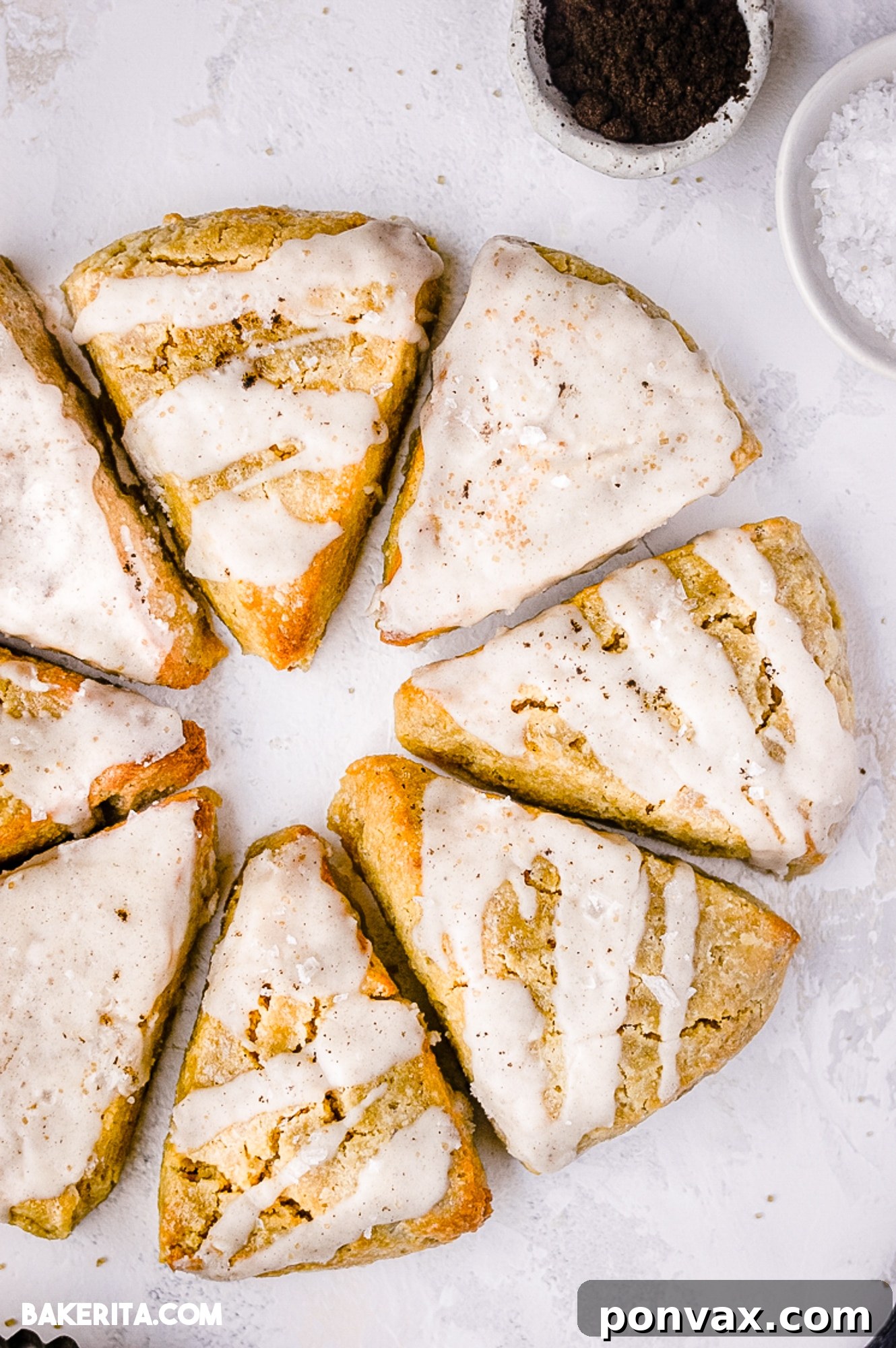
Essential Ingredients for Perfect Vanilla Scones
Creating these delightful gluten-free vegan vanilla scones requires a thoughtful selection of ingredients, each playing a crucial role in achieving the perfect flavor and texture. Here’s a detailed look at what you’ll need and why:
- Almond Flour: This is the foundation of our gluten-free scone. Opt for blanched almond flour, which has a finer texture and produces a lighter, more tender crumb. Avoid almond meal, which contains the almond skins and results in a coarser, denser scone. Almond flour also contributes a subtle nutty flavor and healthy fats, enhancing the overall richness.
- Tapioca Flour or Arrowroot Flour: These starchy flours are interchangeable in this recipe. They are essential for providing a light, delicate texture and preventing the scones from becoming too dense. They also act as a binder, helping the gluten-free dough hold together beautifully.
- Coconut Sugar: Our preferred natural sweetener, coconut sugar offers a caramel-like note that complements the vanilla beautifully. It’s an unrefined alternative to white sugar. While other granulated sweeteners can be used, avoid liquid sweeteners like maple syrup or honey, as they alter the moisture balance and can affect the scone’s structure.
- Baking Powder & Salt: Baking powder is our leavening agent, giving the scones their delightful lift and fluffiness. Salt is vital for balancing the sweetness and enhancing all the other flavors, bringing out the best in the vanilla.
- Vanilla Bean Powder: This is the secret to the truly “fabulous flavor” and those beautiful vanilla bean flecks! Vanilla bean powder offers a concentrated, intense vanilla flavor that’s far superior to extract alone. If you don’t have powder, you can scrape the seeds from one vanilla bean.
- Coconut Oil: Our primary fat source for vegan baking. It is absolutely crucial that your coconut oil is *cold and firm*. If it’s melted or soft at room temperature, place it in the refrigerator until solid. Cold fat is key to creating those desirable pockets of flakiness in the scones. Cold vegan butter can also be used as a substitute.
- Coconut Milk: Full-fat canned coconut milk is recommended for its richness and creamy texture, which contributes to a moist scone. However, any dairy-free milk (almond, soy, oat) can be used if full-fat coconut milk isn’t available.
- Flax Egg: This acts as our vegan binder, replacing a traditional egg. It helps hold the scones together and adds a touch of moisture. For those not following a vegan diet, a regular large egg can be used instead. (See notes below for how to prepare a flax egg).
- Vanilla Extract: For a truly decadent vanilla experience, we include a double dose! Vanilla extract boosts the overall vanilla flavor, making these scones exceptionally aromatic and delicious.
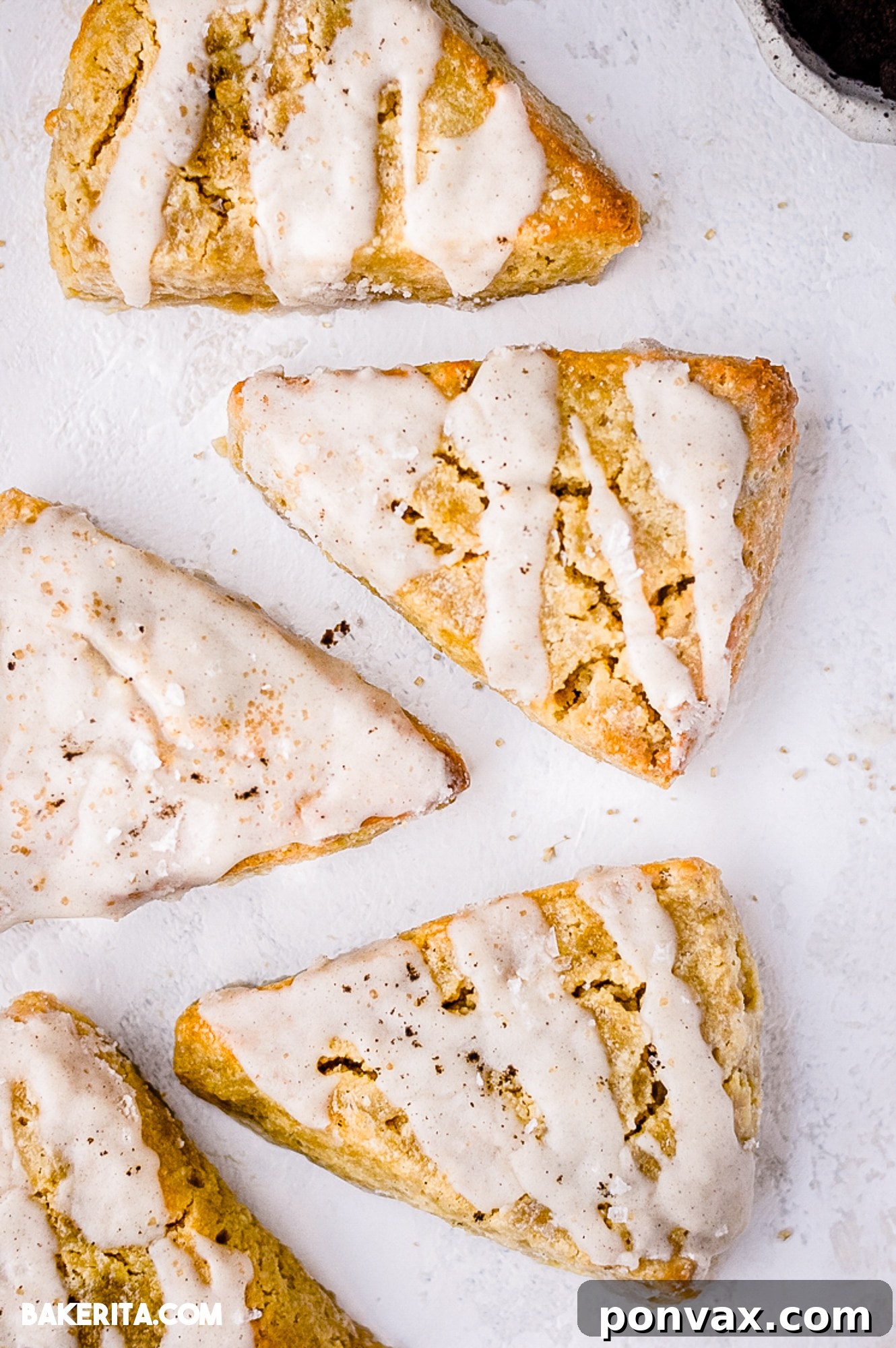
Crafting Your Vegan Vanilla Scones: A Step-by-Step Guide
These Vanilla Bean Scones are wonderfully straightforward to prepare, making them accessible even for novice bakers. The entire dough-making process comes together swiftly, typically in under fifteen minutes. If you’re familiar with making traditional scones or pie crusts, you’ll find the technique quite similar and intuitive.
Step-by-Step Instructions for the Scones:
- Combine Dry Ingredients: In a large mixing bowl (or a food processor), whisk together the blanched almond flour, arrowroot or tapioca flour, coconut sugar, baking powder, sea salt, and vanilla bean powder. Ensure these are thoroughly combined so that the leavening and flavors are evenly distributed.
- Cut in the Cold Fat: Add the cold, firm coconut oil to your dry mixture. If using a food processor, pulse briefly until the mixture resembles coarse crumbs with pea-sized bits of coconut oil remaining. If working by hand, use a pastry cutter or your fingertips to cut the coconut oil into the dry ingredients. It’s crucial not to overmix; these small chunks of cold fat are what create a light, tender, and flaky texture in your baked scones.
- Incorporate Wet Ingredients: In a separate small bowl, whisk together the full-fat coconut milk, prepared flax egg, and vanilla extract. Pour this liquid mixture into the dry ingredients. Gently stir or pulse until the dough just comes together. Again, avoid overmixing. The dough should appear somewhat “shaggy” and not perfectly smooth, preserving those precious pockets of fat.
- Chill the Dough: Transfer the dough onto a piece of parchment paper on a baking sheet. Lightly dust the dough with a little extra arrowroot flour, then gently press it into an 8-inch round, about 1 to 1.5 inches thick. Wrap the dough loosely with the parchment paper or plastic wrap. Refrigerate the dough for at least one hour, or ideally up to 24 hours. This chilling step is vital as it re-solidifies the coconut oil, which helps prevent the scones from spreading too much in the oven and contributes to a superior flaky texture.
- Prepare for Baking: When you’re ready to bake, preheat your oven to 375°F (190°C). Carefully unwrap your chilled dough and, using a sharp knife or bench scraper, cut the 8-inch round into 8 equal wedges. Arrange the wedges on your parchment-lined baking sheet, ensuring they are slightly separated to allow for even baking.
- Bake to Golden Perfection: For an extra golden crust, lightly brush the tops of your scones with a small amount of extra coconut milk. If desired, sprinkle a pinch of raw turbinado sugar over each scone for added sparkle and a touch of sweetness. Bake for 18 to 23 minutes, or until the scones are beautifully golden brown and firm to the touch.
- Serve and Enjoy: Once baked, allow the scones to cool slightly on the baking sheet before transferring them to a wire rack. They are absolutely delightful served warm, plain, or drizzled with our irresistible vegan vanilla bean glaze.
Don’t Forget the Luscious Vegan Vanilla Bean Glaze!
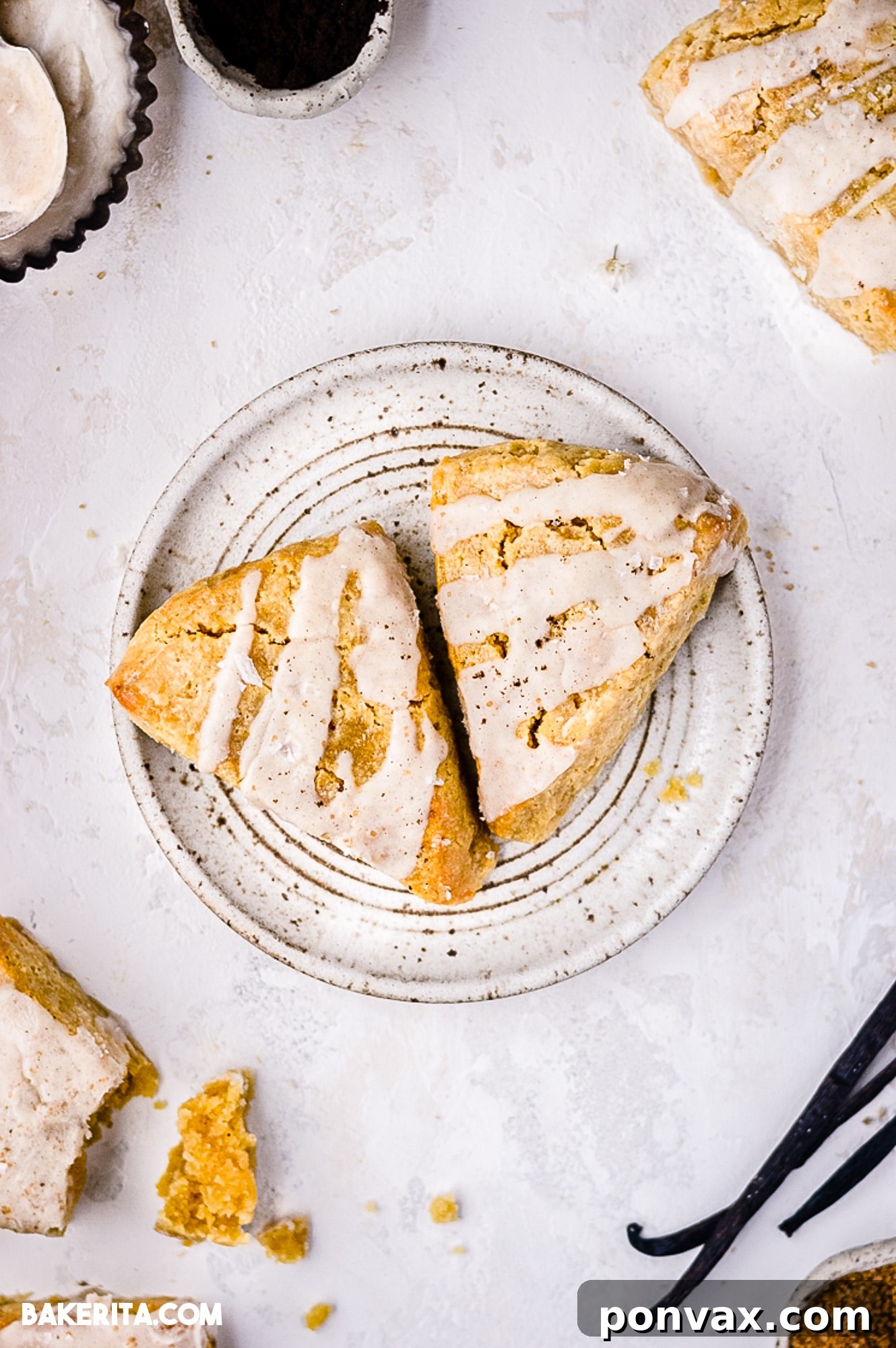
While these vanilla scones are perfectly delicious on their own, a simple drizzle of homemade vegan vanilla bean glaze elevates them to an extraordinary level. This glaze is a personal favorite, primarily because it features coconut butter.
Coconut butter is a fantastic vegan icing base as it firms up beautifully, similar to a traditional powdered sugar glaze, but without imparting an overwhelming coconut flavor. When combined with rich vanilla bean powder, a touch of maple syrup for natural sweetness, and a splash of dairy-free milk to achieve the perfect consistency, it creates a refined sugar-free icing that is both luxurious and wholesome. Of course, if you’re not concerned about refined sugar, a classic powdered sugar and dairy-free milk glaze with vanilla extract would also be a lovely topping.
Yield and Storage Tips for Your Scones
How many scones does this recipe make?
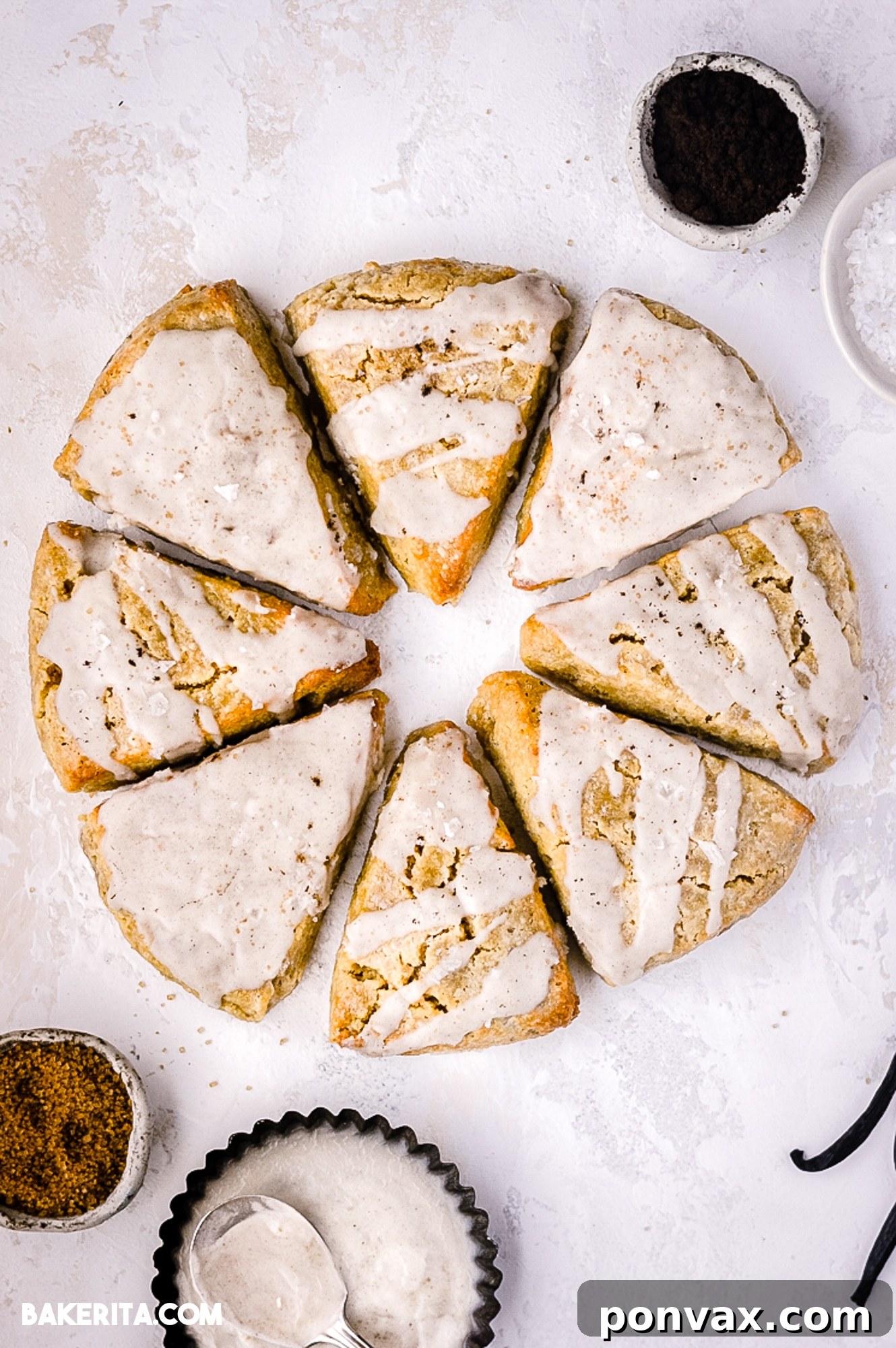
This recipe is designed to yield 8 standard-sized scones, perfect for sharing (or not!). If you prefer smaller scones for a bite-sized treat or to extend the batch, you can cut the 8-inch round into smaller wedges, yielding approximately 16 to 20 mini scones, depending on your preferred size.
What’s the best way to store them?
To keep your vegan vanilla scones fresh and delicious, store them in an airtight container at room temperature for up to two days. If you’ve baked a larger batch or want them to last longer, they can be stored in an airtight container in the refrigerator for up to 4 days. For longer-term storage, these scones freeze beautifully! Wrap them individually or in a tightly sealed freezer-safe bag, and they’ll remain fresh for up to 6 months. When ready to enjoy, simply thaw at room temperature or gently warm in the oven for a few minutes.
Expert Tips and Tricks for the Best Vegan Vanilla Scones
Achieving perfectly tender, flaky scones is an art, but with these simple tips, you’ll master it in no time:
- Mind the Fat: The key to flaky scones lies in cold fat. When cutting the coconut oil into the dry ingredients, resist the urge to overwork it. You want small, pea-sized bits of fat distributed throughout the mixture. These tiny pieces of fat will melt in the oven, creating steam that separates the layers of dough, resulting in that coveted tender, flaky texture.
- Don’t Overmix the Dough: Once the wet ingredients are added, mix the dough just enough for it to come together. Overmixing can develop any potential elasticity even in gluten-free flours, leading to tougher scones. A slightly shaggy, barely combined dough is exactly what you’re aiming for.
- The Chill Time is Crucial: Do not skip the chilling step! Refrigerating the dough for at least an hour allows the coconut oil to re-solidify. This prevents the scones from spreading excessively during baking and ensures those delightful flaky layers are locked in, ready to expand beautifully in the oven.
- Brush for a Golden Crust: Before baking, a light brush of coconut milk on top of each scone helps them achieve a beautiful golden-brown color and a slightly crisp exterior. This small step makes a big difference in presentation and texture.
- Use a Sharp Knife: When cutting the dough into wedges, use a sharp knife or a pastry cutter. A clean cut allows the scones to rise evenly and maintain their shape, rather than sealing the edges and inhibiting rise.
- Listen to Your Oven: Oven temperatures can vary. Keep an eye on your scones during the last few minutes of baking. They should be golden brown and firm to the touch when ready. An internal temperature of around 200-205°F (93-96°C) is a good indicator of doneness.

Gluten-Free Vegan Vanilla Scones
These Gluten-Free Vegan Vanilla Scones are easy to make and even easier to eat! They’re made in just one bowl in ten minutes and loaded with vanilla bean flecks for fabulous flavor. Perfect for breakfast, dessert, or a wholesome snack.
Pin Recipe
15 minutes
20 minutes
35 minutes
8
scones
Ingredients
For the scones
-
2⅓
cups
224g blanched almond flour -
¾
cup
96g arrowroot or tapioca flour -
¼
cup
coconut sugar -
1¼
teaspoons
baking powder -
½
teaspoon
sea salt -
¼
teaspoon
vanilla bean powder -
½
cup
100g coconut oil, firm -
⅓
cup
full-fat canned coconut milk,
plus a little extra to brush on top of the scones -
1
flax egg,
see Tip -
2
teaspoons
vanilla extract -
Raw turbinado sugar,
to sprinkle on top (optional)
For the glaze
-
⅓
cup
coconut butter,
melted -
2
tablespoons
maple syrup -
¼
teaspoon
vanilla bean powder -
Dairy-free milk,
enough to reach desired consistency
Instructions
For the scones
-
In a food processor or large mixing bowl, combine the blanched almond flour, arrowroot flour, coconut sugar, baking powder, salt, and vanilla bean powder. Pulse or whisk together until well combined.
-
Add in the cold, firm coconut oil. Pulse briefly in a food processor or use a pastry cutter or fork to cut the coconut oil into the dry ingredients until only very small, pea-sized chunks of coconut oil remain. Avoid overmixing.
-
In a small mixing bowl, whisk together the coconut milk, flax egg, and vanilla extract. Add this wet mixture to the dry ingredients and stir or pulse gently until the dough just comes together. The dough should be slightly shaggy.
-
Place a sheet of parchment paper on a baking sheet and lightly dust with arrowroot flour. Transfer the dough onto the parchment, dust with more arrowroot flour, and press it into a circle, about 1 1/2 inches thick and 8 inches across. Wrap loosely with parchment paper or plastic wrap and refrigerate for at least 1 hour or up to 24 hours to chill thoroughly.
-
When ready to bake, preheat the oven to 375ºF (190°C). Cut the chilled dough circle into 8 wedges and separate them slightly on the baking sheet. Use a pastry brush to brush the top of the scones with a small amount of coconut milk. Sprinkle with raw turbinado sugar, if desired. Bake for 18 to 23 minutes or until golden brown.
-
Serve warm, or let them cool completely on a wire rack before serving. Store in an airtight container in the fridge for up to a week.
For the glaze
-
In a small bowl, combine the melted coconut butter, maple syrup, and vanilla bean powder. The coconut butter may seize and become very thick.
-
Warm some dairy-free milk in the microwave for about 20 seconds until warm. Slowly drizzle the warm milk into the coconut butter mixture, whisking frequently, until you reach your desired consistency. Aim for a glaze that is drizzle-able but not too thin.
-
Drizzle or spoon the glaze over the cooled scones. The glaze will firm up as it cools.
Notes
- For the flax egg: Whisk together 1 tablespoon flax meal with 2½ tablespoons water. Let it sit for 5 minutes, or until it has thickened to a gel-like consistency.
Did you make this recipe?
Please consider leaving a star rating and review!
Photo credit to Selena Sharpless of The Nutritious Kitchen