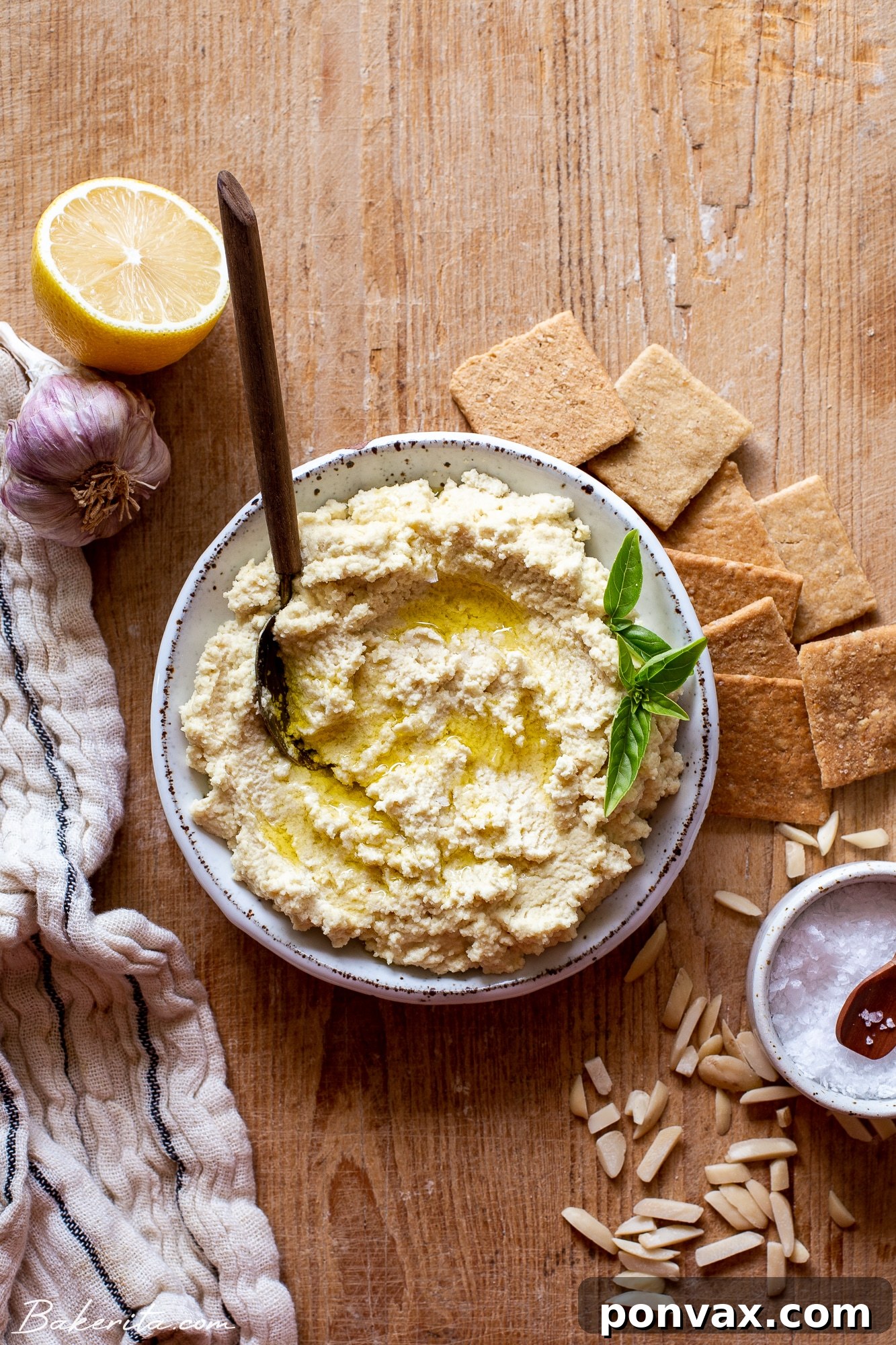
Discover the ultimate homemade Vegan Ricotta Cheese Recipe, crafted from slivered almonds to achieve an unbelievably creamy and thick plant-based ricotta. Forget tofu or cashews; almonds are the secret to its superior texture and delicate flavor. This versatile dairy-free delight can be enjoyed as a savory dip, layered into lasagna, used as a rich ravioli filling, or generously dolloped onto your favorite pizza. Prepared in under 5 minutes with just 5 simple ingredients and a high-powered blender, it’s the perfect addition to any vegan kitchen.
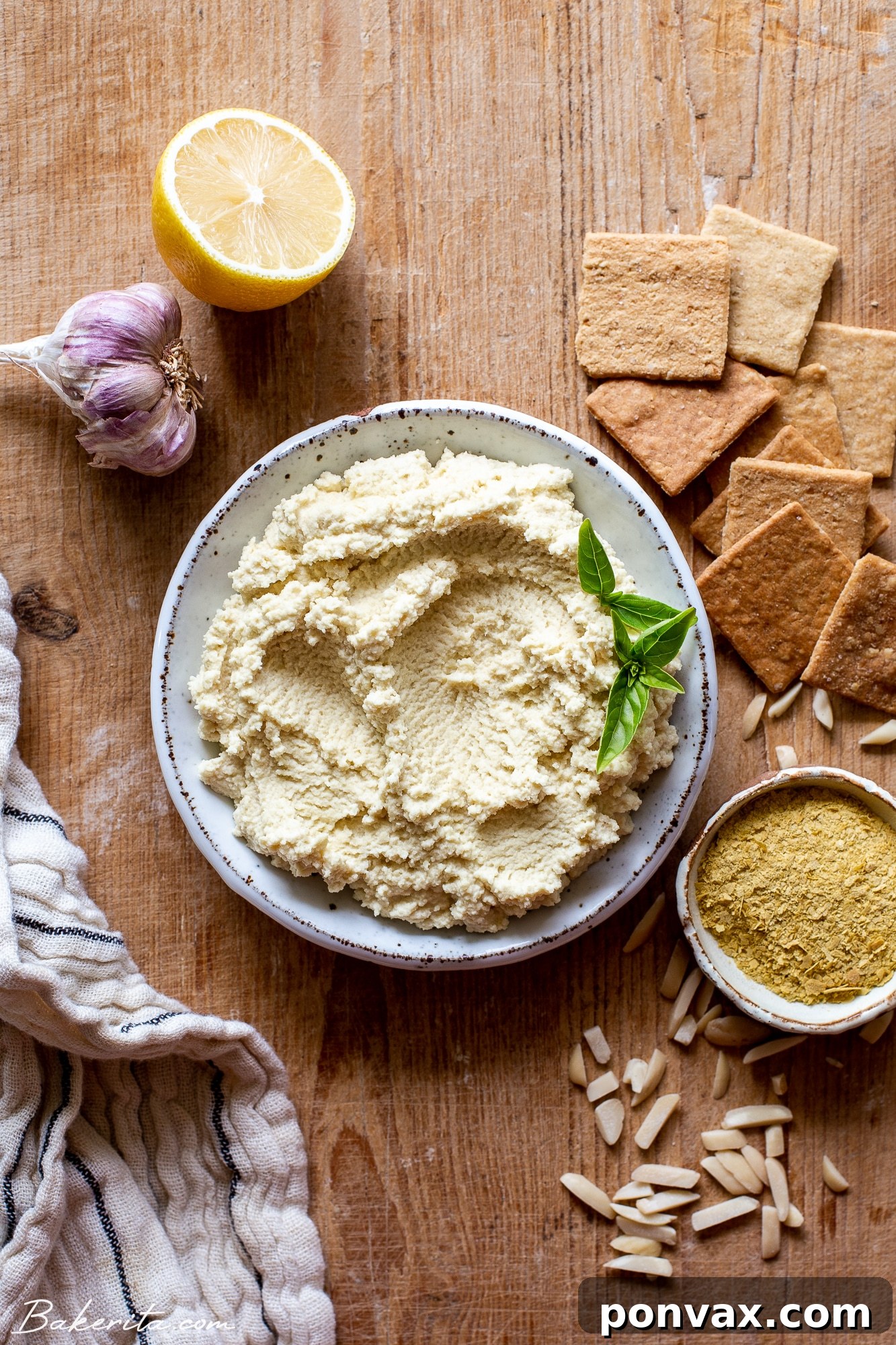
Are you a long-time lover of ricotta cheese, cherishing its luscious creaminess and the way it elevates countless dishes, from comforting pasta recipes to vibrant pizzas? Many of us share that deep appreciation for its unique texture and mild flavor. For those transitioning to a vegan or dairy-free lifestyle, the thought of giving up such a beloved ingredient can be daunting. Traditional ricotta cheese, by its very nature, is a dairy product, typically made from the whey left over from other cheese production, making it entirely unsuitable for a plant-based diet. This realization often leads to a search for worthy alternatives.
The good news is, finding a delicious and authentic-tasting vegan substitute for ricotta cheese is not only possible but also surprisingly easy! In fact, many find homemade vegan ricotta to be every bit as satisfying, if not more so, than its dairy counterpart. This particular **almond ricotta recipe** stands out for its exceptional texture and quick preparation, requiring less than 10 minutes and just five common ingredients. It’s truly a game-changer for anyone seeking a creamy, versatile plant-based cheese. Alongside staples like a rich creamy vegan cashew cheese sauce, this homemade almond ricotta will transport you to dairy-free cheese heaven, opening up a world of culinary possibilities without compromise.
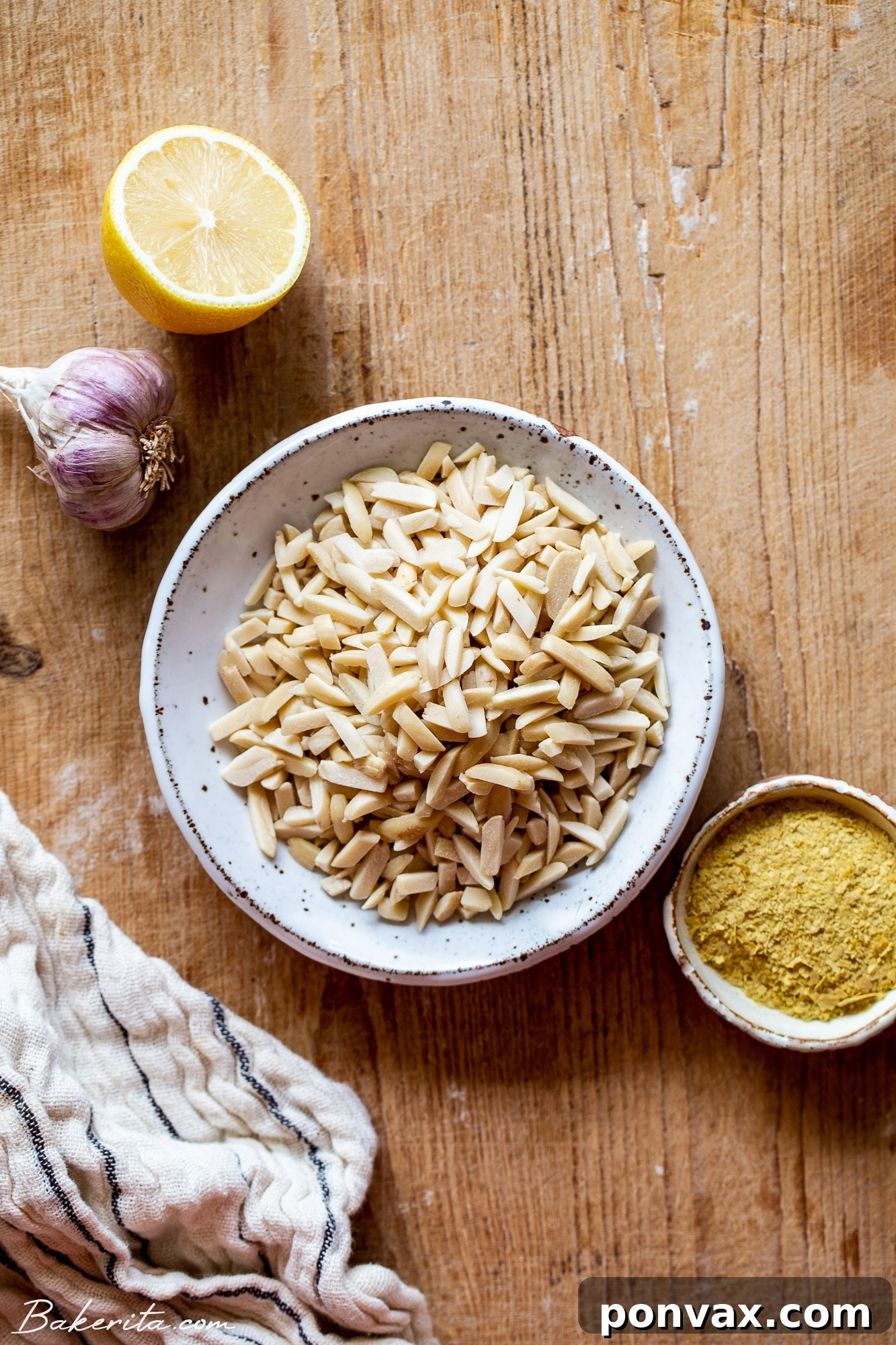
Essential Ingredients for Your Dairy-Free Ricotta Cheese
Crafting the perfect **dairy-free ricotta cheese** requires a handful of simple, wholesome ingredients. Each plays a crucial role in achieving that sought-after creamy texture and rich, tangy flavor that makes this plant-based alternative so irresistible. Here’s what you’ll need to transform basic pantry staples into a culinary masterpiece:
- Slivered Blanched Almonds: These are the star of our **plant-based ricotta**. Using blanched almonds is key as it ensures your ricotta remains wonderfully white and smooth, free from the speckles that come with unblanched skins. Slivered almonds are also preferred because their thinner shape requires less blending time compared to whole almonds, making your recipe even quicker. If blanched slivered almonds aren’t available, blanched whole almonds will work, or you can blanch them yourself by soaking in hot water for a few minutes and then peeling the skins. While almonds yield a distinct delicate flavor and fluffy texture, raw cashews can also be used as an alternative, offering a slightly denser, richer consistency if preferred.
- Fresh Lemon Juice or Apple Cider Vinegar: These acidic ingredients are vital for imparting the characteristic tangy flavor of ricotta. Fresh lemon juice offers a bright, zesty tang, while apple cider vinegar provides a slightly deeper, more robust acidity. You can choose based on your preference or what you have on hand. For a balanced flavor profile, consider using a combination: try 1 tablespoon of lemon juice with 1 teaspoon of apple cider vinegar, then adjust to your taste. The acidity not only adds flavor but also helps to achieve the desired creamy texture by slightly “curdling” the almond mixture.
- Nutritional Yeast: A staple in vegan cooking, nutritional yeast is celebrated for its distinctive cheesy, umami flavor. It’s what gives our **vegan ricotta** that familiar savory depth without any dairy. Don’t confuse it with active yeast; nutritional yeast is an inactive form that serves purely as a flavor enhancer, rich in B vitamins. Its presence is essential for a truly savory and satisfying plant-based cheese experience.
- Garlic Cloves: While not a traditional ingredient in dairy ricotta, fresh garlic cloves add a fantastic savory depth that complements many applications of this **almond ricotta**. We highly recommend including it, especially if you plan to use your ricotta in dishes like lasagna, baked ziti, or pizza. For a milder, sweeter garlic note, roasted garlic cloves can be used. However, if you intend to use the ricotta for a sweet application, such as pancakes or a dessert tart, it’s best to omit the garlic entirely to maintain a neutral flavor profile.
- Sea Salt: Salt is more than just a seasoning; it’s a flavor enhancer that ties all the ingredients together. A good quality sea salt transforms the raw almond flavor into something savory and cheesy, bringing balance and depth to your **homemade vegan ricotta**. Always taste and adjust to your liking; a little extra salt can make a world of difference.
- Water: This is the liquid component that brings everything together, helping us achieve the perfect creamy and spreadable consistency. The amount of water needed can vary slightly depending on your desired thickness and whether your almonds were soaked prior to blending. Start with the minimum amount and gradually add more until you reach your preferred texture – from a thick, spoonable ricotta to a slightly looser spread.
Should I soak the almonds? For best results, especially if you desire the creamiest possible texture, soaking the almonds can be beneficial. If you own a high-powered blender (like a Vitamix or Blendtec), soaking the almonds isn’t strictly necessary as these machines are powerful enough to break down the nuts into a super-smooth consistency quickly. However, if you’re using a standard blender or a food processor, soaking the almonds in hot water for at least 30 minutes (or even overnight in cold water) will soften them significantly. This softening process makes them much easier to blend into a perfectly smooth and creamy **plant-based ricotta**, preventing a grainy texture.
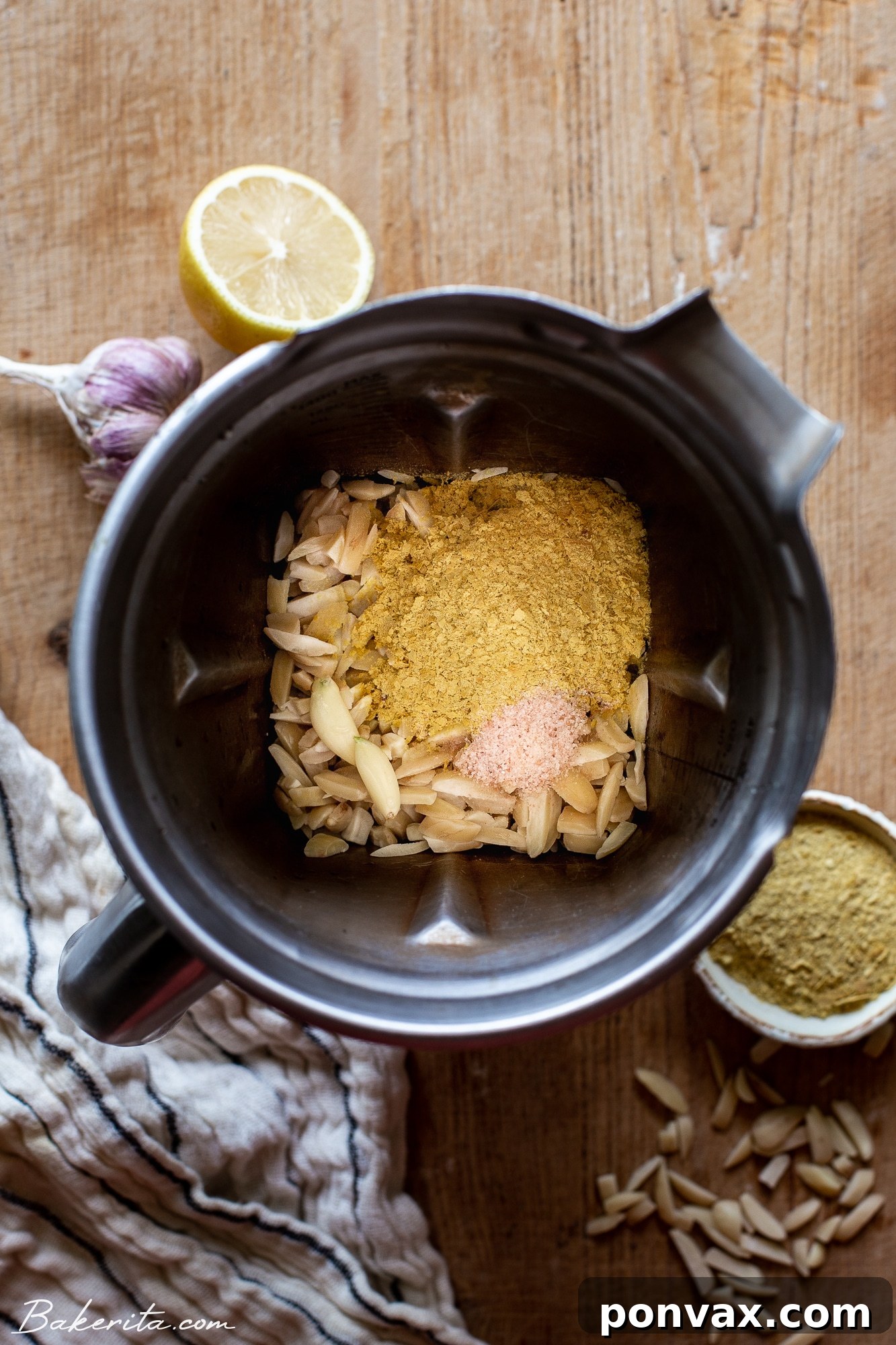
Crafting Your Homemade Vegan Ricotta: A Simple Guide
You’ll be delighted by how effortlessly this **creamy vegan ricotta** comes together. The process is so straightforward, it barely requires multiple steps! With minimal effort, you’ll have a batch of delectable **almond ricotta** ready to use in countless dishes. Here’s how to whip up this plant-based marvel:
Step One: Blend All Ingredients to Perfection
Begin by adding all of your measured ingredients into a high-speed blender. Start with the lower suggested amount of water (e.g., ⅓ cup) and secure the lid. Blend on high until the mixture transforms into a smooth, thick, and creamy consistency. This usually takes about two to three minutes. Throughout the blending process, it’s beneficial to use the tamper that often comes with high-powered blenders to push the ingredients down towards the blades, ensuring an even blend. If you don’t have a tamper, pause your blender occasionally, scrape down the sides with a spatula, and then continue blending. The goal is a texture that is well-pureed, without any noticeable almond chunks.
Step Two: Adjust Consistency and Flavor to Your Liking
Once your **vegan ricotta** has achieved a basic smooth consistency, it’s time to fine-tune it. Assess the texture – if it’s too thick for your intended use, gradually add more water, a tablespoon at a time, blending briefly after each addition until you reach your desired creaminess. Then, taste the ricotta. This is your opportunity to personalize its flavor profile. Want more tang? Add a little more lemon juice or apple cider vinegar. Craving extra cheesiness? Stir in another teaspoon of nutritional yeast. Need to bring out all the flavors? Add a pinch more sea salt. Continue to taste and adjust until the **almond ricotta** perfectly suits your palate and intended recipe.
Can I use this for sweet recipes? Absolutely! This **versatile vegan ricotta** can be easily adapted for sweet applications. If your culinary plans involve using it in desserts like cakes, pastries, or sweet crepes, simply omit the garlic cloves and nutritional yeast from the ingredients list. The neutral base of almonds, lemon, and salt will provide a lovely, creamy texture that beautifully complements sweet flavors, making it an ideal dairy-free substitute wherever traditional ricotta is called for in dessert recipes.
Storing Your Homemade Vegan Ricotta for Freshness
Proper storage ensures your delicious **homemade vegan ricotta** stays fresh and ready for whenever inspiration strikes. Its versatility means you’ll want to have it on hand, and with these simple storage tips, you can enjoy it for days or even months.
Refrigerator Storage: If you’re not planning to use your **plant-based ricotta** immediately, transfer it to a clean, airtight container or a lidded glass jar. Store it in the refrigerator, where it will maintain its freshness and quality for up to a week. The flavors may even meld and deepen slightly over a day or two, making it even more delicious.
Freezer Storage: For longer-term preservation, your **almond ricotta** freezes beautifully. Spoon the ricotta into an airtight freezer-safe container, leaving a small amount of headspace to allow for expansion. It can be stored in the freezer for up to 3 months without significant loss of texture or flavor. When you’re ready to use it, simply transfer the frozen ricotta to the refrigerator and let it thaw for several hours or overnight until it’s soft and pliable. A quick stir after thawing will help restore its creamy consistency.
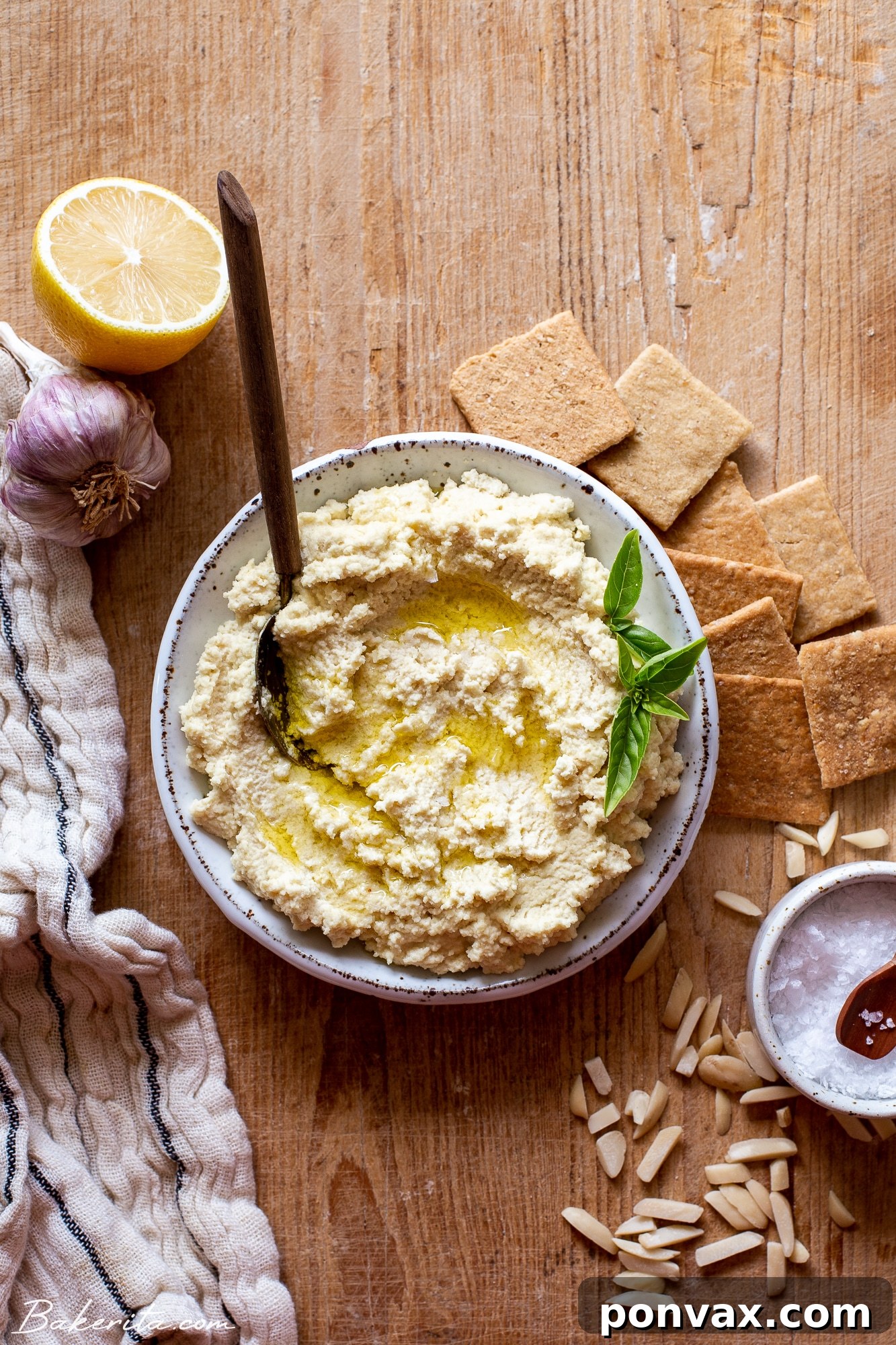
Expert Tips for Crafting the Best Vegan Ricotta
Achieving a truly exceptional **homemade vegan ricotta** is surprisingly simple, especially with a few insider tips. Follow these suggestions to ensure your plant-based cheese is perfectly creamy, flavorful, and ready for any culinary adventure:
- A High-Powered Blender is Your Best Friend: If you have access to a high-speed blender, such as a Vitamix or Blendtec, definitely use it. These powerful machines are designed to create incredibly smooth and creamy textures from nuts, breaking them down into a silky consistency that’s difficult to achieve with less powerful blencers. The result will be a **vegan ricotta** that is luxuriously uniform and free from any graininess.
- Don’t Forget to Soak Your Nuts (If Needed): While a high-powered blender can handle unsoaked almonds, if you’re working with a standard blender or a food processor, pre-soaking your almonds is a crucial step. Soaking softens the nuts, making them much easier for your appliance to process into a fine, creamy paste. Simply immerse the slivered almonds in hot water for at least 30 minutes, or cold water overnight, then drain and rinse before blending. This simple step guarantees the creamiest possible outcome for your **dairy-free ricotta**.
- Seasonings Are Key – Don’t Skimp: The balance of flavors is what transforms plain almonds into a delicious **plant-based ricotta**. Lemon juice or apple cider vinegar provides that essential tangy acidity, mimicking the natural tartness of dairy ricotta. Similarly, a generous amount of sea salt is critical for enhancing all the other flavors and preventing the ricotta from tasting bland or too “almond-y.” Always taste as you go and adjust the seasonings until you reach a perfectly balanced, savory, and zesty profile.
- Master the Consistency: The amount of water you add will dictate the final consistency of your **almond ricotta**. For a thick, scoopable ricotta ideal for stuffing ravioli or shells, use less water. If you prefer a lighter, more spreadable consistency for dips or dolloping on pizza, gradually add a little more water until it reaches your desired texture. Don’t be afraid to experiment and adjust based on your intended use.
- Embrace its Versatility: This **homemade vegan ricotta** is incredibly adaptable. Think beyond traditional savory Italian dishes! It can be a creamy base for sweet applications (remember to omit garlic and nutritional yeast), a dollop for breakfast bowls, or a spread for sandwiches. Its neutral yet rich profile allows it to complement a vast array of flavors.
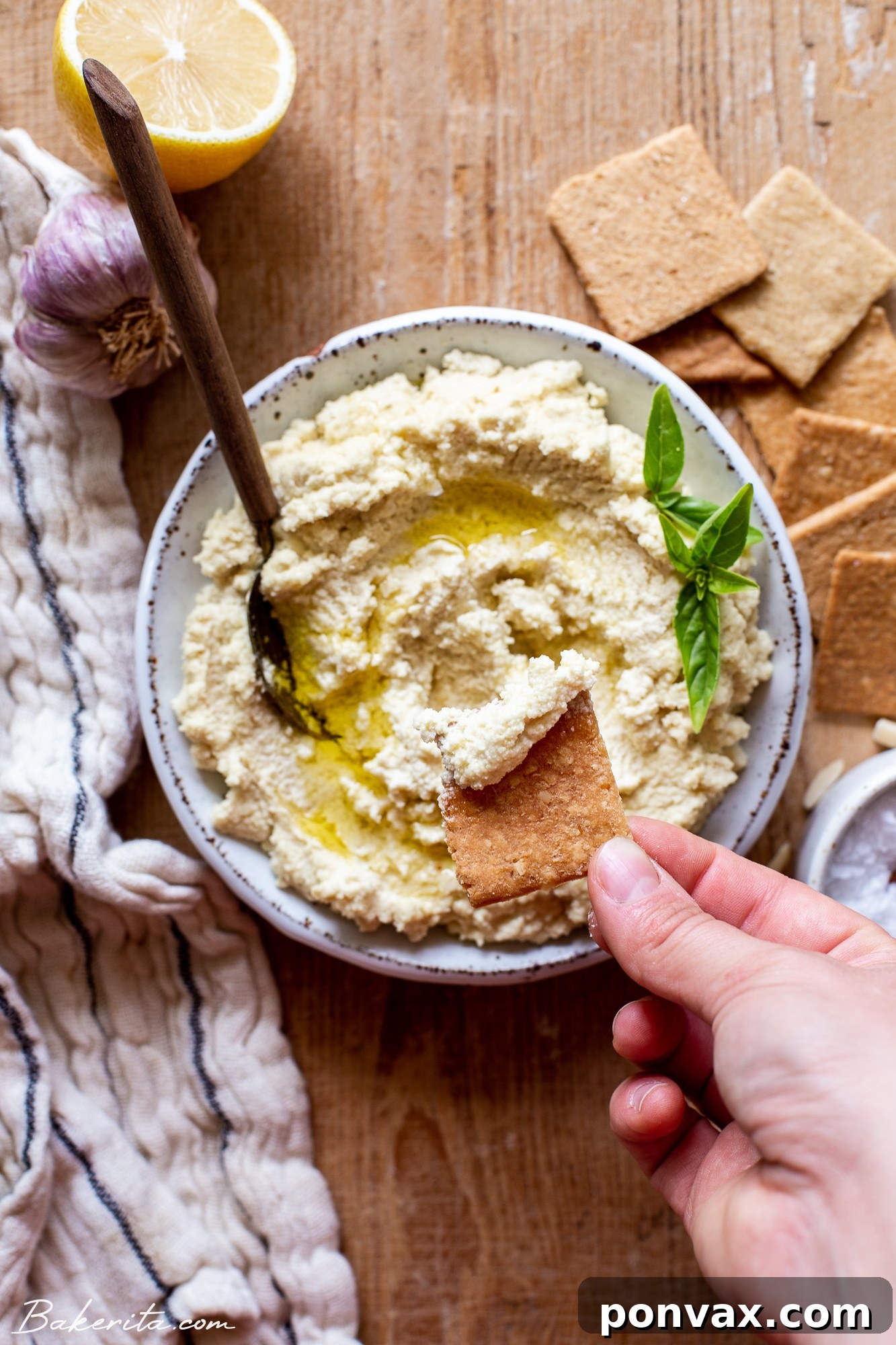
Creative and Delicious Ways to Enjoy Your Almond Ricotta
Once you’ve mastered this simple recipe, you’ll find that your homemade **almond ricotta** is an incredibly versatile ingredient, ready to transform a multitude of dishes. Its creamy texture and delicate flavor make it a fantastic dairy-free substitute in both savory and sweet recipes. Here are some of our absolute favorite ways to incorporate this delicious **plant-based ricotta** into your cooking:
- In my Best Vegan Lasagna Recipe: Layer this rich and creamy **vegan ricotta** between sheets of pasta and savory marinara for a truly indulgent and comforting lasagna that no one will believe is dairy-free. It adds a delightful moisture and tang that perfectly balances the rich tomato sauce.
- On this Ricotta Heirloom Tomato Tart: Spread a generous layer of **almond ricotta** as the base for this elegant tart. Its creamy texture provides a beautiful contrast to the juicy, fresh heirloom tomatoes, creating a vibrant and sophisticated appetizer or light meal.
- Stirred into this Vegan Baked Ziti: Elevate your baked ziti by folding this luscious **dairy-free ricotta** into the pasta and sauce mixture. It creates pockets of creamy goodness throughout the dish, making every bite incredibly satisfying and hearty.
- Dolloped on my favorite Gluten-Free Sourdough Pizza Crust: Instead of traditional mozzarella, or in addition to it, spoon dollops of **vegan ricotta** onto your pizza before baking. It melts slightly, creating creamy, tangy bursts of flavor that complement any toppings, especially fresh herbs and vegetables.
- Make a dairy-free version of these Lemon Ricotta Ravioli: This **almond ricotta** is the ideal filling for homemade ravioli. Infused with lemon, it creates a bright, flavorful center that pairs wonderfully with a simple sage brown butter sauce (or a vegan brown butter alternative).
- Dollop on top of spaghetti & meatballs (vegan or not): A spoonful of cold **vegan ricotta** provides a refreshing, creamy counterpoint to the rich, warm flavors of spaghetti and meatballs. It melts subtly into the sauce, adding a layer of indulgence.
- As a savory dip for fresh vegetables and crackers: Simply serve your **homemade vegan ricotta** in a bowl with a drizzle of olive oil, a sprinkle of fresh herbs, and a crack of black pepper. It’s a healthy and delicious appetizer.
- Stuffed into bell peppers or zucchini boats: Mix your **almond ricotta** with breadcrumbs, herbs, and spices, then spoon into halved bell peppers or zucchini before baking for a wholesome and flavorful main course.
- Spread on toast with jam for a sweet treat: For a sweet application, omit the garlic and nutritional yeast, then spread the ricotta on toast and top with your favorite fruit jam or fresh berries for a quick breakfast or snack.
- As a creamy addition to savory breakfast scrambles or frittatas: Stir a spoonful into your tofu scramble or vegan frittata for an extra layer of richness and a delightful, creamy texture.
Creamy Vegan Almond Ricotta
This homemade Vegan Ricotta Cheese Recipe uses slivered almonds — rather than tofu or cashew nuts — for a wonderfully creamy, thick plant-based ricotta. Use it on its own as a dip, added to lasagna, as a ravioli filling, dolloped on pizza, and so many other ways. It’s made in 5 minutes with just 5 simple ingredients in a high-powered blender.
Pin Recipe
Ingredients
- 1½ cups slivered blanched almonds or raw cashews
- 2 tablespoons fresh lemon juice or 1 tablespoon apple cider vinegar
- 2 tablespoons nutritional yeast
- 2 garlic cloves or 6 cloves roasted garlic, leave out for more neutral ricotta
- ½ teaspoon sea salt, or to taste
- ½ to ¾ cup water
Instructions
-
Add all ingredients, starting with ⅓ cup water, to a high-speed blender. Blend until smooth and creamy, scraping down sides as needed (approximately 2 minutes). The mixture should be well pureed and free of chunks. If it needs assistance blending, add more water gradually, a little at a time, until you achieve a thick, creamy texture. Utilize the blender’s tamper, if available, to help process the mixture effectively.
-
Taste and adjust the flavor as desired. Add more salt for overall flavor enhancement, nutritional yeast for increased cheesiness, and additional lemon juice for a brighter acidity.
-
Serve immediately, or transfer the finished ricotta to an airtight container or jar. Store it in the refrigerator for up to one week to maintain its freshness.