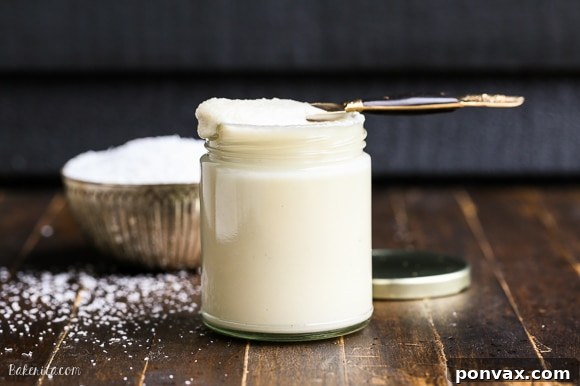
Making your own homemade coconut butter is an incredibly rewarding experience, especially when you realize it requires just one simple, wholesome ingredient: unsweetened shredded coconut! This creamy, versatile spread is surprisingly easy to whip up at home using just a food processor or a high-powered blender, often in under 5 minutes. Far more than just a delicious spread, homemade coconut butter is a foundational ingredient that can elevate a myriad of recipes, from delectable desserts and baked goods to wholesome breakfasts and nutrient-rich snacks.
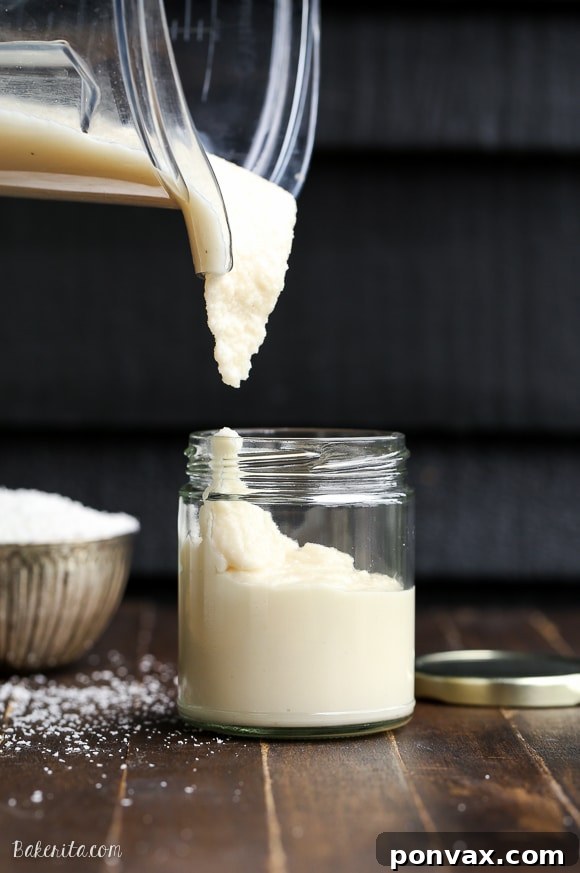
For all you devoted coconut enthusiasts, prepare to have your culinary world transformed! Here, we cherish dessert recipes with coconut, and this DIY coconut butter offers that same satisfying tropical flavor profile but in its purest, most unadulterated form. It tastes like a decadent, creamy treat, yet the process is so straightforward it can barely be called a recipe. Seriously, we’re talking about one solitary ingredient transforming into something truly magical and incredibly versatile.
This article aims to be more than just a guide; it’s an impassioned invitation to discover the wonders that unfold when you place some quality unsweetened coconut flakes into your blender or food processor. As a dedicated nut butter aficionado, I frequently explore the art of crafting homemade nut butter recipes – it’s a passion so deep it has an entire chapter dedicated to nut butter and sauces in my cookbook. Coconut butter is a fantastic extension of this love, offering a unique flavor and texture profile that stands distinct from traditional nut butters, providing a delightful alternative for those with nut allergies or simply seeking variety. But before we dive into the “how-to,” let’s clarify what exactly this delightful spread is and why it’s a must-have in your pantry.
What Exactly is Coconut Butter? Understanding This Versatile Spread
Coconut butter is a luscious, creamy spread meticulously crafted by finely grinding unsweetened shredded or flaked coconut until its natural oils are released. This mechanical friction transforms the solid coconut meat into a smooth, paste-like consistency, much like how peanuts become peanut butter or almonds become almond butter. It’s essentially the whole coconut meat – fibers, fats, and all – in a spreadable form, delivering an intense, rich coconut flavor.
Similar to coconut oil, coconut butter possesses a relatively low melting point, typically around 77ºF (25ºC). This characteristic means that it becomes wonderfully soft, creamy, and pourable at room temperature in warmer environments, making it an exquisite spread for toast, a delightful drizzle over warm oatmeal, or a luxurious swirl into yogurt bowls. When chilled, it firms up considerably, offering a more solid, scoopable texture perfect for incorporating into recipes that require a thicker consistency, or simply enjoying by the spoonful. Its natural sweetness and rich tropical essence make it a fantastic addition to both sweet and savory dishes, providing a unique depth and nutrient boost that plain coconut oil cannot.
Coconut Oil vs. Coconut Butter: Key Differences and Culinary Applications
While both coconut oil and coconut butter originate from the same tropical fruit, they are distinct ingredients with differing nutritional profiles and culinary applications. Understanding these fundamental differences is crucial for successful recipe outcomes and maximizing their unique benefits in your kitchen.
Coconut Oil is essentially the pure fat extracted from the coconut meat. It undergoes a pressing process that separates the oil from the solid coconut fibers. This means coconut oil is almost entirely fat, containing minimal to no fiber, protein, or carbohydrates from the coconut meat. It’s renowned for its high smoke point, making it an excellent choice for sautéing, frying, and high-heat cooking where a stable fat is needed. In baking, especially its refined form, it often serves as a neutral fat, contributing to moisture and richness without imparting a strong coconut flavor, making it a versatile dairy-free butter substitute.
Coconut Butter, on the other hand, is made from the entire coconut meat (minus the husk) that has been finely ground. This integral process means it contains not only the natural oils but also the dietary fiber, protein, and carbohydrates naturally present in the coconut. Consequently, coconut butter is significantly more nutrient-dense than coconut oil. It offers a good source of beneficial dietary fiber, which aids digestion and promotes satiety, along with a broader spectrum of micronutrients. Its full-bodied texture and rich, unmistakable coconut flavor make it a powerhouse for adding flavor, creaminess, and a substantial nutritional boost to a wide array of dishes. It’s a truly wholesome food, offering more than just fat.
Can I Substitute Coconut Butter for Coconut Oil? A Practical Guide
The question of substituting coconut butter for coconut oil arises frequently, and the answer is nuanced: sometimes, but always with careful consideration of the recipe’s requirements and desired outcome. The key lies in understanding their fundamental differences in composition.
You generally cannot use coconut butter as a direct, equal substitute for coconut oil in applications where only the pure fat is required. For instance, in high-heat cooking like sautéing vegetables or pan-frying ingredients, the fiber and solids present in coconut butter would burn, stick to the pan, and negatively alter the texture and flavor of your dish. Similarly, if a recipe specifically calls for a liquid oil to create a particular emulsion, lightness, or delicate texture, coconut butter’s added solids would interfere with these properties, leading to an undesired result. Coconut oil is a pure fat, whereas coconut butter is a whole food.
However, in certain baking recipes, especially those that are more forgiving or where a distinct coconut flavor and added texture are desired, coconut butter can indeed be a viable substitute for coconut oil. When replacing coconut oil with coconut butter, you’re not just adding fat; you’re also introducing fiber, protein, and carbohydrates. This can result in a denser, chewier, or slightly richer texture and a more pronounced coconut flavor in the final product. For example, in recipes for cookies, brownies, energy balls, or certain vegan no-bake desserts where a solid fat is often melted and incorporated, coconut butter can work beautifully. It provides binding, richness, and a wonderful flavor. Be mindful that delicate baking recipes, such as light cakes, fluffy muffins, or intricate pastries, might be significantly altered by this substitution, potentially leading to a less airy, more dense, or crumbly result due to the added solids and different fat distribution. Always consider the overall desired outcome and the specific role of the fat in your recipe. If you’re looking to boost the fiber content, infuse a richer coconut flavor, and the recipe can handle a slightly different texture, then go for it! But for precise baking or high-heat cooking, stick to pure coconut oil.
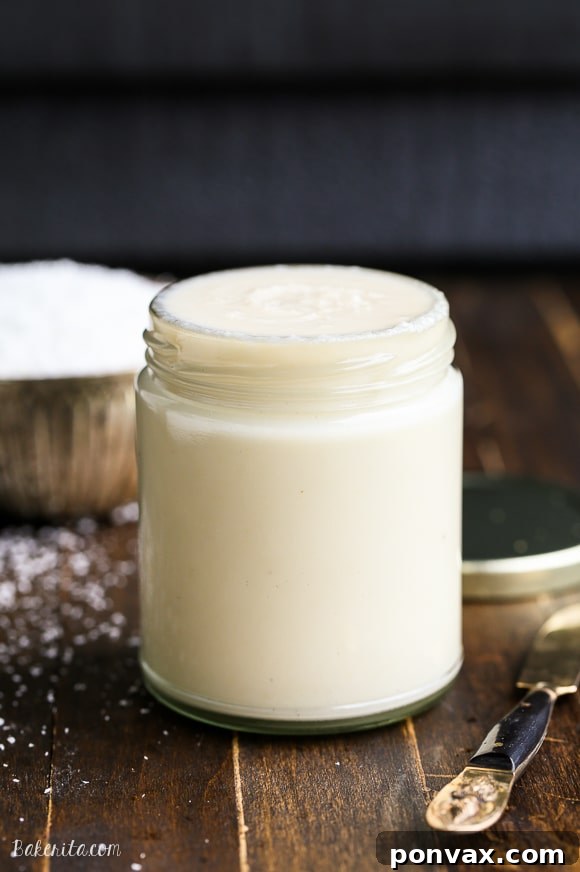
Unlocking Culinary Creativity with Homemade Coconut Butter
Beyond its simple pleasure as a direct spread, coconut butter is an incredible secret ingredient for a multitude of delectable treats and healthful dishes. Imagine the tropical richness and unique texture it brings to my Almond Joy Brownies or the incredible depth it adds to these wholesome Paleo Magic Cookie Bars. These are just a few tantalizing glimpses into the vast possibilities that open up once you have a jar of this homemade goodness.
Once you whip up a fresh batch, I guarantee you’ll discover countless ways to incorporate it into your daily routine and special occasion recipes. Its unique texture and flavor make it a fantastic dairy-free and naturally nut-free option for adding creaminess, richness, and a delightful tropical twist. It can serve as a binding base for energy balls, a thickener for savory sauces, a delightful component in homemade frostings, or even as an emulsifier in dressings. Its versatility truly knows no bounds, encouraging you to experiment and infuse that beloved coconut essence into all your culinary creations, making them both healthier and more flavorful.
Choosing the Right Coconut for Perfect Butter
The quality and type of coconut you choose are paramount to achieving the best homemade coconut butter. My top recommendation is always to use unsweetened shredded coconut, particularly fine-grade varieties. Fine shredded coconut, sometimes labeled as desiccated coconut, tends to blend into a smooth butter much more quickly and effortlessly than coarser flakes because its smaller pieces require less work to break down and release their oils.
Alternatively, you can also use unsweetened coconut flakes. While flakes might take a little longer to break down in your appliance and might require more frequent scraping, they will eventually yield the same beautifully creamy consistency. The most critical factor, regardless of the cut, is ensuring your coconut is *unsweetened*. Any added sugar will interfere with the blending process, potentially leading to a gritty texture that refuses to fully liquefy, and an overly sweet final product that isn’t ideal for all applications. Always look for raw or organic unsweetened coconut for the purest flavor and best results. Carefully check the ingredient list to ensure there are no added sugars, sulfites, or other additives. The simpler the ingredient list (ideally just “coconut”), the better your homemade coconut butter will be in terms of taste, texture, and purity.
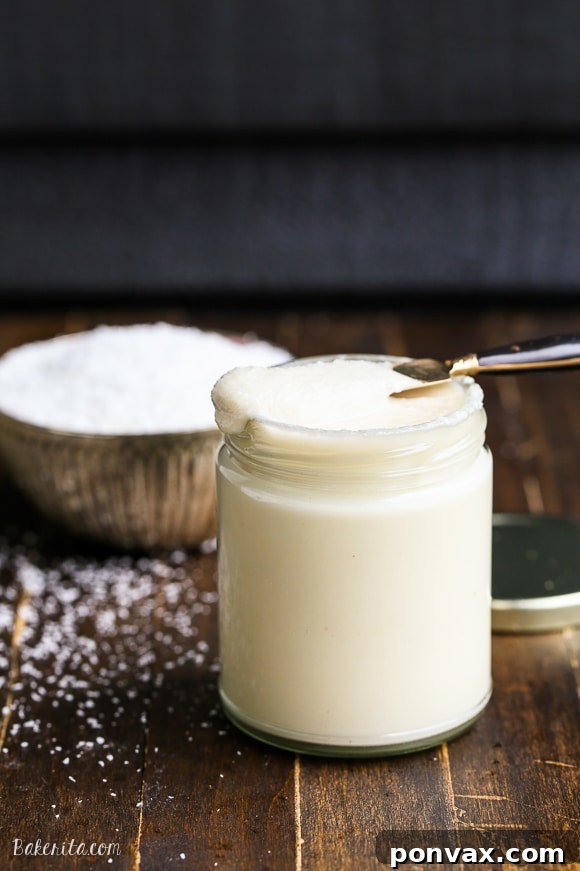
How to Make Coconut Butter: Step-by-Step Guide for a Silky Smooth Result
Crafting your own coconut butter is a simple process, but the equipment you use will influence the time and effort required. Whether you opt for a high-powered blender or a trusty food processor, patience and the right technique are key to achieving that perfectly smooth, pourable consistency.
Using a High-Powered Blender (For Speed and Optimal Smoothness)
For unparalleled speed and a super-smooth, almost liquid finish, a high-powered blender like a Vitamix is your best friend. I typically use about 3-4 cups of unsweetened shredded coconut for optimal blending. A larger quantity creates enough mass for the blades to properly catch and grind the coconut efficiently.
- Load the Blender: Add 2-4 cups of unsweetened shredded coconut to your high-powered blender. If your blender comes with a tamper stick, keep it within reach.
- Begin Blending: Start blending on a medium speed. Initially, the coconut will look like fine flour, then it will begin to clump together. Use the tamper stick to continuously push the coconut down towards the blades, ensuring all pieces are constantly incorporated. This action prevents air pockets from forming and helps the coconut break down evenly.
- Transition to Paste: As you continue to blend, you’ll observe the coconut transitioning from a clumpy texture to a thick, dense, and slightly pasty consistency. Keep guiding it with the tamper stick.
- Achieve Liquefaction: After a few minutes (typically 3-5 minutes with a powerful blender), you’ll notice a remarkable change: the mixture will start to smooth out and liquefy as the natural oils are fully released. Once it begins to look liquid and flow freely, increase the speed to high for another 10-20 seconds to ensure ultimate silkiness and a perfectly smooth texture.
- Final Consistency Check: The butter is ready when it flows smoothly and has no discernible grit or fibrous pieces remaining.
Using a Food Processor (Effective, Requires More Time and Scrapes)
A food processor can absolutely make delicious coconut butter, though it generally takes a bit longer than a high-powered blender and requires more manual intervention. For a food processor, using at least 4 cups of coconut is ideal to ensure enough volume for efficient processing and to prevent the blades from simply spinning without engaging the coconut.
- Load the Processor: Add 4 cups of unsweetened shredded coconut to your food processor bowl, fitted with the S-blade.
- Process and Scrape: Turn the machine on and process continuously. The coconut will go through similar stages as in a blender: fine flour, then clumpy, then a thick paste. The key difference here is the crucial need to frequently stop the machine and scrape down the sides of the bowl. This ensures that all the coconut makes consistent contact with the blades and blends evenly. Don’t skip this step!
- Patience is Key: This process can take anywhere from 8-12 minutes, sometimes even longer, depending on your machine’s power and the fineness of your coconut. Continue processing and scraping until the coconut fully releases its oils and transforms into a smooth, pourable butter. It will gradually become shiny and more fluid.
- Final Check: Once it’s liquidy, smooth, and pours easily off a spoon, it’s perfect!
Troubleshooting Tips for Perfect Coconut Butter:
- My Coconut Isn’t Blending!: If your coconut seems stuck or isn’t turning into butter, it might be due to insufficient quantity. Add more coconut (up to the recommended volume for your machine) to create enough friction and mass for the blades to work effectively. A minimum quantity is essential.
- It Looks Too Dry/Gritty: Ensure your shredded coconut is fresh. Old or very dry coconut may struggle to release enough oil. You can try adding 1-2 teaspoons of neutral oil (like melted unrefined coconut oil or a high-quality MCT oil) to kickstart the process, but this usually isn’t necessary with good quality, fresh coconut. Processing longer is often the best solution.
- Warmth Can Help: In colder environments, the natural oils in coconut can be firmer. Sometimes, slightly warming your shredded coconut in a dry pan for a few minutes over low heat (without browning it) can help encourage the oils to release faster during blending. Just ensure it cools slightly before adding to your machine if it gets too hot.
- Take Breaks: If your machine is getting very hot, especially a food processor, give it a few minutes to rest. Overheating can damage your appliance.
Storing Your Homemade Coconut Butter Effectively
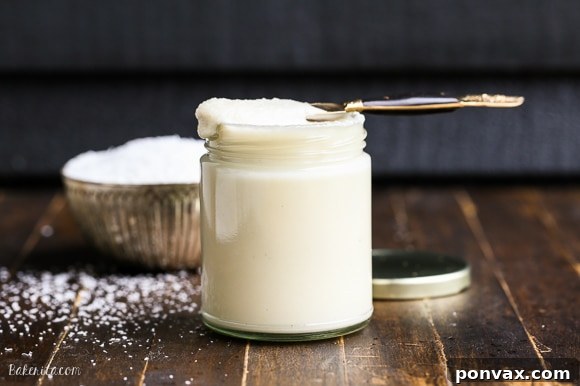
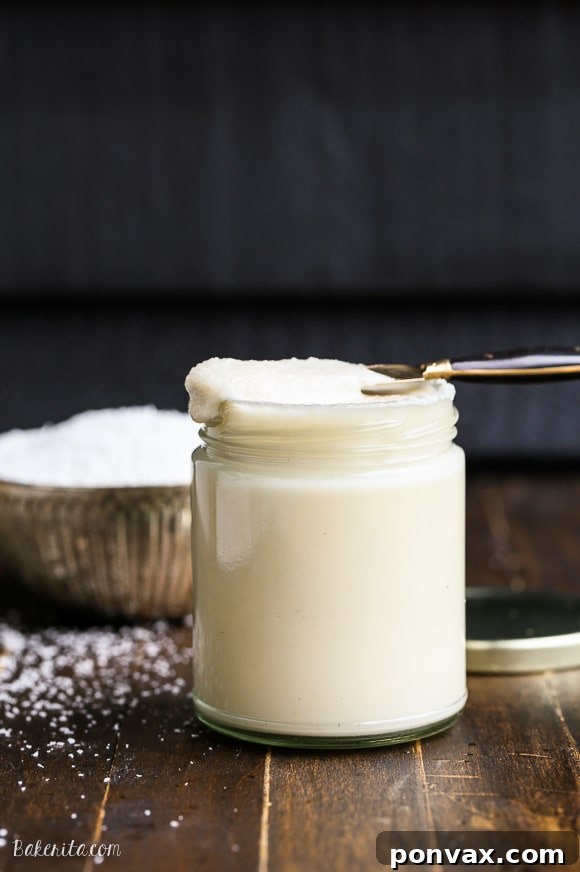
Once your freshly made coconut butter has reached its desired smooth and pourable consistency, carefully transfer it into a clean, airtight glass jar or container. This simple step is crucial for maintaining its freshness, flavor, and extending its impressive shelf life. Store it at room temperature in a cool, dark pantry away from direct sunlight. Because of its low melting point, expect it to be solid and firm below 77ºF (25ºC) and liquid or semi-liquid above that temperature. Don’t be alarmed if it solidifies; this is completely natural and a characteristic of coconut fats. If you need it in its liquid form, a brief warm bath for the jar (place the sealed jar in a bowl of warm water) or a quick 15-30 second zap in the microwave (transfer to a microwave-safe container) will quickly bring it back to a smooth, pourable state. Stir well after softening.
How Long Does Coconut Butter Last? Maximizing Freshness
One of the many appealing benefits of homemade coconut butter is its impressive shelf stability. When stored correctly in an airtight container at room temperature, it will last for at least a year, and often even longer. The high fat content acts as a natural preservative, preventing microbial growth and spoilage, much like other nut and seed butters. Always ensure your container is perfectly clean and dry to avoid introducing any moisture that could lead to mold.
While refrigeration can extend its lifespan even further and keep it in a firmer, more scoopable texture, it’s generally not necessary unless you live in a very warm, humid climate where it would otherwise remain completely liquid and potentially rancidify faster. If you do choose to refrigerate it, remember it will become quite hard, requiring more effort and time to soften before use. Realistically, though, I doubt you’ll need to worry about its long-term shelf life! Once you experience its rich flavor and incredibly versatile applications, you’ll likely find yourself using it up long before its expiration date. Trust me, it’s hard to resist!
Delicious and Creative Ways to Enjoy Homemade Coconut Butter
The versatility of homemade coconut butter is truly astounding, extending far beyond a simple spread. Here are some of my favorite and most creative ways to incorporate this nutritious and flavorful ingredient into your daily routine and culinary adventures:
- Enrich Your Hot Beverages: Swirl a generous spoonful into your morning coffee, tea, or hot chocolate. It not only imparts a delightful tropical flavor and rich creaminess but also adds a significant boost of healthy fats. This helps to keep you feeling fuller and more energized throughout the morning, making it a fantastic addition for those following a ketogenic or low-carb lifestyle.
- Elevate Your Oatmeal, Porridge, & Grits: This is a personal favorite! A dollop of coconut butter melts beautifully on top of a warm bowl of oatmeal, creamy grits, or any hot cereal, creating a luxurious, velvety texture and infusing it with a wonderful tropical goodness. It’s absolutely divine on this Almond Joy Oatmeal, but also complements any of these vegan oatmeal recipes, adding a touch of indulgence.
- The Perfect Wholesome Spread: Use it just like any other nut or seed butter! Spread it generously on a slice of toasted gluten-free bread, a rice cake, crisp apples, or even a more decadent slice of vegan banana bread. Its rich, slightly sweet, and creamy flavor is a top-notch choice for adorning all your favorite loaves, crackers, and fruit slices.
- Drizzle Over Pancakes, Waffles & French Toast: Take your breakfast or brunch to the next level by drizzling warm, melted coconut butter over a stack of fluffy pancakes, crispy waffles, or golden French toast. It pairs wonderfully with fresh berries, sliced bananas, a touch of maple syrup, or can stand alone as a star topping on any of your favorite pancake recipes.
- Boost Your Smoothies & Smoothie Bowls: Add a tablespoon or two of coconut butter to your favorite smoothie recipe or use it as a base for a thick smoothie bowl. It will contribute a delicious coconut flavor, create an extra creamy, luscious texture, and significantly increase the fiber content, making your smoothie more satisfying, filling, and nutritionally robust.
- An All-Natural “Magic Shell” for Ice Cream: This is pure magic in action! Drizzle warm, melted coconut butter over a scoop of cold ice cream or frozen yogurt. As soon as the warm butter hits the chilled surface, it will instantly firm up, creating a delicious, crunchy shell that cracks delightfully with your spoon and melts exquisitely in your mouth. It’s a wholesome, homemade alternative to traditional, often sugar-laden, ice cream toppings.
- Homemade Energy Bites & Bars: Coconut butter serves as an excellent binding agent and flavor base for no-bake energy bites, truffles, or bars. Combine it with oats, chia seeds, dried fruit, protein powder, and a touch of natural sweetener for a quick, healthy, and satisfying snack that keeps you fueled.
- Creamy Dairy-Free Frosting Base: For a deliciously rich and naturally dairy-free frosting, coconut butter can be whipped with powdered sugar or a natural sweetener like maple syrup, along with a touch of liquid (such as plant milk, citrus juice, or vanilla extract). This creates a spreadable, flavorful topping perfect for cakes, cupcakes, brownies, or even cookies, offering a unique tropical twist.
Creative Recipes Featuring Coconut Butter: Inspire Your Next Dish
Beyond direct consumption, coconut butter truly shines as a key ingredient in many delightful recipes, lending its unique texture, healthy fats, and rich flavor to create extraordinary results. Here are some of my top recommendations and inspired ideas for using your homemade coconut butter in more complex culinary creations:
- Toasted Coconut Butter: An enhanced version of the classic, where toasting the coconut before blending yields a deeper, nuttier, and even more aromatic flavor profile.
- Raw Cookie Dough Slice: Coconut butter provides the perfect creamy, rich, and binding base for a guilt-free, no-bake cookie dough treat, making it firm yet yielding.
- Toasted Coconut Butter Cups: Move over, traditional peanut butter cups! These tropical delights are a must-try, combining chocolate with the rich, toasted flavor of coconut butter for an irresistible confection.
- Almond Coconut Butter Granola: Elevate your homemade granola by using coconut butter as a binder and flavor enhancer, resulting in exceptionally crunchy clusters with a delightful coconut-almond fusion.
- Peanut Butter Coconut Truffles: A delightful combination of sweet, savory, and tropical flavors, where coconut butter contributes to the smooth, melt-in-your-mouth texture of these indulgent truffles.
- Almond Joy Brownies (Gluten-Free + Paleo): Coconut butter adds incredible depth, moisture, and that signature tropical note to these nostalgic brownies, making them fudgy and flavorful.
- Paleo Magic Cookie Bars: A wholesome, grain-free twist on a beloved classic, where coconut butter contributes to that irresistible chewy, caramel-like layer that makes these bars truly magical.
- Creamy Vegan Sauces: Incorporate melted coconut butter into savory sauces for stir-fries or curries to add richness and a subtle hint of coconut flavor, creating a luxurious mouthfeel.
Happy coconut butter making, and enjoy exploring all the delicious and healthful possibilities this incredible homemade ingredient brings to your kitchen!
By Rachel Conners
Homemade Coconut Butter Recipe
Homemade Coconut Butter has just one ingredient: unsweetened shredded coconut! It’s easy to make at home in a food processor or high-powered blender in under 5 minutes, and has a ton of uses! It’s great as a spread on its own, and can also be used as an ingredient in many different recipes.
Print Recipe |
Pin Recipe
Prep Time: 5 mins
Total Time: 5 mins
Yield: 1 cup
Ingredients
- 2-4 cups unsweetened shredded coconut (sometimes also called desiccated coconut or flaked coconut)
Instructions
- Place the unsweetened shredded coconut in a high-powered blender (like a Vitamix) or a food processor. In a blender, anywhere between 2-4 cups of coconut will work. For a food processor, 4 cups works best. If you don’t have enough coconut, it will have a hard time blending so don’t use a smaller amount.
- Turn the machine on high and process until a smooth butter forms. If you’re using a high-powered blender, use the tamper stick to push the coconut flakes down towards the blades until the butter gets creamy enough to blend without it. It should take 3-5 minutes. If you’re using a food processor, scrape down the sides frequently to ensure everything is evenly blended. It will take between 6-12 minutes in a food processor.
- Pour the mixture into a glass jar or container. The coconut butter will be solid if stored below 77ºF – heat for about 15 seconds in the microwave or in a warm water bath to re-liquify if needed. Stir well after softening.